How to Keep Your Knives Sharp: Honing Steel vs. Electric Sharpener
Choosing between honing steel and an electric sharpener often goes sideways because the words sound interchangeable: both show up with promises like “sharper knives.” Here’s the catch, honing realigns an edge that already exists, while electric sharpeners typically remove more metal to reset or rebuild the bevel. In other words, one tool maintains; the other reworks. Most buyers also underestimate how knife type, edge angle, and maintenance frequency change the outcome.
I’d treat this as a matching problem, not a “best sharpener” contest. Start by naming the edge issue, then pick the tool type that’s designed for that job. After that, weigh the tradeoff: honing is about controlled realignment with less metal removal, while electric units use abrasive stages to bring dull edges back faster, often with more aggressiveness. Finally, choose based on how often you realistically maintain your knives and what blades you actually own.
Products in this guide
These are the Amazon listings we anchor to when we talk about honing steel vs electric sharpener in the rest of this guide. Each card pairs a thumbnail with a short editor read on what stands out in the listing, materials, stated use case, or patterns we see in buyer feedback. They are not a substitute for your own due diligence: follow the link to verify fit, compatibility, today’s price, and the most recent verified reviews before you buy.
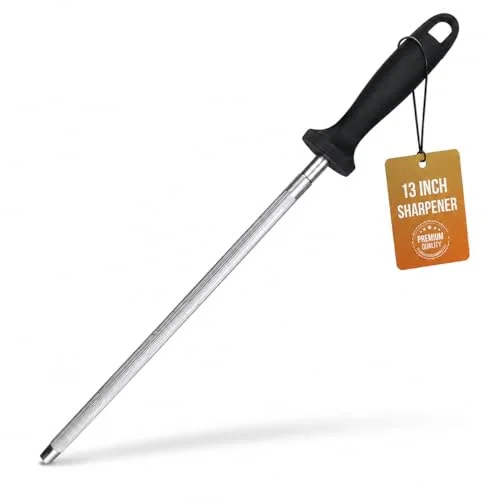
 Knife Sharpener Rod, 13 Inch Carbon Steel Honing Steel for Kitchen Knive Magnetized 13-inch carbon-steel honing rod; quick edge realignment with sawtooth surface and safe non-slip grip. 8.1/10 | 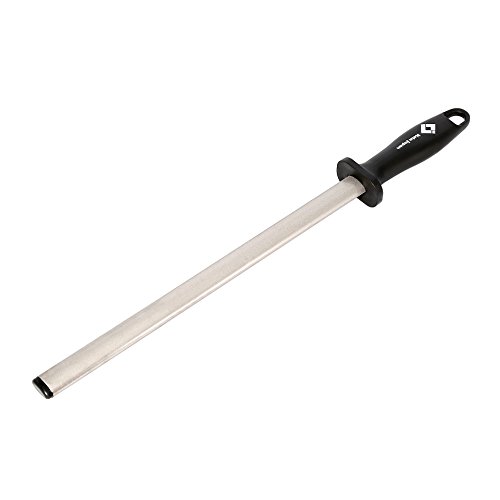 Kota Japan 12 in. Diamond Carbon Steel Professional Knife Sharpener Rod Diamond-electroplated 12-inch honing rod with lifetime guarantee; lighter touch promises less force than standard rods. 7.4/10 |  Narcissus Knife Sharpener, Diamond Abrasives Electric Knife Sharpener fo Dual-slot diamond electric sharpener with scissors option; quick coarse-to-fine sharpening and dust collection box. 7.9/10 |
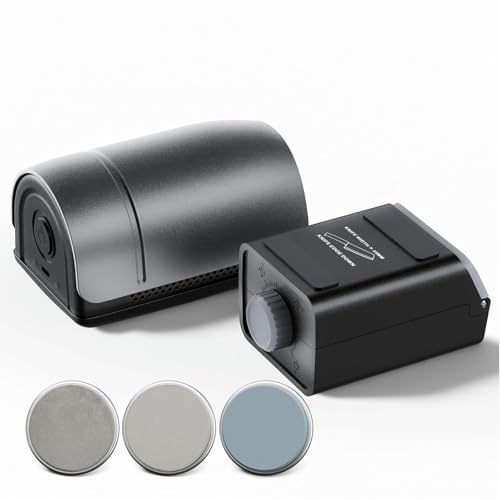 Knife Sharpener Rod, Kitchen Knives Sharpener Carbon Steel Professional Electric sharpening system with diamond discs (360/600/1000) and adjustable 10-25° magnetic guide. 7.3/10 |  Cutluxe Honing Rod, 10″ Knife Sharpener Steel – Honing Steel for Knives 10-inch carbon-steel honing rod with PakkaWood non-slip handle; designed for quick, regular edge realignment. 8.2/10 |  Henckels Sharpening Steel, Fine Edge Honing Rod for Knife Blade Maintena Henckels fine-edge honing steel for between-sharpening maintenance; comfortable polypropylene grip and lifetime confidence. 7.2/10 |
 TUO Honing Rod, Sharpening Steel with Larger Diameter for Kitchen Knife 8-inch high-carbon honing rod with thicker 0.48-inch core for more surface area and efficient daily maintenance. 7.8/10 |  WÜSTHOF 9″ Honing Steel WÜSTHOF 9-inch honing steel, tempered to 58 HRC; designed to sharpen dull knives, scissors, and cutters safely. 8.0/10 |  Kitchen Professional Electric Knife Sharpener: 3-Stage 100% Diamond Abra 3-stage 100% diamond electric sharpener with preset 15° guide and shavings collector for easy cleanup. 7.6/10 |
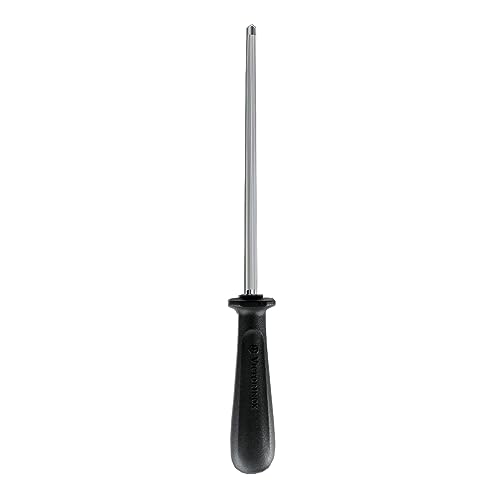 Victorinox Swiss Army Cutlery Swiss Classic Fibrox Honing Steel, 10-Inch Victorinox 10-inch Swiss Classic honing steel; brush chrome-plated rod helps roll the edge and resist stains. 8.3/10 |
How we judged each pick
These notes mirror how we evaluate listings for this guide: practical fit, credible specs, and what buyers report back, not lab claims we cannot verify.
|
My read is that this is a classic honing-steel pick, not an electric sharpener: the dense, uniform sawteeth and the “instant edge restoration” style wording point to realigning an edge that’s already mostly there. The magnetized design is a practical hygiene signal too, it’s meant to pull in metal filings so you get less mess on the countertop and away from food contact. The carbon-steel build with nickel-chrome plating, plus a non-slip handle, supports controlled, repeatable strokes. If your goal is routine maintenance on chef knives and similar styles, this kind of hand honing is usually the quicker, lower-complexity option compared with powered sharpeners that add stages, settings, and cleanup from abrasive action. |
|
I would shortlist this as an upgrade-style honing rod rather than an electric sharpener. Since it’s hand-driven, it’s still about maintaining, or lightly restoring, an edge with repeated strokes, not about rebuilding a heavily damaged bevel through a machine workflow. The listing leans on diamond electroplating, an oval profile designed for efficiency, and a “lighter touch” message that suggests less force than typical steel rods. The lifetime guarantee language is reassuring, but there’s still no electric complexity or multi-stage process. If you want honing speed in the “more effective per stroke” sense (not “insert and pull through like a machine”), this is the kind of rod that can make between-sharpening maintenance feel easier. |
|
This is the electric-sharpener path for people who care about speed and repeatability. The listing’s dual sharpening setup is the giveaway: a coarse slot aimed at rapidly sharpening dull blades, paired with a fine slot that polishes for a smoother, burr-free finish. It also includes a scissors sharpener and calls out a metal dust collection box, which matters because electric sharpening tends to generate more abrasive byproducts than honing by hand. The motor, anti-slip pads, and reduced vibration cues support stable, safer feeding during use. It targets straight, serrated, and ceramic knives, so it’s positioned for households with mixed blade types. Compared with a honing rod, the tradeoff is that you’re adopting a more guided (and typically more aggressive) workflow. |
|
This one feels like it’s trying to do more than “light honing” even though it’s still framed as an electric sharpener. The angle block, magnetic guide, and multi-diamond-disc system (including a fine polishing disc) suggest a more controlled re-grind approach for dull knives. The big consistency cue is the adjustable 10°-25° magnetic range, paired with 3-speed control, it implies you can tune how aggressively you’re abrading rather than relying on a single one-size-fits-all action. If you’re comparing it directly to honing steel, I’d treat this as the option for knives that are noticeably dull; when your edges just need realignment, a honing rod is usually simpler and less aggressive. |
|
I’d put this squarely in the honing-rod category as a straightforward alternative to an electric sharpener. The listing positions it for honing and realigning quickly and easily, not for heavy reshaping or deep edge restoration. Corrosion and rust resistance plus the PakkaWood ergonomic handle are practical details that support consistent strokes over time. At 10 inches, it’s a practical size for many everyday chef and utility knives without being awkwardly long. If you’re aiming to keep knives “razor-sharp” between professional sharpenings, this hits the maintenance rhythm: no slot technique, no powered stages, and less chance of over-grinding from repeated machine passes. |
|
This reads like the classic honing-steel approach: the listing is focused on maintaining knife sharpness between professional sharpenings, including guidance like honing every other time. It also calls out a “fine edge” honing rod, which typically aligns with subtle realignment rather than aggressive material removal. That’s a key difference versus many electric sharpeners that offer coarse-to-fine stages. The polypropylene handle cues safe, secure grip for regular use. Overall, it’s lower effort and lower complexity than an electric sharpener, but it depends on your knives being in the “maintainable” condition, not severely dulled or damaged. |
|
I’d think of this as a maintenance-first honing rod meant for daily or near-daily realignment rather than electric-style fast restoration. The thicker core (0.48 inch) and “35% more surface area” are exactly the kind of design details that suggest each stroke is meant to do more work, giving you a quicker-feeling edge refresh without adding a motor or slots. The hardness claim (62 HRC) and the non-slip PakkaWood handle reinforce that it’s built for repeat use and resistance to corrosion and moisture. For shoppers torn between honing steel vs electric sharpener, this feels like a middle path: compact enough for easy handling, quicker-per-stroke than very basic rods, but still fundamentally about preserving an edge rather than replacing it. |
|
My read is that this is a traditional honing-steel pick with strong material and build signals: precision forging from high carbon stainless, tempered to 58 HRC, and a 9-inch length that supports controlled honing. It’s positioned for safe sharpening and edge realignment for dull knives, scissors, and cutters, but I interpret that as honing performance, not electric multi-stage grinding. The biggest advantage in the honing-steel vs electric sharpener comparison is simplicity: no slots, no diamond wheels, and no power cord, just a balanced rod and one maintenance workflow. If your knives are generally healthy and you mostly want between-sharpening upkeep, this kind of consistent, straightforward honing tool tends to be the lower-hassle choice. |
|
This is the electric option I’d point to when the priority is consistent angles and faster results with less technique required. The listing calls out a 3-stage diamond system and a preset 15° guide, both aimed at reducing uneven edges and the risk of over-grinding. I also like that it mentions shavings collection and anti-slip design to reduce vibration, those are real-world safety and mess-management cues, not just marketing. As an electric sharpener, it makes the most sense when knives are too dull for what light honing can fix. If you’re only doing routine maintenance, though, I’d still lean toward honing steel because a three-stage process is more aggressive than what most edges need between deeper sharpenings. |
|
I’d treat this as a dependable baseline honing-steel alternative to an electric sharpener. The listing explicitly contrasts itself with a “traditional knife sharpener,” emphasizing the idea of rolling the knife’s edge back into position and maintaining sharpness between deeper sharpenings. The industrial brush chrome-plated steel and the stain-resistance / increased strength claims are practical durability signals, and the weighted textured handle supports controlled strokes. At 10 inches, it’s a common, easy-to-manage length for everyday chef and utility blades. If your knives are generally in good shape and you’re mainly after upkeep, this is the lower-risk, lower-hassle choice versus introducing an electric abrasive workflow. |
List of Honing Steel Vs Electric Sharpener
A lot of buyers assume any “sharpener” fixes dull knives in the same way. That’s how you end up with tools that only improve the look of an edge rather than restoring bite, especially when people confuse polishing with true edge sharpening. Another frequent miss is pairing the tool to the wrong condition, like sticking to honing-only routines when blades are already chipped, rounded, or severely dulled.
I start with a quick diagnosis: is the knife mainly suffering from edge roll and loss of bite, or is it truly chipped and rounded? Once that’s clear, the tool choice becomes simpler. Honing steels are for keeping an already-formed edge aligned between deeper sharpenings. Electric sharpeners use abrasive stages with guided angles to restore sharpness quickly, best when the edge geometry needs more than realignment.
The Selection Logic
I build this comparison around how each tool changes the blade edge. Honing steels aim to realign and smooth what remains, so they perform best when your edge still has its shape. Electric sharpeners aim to remove metal using diamond abrasives and fixed guides, so they perform best when the edge has lost geometry and needs rebuilding. I check the listed features, magnetized sawteeth, angle guides, abrasive stages, and safety controls, then steer you toward the maintenance routine that matches what your knives actually need.
01 Identify the Real Need Start by deciding whether your knife needs quick edge realignment or true edge restoration. Look for signs of rolled sharpness (less bite, slight performance drop) versus heavy dullness, chips, or an uneven bite. Honing steel can realign and help maintain performance between sharpenings. Electric sharpeners are better for cases where the edge has lost geometry and needs abrasive removal to rebuild the bevel. | 02 Match the Product Type Match your maintenance goal to the tool’s mechanism. A magnetized carbon-steel rod with sawtooth texture is built for alignment and burr management during light passes. A diamond electric sharpener uses coarse and fine stages (plus angle guides) to create and polish edges quickly. Choose based on how aggressively you need to act and what range of knife styles you own. |
03 Check the Tradeoff Then weigh control against metal removal. Honing generally asks for consistent technique, but it avoids heavy abrasion and can preserve edge longevity when used regularly. Electric sharpeners reduce technique anxiety with preset angles and guided slots, but they remove more material each session, so frequent use can cut short the time between professional services or careful handwork. | 04 Choose by Real Use Finally, choose based on how your kitchen maintenance actually happens. If you want short, frequent touch-ups after normal cooking, a honing steel with comfortable grip and the right length usually fits better. If your knives come in dull and you need fast recovery across multiple blades, an electric unit with multiple slots, staged diamonds, and cleanup aids like a dust box can match that pace without a learning curve. |
Real-Edge Recovery vs Quick Edge Realignment
The most common buying mistake is treating honing and sharpening as the same end result. Honing tools, like the 13-inch carbon steel rod with “magnetized” sawteeth, focus on realigning an edge that still exists, using surface texture and light strokes. Electric sharpeners, like the Narcissus diamond electric model, use abrasive slots that reshape the edge, including a polishing step. If your edge geometry has already rounded off or chipped, honing can feel like it “isn’t working,” even when it’s simply doing the job it’s designed for: maintaining a near-correct edge.
The listed mechanism details usually give away the intent. A magnetized rod that’s designed to attract filings and uses dense sawteeth supports “instant restoration” messaging through alignment. Meanwhile, diamond electric units explicitly talk about crude and fine slots, burr-free finishes, and restoring sharpness “in just seconds.” That staged language typically means faster recovery from more serious dullness. In this set, the electric model also includes a metal dust collection box, which signals an emphasis on both reshaping the edge and managing abrasive byproducts.
Practical judgment: use honing steel when the knife still slices with mild resistance and mainly needs periodic realignment. Choose electric when you’re repeatedly starting from truly dull blades or when you want consistent results without practicing angles. A fine-edge honing rod like the Henckels version fits between sharpenings (especially with regular maintenance cues). If your kitchen rhythm demands rapid restoration across multiple knives, a staged electric model aligns better with that workflow.
| Knife Sharpener Rod, 13 Inch Carbon Steel Honing Steel for Kitchen Knives, Professional Magnetiz Magnetized 13-inch carbon-steel honing rod; quick edge realignment with sawtooth surface and safe non-slip grip. | 8.1/10 Check Price Amazon |
| Narcissus Knife Sharpener, Diamond Abrasives Electric Knife Sharpener for Stainless Steel and Ce Dual-slot diamond electric sharpener with scissors option; quick coarse-to-fine sharpening and dust collection box. | 7.9/10 Check Price Amazon |
| Henckels Sharpening Steel, Fine Edge Honing Rod for Knife Blade Maintenance Henckels fine-edge honing steel for between-sharpening maintenance; comfortable polypropylene grip and lifetime confidence. | 7.2/10 Check Price Amazon |
How Products Differ Here
- →Magnetized Carbon Honing Rod: The magnetized, sawtooth carbon-steel rod targets edge realignment with light strokes and is designed to attract filings for cleaner maintenance.
- →Narcissus Electric Diamond Sharpener: The electric model uses diamond abrasive slots for quick coarse sharpening and fine polishing, aiming to restore lost edge geometry fast.
- →Henckels Fine Honing Steel: This fine-edge honing steel is framed for between-sharpening maintenance rather than reshaping a severely dulled or damaged edge.
Magnetized Carbon Honing Rod (product 0) highlights dense, uniform sawteeth and magnetization to pull metal filings during use, which matches a realignment-first approach. In contrast, Narcissus Electric Diamond Sharpener (product 2) describes a dual system: a crude slot that rapidly sharpens and a fine slot that polishes to a smooth, burr-free finish. That combination signals edge reshaping, not just correction.
Angle Guidance and Result Consistency
Angle control often determines whether a buyer gets repeatable sharpness or inconsistent edges. Honing steels depend on hand technique and repeatable passes, so beginners can struggle to maintain a consistent angle. Electric sharpeners try to solve this with guides, preset angles, and slot geometry. If two knives share the same brand but feel different after maintenance, the angle mismatch may be the real cause rather than steel quality or “grit.”
Products show their angle philosophy through specific guide features. “Kitchen Professional Electric Knife Sharpener…15° Precision Angle” includes a built-in 15° angle guide meant to avoid uneven edges and over-grinding. “Narcissus Knife Sharpener” also instructs insertion “at an angle” and emphasizes close contact with the outer wall, which can improve consistency even without quoting degrees. On honing-steel side, products like “Kota Japan 12 in. Diamond Carbon Steel Professional Knife Sharpener Rod” emphasize diamond electroplating for efficient sharpening, but they still require controlled stroke angles from the user.
Buying judgment: if consistent results matter most and you want less technique practice, prioritize models with explicit preset angles or angle blocks. The 15° guided electric sharpener (9) reduces variability for home cooks. If your routine can support learning and you primarily need edge maintenance, a honing rod with stable grip and clear performance expectations may feel simpler. “Knife Sharpener Rod…Easy Grip Tool” (1/4/10-inch class also apply) focuses on control via non-slip handling, which helps but still relies on your angle.
analysisParagraph3_placeholder__must_not_exist
| Kitchen Professional Electric Knife Sharpener: 3-Stage 100% Diamond Abrasives Knife Sharpeners w 3-stage 100% diamond electric sharpener with preset 15° guide and shavings collector for easy cleanup. | 7.6/10 Check Price Amazon |
| Narcissus Knife Sharpener, Diamond Abrasives Electric Knife Sharpener for Stainless Steel and Ce Dual-slot diamond electric sharpener with scissors option; quick coarse-to-fine sharpening and dust collection box. | 7.9/10 Check Price Amazon |
| Kota Japan 12 in. Diamond Carbon Steel Professional Knife Sharpener Rod | Kitchen, Home or Hunti Diamond-electroplated 12-inch honing rod with lifetime guarantee; lighter touch promises less force than standard rods. | 7.4/10 Check Price Amazon |
How Products Differ Here
- →15° Precision Electric: The built-in 15° guide aims to standardize sharpening angles and reduce uneven grinding for beginners.
- →Narcissus Electric Diamond: The electric slots guide knife contact and angle during pull-through motions for quick, consistent edge restoration.
- →Kota Diamond Rod: Diamond electroplating improves effectiveness per stroke, but it still depends on your hand angle.
Kitchen Professional Electric Knife Sharpener…15° Precision Angle (product 9) spells out a built-in 15° angle guide to prevent uneven edges and over-grinding, which directly addresses consistency. Narcissus Electric Knife Sharpener (product 2) focuses on angle contact during pull-through passes, supporting repeatability through slot geometry. Kota Japan 12 in. Diamond Carbon Steel Rod (product 1) boosts efficiency via diamond electroplating, yet it still requires user-controlled stroke angles.
Metal Dust, Mess Control, and Kitchen Cleanliness
Mess is a hidden friction point people don’t think about until it’s on the counter. Honing generates small metal filings, which can be manageable with a quick wipe and careful placement, but electric sharpeners can produce finer diamond dust that’s more likely to spread if the unit doesn’t contain it well. If debris ends up on cutting surfaces, it undermines confidence and can feel unsanitary even if it’s not actually harmful.
Design choices reveal how each tool handles cleanup. The magnetized carbon honing rod explicitly attracts metal filings during use to keep knives cleaner and reduce the chance of metal dust contaminating food. Electric products handle cleanup differently. Narcissus includes a metal dust collection box and presents a faster process that can reduce mess time. The Kitchen Professional electric sharpener also calls out a built-in shavings collector to make post-use cleanup easier.
Buying judgment: if cleanliness is a major driver, a magnetized honing rod can reduce stray particles during light maintenance. If you’re fine with occasional vacuuming and wiping in exchange for faster edge restoration, choose an electric with a dust box or shavings collector. Between electric options here, Narcissus (product 2) most directly emphasizes collection for less countertop mess. Between honing options, the magnetized rod (product 0) stands out for hygiene-focused claims.
| Knife Sharpener Rod, 13 Inch Carbon Steel Honing Steel for Kitchen Knives, Professional Magnetiz Magnetized 13-inch carbon-steel honing rod; quick edge realignment with sawtooth surface and safe non-slip grip. | 8.1/10 Check Price Amazon |
| Narcissus Knife Sharpener, Diamond Abrasives Electric Knife Sharpener for Stainless Steel and Ce Dual-slot diamond electric sharpener with scissors option; quick coarse-to-fine sharpening and dust collection box. | 7.9/10 Check Price Amazon |
| Victorinox Swiss Army Cutlery Swiss Classic Fibrox Honing Steel, 10-Inch, Multicolor (6.8002.US1 Victorinox 10-inch Swiss Classic honing steel; brush chrome-plated rod helps roll the edge and resist stains. | 8.3/10 Check Price Amazon |
How Products Differ Here
- →Magnetized Carbon Honing Rod: Magnetization attracts filings during honing to reduce metal dust on knives and food surfaces.
- →Narcissus Electric Diamond: A metal dust collection box aims to capture abrasive byproducts and simplify cleanup.
- →15° Precision Electric: A built-in shavings collector reduces cleanup friction after coarse and fine stages.
Knife Sharpener Rod…Magnetized (product 0) targets hygiene by attracting metal filings during use, which helps avoid metal dust contaminating food. Narcissus Knife Sharpener (product 2) adds a metal dust collection box, aligning electric sharpening with cleaner housekeeping. The Kitchen Professional Electric Knife Sharpener…3-Stage system (product 9) also includes a built-in shavings collector, signaling that mess control matters in its design.
Knife Versatility: Serrated, Ceramic, and Different Widths
Households rarely stick to one knife type. People start with a chef knife, then add a santoku, paring knives, serrated bread knives, and sometimes ceramic blades. A sharpener that only works well for one edge type can lead to frustration and avoidance, because nobody wants to maintain the “hard” knives with separate tools. The real key is matching abrasive capability and geometry handling to the blade materials you actually own. Even honing rods vary a lot by surface texture and hardness, which affects how well they support different edge finishes.
Electric sharpeners often advertise broader compatibility through multi-slot designs. Narcissus explicitly supports straight, serrated, and ceramic knives and even includes a scissors sharpener, which reduces the need for extra gadgets. Another electric product in this set highlights adjustable magnetic guidance (10° to 25°) and a multi-disc diamond system (including a 360#/600# set plus a 1000# polishing disc). It also states compatibility for blade widths from 15mm to 50mm, which helps when your knife collection includes different sizes and styles.
Honing steels can still cover many knives, but the emphasis here varies more on length, grip, and general kitchen coverage than on ceramic or serrated specifics. Henckels mentions chef knives and BBQ tools; WÜSTHOF mentions knives, scissors, and cutters. If your home includes ceramic or serrated knives that need more tailored treatment, the electric option that explicitly claims ceramic or serrated support is likely to reduce repeat hassle and improve consistency.
| Narcissus Knife Sharpener, Diamond Abrasives Electric Knife Sharpener for Stainless Steel and Ce Dual-slot diamond electric sharpener with scissors option; quick coarse-to-fine sharpening and dust collection box. | 7.9/10 Check Price Amazon |
| Knife Sharpener Rod, Kitchen Knives Sharpener Carbon Steel Professional Knife Sharpening Steel, Electric sharpening system with diamond discs (360/600/1000) and adjustable 10-25° magnetic guide. | 7.3/10 Check Price Amazon |
| WÜSTHOF 9″ Honing Steel WÜSTHOF 9-inch honing steel, tempered to 58 HRC; designed to sharpen dull knives, scissors, and cutters safely. | 8.0/10 Check Price Amazon |
How Products Differ Here
- →Narcissus Electric Diamond: It targets straight, serrated, and ceramic knives, plus includes a scissors sharpener and dust collection box.
- →Angle-Adjust Electric 3-Disc: The 10°-25° magnetic angle block and multi-disc diamond system aim to cover different knife widths with tailored grits.
- →WÜSTHOF 9″ Honing Steel: This honing rod claims safe sharpening for knives plus scissors and cutters, but it does not claim ceramic support.
Narcissus Knife Sharpener (product 2) stands out for knife-type versatility, explicitly sharpening straight, serrated, and ceramic knives and adding a scissors sharpener. The angle-adjust electric system (product 3) offers a 10°-25° magnetic guide and a 3-disc diamond setup with coarse, mid, and 1000# fine polishing, plus claims compatibility across 15mm-50mm blade widths. Honing rods like WÜSTHOF 9″ (product 7) mention knives and cutters, but lack ceramic-specific positioning.
What Buyers Often Misread
Many buyers see “sharpener” on an electric box and assume it replaces every maintenance step forever. But electric tools remove metal, so frequent use can over-grind edges that really only needed realignment. Another easy misread is believing honing instantly “sharpens” the way a grinder does, honing steel mainly repositions and refines an edge that’s already formed, especially when used regularly.
A better way to interpret this is by the job each tool performs. If the knife still has its geometry and it just feels less bitey, a honing steel usually fits the problem. If the blade slides, struggles in food, or looks uniformly dull, electric sharpening is more likely to reset the bevel. Then match the tool’s stated mechanism and guidance, like preset angle guides or diamond stage slots, to the current condition of the edge.
|
A honing steel can fix severely dull or damaged blades the same way an electric sharpener does. Honing realigns an edge, so it cannot rebuild geometry that has already rounded off or chipped. |
|
Diamond electroplating on a honing rod means it functions like an electric sharpener. Diamond on a rod can improve effectiveness per stroke, but it still depends on hand angle and doesn’t provide the slot-based reshaping an electric sharpener does. |
|
More passes always produce a better edge. With honing, extra work can increase wear without meaningful gain. With electrics, additional pulls can remove more metal than you actually need. |
|
If an electric sharpener has an angle guide, it guarantees flawless results for every knife. Angle guides help consistency, but knife geometry, grit progression, and materials like ceramic still influence outcomes. |
How To Make the Final Choice
Pick the tool that matches the edge problem you face most often. Choose honing steel when you maintain between deeper sharpenings and want quick, lower-risk realignment with minimal cleanup. Choose an electric sharpener when your knives arrive noticeably dull, when you manage different blade types, or when you want preset-angle consistency without practicing technique. The right choice preserves edge life longer by avoiding unnecessary metal removal.
, Knife Sharpener Rod…Magnetized targets filings during honing, supporting a hygienic approach to light edge realignment.
, Kitchen Professional Electric Knife Sharpener…15° Precision Angle uses a preset guide and staged diamonds for repeatable sharpening with less guesswork.
, Narcissus Knife Sharpener explicitly covers straight, serrated, and ceramic knives, with a dust collection box and scissors sharpening included.
Frequently Asked Questions
Is honing steel the same as sharpening?
Honing steel realigns and smooths a working edge that still has its bevel shape. Sharpening rebuilds the bevel using abrasive removal, which electric sharpeners do through staged diamond grits.
How often should honing happen compared with electric sharpening?
Honing usually fits into regular maintenance between deeper sharpenings, often every other time in many home kitchens. Electric sharpening typically comes later, when honing no longer restores bite.
Can an electric sharpener damage knives faster than manual honing?
Electric sharpeners remove more metal per session because they use coarse and fine abrasive stages. Honing can help preserve edge longevity when the geometry still exists, but it still requires correct technique to avoid uneven results.
What angle should buyers use for honing or sharpening?
Many electrics provide a preset like 15° to reduce guesswork. For honing, the best angle depends on your knife’s original bevel, so matching that design improves results and reduces unnecessary wear.
Do honing steels help with serrated knives and ceramic blades?
Serrated edges need careful handling because the tooth geometry changes how sharpening works. Ceramic blades often require dedicated diamond handling, so tools that explicitly claim ceramic compatibility usually suit them better than standard honing rods.
By Lisa Jayce, founder of NookTool. I research kitchen tools to find the best ones for small spaces. My goal is to help you make smart buying decisions.