Why Heat Proof Mat Is Necessary For Air Fryer
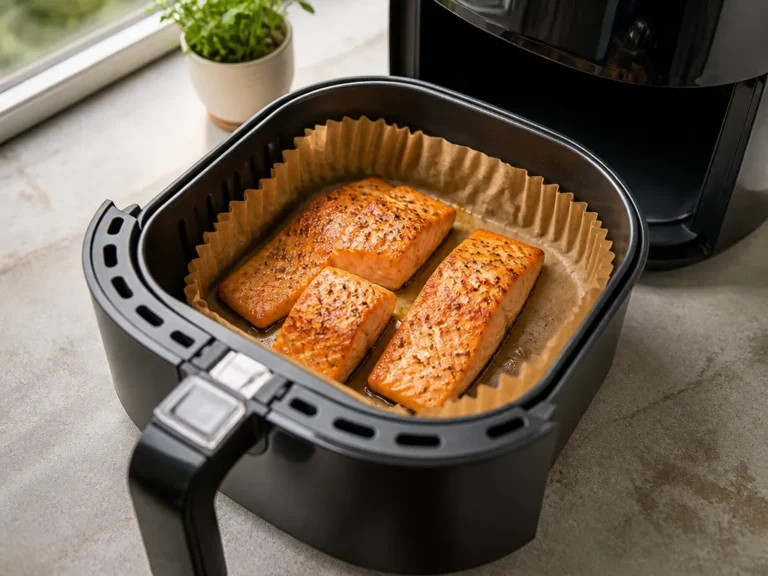
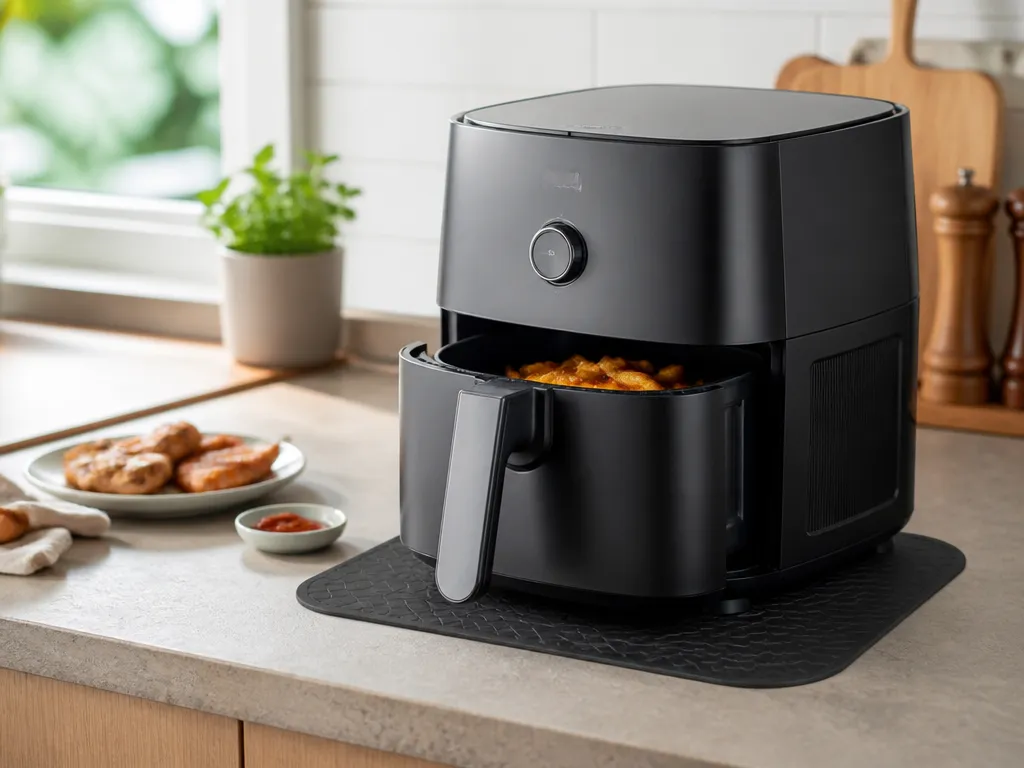
A heat-proof mat can serve two different purposes with an air fryer. A mat placed under the appliance protects the countertop from heat, grease, and scratches. A heat-proof basket mat or liner helps contain drips, crumbs, and sticky residue inside the cooking basket.
For basket use, choose only a mat specifically rated for air-fryer temperatures, typically 400°F+. Do not use paper, unrated silicone, plastic-coated material, or anything that can lift toward the heating element. The mat must fit the basket without blocking vents or restricting the hot-air circulation that makes food crisp.
Quick Takeaways
- Protect the countertop: A mat under the air fryer helps shield heat-sensitive surfaces from heat and grease.
- Reduce burnt residue: A basket mat catches some drips and crumbs before they char on hot surfaces.
- Improve food release: A suitable mat can help breaded and sticky foods lift away more cleanly.
- Keep airflow open: Never cover vents or use a mat that crowds the basket.
- Check the rating: Use a mat rated for the temperature of your recipe, typically 400°F+.
- Replace damaged mats: Discard a mat that is warped, badly stained, rough, peeling, melting, or shedding.
When an Air-Fryer Heat-Proof Mat Is Necessary
A heat-proof mat is useful when your air fryer sits on a heat-sensitive countertop or when your food releases grease, sauce, batter, cheese, or loose crumbs. Direct heat can discolor some surfaces, while food residue can smoke and char when it lands on hot parts of the basket or drawer.
Messy foods usually justify a basket mat. Wings, saucy meatballs, breaded vegetables, battered fish, and melted-cheese foods can leave behind residue that burns quickly. The mat helps contain some of that mess and makes cleanup easier.
Dry foods do not always need one. Plain-cut vegetables, drier frozen foods, and single-layer lean proteins may cook well without a liner if the basket stays reasonably clean. A mat becomes less useful when it blocks airflow or changes the cooking surface more than it solves a cleanup problem.
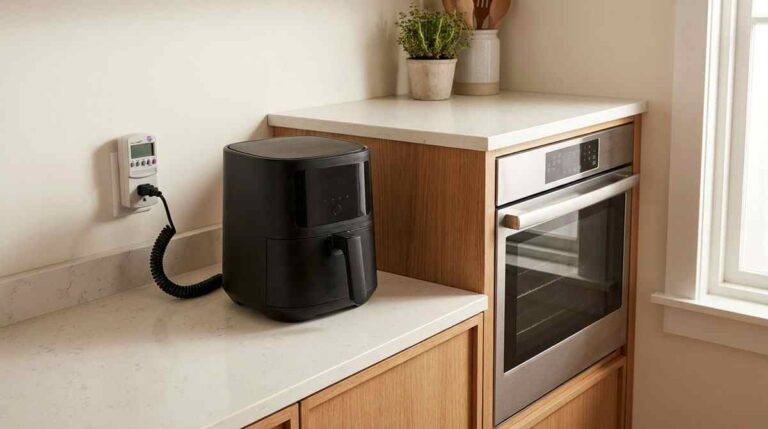
The word “mat” can also cause confusion. A countertop mat goes beneath the air fryer. A basket mat goes inside the cooking compartment. Do not use a countertop mat inside the basket unless the manufacturer specifically says it is safe for air-fryer cooking.
A Simple Rule Before Cooking
Use a basket mat if the food will:
- Release dripping marinade or fat
- Shed a crumbly coating
- Melt cheese
- Spread wet batter
- Leave behind sticky sauce
Skip it when the food is dry and unlikely to shed residue, provided the air fryer sits safely on a suitable countertop.
What the Mat Should Do During Cooking
A suitable basket mat should contain some drips and crumbs without melting, curling, shedding, or interfering with the fan. It should stay flat under the food and leave enough open space for hot air to circulate.
The mat should:
- Keep drips from immediately charring on the basket surface
- Stay below the food and away from the heating element
- Fit the basket without folding over the sides
- Resist normal cooking temperatures
- Release food without leaving flakes or residue behind
A mat that is too large can cover vents, lift toward the heating element, or trap excess moisture. A mat that is too small can slide aside and leave the dirtiest areas uncovered. Correct sizing is part of safe use, not merely a convenience.
How to Use a Heat-Proof Mat Without Losing Crispness
Use the mat inside the basket only as directed by its manufacturer. Keep food in a single layer when possible, and leave space between pieces so hot air can move around them. A mat cannot compensate for an overcrowded basket.
Start with your usual cooking time. A mat may change how grease and moisture collect, so high-moisture foods can brown or crisp a little differently. Check the food at the normal time and add 1 to 3 minutes if needed.
Use a light coating of oil. A mat reduces residue on the basket, but it will not prevent smoke caused by excessive oil or sauce. For many recipes, 1 to 2 teaspoons of oil total for the whole batch is enough, depending on the food.
For saucy foods, add the sauce near the end when possible. Wings, meatballs, and vegetables generally create less smoke when they are cooked or crisped first and coated afterward.
Placement Checks
Before turning on the air fryer:
- Confirm the mat is rated for the cooking temperature.
- Place it flat inside the basket or tray as directed.
- Keep it away from the heating element and upper vents.
- Make sure it cannot lift or shift into the fan.
- Check that food does not cover every opening in the mat.
- Stop cooking if the mat curls, smokes, smells strongly, or changes shape.
Why the Mat Helps With Messy Foods
A basket mat can also make food easier to remove. Breaded chicken, battered fish, and sticky-coated vegetables may leave crust behind when they are flipped or lifted from a bare basket. A suitable mat provides a more controlled surface and can reduce sticking.
The effect is most noticeable with foods that release residue during cooking:
- Chicken wings: Rendered fat can smoke, especially when it collects around the basket edges.
- Frozen mozzarella sticks: Leaking cheese can burn quickly.
- Saucy meatballs: Sauce and rendered fat can create a strong burnt smell.
- Breaded cauliflower or popcorn chicken: Loose crumbs can fall through the basket and char.
- Sticky vegetables: Glazes can adhere to the basket and become difficult to scrub.
The mat does not guarantee perfectly crisp food. If it covers too much of the basket or traps moisture, it can reduce browning. The best mat is the one that limits mess while leaving airflow as open as possible.
Which Air-Fryer Mat Should You Choose?
The right option depends on whether you need countertop protection, easier cleanup inside the basket, or both.
1. Dedicated air-fryer basket mat
This is the most practical choice for messy foods. It should be heat-rated for air-fryer temperatures, sized for your basket, and designed to remain flat during cooking.
2. Air-fryer-rated liner sheet
Some specialty sheets are made for air-fryer use and may work well with saucy foods. Confirm that the sheet allows adequate airflow and cannot move close to the heating element.
3. Countertop heat-proof mat
Use this under the air fryer to protect the counter from heat, grease, and scratches. It does not replace a basket liner and should not be placed inside the cooking compartment unless its instructions specifically allow that use.
4. No mat
Dry foods and low-drip recipes can often be cooked directly in the basket. This costs nothing and preserves the basket’s designed airflow, but messy residue may burn and require more cleaning.
5. Air-fryer-rated parchment
Plain parchment is not automatically suitable. It can curl, blow around, or scorch at the edges. Use paper only when it is explicitly rated for air-fryer temperatures and airflow, and keep it flat under the food.
Comparison: Air-Fryer Mat Options
| Option | Best for | Main trade-off |
|---|---|---|
| Air-fryer basket mat | Messy foods, sticky coatings, easier cleanup | You must buy and replace the mat |
| Air-fryer-rated liner sheet | Saucy foods when designed for airflow | Fit and clearance matter |
| Countertop heat-proof mat | Protecting the surface beneath the air fryer | It does not protect the basket from food residue |
| No mat with technique changes | Dry foods and low-drip recipes | More residue may burn on the basket |
| Regular parchment, not rated | Usually not recommended | It can scorch, curl, and disrupt airflow |
Practical Mat Checks Before and After Cooking
Match the mat to the foods you cook most often. If breaded foods stick, look for a suitable release surface. If sauces and grease cause smoke, prioritize a mat that is easy to wipe clean and fits the basket securely.
Do not trim a mat unless the manufacturer allows it. Some mats have openings or patterns intended to support airflow, and cutting them can change how they sit in the basket. When the fit is wrong, use the manufacturer-recommended size or choose a mat made for your air fryer model.
After cooking, let the mat cool before cleaning it. Wipe away oil and food residue with a paper towel or soft sponge. Many mats can be washed gently with warm water and dish soap. Avoid harsh scrubbers that can damage the surface, and dry the mat completely before using it again.
Replace the mat if it becomes warped, develops rough or peeling spots, sheds material, or retains a strong burnt smell after cleaning. A damaged mat is more likely to shift, smoke, or interfere with airflow.
Food Examples That Benefit From a Basket Mat
Chicken wings are a clear example. The wings release fat, and sticky sauce can drip into the basket when you reheat or crisp them. A basket mat can reduce burnt drips and the harsh smell that often comes from charred sauce or grease.
Breaded cauliflower bites and frozen popcorn chicken can also benefit. Their coatings may shed crumbs and small pieces that fall through the basket and burn. A mat helps contain some of that debris and leaves fewer charred bits behind.
Sausages and meatballs release fat as they cook. If the drips collect near hot basket edges, they can smoke before the food is done. A properly fitted mat helps reduce that residue, although it will not eliminate smoke from excessive grease.
Recipe-Specific Tips
- Wings or sticky chicken: Use a suitable mat, flip only if needed, and add extra sauce near the end.
- Breaded vegetables or shrimp: Use a mat if crumbs regularly fall through, and keep the pieces spaced out.
- Sausages or meatballs: Use a mat when rendered fat causes smoke, but avoid overcrowding the basket.
- Reheated saucy leftovers: A mat can reduce the burnt-sauce smell that lingers between batches.
- Dry vegetables: You can often skip the mat if the basket remains clean and the food does not stick.
Troubleshooting Smoke, Curling, and Poor Crisping
The air fryer smokes with the mat in place.
Stop the appliance and let it cool. Check for excess oil, sauce, loose crumbs, or a mat that is touching a hot element. Confirm that the mat is rated for the cooking temperature and placed as directed.
The mat curls or shifts.
Do not keep using it. A curled mat can restrict airflow or move toward the heating element. Replace it with a properly sized model, and make sure food holds it in place only when the manufacturer permits that setup.
Food is less crisp than usual.
The mat may be blocking too many openings, or the basket may be overcrowded. Use a mat with an airflow-friendly design, leave space between pieces, and avoid covering the entire cooking surface with a solid sheet.
Food still sticks.
A mat can reduce sticking but cannot prevent it in every recipe. Use the appropriate amount of oil, avoid moving delicate food before it has set, and choose a mat intended for the type of coating you cook.
The basket still has burnt residue.
The mat may be too small, or grease may be collecting outside its covered area. Clean the basket after it cools, reduce excess oil or sauce, and check that the mat is sitting flat.
FAQ
Do I need a heat-proof mat for every air-fryer meal?
No. Use one when food is likely to drip, smear, melt, or shed its coating. Dry foods such as plain-cut vegetables or single-layer lean proteins may cook well without one. Sauces, batter, melted cheese, and loose crumbs make a basket mat more useful.
If you are protecting the countertop rather than managing food residue, place a countertop heat-proof mat under the air fryer whenever the surface is sensitive to heat or grease.
Can I use parchment paper instead of a heat-proof mat?
Only use parchment that is explicitly rated for air-fryer temperatures and airflow. Regular parchment can curl, blow around, or scorch at the edges. Use the smallest piece that fits, keep it flat under the food, and make sure it cannot lift toward the heating element.
Will a heat-proof mat affect cooking time or crispiness?
It can. The result depends on how much the mat changes airflow and how much moisture or grease the food releases. Cooking often stays close to your usual time, but some foods may crisp differently. Start with your normal time, check doneness, and add 1 to 3 minutes if needed.
How do I clean a heat-proof mat?
Let it cool first. Wipe away oil and residue with a paper towel or soft sponge, then wash it gently with warm water and dish soap if the manufacturer permits. Avoid abrasive scrubbers, dry it fully, and replace it if it warps or develops rough, peeling, or shedding areas.
What is the most common liner mistake?
Using a mat that is not rated for the temperature you cook at is a common mistake. Another is choosing one that is too large, blocks airflow, or can lift toward the heating element. Confirm the temperature rating, use the recommended placement, and stop using the mat if it curls or smokes.