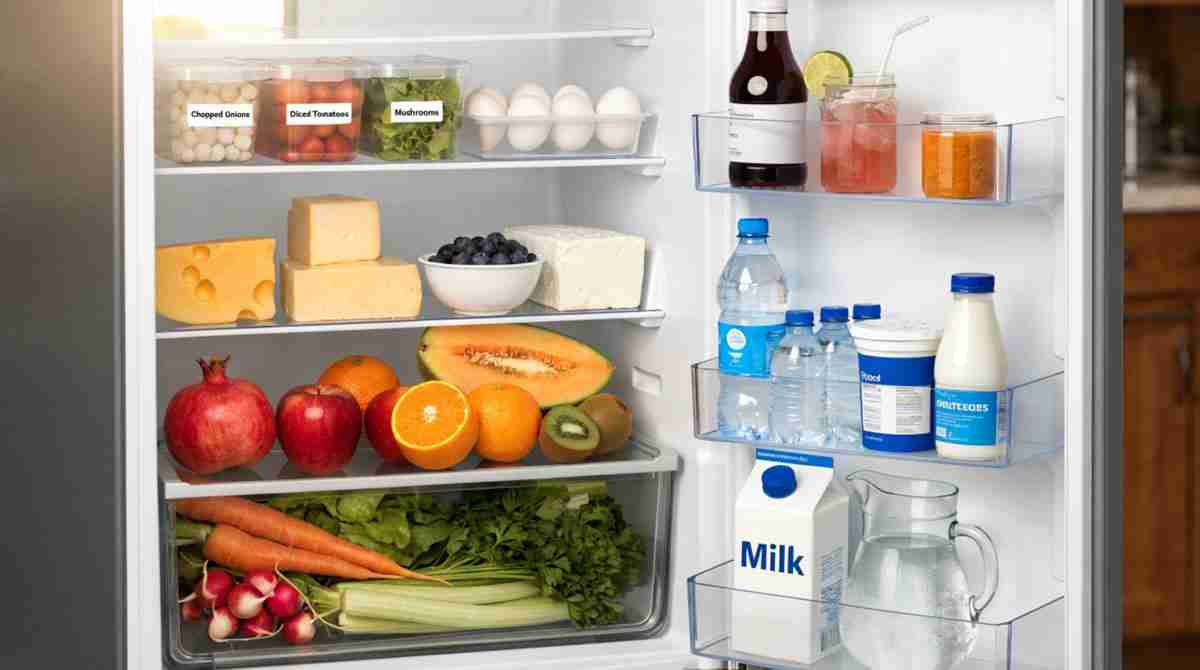
How to Organize a Small Refrigerator (25 Space-Saving Tips)
I used to play a game every time I opened my fridge.
It was called “Where did that leftover go?”
I’d dig through shelves. Move containers. Find something from three weeks ago that had become a science experiment.
Sound familiar?
I live in a 450-square-foot apartment. My refrigerator is small. Every inch counts.
After years of frustration, I finally figured out how to organize a small refrigerator. Not just once. But to keep it organized.
Here are 25 tips that actually work.
How to Organize a Small Refrigerator: 7 Simple Steps
Step 1: How to Organize a Small Refrigerator Starts with Emptying It
You can’t organize what you can’t see.
Take everything out of your fridge. Every jar. Every container. Every forgotten item in the back.
Tip #1: Work in sections. Remove one shelf at a time if your counter space is limited.
Tip #2: Have a cooler ready with ice packs for perishables. You don’t want food sitting out for hours.
Tip #3: Take a photo of your empty fridge. It helps you visualize the space before you put things back.
Step 2: Clean Before You Organize
Now that your fridge is empty, clean it.
Tip #4: Remove all shelves and drawers. Wash them in warm, soapy water.
Tip #5: Wipe down the interior walls with a mixture of water and baking soda. It removes odors without harsh chemicals.
Tip #6: Vacuum the condenser coils at the back or bottom of your fridge. Dust makes the compressor work harder.
Tip #7: Don’t forget the door seals. Wipe them with a damp cloth to remove crumbs and sticky residue.
For official food safety guidelines, visit the FDA safe food handling guidelines.
Step 3: Check Expiration Dates
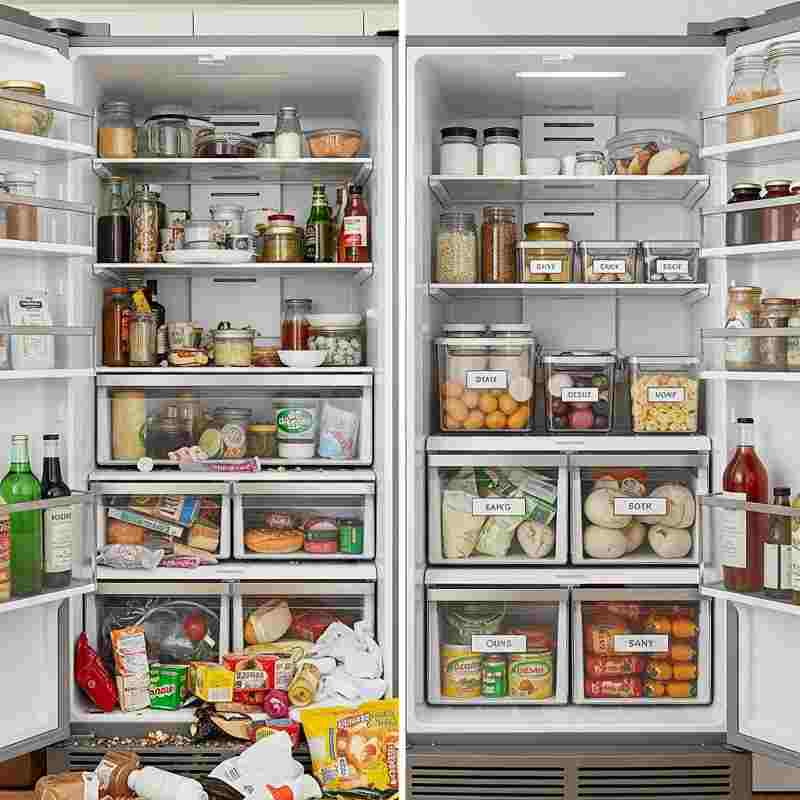
Before you put anything back, check every item.
Tip #8: Toss anything past its expiration date. Be ruthless.
Tip #9: Use a marker to write the date you opened items like sauces and dressings. Most last 3-6 months after opening.
Tip #10: Group items by expiration. Put things that expire soon at eye level. Push longer-lasting items toward the back.
Part of how to organize a small refrigerator is knowing what you actually have. Expired items just take up space.
Step 4: Categorize Your Food
Now it’s time to organize by category.
Tip #11: Group similar items together:
| Category | Examples |
|---|---|
| Dairy | Milk, yogurt, cheese, butter |
| Protein | Eggs, meat, tofu |
| Condiments | Ketchup, mustard, mayo, hot sauce |
| Produce | Vegetables, fruits, herbs |
| Drinks | Juice, soda, water bottles |
| Leftovers | Meal prep containers, takeout |
| Jars | Pickles, olives, sauces |
Tip #12: Keep produce separate from meat and dairy to prevent cross-contamination.
Tip #13: Store herbs like cilantro and parsley upright in a glass of water. Cover with a plastic bag. They last 2-3 times longer.
Step 5: How to Organize a Small Refrigerator Using Bins and Baskets
Bins are the secret to small refrigerator organization.
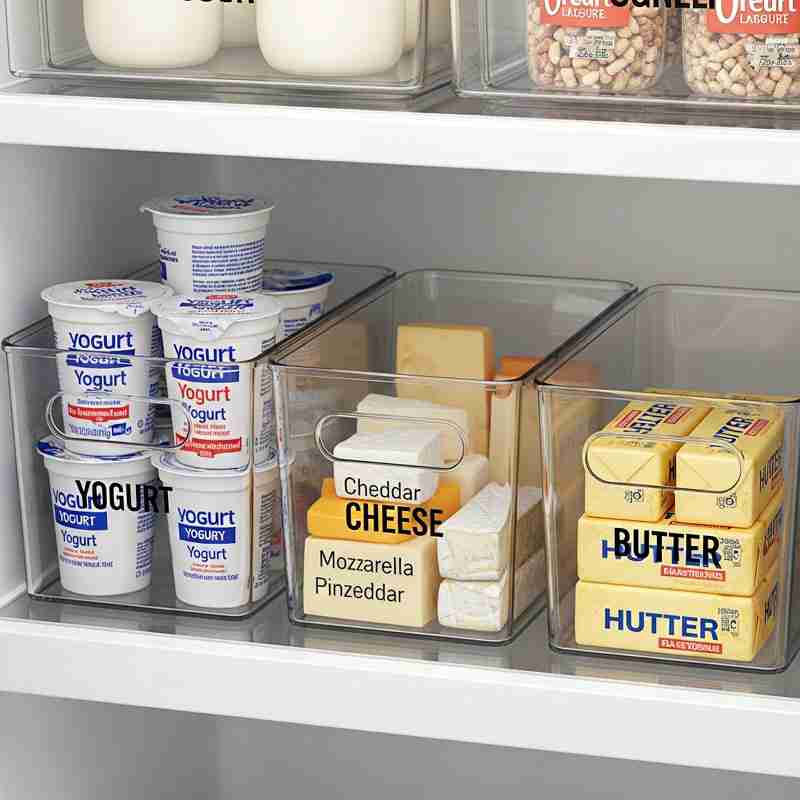
Tip #14: Use clear bins so you can see what’s inside. Opaque bins hide items you’ll forget.
Tip #15: Label every bin. You can use a label maker or masking tape and a marker.
Tip #16: Choose bins that fit your shelf dimensions. Measure before you buy.
Tip #17: Use stackable bins to maximize vertical space.
Step 6: Organize by Zones
Assign each part of your fridge a specific purpose.
Tip #18: Top shelf = ready-to-eat foods. Leftovers, drinks, yogurt.
Tip #19: Middle shelves = dairy and eggs. The temperature is most consistent here.
Tip #20: Bottom shelf = raw meat and fish. This prevents drips from contaminating other food.
Tip #21: Crisper drawers = produce. Keep fruits and vegetables separate. Fruits emit ethylene gas that makes vegetables spoil faster.
Tip #22: Door shelves = condiments and frequently used items. The door is the warmest part of the fridge.
Understanding how to organize a small refrigerator means using each zone for its intended purpose. The door is for condiments only.
Step 7: Use Vertical Space
Don’t ignore the space above your food.
Tip #23: Use stackable shelf risers to create a second level. Perfect for small containers and yogurt cups.
Tip #24: Install a tension rod under a shelf to hang spray bottles or small baskets.
Tip #25: Use egg holders that stack vertically instead of taking up a whole shelf.
Top 5 Refrigerator Organization Products
| Product | Best For |
|---|---|
| YouCopia Fridge Binz | Stackable, clear bins for grouping items |
| Rubbermaid Produce Saver | Extends fruit and vegetable life |
| SimpleHouseware Lazy Susan | Rotating turntable for condiments |
| Egg Holder Stackable | Holds 24 eggs vertically |
| Can Dispenser Organizer | Gravity-fed, holds 12 cans |
Prices and availability update automatically. Click any product for current Amazon details.
How to Keep It Organized
Organizing once isn’t enough. You need systems to maintain it.
Weekly habit: Every Sunday, spend 5 minutes checking expiration dates. Toss anything that’s gone bad. The secret to how to organize a small refrigerator isn’t a one-time cleanout. It’s weekly maintenance.
Need more help with small space living? Check out our best nook tools for small kitchens guide.
Monthly habit: Once a month, remove everything and deep clean. Check for spills and expired items.
Before grocery shopping: Take 2 minutes to see what you already have. Don’t buy duplicates.
One in, one out: When you buy something new, finish or toss something old.
Frequently Asked Questions
Q: How do I organize a small refrigerator with limited shelves?
For more small kitchen solutions, see our space-saving kitchen organization tools guide.
Use bins and stackable containers. Remove bulky original packaging. Store eggs and drinks in the door to free up shelf space.
Q: What is the best way to store vegetables in a small fridge?
Keep them in the crisper drawer with humidity control. Store fruits and vegetables separately. Use produce savers to extend life.
Q: How often should I clean my refrigerator?
Deep clean every 3-4 months. Spot clean spills immediately. Check for expired food weekly.
Q: Where should I store leftovers in a small fridge?
Top shelf, at eye level. Use clear containers so you can see what’s inside. Label with the date.
Q: Can I put meat on the top shelf?
No. Store raw meat on the bottom shelf to prevent drips from contaminating other food.
For more kitchen organization ideas, check out our space-saving kitchen organization tools guide.
Final Take
After years of struggling with my small fridge, here’s what I learned.
The key isn’t a bigger refrigerator. It’s a smarter one.
Use bins. Label everything. Store food by category. Keep produce separate from meat.
And most importantly, spend 5 minutes every week checking what’s about to expire.
Your fridge will stay organized. You’ll waste less food. And you’ll actually find what you’re looking for.
Every inch counts in a small kitchen. Make your refrigerator earn its spot.