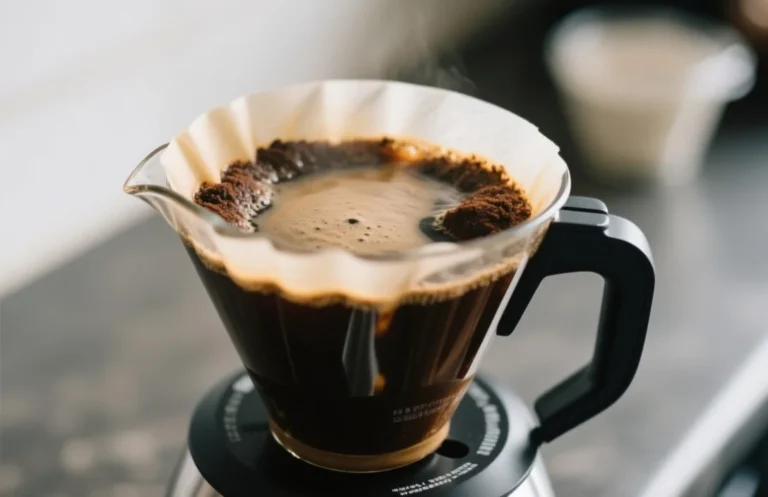
How Many Teaspoons Of Coffee For One Cup Of Water Explained
Brewing a great cup of coffee starts with the right ratio of grounds to water. Most home brewers struggle because they rely on guesswork or inconsistent scoops, leading to coffee that tastes either watery and sour or intensely bitter. Getting the measurement right is the single most effective way to improve your morning routine without buying expensive new equipment.
For a standard 6-ounce cup of coffee, use 2 level tablespoons of ground coffee, which is equivalent to 6 level teaspoons. If you prefer a larger 8-ounce mug, you should increase this to 3 level tablespoons or 9 level teaspoons to maintain the same strength and flavor profile.
Key Takeaways
- Start with the ratio. Use 2 level tablespoons of ground coffee for every 6 ounces of water as your baseline.
- Teaspoon conversion. One tablespoon equals 3 teaspoons, so use 6 teaspoons of coffee grounds for a standard 6-ounce cup.
- Adjust for preference. Use slightly more or less coffee if you find the flavor too weak or too intense for your palate.
- Mind the grind. Finer grinds pack more densely into a spoon, which can lead to over-extraction if you are not careful.
- Measure by weight. Using a kitchen scale to measure about 10 to 12 grams per 6 ounces is more accurate than spoons.
- Consistent results. Always level your spoon rather than heaping it to ensure you are adding the same amount every time.
How many teaspoons of coffee for one cup of water

Determining the amount of coffee for one cup of water depends on your definition of a “cup.” In standard culinary measurements, a cup is 8 fluid ounces, but many coffee makers use a smaller 5 or 6-ounce basket size. To avoid weak or bitter coffee, verify the capacity of your specific mug or brewing vessel before you start measuring.
A reliable starting point for a balanced brew is 2 tablespoons of grounds per 6 ounces of water. Since there are 3 teaspoons in every tablespoon, this translates to 6 level teaspoons of coffee. If you are using a standard 8-ounce mug, increase your measurement to 3 tablespoons, or 9 level teaspoons, to prevent the coffee from tasting diluted.
Golden Ratio for a Perfect Brew
The Specialty Coffee Association suggests a golden ratio of 1 to 1.5 grams of coffee for every 15 to 18 grams of water. This range accounts for personal preference, as some drinkers enjoy a bright, acidic cup while others prefer a heavy, bold body. If you do not have a scale, the 2-tablespoon-per-6-ounce rule is a practical approximation of this scientific ratio.
Consistency is the real secret behind the golden ratio. If you find your coffee is too strong, do not simply add more water; reduce the amount of coffee grounds you use in the next batch. Conversely, if the brew lacks depth, increase the amount of coffee slightly while keeping your water volume constant.
Impact of Grind Size on Coffee Strength
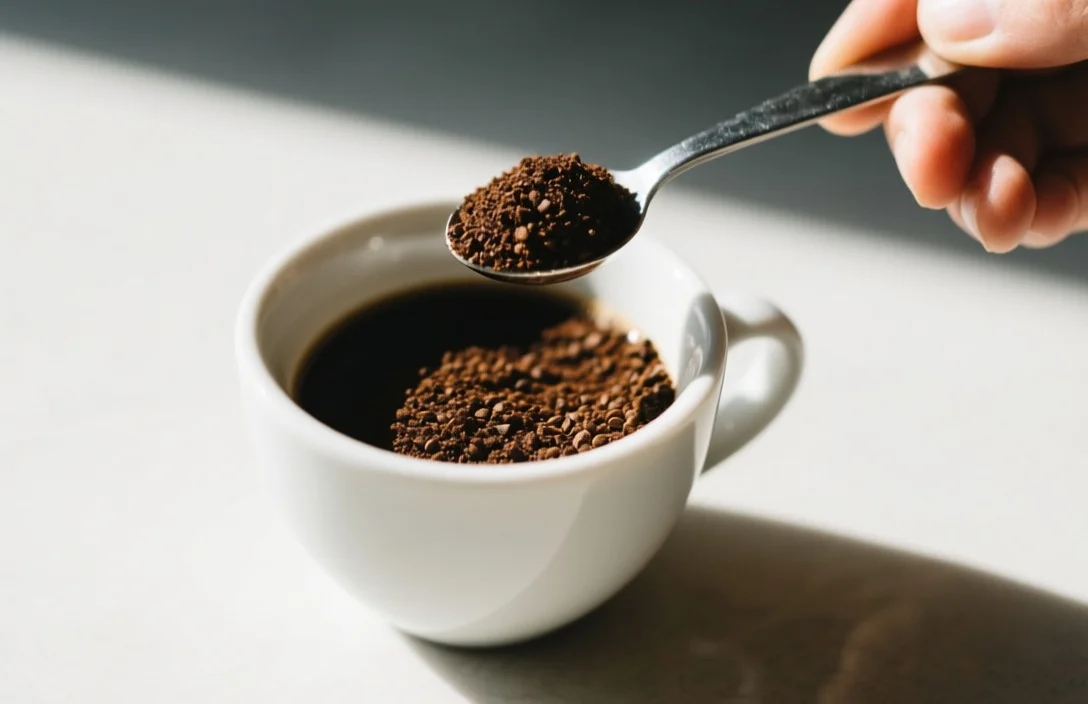
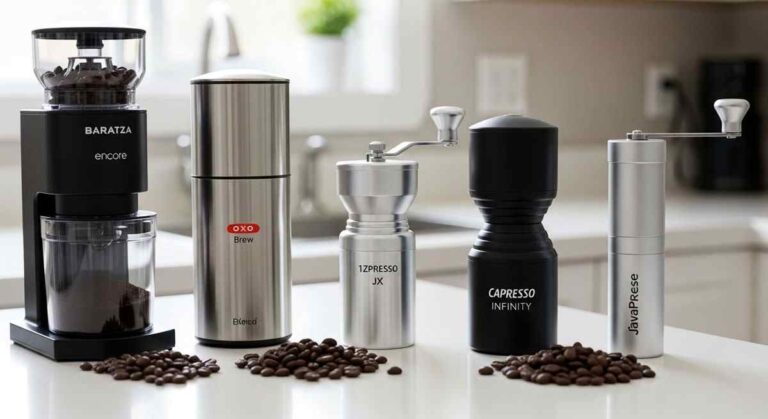
Grind size dictates how much surface area of the coffee bean is exposed to water during the brewing process. A fine grind, like that used for espresso, exposes more surface area and extracts flavor rapidly. A coarse grind, like that used for French press, requires more time for the water to penetrate the larger particles.
When you use the same measurement of coffee but change the grind size, you effectively change the strength of the final cup. Finer grinds can result in a bitter, over-extracted flavor if the water stays in contact with the coffee for too long. If you switch to a coarser grind, you might need to increase your teaspoon count slightly because the coffee will be less dense and extract more slowly.
Adjusting Measurements for Different Brewing Methods
Different brewers require different coffee-to-water contact times, which necessitates adjustments to your baseline measurements. A drip coffee maker works best with a medium grind and the standard 6-teaspoon ratio. However, a French press, which involves immersion brewing, often performs better with a slightly higher ratio of grounds to account for the longer steep time.
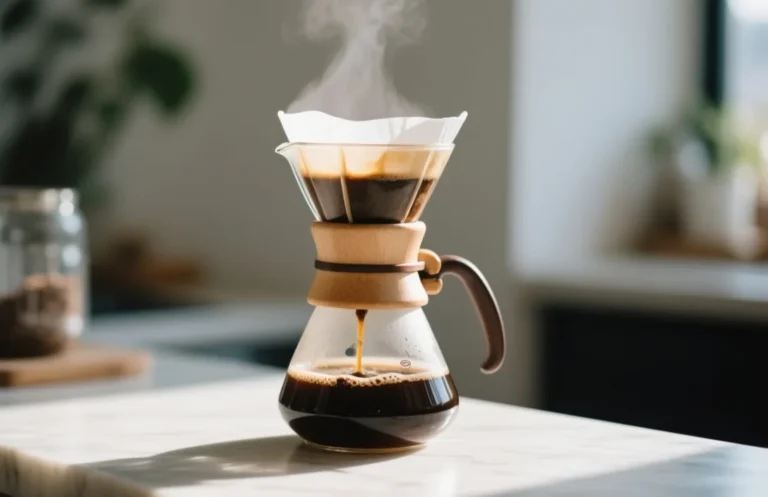
Pour-over methods offer the most control, allowing you to fine-tune your measurements based on the flow rate of your filter. If your coffee is draining too slowly, the grounds might be packed too tightly, leading to bitterness. In this case, you should use slightly fewer teaspoons or adjust your grind to be more uniform to ensure an even extraction.
Measuring Coffee Beans Versus Pre-Ground Coffee
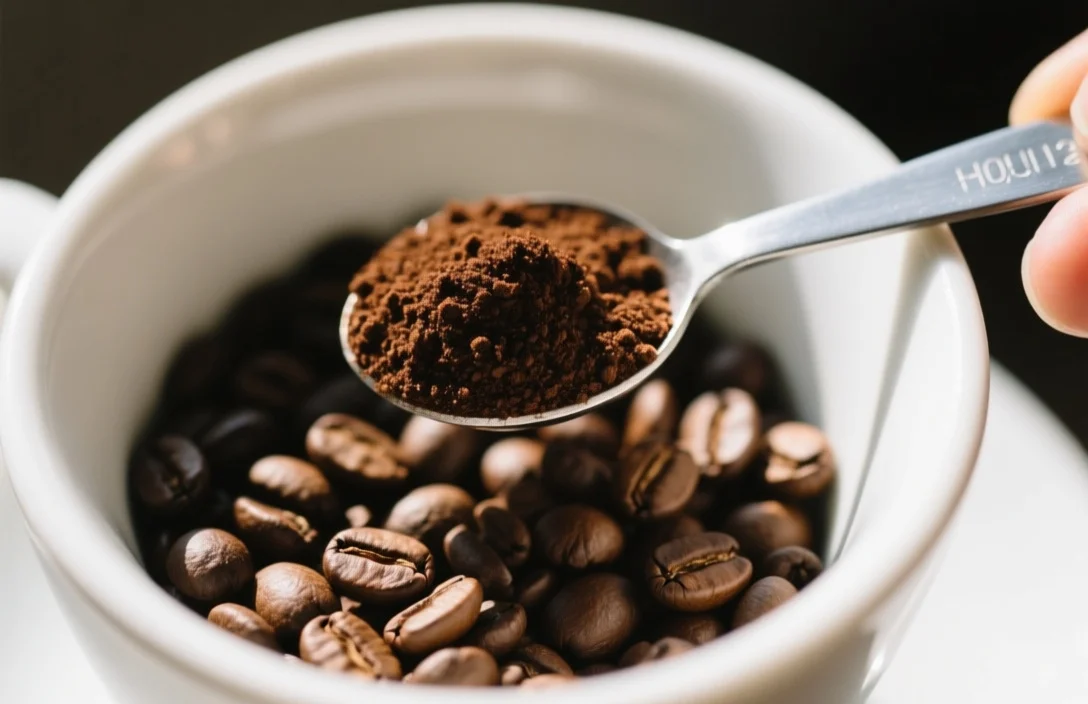
Measuring whole beans by volume is notoriously inaccurate because different roast levels and bean densities result in varying weights. A scoop of light roast beans may weigh significantly less than the same scoop of dark roast beans. If you have a kitchen scale, weighing your coffee is the only way to guarantee the exact same strength every single morning.
If you must use a spoon, always aim for level measures rather than heaping ones. Pre-ground coffee is more uniform in density than whole beans, making it easier to get a consistent result with a measuring spoon. When measuring whole beans, you are essentially estimating the final weight, so expect slight variations in strength compared to using pre-ground coffee.
Impact of Roast Level on Coffee Volume
Dark roasts are less dense than light roasts because the longer roasting process removes more moisture and expands the bean’s structure. If you measure by volume, such as using teaspoons, a dark roast will fill a spoon with less actual coffee matter than a light roast. This means your cup of dark roast coffee might taste lighter or more watery if you use the exact same number of teaspoons as you would for a light roast.
To compensate for this, you may need to add an extra half-teaspoon of dark roast grounds to reach the same level of intensity as a light roast. Pay attention to how your specific coffee brand feels in the spoon. If the beans or grounds look particularly airy or large, lean toward the higher end of your measurement range to ensure you are getting enough flavor.
Standard Coffee Scoop Versus Teaspoon Conversions
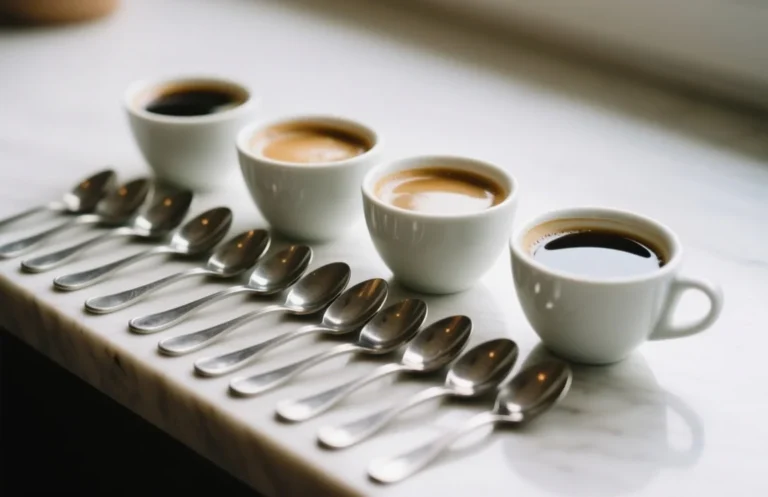
Most coffee makers come with a plastic scoop that is designed to hold exactly 2 tablespoons, or 6 teaspoons, of ground coffee. These scoops are convenient, but they are not always standardized across different manufacturers. Using a kitchen measuring spoon is a more reliable way to ensure you are actually adding the amount of coffee you intend to use.
If you rely on a branded scoop, take a moment to test its capacity against a standard measuring tablespoon. Fill the scoop and level it off, then pour it into a measuring spoon to see if it truly holds 2 tablespoons. If it holds more or less, adjust your counting accordingly so you are not accidentally over-dosing or under-dosing your brew.
FAQ
Does the water temperature affect how much coffee I need?
Water temperature does not change the amount of coffee you should use, but it affects extraction. Aim for 195 to 205 degrees Fahrenheit for best results. If your water is too cool, the coffee will taste sour regardless of how many teaspoons you use, as the water cannot pull enough flavor from the grounds.
Can I reuse coffee grounds for a second cup?
You should not reuse coffee grounds because the majority of the desirable flavor oils are extracted during the first brew. Reusing grounds will result in a weak, bitter, and astringent cup that lacks the complexity of fresh coffee. Always use fresh grounds for every single brewing cycle to maintain quality.
What happens if I use too many teaspoons of coffee?
Using too many teaspoons leads to over-extraction, which makes the coffee taste harsh, bitter, and dry. This happens because the water becomes saturated with dissolved solids and starts pulling bitter compounds from the grounds that are usually left behind. If your coffee leaves a sharp, unpleasant aftertaste, try reducing your dosage by one teaspoon next time.
Is there a difference between a “cup” and a “mug”?
Yes, in the coffee industry, a cup is often defined as 5 or 6 fluid ounces, while a standard kitchen mug usually holds 8 to 12 ounces. Always check your coffee maker’s manual to see how it defines a cup, as this determines how many teaspoons you need to add to the filter basket.
How do I keep my coffee from tasting bitter?
Bitterness is usually caused by using too much coffee, using water that is too hot, or using a grind that is too fine. Start by leveling your teaspoons to ensure consistency and check that your grind is appropriate for your brewer. If the bitterness persists, try a slightly coarser grind to slow down the extraction process.
Getting your coffee measurements right is a simple habit that transforms your daily cup from a hit-or-miss experience into something consistent and enjoyable. Start with the 6-teaspoon baseline for a 6-ounce cup, and do not hesitate to adjust your measurements by a half-teaspoon at a time until you find the exact strength that suits your personal taste.