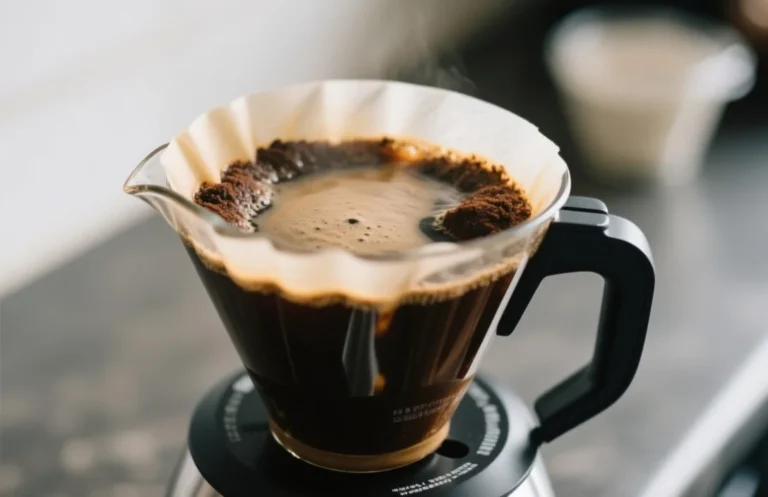

How Many Teaspoons Coffee Per Cup: Exact Ratios & Fixes
Finding the right ratio of coffee to water transforms your morning routine from a guessing game into a reliable ritual. While personal taste varies, the foundation for a balanced cup of coffee starts with a standard measurement that prevents wasted beans and flavorless results. By mastering the basic math of your brew, you gain control over the strength and body of every pot you make at home.
Two level tablespoons of ground coffee for every six ounces of water is the gold standard for a balanced cup. If you prefer using teaspoons, this translates to exactly six level teaspoons per six-ounce cup of water. This ratio provides a medium-strength extraction that highlights the profile of your beans without becoming overly thin or intensely bitter.
Key Takeaways
- Standard strength ratio. Use six level teaspoons of ground coffee for every six ounces of water to achieve a balanced brew.
- Adjust for taste. Increase or decrease your coffee grounds by one teaspoon per cup if the flavor is too bold or weak.
- Measure by weight. Using a digital scale to measure 10 grams of coffee per six ounces of water offers the highest level of consistency.
- Drip machine capacity. Check your specific coffee maker’s reservoir, as many machines define a “cup” as five ounces rather than the standard six.
- Grind size matters. Finer grinds require slightly less coffee volume than coarse grinds because they pack more densely into your measuring spoon.
- Consistency is key. Use the same scoop every time to ensure your morning coffee tastes the same from Monday through Friday.
How Many Teaspoons Coffee Per Cup For Standard Strength
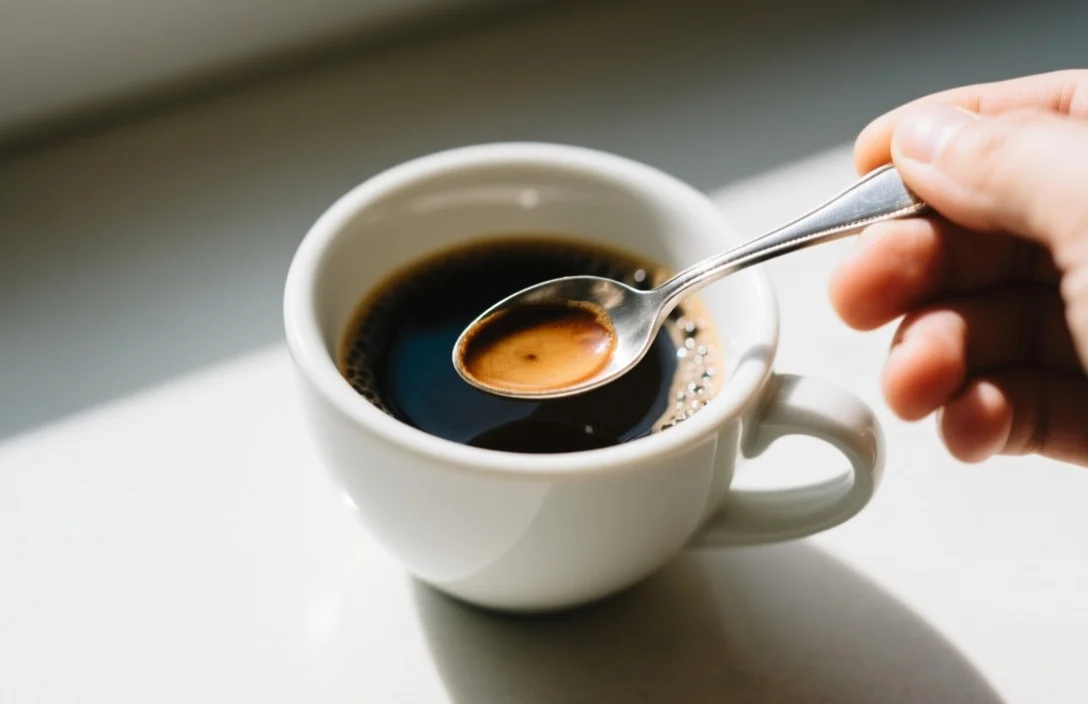
The standard starting point for a quality cup of coffee is a ratio of one to two. Specifically, you should aim for two level tablespoons, or six level teaspoons, of ground coffee for every six ounces of water. This ratio is widely accepted because it balances the natural acidity and oils of the coffee with enough water to fully extract the desired flavors.
Most household coffee mugs hold between eight and twelve ounces, which often leads to confusion when following standard brewing guidelines. If your favorite mug holds ten ounces, you must adjust your math accordingly to maintain that standard strength. Simply calculate your total water volume in six-ounce increments and apply the six-teaspoon rule to each unit.
For example, if you are filling a twelve-ounce mug, you need to use twelve teaspoons of coffee. This ensures that the water-to-coffee contact time results in a cup that is neither watery nor overly concentrated. Consistency here is the most important factor in developing a palate for high-quality coffee.
Adjusting Coffee Teaspoons for Mild or Bold Brews
Refining your coffee strength allows you to tailor the final product to your personal preference without changing your brewing equipment. If you find your standard brew is too intense or bitter, start by reducing your ratio by one teaspoon per cup. Conversely, if you prefer a punchy, high-caffeine start to your day, add an extra teaspoon to reach a bolder profile.
Small adjustments make a significant difference in the final cup because coffee extraction is a chemical process influenced by the ratio of solvent to solute. Reducing the coffee by one teaspoon per cup results in a cleaner, lighter body that often highlights floral or acidic notes. Adding an extra teaspoon increases the body and mouthfeel, which works well for dark roasts or coffee intended for use with milk and sweeteners.
| Strength Preference | Teaspoons per 6oz Water | Flavor Profile |
|---|---|---|
| Mild | 5 teaspoons | Light body, acidic, bright |
| Standard | 6 teaspoons | Balanced, smooth, classic |
| Bold | 7 teaspoons | Heavy body, intense, rich |
Teaspoon Ratios for Automatic Drip Coffee Makers
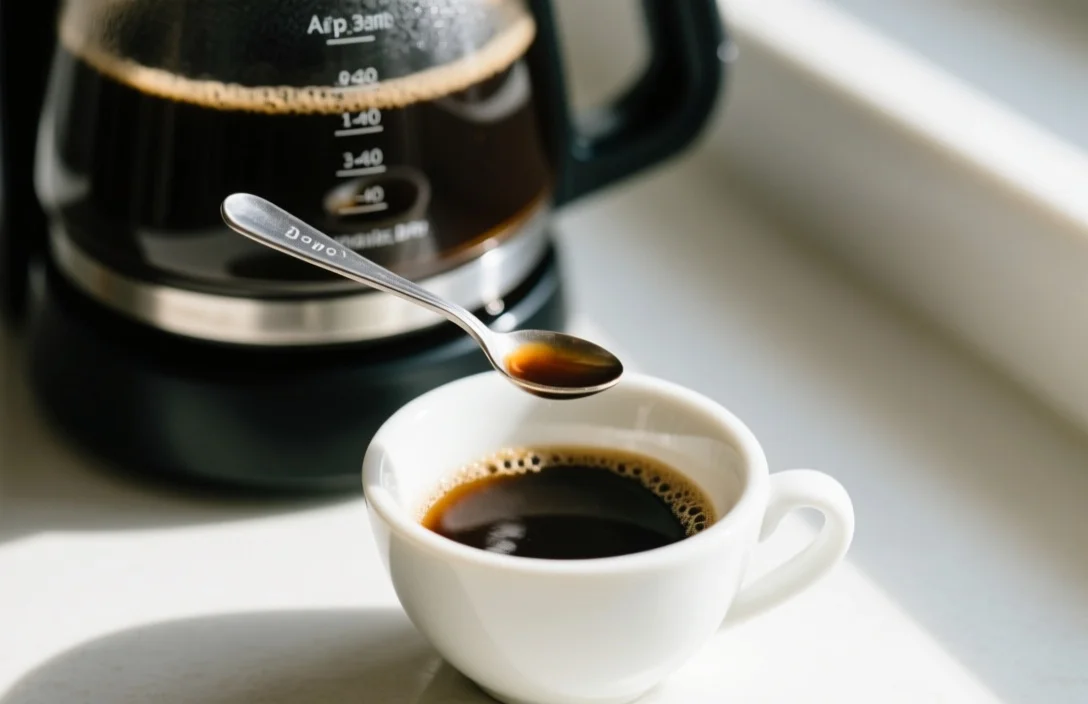
Automatic drip machines often use a non-standard measurement for their internal cup markings. Many manufacturers define a single “cup” as five ounces rather than the traditional six-ounce kitchen standard. Before you brew your first pot of the day, check the markings on your carafe to see if they reflect actual fluid ounces or the manufacturer’s abbreviated cup size.
If your machine uses five-ounce cup markings, you should adjust your measurement to five teaspoons per mark for a standard brew. Using the six-teaspoon rule in a machine that only outputs five ounces of water will result in a much stronger, potentially over-extracted cup of coffee. You should also consider the surface area of your filter basket, as larger baskets require a more even distribution of grounds to ensure the water passes through the coffee uniformly.
When brewing a full carafe, the math becomes even more important. If you are filling a twelve-cup carafe where each cup is five ounces, you are brewing sixty ounces of water total. In this scenario, using sixty teaspoons of coffee will result in a very strong pot, while fifty teaspoons will provide a more approachable, standard strength.
Measuring Coffee Teaspoons for French Press and Pour Over
French press and pour-over methods require more precision because the brewing process is manual and highly sensitive to grind size. For a French press, which uses a coarse grind, you should stick to the standard six-teaspoon ratio but allow for a slightly longer steep time. Because coarse grounds have less surface area, they extract more slowly than the finer grounds used in drip machines.
Pour-over brewing benefits from an even higher level of attention to detail regarding the bloom phase. Start with the standard six teaspoons per six ounces of water, but ensure your grounds are evenly saturated during the first thirty seconds of pouring. If the water flows through the coffee too quickly, you may need to adjust your grind slightly finer or use a more restrictive filter to maintain the desired strength.
In practice, these manual methods are more forgiving than drip machines because you can stop the extraction process exactly when the flavor hits your target. If you notice your pour-over tastes thin, do not hesitate to increase your dose to seven teaspoons for your next attempt. Manual brewing is a trial-and-error process that relies on your ability to adjust the ratio based on the specific roast profile of your beans.
Converting Coffee Teaspoons to Tablespoons and Grams
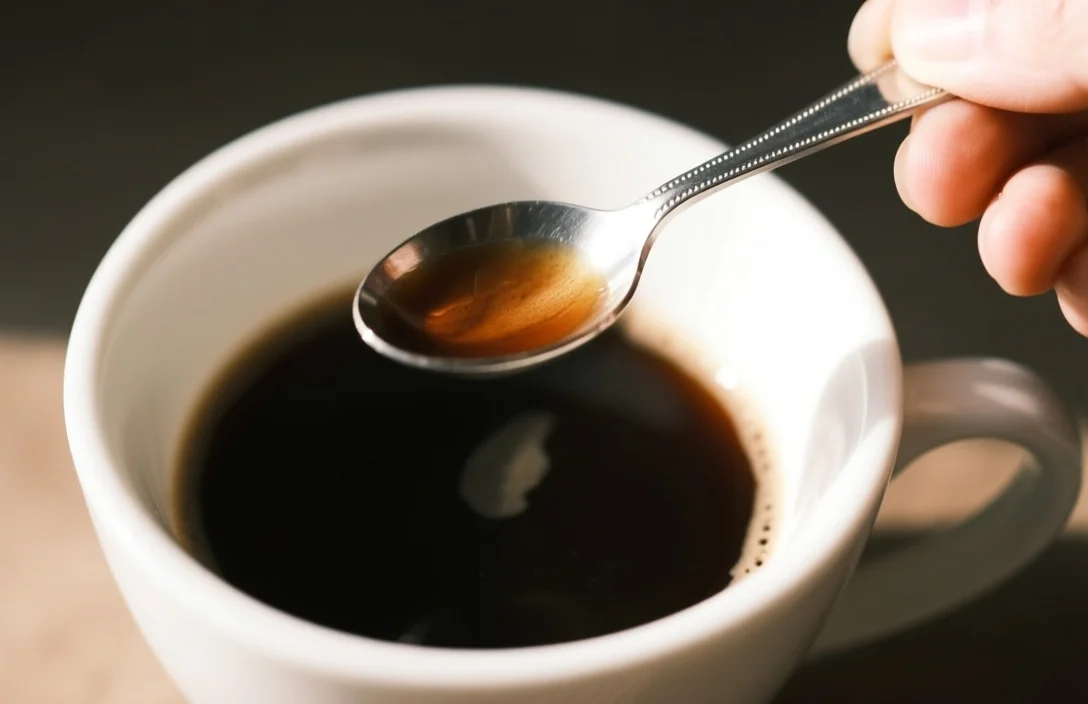
Converting your measurements from teaspoons to tablespoons or weight-based units is the fastest way to improve your brewing consistency. One tablespoon is equal to three teaspoons, meaning the standard six-teaspoon ratio simplifies down to two tablespoons per six ounces of water. Using larger measuring tools reduces the room for error, as it is easier to level off one large tablespoon than three smaller teaspoons.
Weight is the only truly accurate way to measure coffee because the volume of grounds changes based on the roast level and the grind size. A dark roast bean is less dense than a light roast bean, meaning a scoop of dark roast will weigh less than a scoop of light roast. Professional standards suggest using approximately 10 grams of coffee for every six ounces of water.
| Measurement Unit | Amount per 6oz Cup |
|---|---|
| Teaspoons | 6 teaspoons |
| Tablespoons | 2 tablespoons |
| Weight (Grams) | 10 grams |
Fixing Coffee That Tastes Too Bitter or Weak
Bitter coffee is usually the result of over-extraction, which happens when the water is too hot, the grind is too fine, or you have used too many coffee grounds. If your cup leaves a sharp, unpleasant sensation on the back of your tongue, try reducing your ratio to five teaspoons per cup or coarsening your grind size. These changes decrease the surface area of the coffee being exposed to the water, which limits the extraction of bitter compounds.
Weak coffee is typically caused by under-extraction, where the water passes through the grounds without pulling out enough flavor. If your coffee lacks body and tastes like hot, flavored water, increase your ratio to seven teaspoons per cup or use a finer grind to increase the extraction rate. Ensure your water temperature is between 195 and 205 degrees Fahrenheit, as water that is too cool will fail to dissolve the necessary oils and solids from the grounds.
For example, if you are using a light roast, you may find it tastes naturally sour or weak if you use the standard ratio. Light roasts are harder to extract than dark roasts, so you might need to use slightly more coffee or hotter water to get a balanced flavor. Adjust one variable at a time so you can clearly identify which change corrected the issue.
Bottom line
Achieving the perfect cup of coffee starts with the basic ratio of six teaspoons of coffee for every six ounces of water. This provides a balanced baseline that you can adjust based on your preference for mild or bold flavors. Understanding how your specific brewing equipment defines a cup is essential, as machines often use non-standard sizes that can lead to inconsistent results.
Manual brewing methods like French press and pour-over offer more control but require careful attention to grind size and water temperature. Converting your measurements to tablespoons or using a digital scale to measure 10 grams of coffee will significantly increase your consistency. If your brew tastes bitter or weak, adjust your ratio or grind size in small increments until you find the profile that suits your palate.
FAQ
Does the roast level change how many teaspoons of coffee I should use?
Yes, because coffee density varies by roast. Darker roasts are less dense and may require slightly more volume to achieve the same strength as lighter, denser roasts. Using a digital scale to measure 10 grams of coffee per cup is the most reliable way to avoid inconsistencies caused by roast-related volume differences.
How do I measure coffee if I do not have a scale or measuring spoon?
You can use a standard kitchen tablespoon, which is equivalent to three teaspoons. If you are completely without tools, aim for a visual ratio where your ground coffee fills roughly one-third of the space in your mug before you add the water, though this is significantly less precise than using proper measuring tools.
Why does my coffee taste bitter even when I use the right amount?
Bitterness often points to over-extraction, which can be caused by using water that is too hot or a grind size that is too fine. Try lowering your water temperature to just below boiling or using a slightly coarser grind to see if the flavor profile improves without needing to change your coffee-to-water ratio.
Can I leave coffee grounds in the water for too long?
Leaving grounds in water for an extended period leads to over-extraction, which pulls out bitter tannins that ruin the flavor. For French press or drip methods, ensure you remove the grounds or pour the brewed coffee into a serving carafe as soon as the brewing cycle finishes to maintain a clean, balanced taste.
Is there a difference between a “coffee scoop” and a tablespoon?
Many branded coffee scoops are designed to hold exactly two tablespoons, which is the standard amount for one six-ounce cup. Always verify the capacity of your specific scoop by filling it with water and pouring it into a measuring cup, as some novelty scoops vary wildly in size and can lead to weak or overly strong brews.