How Many Tbsp Of Coffee For 8 Cups Of Water Explained Simply
Brewing the perfect pot of coffee requires balancing the ratio of grounds to water to ensure the flavor profile hits exactly where you want it. Most coffee enthusiasts agree that a standard starting point provides the best baseline for experimentation. Understanding how to measure your coffee correctly removes the guesswork from your morning routine and ensures that your carafe tastes consistent every single day.
For a standard pot of coffee, use 8 to 12 tablespoons of medium-grind coffee for 8 cups of water. If you prefer a milder cup, start at the lower end of that range, while those who enjoy a bold, punchy flavor should lean toward 12 tablespoons. This ratio assumes a standard 6-ounce coffee maker cup.
Key Takeaways
- Standard starting ratio. Use 10 tablespoons of coffee for 8 cups of water as your baseline.
- Adjust for strength. Increase to 12 tablespoons for a stronger brew or decrease to 8 for a lighter profile.
- Measure by weight. Using 50 to 60 grams of coffee provides significantly more consistency than measuring by volume.
- Grind matters. Finer grinds extract flavor faster, which can make a brew taste bitter if the contact time is too long.
- Water cup size. Coffee makers often define a cup as 6 ounces rather than the standard 8-ounce liquid measurement.
- Consistency is king. Use a consistent scoop or scale to ensure your daily cup tastes identical to the last one.
How Many Tbsp of Coffee for 8 Cups of Water
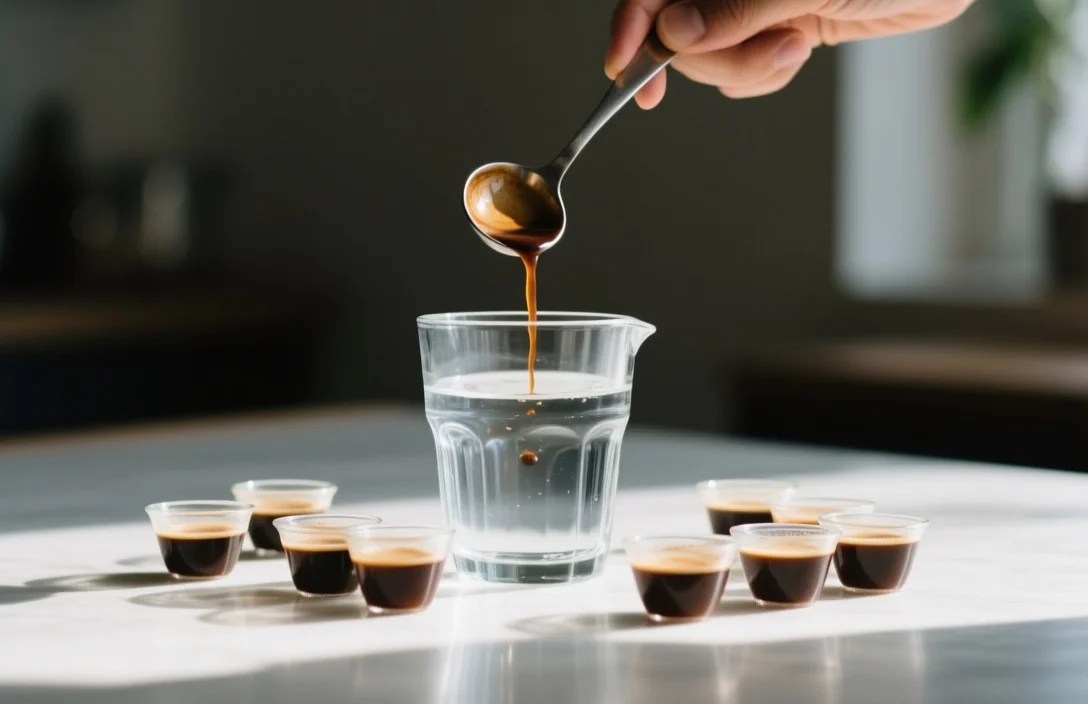
Determining the right amount of coffee begins with the Golden Ratio, which suggests using 1 to 2 tablespoons of ground coffee for every 6 ounces of water. Since most home drip machines treat a cup as 6 ounces, an 8-cup carafe actually holds about 48 ounces of water. Multiplying your ratio by 8 gives you a target range of 8 to 16 tablespoons.
In practice, 10 tablespoons is the sweet spot for most coffee drinkers. This amount balances the acidity and body of the coffee without becoming overly bitter or watery. If you find your coffee is too weak at this ratio, increase the amount by one tablespoon at a time until you reach your preferred intensity.
Adjusting Coffee Amounts for Weak or Strong Brews
Personal preference dictates the final strength of your coffee, and you should never feel beholden to a single recipe. A light, tea-like brew often benefits from a lower ratio, while a heavy, dark roast benefits from a higher concentration of grounds. Adjusting the amount of coffee is the most direct way to change the intensity of your beverage.
For a stronger brew, aim for 12 to 14 tablespoons per 8 cups of water. This higher concentration allows more oils and solids to extract, resulting in a more robust flavor profile. If you find the coffee becomes too bitter or astringent at this level, use a slightly coarser grind to slow down the extraction process.
For a milder brew, stick to 8 or 9 tablespoons. This lower ratio is ideal if you are using a light or medium roast that has delicate floral or fruity notes you do not want to overpower. A lighter ratio also helps prevent the coffee from tasting burnt if it sits on a hot plate for an extended period.
Standard Measuring Cups vs Coffee Maker Cups
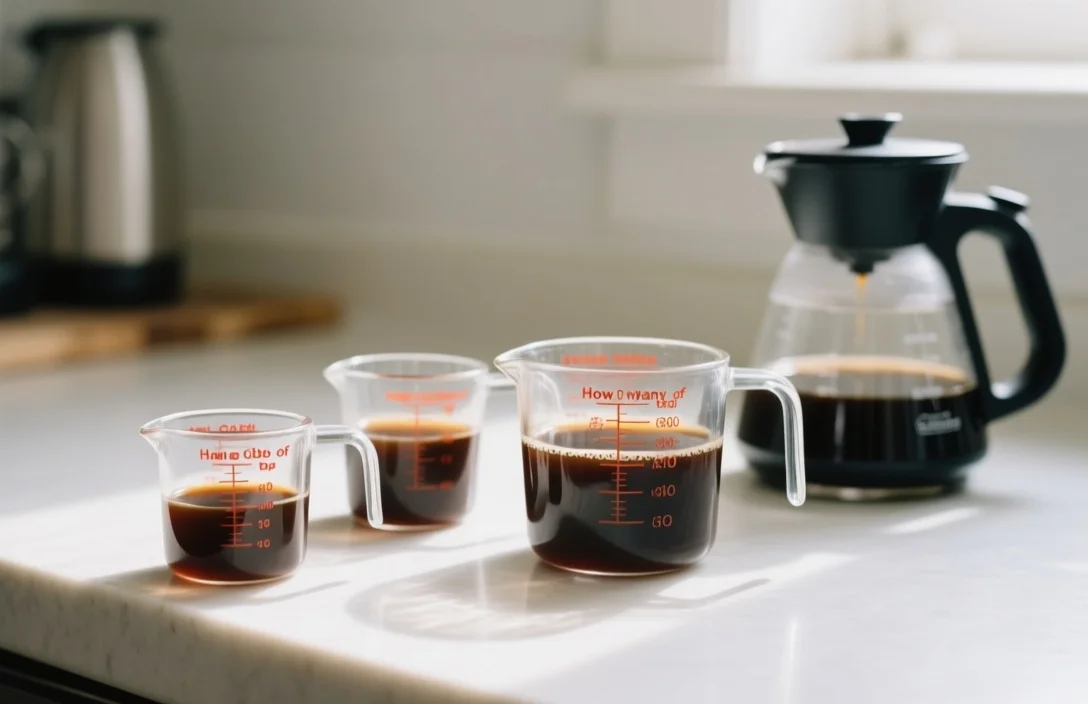
Confusion often arises because the cups marked on a coffee maker are not standard 8-ounce measuring cups. Most manufacturers calibrate their machines to a 6-ounce cup, which means an 8-cup machine only holds 48 ounces of water. If you use a standard 8-ounce measuring cup to fill the reservoir, you will likely overflow the machine or run out of water before the cycle completes.
Always check your specific machine manual to see how it defines a cup. If you find it difficult to track, simply use a standard 8-ounce measuring cup to fill the reservoir and ignore the markings on the carafe. Once you know exactly how many ounces your machine holds, you can apply the Golden Ratio consistently regardless of the markings.
Comparing Coffee Tablespoons to Grams for Accuracy
Measuring by weight is the only way to achieve professional-level consistency in your home kitchen. A tablespoon of coffee can vary in weight depending on the roast, the bean density, and how much the grounds are packed into the spoon. One tablespoon typically weighs between 5 and 7 grams, which introduces a potential 20 percent margin of error.
Using a digital kitchen scale removes this variability entirely. For 8 cups of water (48 ounces), a target of 50 to 60 grams of coffee is the industry standard for a balanced brew.
| Measurement Method | Amount for 8 Cups (48 oz) | Accuracy Level |
|---|---|---|
| Tablespoons (Light) | 8 Tbsp | Low |
| Tablespoons (Standard) | 10 Tbsp | Moderate |
| Tablespoons (Strong) | 12 Tbsp | Moderate |
| Grams (Standard) | 55 Grams | High |
How Grind Size Affects the Final Taste
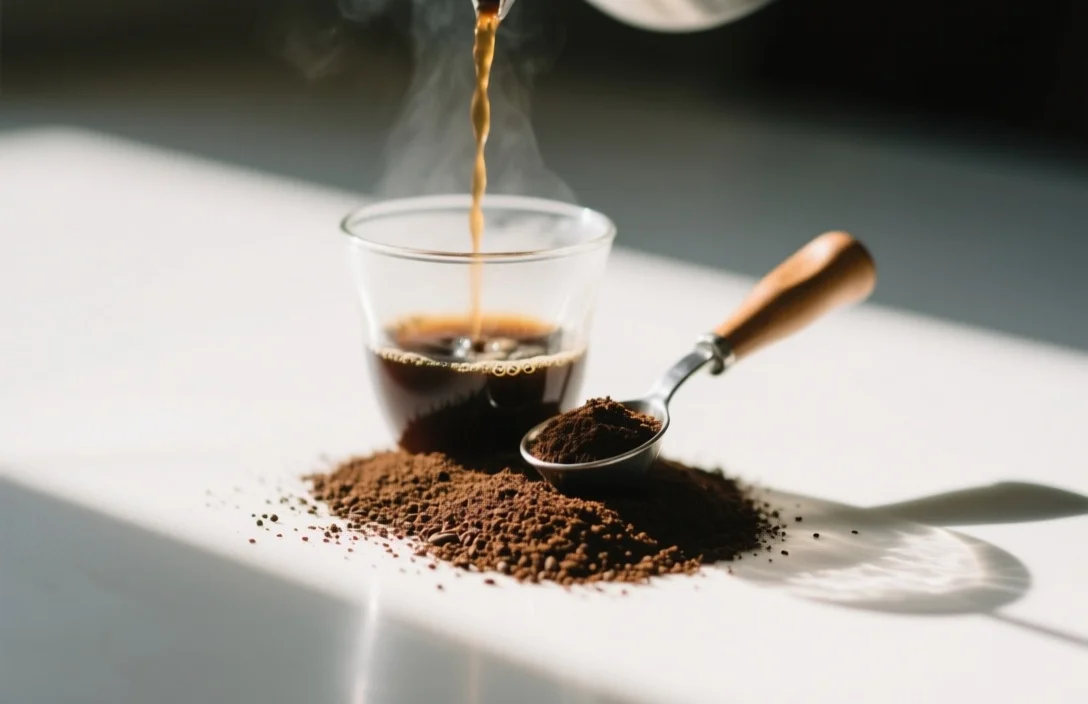
Grind size changes the surface area of the coffee, which dictates how quickly water can extract flavor from the beans. A fine grind has more surface area and extracts quickly, while a coarse grind has less surface area and extracts more slowly. If you use a fine grind in a drip machine designed for a medium grind, the coffee will likely taste over-extracted and bitter.
For standard drip machines, a medium grind that resembles the texture of sea salt works best. If you are using a French Press, you should use a coarse, chunky grind to prevent fine particles from passing through the metal mesh filter. If your coffee tastes sour, your grind is likely too coarse; if it tastes bitter, your grind is likely too fine.
Coffee Ratios for Drip Machines and French Press
Different brewing methods require different ratios because the contact time between water and coffee varies significantly. Drip machines rely on gravity to pass water through the grounds, which is a relatively fast process. French Press brewing involves steeping the grounds in water for several minutes, which requires a slightly different approach to avoid over-extraction.
For a French Press, a ratio of 1:15 is common, meaning 1 gram of coffee for every 15 grams of water. For an 8-cup French Press, this translates to roughly 90 grams of coffee. Because you are steeping the grounds for 4 minutes, the coarse grind is essential to keep the flavor balanced and prevent the silt from turning the cup muddy.
Drip machines are more forgiving of the medium grind but less forgiving of temperature fluctuations. Since the water moves through the grounds quickly, using 10 tablespoons of coffee provides enough density to ensure the water picks up sufficient flavor. Always ensure your machine reaches the ideal brewing temperature of 195 to 205 degrees Fahrenheit for the best results.
FAQ
Does the roast of the coffee change how many tablespoons I should use?
Yes, darker roasts are less dense than lighter roasts. You may find that dark roast beans occupy more space in your tablespoon, meaning you get fewer grounds by weight. If you switch from a light to a dark roast, you might need to use slightly more coffee by volume to achieve the same strength.
Can I reuse coffee grounds for a second pot?
No, reusing coffee grounds is not recommended. The first brewing cycle extracts the majority of the soluble oils and flavor compounds from the beans. A second brew using the same grounds will result in a weak, watery, and often metallic-tasting cup of coffee that lacks the character of fresh grounds.
What is the most common mistake when measuring coffee?
The most common mistake is relying on the scoop that came with your coffee maker without verifying its size. Many of these scoops are not exact tablespoons. Always measure your scoop against a standard tablespoon to see if it is actually 15 milliliters before you commit to using it for every brew.
How does water quality affect the flavor of my coffee?
Coffee is roughly 98 percent water, so the quality of your tap water directly impacts the final taste. If your water has a high mineral content or a strong chlorine smell, it will mask the delicate notes of your coffee beans. Using filtered or bottled water often results in a cleaner, more vibrant cup.
How long should I keep ground coffee before it loses flavor?
Ground coffee begins to oxidize and lose its aromatic oils within 15 to 30 minutes of being ground. For the absolute best flavor, grind your beans immediately before brewing. If you must use pre-ground coffee, store it in an airtight, opaque container in a cool, dark place to extend its freshness for up to two weeks.
Finding your ideal coffee ratio is an exercise in small adjustments. Start with 10 tablespoons for your 8-cup pot, taste the result, and tweak the amount by one tablespoon until you find your perfect cup.