How Many Scoops For A 12 Cup Coffee Pot: Exact Ratios
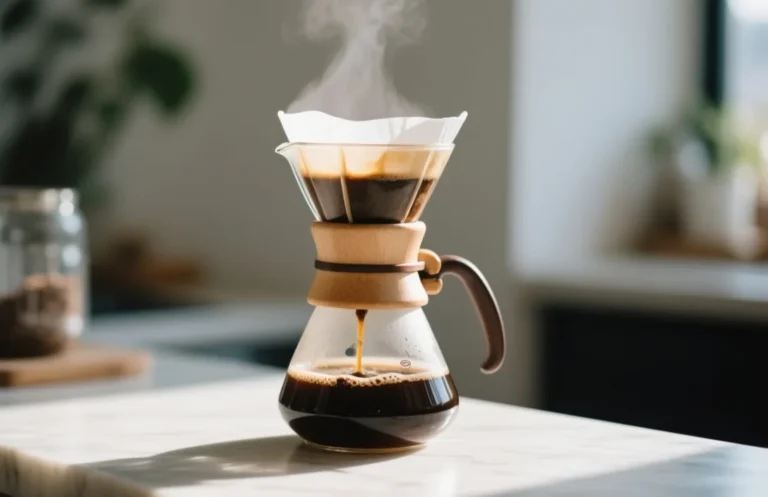
Brewing a full pot of coffee is a daily ritual for millions, yet the math behind the perfect cup often causes confusion. Whether you use a standard plastic scoop or a tablespoon, finding the right balance of grounds to water is the primary factor in avoiding weak or bitter coffee. Getting this ratio correct ensures you extract the full flavor profile of your beans without wasting product or ending up with a watery mug.
For a standard 12 cup coffee pot, use between 12 and 24 tablespoons of ground coffee depending on your desired strength. Because a standard coffee pot “cup” is typically 5 ounces rather than a full 8-ounce measurement, a safe starting point is 12 to 14 level tablespoons for a mild brew, moving up to 20 or more for a bold, strong cup.
Key Takeaways
- Standard ratio guideline. Use one to two tablespoons of coffee grounds for every 5-ounce cup of water.
- Total volume math. A full 12 cup carafe typically requires 12 to 24 tablespoons of coffee total.
- Scoop size consistency. Most plastic coffee scoops hold exactly 2 tablespoons, simplifying the measurement process significantly.
- Strength adjustment. Increase or decrease the amount of grounds by one tablespoon per cup to fine-tune the intensity.
- Water volume reality. Remember that a 12 cup coffee maker usually produces 60 ounces of total liquid.
- Scale for precision. Using a digital kitchen scale to measure 60 to 90 grams of coffee provides the most consistent results.
How many scoops for a 12 cup coffee pot using standard ratios
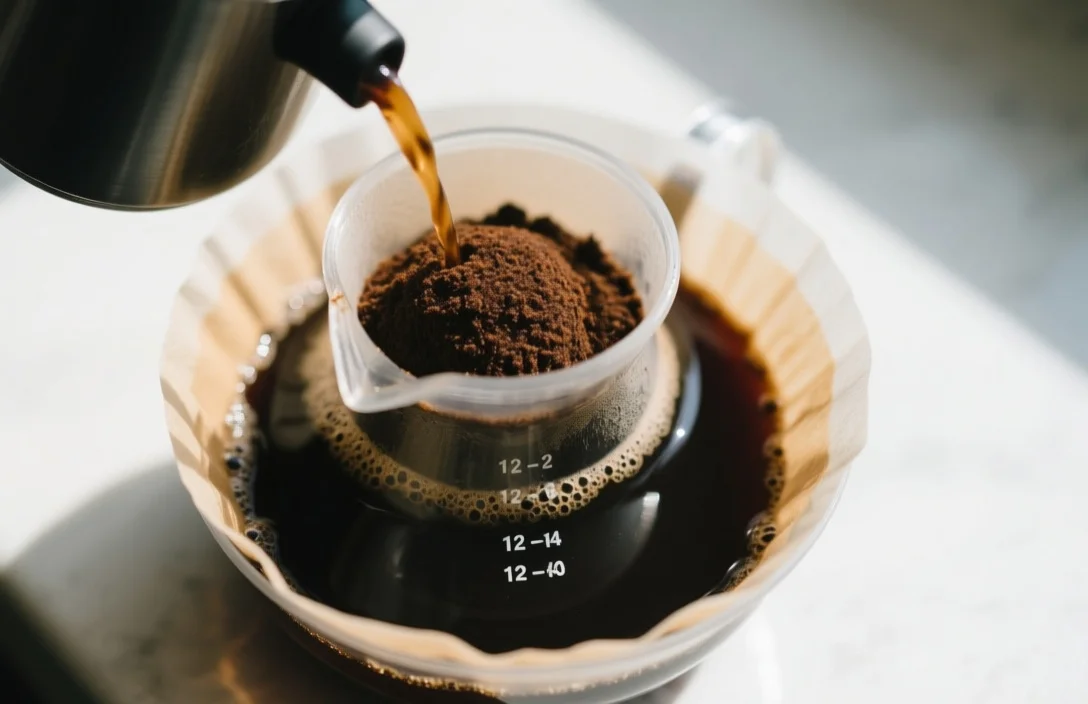
The Golden Ratio of coffee brewing is generally defined as 1 to 2 tablespoons of ground coffee for every 5 to 6 ounces of water. Since the average 12 cup coffee maker uses a 5-ounce cup measurement, a full carafe holds 60 ounces of water. To achieve a balanced, medium-strength pot, you should aim for approximately 12 to 14 tablespoons of coffee grounds.
If you prefer a more robust flavor, you can increase this amount to 18 or even 24 tablespoons for the full pot. It is helpful to treat the coffee scoop as a volume measurement rather than a weight measurement unless you are using a scale. Start with the lower end of the range and adjust based on the roast profile of your beans, as darker roasts often taste stronger even when using fewer grounds.
Measuring coffee grounds based on brew strength preference
Personal preference dictates the final ratio, as coffee strength is highly subjective. A mild, breakfast-style cup benefits from the lower end of the ratio, while a heavy, diner-style brew requires a more aggressive approach to the grounds-to-water balance.
For those who enjoy a lighter cup, use 12 tablespoons of coffee for the full 12 cup capacity. If you prefer a standard, middle-of-the-road strength, 16 tablespoons is the industry-standard sweet spot. For those who enjoy a punchy, strong brew that stands up well to cream and sugar, use 20 to 24 tablespoons per full pot.
| Strength Preference | Tablespoons for 12 Cups | Scoops (assuming 2 tbsp/scoop) |
|---|---|---|
| Mild | 12 tbsp | 6 scoops |
| Medium | 16 tbsp | 8 scoops |
| Strong | 20 tbsp | 10 scoops |
| Extra Bold | 24 tbsp | 12 scoops |
Standard coffee scoop size versus tablespoon measurements
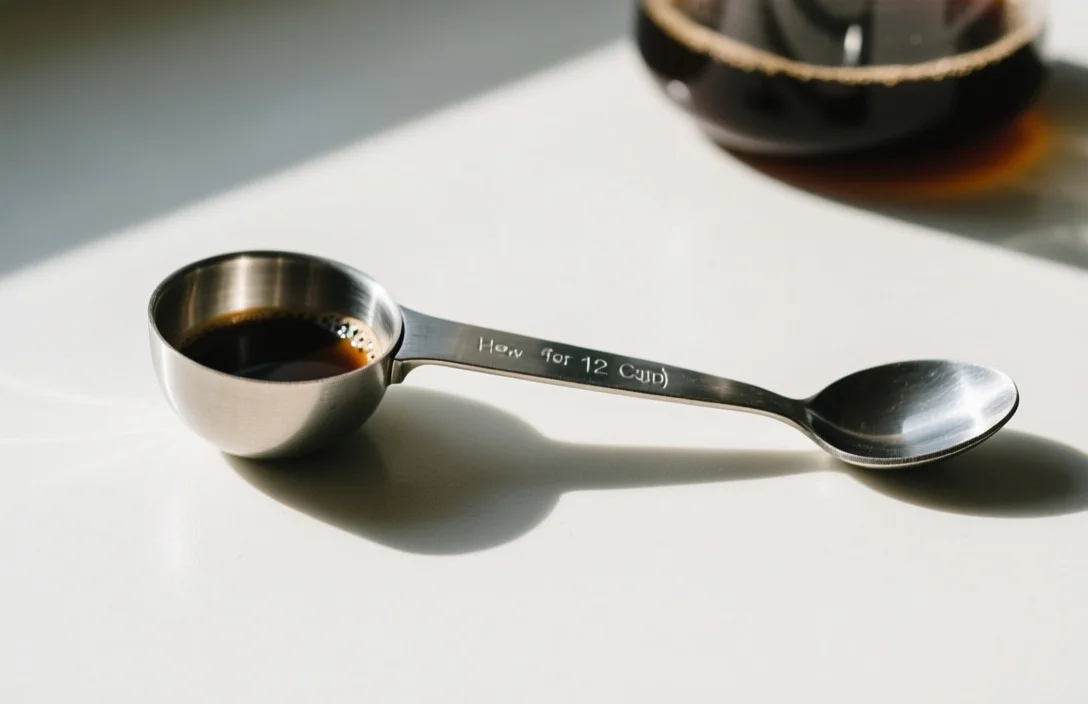
Most plastic scoops provided with coffee makers are designed to hold exactly 2 tablespoons of ground coffee. You can verify this by checking if your scoop holds 10 grams of coffee, which is the standard weight for 2 tablespoons of medium-ground beans. If your scoop is smaller or larger, it will throw off your ratio quickly, leading to inconsistent pots.
To test your scoop, use a standard kitchen measuring spoon to fill it. If the scoop holds more or less than 2 tablespoons, adjust your recipe accordingly. Relying on a consistent physical tool is far more reliable than “eyeballing” the amount, which often leads to the dreaded weak pot of coffee that ruins the start of your morning.
Adjusting grind size for 12 cup coffee pot extraction
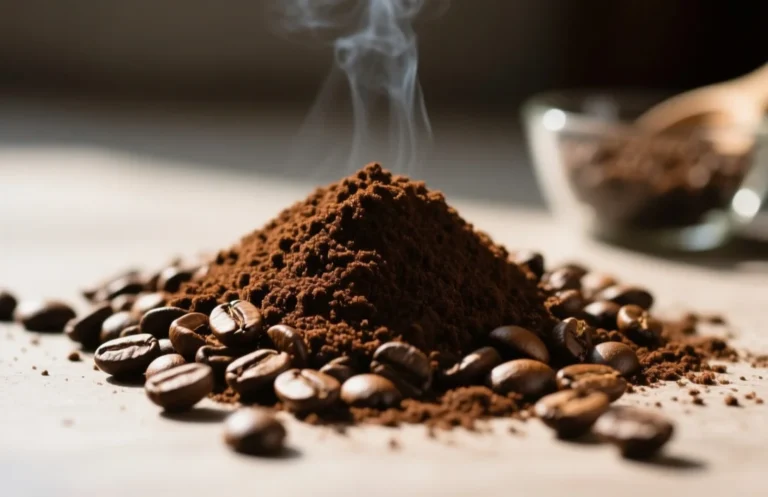
The grind size of your coffee beans significantly impacts how much flavor is extracted during the brew cycle. For a standard drip coffee maker, use a medium grind, which should have the texture of coarse sand or sea salt. If the grind is too fine, the water will struggle to pass through the filter, leading to over-extraction and a bitter, muddy taste.
Conversely, a grind that is too coarse will allow the water to pass through too quickly, resulting in an under-extracted, sour, and weak cup. If you find your coffee is consistently bitter regardless of the amount of grounds used, try moving to a slightly coarser setting on your grinder. Small adjustments to the grind size are often more effective at changing flavor than adding more scoops.
Water to coffee ratios for consistent flavor profiles
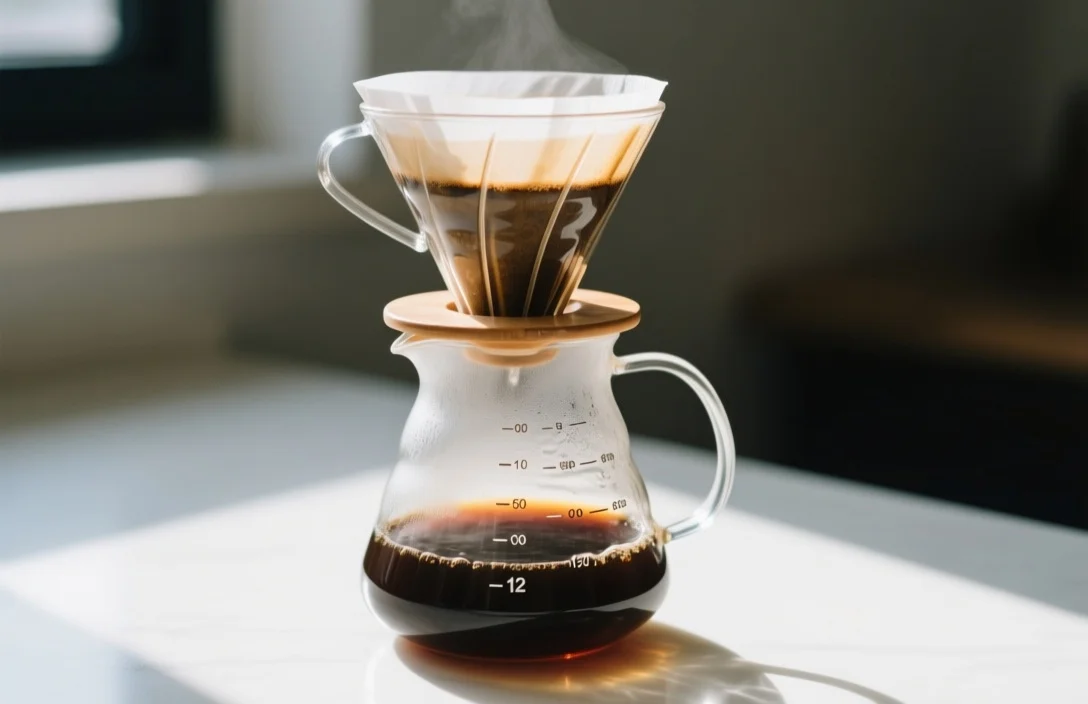
Consistency in coffee brewing relies on the ratio of water mass to coffee mass. While measuring by volume with tablespoons is convenient, the density of different roasts can vary, meaning 2 tablespoons of light roast may weigh less than 2 tablespoons of dark roast. For the most consistent flavor, use a digital scale to measure your coffee in grams.
The specialty coffee community often recommends a ratio of 1:17, meaning 1 gram of coffee for every 17 grams of water. For a 12 cup pot (60 ounces or roughly 1,700 grams of water), this would require 100 grams of coffee. Most home brewers find this ratio slightly too strong, so a 1:18 or 1:20 ratio is often more palatable for standard drip machines.
Impact of filter types on coffee brewing measurements
The type of filter you use influences the body and clarity of your final cup. Paper filters trap more coffee oils and fine sediment, resulting in a cleaner, lighter-bodied cup, which may require slightly more grounds to compensate for the loss of intensity. Metal mesh filters allow these oils to pass through, creating a heavier, more textured mouthfeel that can make the coffee taste stronger.
If you switch from a paper filter to a permanent metal mesh filter, you might notice that the coffee tastes more intense. This often allows you to reduce the number of scoops by one or two per pot while maintaining a satisfying strength. Always ensure your filter is seated correctly in the basket to prevent grounds from bypassing the filter and ending up in the carafe, as this will introduce a bitter, gritty texture to the entire batch.
FAQ
Does the water quality affect the taste of my 12 cup pot?
Yes, water makes up over 98 percent of your coffee, so using filtered water is essential. Chlorine and minerals in tap water can mask the delicate flavor notes of your beans, leading to a flat or chemically-tasting final product.
Can I use the same scoop for light and dark roasts?
You can use the same scoop, but realize that dark roast beans are less dense than light roast beans. Because they are lighter, you might actually need slightly more volume to match the weight of a light roast, though most home brewers find the difference negligible for standard drip pots.
Why does my coffee taste bitter even with fewer scoops?
Bitterness is often a sign of over-extraction, which happens if your grind is too fine or your water is too hot. Try using a slightly coarser grind setting or ensuring your coffee maker is clean, as old oil buildup in the machine can impart a burnt, bitter flavor.
Is it better to measure by volume or weight?
Measuring by weight (grams) is significantly more accurate than volume (scoops or tablespoons). Density varies between beans, but 1 gram of coffee will always be 1 gram, ensuring you achieve the exact same strength every single time you brew.
What should I do if the coffee is too weak?
If the coffee is weak, increase your grounds by one tablespoon per cup and check your grind size. If the grind is too coarse, the water flows through too fast to pick up the necessary flavor, making the coffee taste watery regardless of how many scoops you add.