Why Does Coffee Taste Sour From Drip Maker
Sour coffee from a drip maker usually means the grounds are under-extracted. The water has not pulled enough sweetness and body from the coffee, so the cup tastes sharp, tangy, thin, or watery instead of balanced. The usual causes are a grind that does not suit the machine, water that is too cool, a weak coffee-to-water ratio, uneven flow, stale beans, or a clogged or poorly fitted filter.
Start by checking the water temperature and filter, then use a consistent ratio of about 1:15 to 1:17 coffee to water by weight. If the coffee is still sour, grind slightly finer or use a little more coffee. Make one change at a time so you know which adjustment worked.
Key Takeaways
- Primary cause: Sour drip coffee usually comes from under-extraction caused by grind, ratio, temperature, or flow problems.
- Temperature matters: If the machine does not heat the water properly, the coffee extracts less and tastes sour.
- Filter issues: A wrinkled, clogged, or poorly fitted paper filter can slow or redirect water and create uneven extraction.
- Grind control: Adjust the grind in small steps. A slightly finer grind often reduces sourness, but a large change can make the coffee bitter.
- Recipe accuracy: Use a consistent ratio of around 1:15 to 1:17 coffee to water by weight.
- Freshness counts: Old beans can taste sour, harsh, hollow, or flat, and grind adjustments cannot fully restore lost flavor.
Why Does Coffee Taste Sour From a Drip Maker?
Sourness in drip coffee is usually a brewing problem rather than proof that the beans are bad. When extraction is too low, the water pulls acidity from the grounds before it pulls enough of the sweeter, rounder compounds. The result is a sharp flavor with a thin finish.
Three factors usually determine whether that happens: water temperature and contact time, grind size and particle distribution, and how evenly water moves through the coffee bed. The same beans can taste balanced in one machine and sour in another because drip makers differ in heating, flow rate, basket shape, and brew time.
A grind that is too coarse can let water pass through too quickly. Water that is too cool extracts less from every particle. A weak ratio can make the finished cup taste thin even when extraction is otherwise reasonable. A dirty shower head, old grounds in the basket, or a collapsed filter can make the flow uneven and push the brew toward sourness.
Light roasts naturally emphasize acidity, so they show under-extraction more clearly. A cup that tastes pleasantly bright with a medium roast can taste distinctly sour with a light roast when brewed with the same settings.
The Main Causes of Sour Drip Coffee
Under-extraction is the most common cause. It often produces sharp acidity, watery sweetness, and a thin finish that never becomes rounded.
Water temperature and flow are the next major factors. If the machine is too cool, the grounds do not release enough flavor. If water runs through too quickly, contact time is too short. If the basket or filter is clogged, water may take uneven paths through the grounds and leave some coffee under-extracted.
The coffee-to-water ratio also changes the result. Too much water produces a weak, thin cup that can seem sour even when the grind is close. Too little coffee can have the same effect. A consistent ratio around 1:15 to 1:17 gives you a reliable starting point.
Bean age and roast level matter as well. Stale coffee may taste sour, harsh, hollow, or flat because its aromatic compounds have degraded. Freshness will not correct a machine that brews too cool, but stale beans can make troubleshooting much harder.
How to Fix Sour Coffee From a Drip Maker
Make the easiest, highest-impact adjustments first. Change one variable at a time and taste the result before changing anything else.
- Check the water temperature. Run a plain cycle to warm the machine, then brew with hot water from the reservoir rather than lukewarm water.
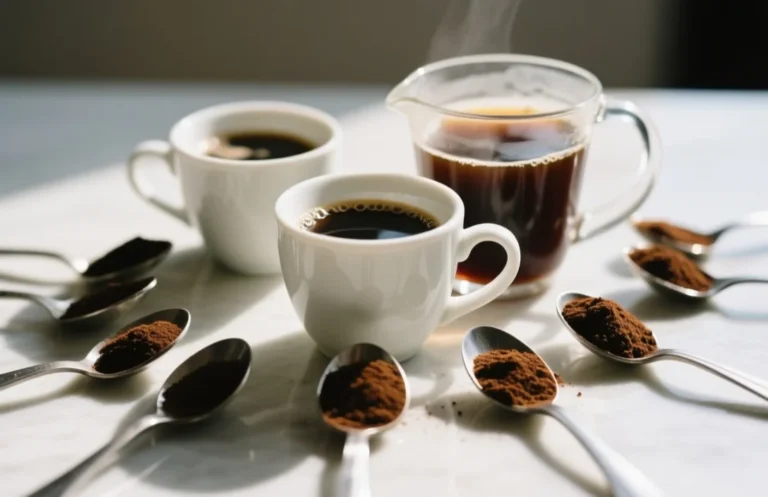
- Use a scale and a consistent ratio. Aim for about 1:15 to 1:17 coffee to water by weight. For example, use 20 g of coffee with 300-340 g of water.
- Grind slightly finer. A sour cup often needs more extraction, and a finer grind slows the water and exposes more surface area. Change by one step rather than making a large adjustment.
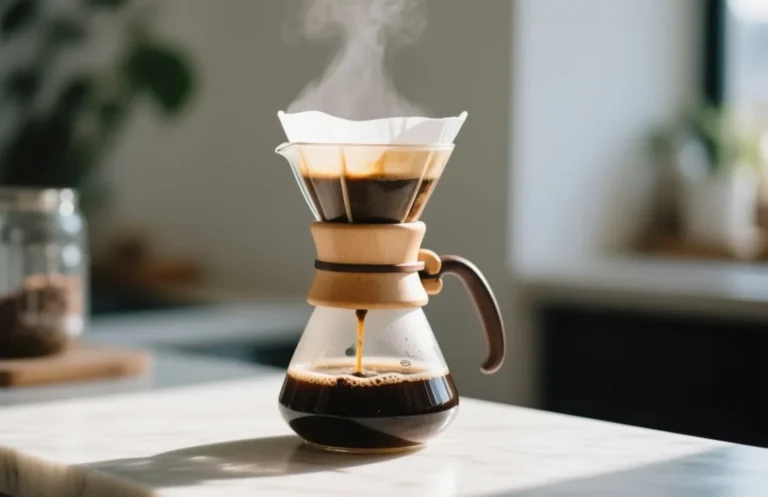
- Check the filter fit. Seat the paper filter flat, remove wrinkles, and use the correct size for the basket. Rinse it first if you notice a paper taste.
- Keep the flow consistent. Make sure the basket is not clogged with fines, and do not press or pack the grounds into the basket.
- Check the beans. If the coffee has been sitting for months or tastes hollow regardless of the recipe, try fresh beans while keeping the same ratio and grind.
Use the flavor and texture together as clues. Sour coffee with a watery or thin body usually indicates under-extraction from a grind that is too coarse, a weak ratio, or water that is too cool. Sour coffee with thick sludge can indicate uneven extraction from channeling, excessive fines, or a filter clog that forces water through unusual paths.
Five Ways to Correct the Brew
Adjust the Grind and Ratio
This is the most common fix. If sourness dominates, try a slightly finer grind or a slightly higher dose. Moving from 1:17 toward 1:15 makes the brew stronger and can give the cup more body.
If the coffee becomes bitter or harsh after the change, reverse it slightly. Grind a little coarser or use a little less coffee. Small adjustments are easier to evaluate than a complete recipe change.
Improve Water Heating and Preheating
Run water through the machine before brewing, especially if it has been sitting cold. Preheating warms the brewing path and helps the first batch match later batches more closely.
If the machine struggles to heat water consistently, the same beans and grind may taste sour every day. Repeated sourness across different coffees points toward temperature or flow rather than the beans alone.
Recheck the Paper Filter
Use the correct paper filter size for the basket and seat it smoothly against the sides. A filter that collapses, wrinkles, or fits poorly can slow drainage or create uneven wetting.
Rinsing the filter can reduce paper flavor if you notice it, but it will not fix sourness caused by a cold brew cycle or an unsuitable grind. Keep the filter type consistent while troubleshooting so it does not become another changing variable.
Clean the Drip Maker
Clean the shower head, filter basket, and other parts that contact water or coffee. Old grounds and coffee oils can obstruct flow and add unwanted flavors.
If you have never cleaned the shower head and basket thoroughly, do that before making several grind changes. A dirty machine can make water distribution unpredictable and disguise the effect of a good recipe.
Reconsider the Beans or Grinder
A new roast level can require a new grind and dose. Lighter roasts are more sensitive to under-extraction and may need a slightly finer grind or a slightly higher dose to taste sweet rather than sour.
If you use a blade grinder, consider a burr grinder. More consistent particle size improves extraction and flow, while a mixture of very fine and very coarse particles can produce both sourness and harshness in the same cup.
A Simple Troubleshooting Method
Treat sourness as a clue rather than a reason to change everything at once. Keep the beans, ratio, filter, and water amount constant, then adjust the grind by one step. Brew at least two cups before judging the change, since small variations in pouring and flow can affect a single batch.
For drip makers, start by checking whether the grind is too coarse for the machine’s contact time and whether the water is hot enough. If the coffee stays sour with several types of beans, suspect temperature, filter fit, cleanliness, or flow before buying different coffee.
What Fixing Sour Coffee Changes
A well-extracted cup tastes sweeter and more balanced, with less sharpness and a fuller finish. It also becomes more repeatable. Once you know the ratio, grind, and filter setup that suit your drip maker, daily brewing requires less guesswork.
Correcting the cause can save beans and time. Sour cups often lead people to discard good coffee or change brands when a small adjustment would have solved the problem.
The process also shows you how your particular machine behaves. Every drip maker has its own flow rate, heating behavior, and basket design. Learning those traits makes it easier to adjust when you switch from a medium roast to a light roast or from whole beans to pre-ground coffee.
When sourness is under control, you can distinguish natural acidity from poor extraction. Bright citrus or berry notes may belong to the coffee; a sharp, hollow, unfinished taste usually points to the brewing process.
Practical Sour-Coffee Scenarios
Suppose you brew 20 g of coffee with 320 g of water – about 1:16 – using a paper filter, and the cup tastes sharp and sour with a thin body. Make the grind slightly finer and brew again. If the sourness drops and the cup tastes sweeter, the original brew was under-extracted.
If you switch to a lighter roast and keep the same grind, the coffee may suddenly taste sour even though the previous beans tasted fine. The old settings were tuned for a darker roast, while the lighter roast needs more extraction time or a slightly higher dose.
A drip maker with a delayed warm-up can also produce sour coffee even when the recipe is sound. If the first batch of the day tastes sour but later batches taste better, preheat the brewer or run a quick rinse-through before brewing.
Pre-ground coffee that has sat for months may taste sour and hollow even with a correct ratio. In that case, freshness is the problem. Try a fresh bag and keep the recipe the same so you can compare the beans fairly.
FAQ
Why does coffee taste sour even when I am using the right beans?
Sourness usually means under-extraction, which can happen even with good beans. Water that is not hot enough, a grind that is too coarse for the machine’s contact time, or an incorrect coffee-to-water ratio can all cause it. Try moving the ratio toward 1:15 and making the grind slightly finer.
What grind size should I use if my drip coffee tastes sour?
Start with a small adjustment toward finer. If the coffee becomes bitter or harsh, move slightly coarser. Drip baskets drain at different rates, so one-step changes are safer than large jumps.
Can a paper filter make coffee taste sour in a drip maker?
Yes. The wrong size, wrinkles, or a poor fit can slow water or cause uneven wetting, which can produce sour flavors. Seat the filter flat and use the same filter type while you troubleshoot.
How long should coffee brew in a drip machine to avoid a sour taste?
Brew time depends on the machine, but sour coffee often means the grounds had too little effective contact time. Instead of relying on time alone, use a slightly finer grind, a correct ratio, and fully hot water. Thin, sour coffee usually needs more extraction.
Can stale coffee taste sour in a drip maker?
Yes. Stale coffee can taste sour or harsh as its aromas degrade. If the beans are significantly past their peak freshness, grind changes will not fully restore sweetness. After checking the ratio and grind, try fresh beans and keep the recipe unchanged for comparison.