How Much Caffeine In International Delight Iced Coffee Mocha?
International Delight Iced Coffee Mocha contains approximately 90 to 100 milligrams of caffeine per 8-ounce serving. This estimate aligns with standard commercial coffee-based beverages, though the company does not provide a single, universal milligram count on every carton label. Because the product uses a blend of coffee extract and flavorings, the caffeine concentration remains relatively consistent across the standard refrigerated line, but individual consumption habits often lead to higher intakes than expected.
A single 8-ounce glass of International Delight Iced Coffee Mocha provides roughly 90 to 100 milligrams of caffeine, which is comparable to a standard cup of home-brewed drip coffee. Most consumers drink more than the 8-ounce serving size, often consuming 12 to 16 ounces at a time, effectively doubling that caffeine intake to 180 to 200 milligrams per session.
Key Takeaways
- Standard caffeine range. Most servings of this beverage contain between 90 and 100 milligrams of caffeine per 8-ounce pour.
- Serving size impact. Drinking a standard 16-ounce glass means you are consuming roughly 180 to 200 milligrams of caffeine.
- Coffee-to-milk ratio. The caffeine content depends heavily on the concentration of coffee extract used in the specific mocha formulation.
- FDA safety guidelines. Healthy adults should generally limit total daily caffeine intake to 400 milligrams to avoid negative side effects.
- Hidden sugar content. Mocha flavorings often add significant amounts of sugar, which can mask the jittery effects of caffeine.
- Individual sensitivity. Factors like body weight, metabolism, and tolerance levels dictate how your body processes these specific amounts of caffeine.
International Delight Iced Coffee Mocha Caffeine Content Explained
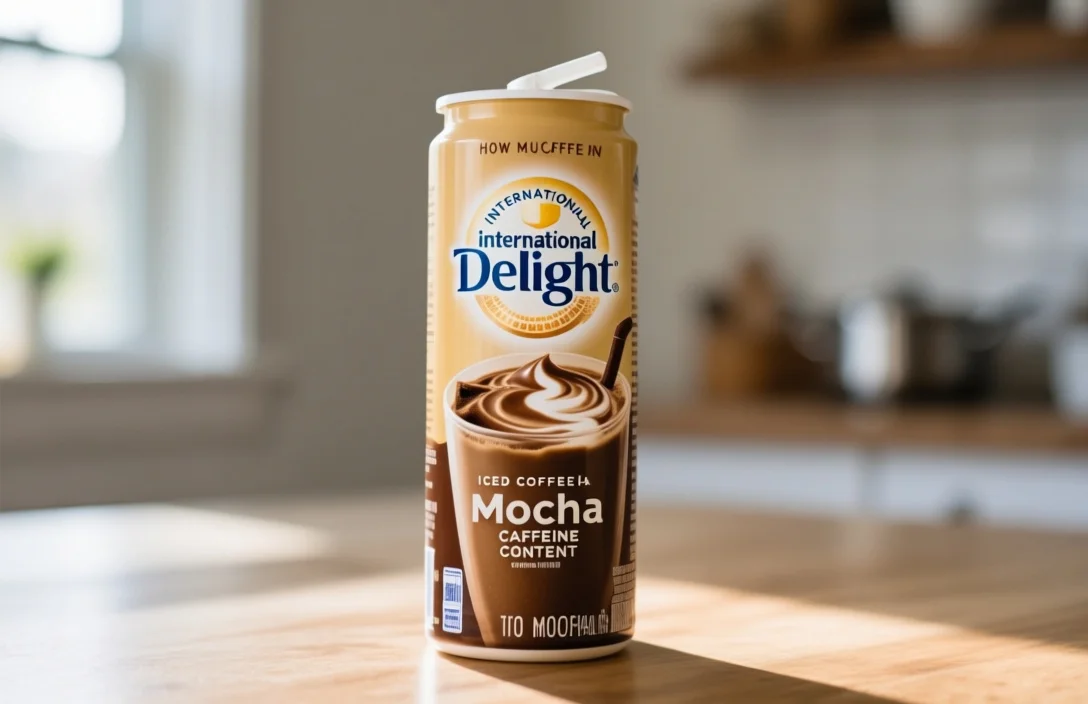
International Delight Iced Coffee Mocha typically delivers about 90 to 100 milligrams of caffeine in every 8-ounce serving. This amount is derived from the coffee extract used as the base for the drink, which is blended with milk, sugar, and cocoa flavorings. You should treat this number as a reliable estimate rather than an exact scientific measurement, as manufacturing batches can vary slightly in their coffee concentration.
Many consumers mistakenly assume that pre-packaged, refrigerated coffee drinks are weaker than hot coffeehouse beverages. In reality, these products are formulated to mimic the strength of a standard cup of coffee to ensure the consumer gets the expected energy boost. If you drink directly from the carton, it is easy to consume 16 or 24 ounces without realizing you have surpassed the caffeine content of two or three standard espressos.
Comparing Caffeine Levels in Ready to Drink Iced Coffee
Ready-to-drink iced coffee products generally fall into a predictable range of 80 to 150 milligrams per 8-ounce serving, depending on whether they are labeled as light, standard, or cold brew. International Delight occupies the middle of this spectrum, offering a balanced profile that prioritizes sweetness and flavor over high-intensity caffeine extraction. Cold brew versions from competing brands often pack significantly more caffeine, sometimes reaching 150 milligrams or higher due to the prolonged steeping process.
| Product Type | Estimated Caffeine (per 8oz) | Primary Strength Factor |
|---|---|---|
| International Delight Mocha | 90 – 100 mg | Standard Coffee Extract |
| Standard Bottled Cold Brew | 120 – 160 mg | Extended Steeping Time |
| Light/Low-Calorie Iced Coffee | 70 – 90 mg | Dilution with Water/Milk |
| Espresso-Based RTD Drinks | 100 – 150 mg | Concentrated Shot Base |
Understanding these differences helps you make informed choices about your morning routine. If you are sensitive to caffeine, choosing a product with a lower milligram count or diluting your drink with ice can help you manage your intake throughout the day.
Ingredients Influencing Caffeine Potency in Mocha Flavored Coffee
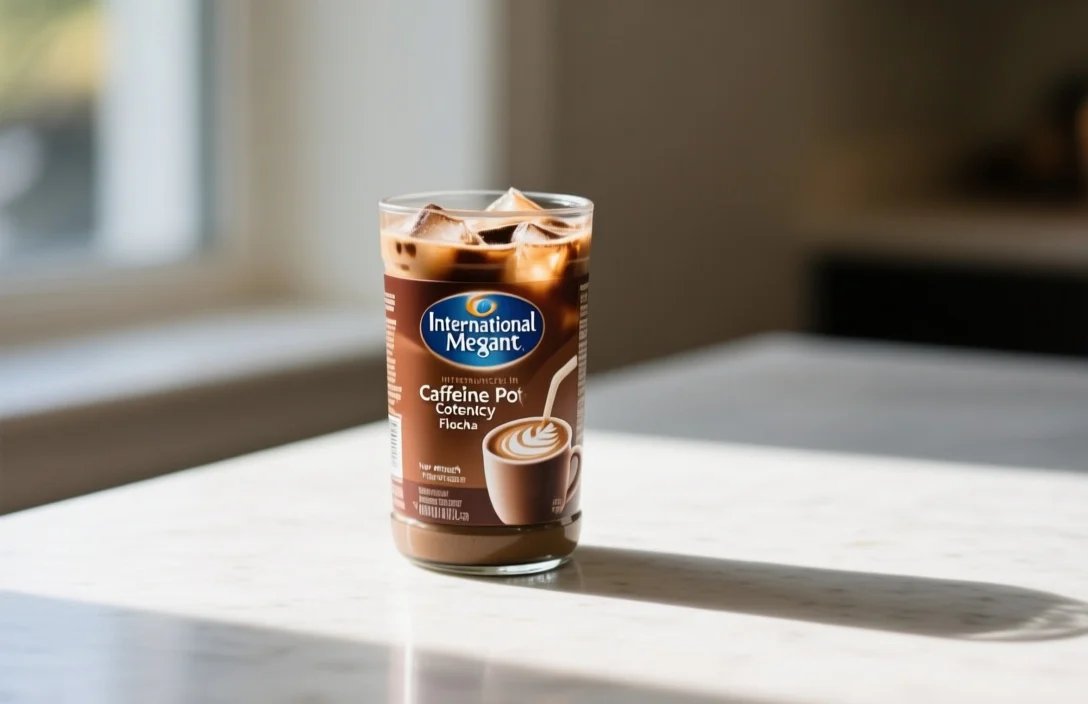
The caffeine potency in this drink comes primarily from the coffee extract, but the presence of cocoa and sugar complicates how your body perceives the energy boost. Cocoa contains trace amounts of caffeine and theobromine, a compound that acts as a mild stimulant similar to caffeine. While these amounts are negligible compared to the coffee extract, they contribute to the overall stimulating effect of the drink.
The concentration of coffee extract is the most significant variable in the production process. Manufacturers adjust the ratio of coffee to milk and flavorings to maintain a consistent flavor profile, which inherently dictates the caffeine level. If the coffee extract is sourced from different bean varieties or processed with varying extraction methods, the final caffeine content can shift slightly between production runs.
Factors Affecting Individual Caffeine Sensitivity During Consumption
Your personal tolerance to caffeine depends on your genetics, your regular consumption habits, and your overall metabolic rate. A person who drinks coffee every day will likely feel less of an impact from 100 milligrams of caffeine than someone who rarely consumes stimulant-based beverages. This physiological difference explains why one person might feel alert after a glass of International Delight, while another might experience jitters or an increased heart rate.
Body weight and hydration levels also play a role in how quickly your system processes caffeine. Caffeine is a diuretic, meaning it can cause your body to lose more water than usual, which can exacerbate the feeling of physical discomfort if you are already dehydrated. If you are sensitive to caffeine, you should consider drinking a glass of water alongside your coffee to maintain balance and mitigate potential side effects like headaches or restlessness.
Recommended Daily Caffeine Limits for Healthy Adults
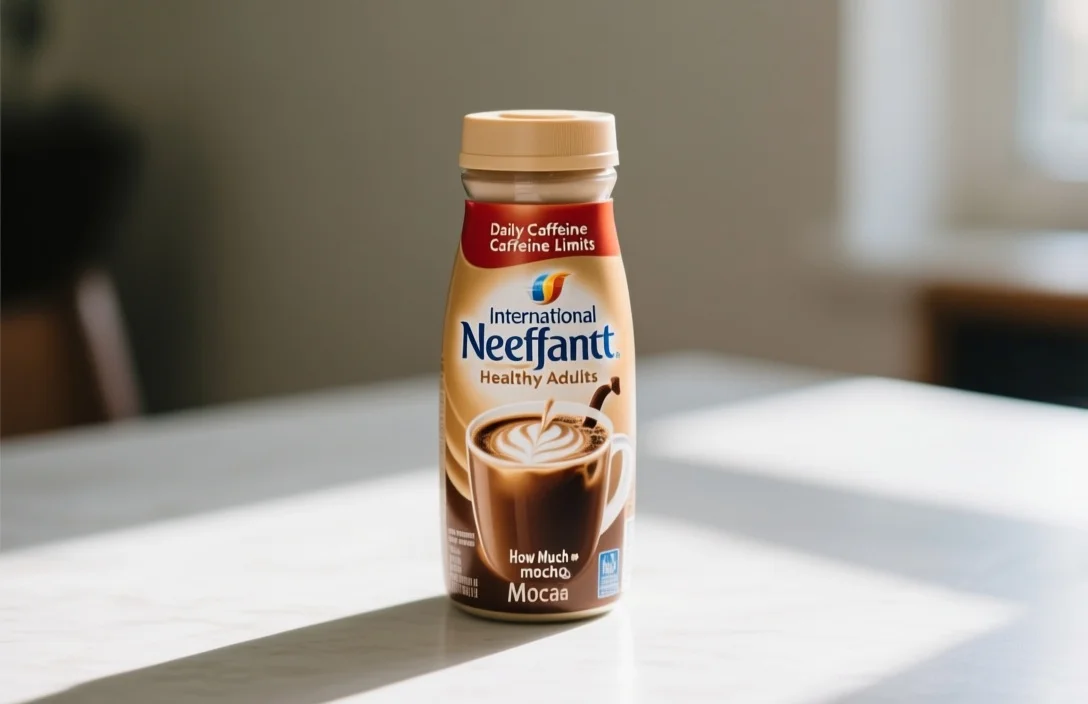
Federal health guidelines suggest that 400 milligrams of caffeine per day is the upper limit for most healthy adults. This amount is equivalent to about four cups of brewed coffee or roughly four 8-ounce servings of International Delight Iced Coffee Mocha. Exceeding this limit often leads to symptoms such as insomnia, rapid heartbeat, muscle tremors, and increased anxiety levels.
You must account for all sources of caffeine when calculating your daily intake, not just your morning coffee. Soda, tea, energy drinks, and even certain chocolate products contribute to your total load. If you find yourself consistently hitting the 400-milligram threshold, you may want to swap one of your daily servings for a decaffeinated or herbal alternative to give your nervous system a rest.
How Mocha Flavorings Impact Sugar and Calorie Intake
Mocha flavorings rely on a combination of sugar and cocoa to achieve their signature taste, which often results in a high caloric density. A typical serving of International Delight Mocha contains a substantial amount of added sugar, which causes a rapid spike in blood glucose levels. This sugar rush often masks the initial onset of caffeine, leading to a temporary feeling of high energy followed by an inevitable crash once the sugar is metabolized.
For instance, a 16-ounce serving of this drink can easily contain over 40 grams of sugar, which exceeds the daily recommended limit for added sugars in a single sitting. This caloric load is significantly higher than that of black coffee or coffee with a splash of unsweetened almond milk. If your goal is to manage your weight or avoid blood sugar fluctuations, you should be mindful of the portion sizes you consume when choosing flavored iced coffee products.
Identifying Hidden Caffeine Sources in Bottled Coffee Products
Many bottled coffee products contain hidden caffeine sources beyond the primary coffee extract, such as green coffee bean extract or added caffeine anhydrous. Manufacturers sometimes add these ingredients to boost the energy-providing capabilities of their drinks without increasing the volume of liquid. Always check the ingredient list for terms like “caffeine,” “guarana,” or “green tea extract,” as these indicate that the beverage may have a higher caffeine content than a standard cup of coffee.
You should also watch out for products labeled as “energy coffee” or “performance coffee,” as these are specifically engineered to deliver higher doses of stimulants. If you are trying to track your intake precisely, stick to products that clearly list the caffeine content on the nutrition label or the official manufacturer website. When in doubt, assume that any coffee-based product contains at least 100 milligrams of caffeine per standard cup and adjust your intake accordingly.
FAQ
Is the caffeine content in International Delight Mocha the same as regular coffee?
Yes, it is comparable. Most 8-ounce servings contain 90 to 100 milligrams of caffeine, which is very similar to the amount found in a standard 8-ounce cup of home-brewed drip coffee.
Does drinking more of the drink increase my caffeine intake?
Yes, absolutely. Because the caffeine is distributed throughout the liquid, drinking a 16-ounce glass doubles your intake to approximately 180 to 200 milligrams, which is half of the recommended daily limit for a healthy adult.
Can I drink this if I am sensitive to caffeine?
You should proceed with caution. If you are sensitive, start with a smaller 4-ounce portion to gauge how your body reacts to the 45 to 50 milligrams of caffeine before committing to a full glass.
Does the mocha flavor change the amount of caffeine?
Generally, no. The mocha flavoring is primarily sugar and cocoa, which do not significantly alter the caffeine concentration provided by the underlying coffee extract base used in the product.
Are there any signs that I have consumed too much caffeine?
Common indicators include jitteriness, restlessness, increased heart rate, and difficulty sleeping. If you experience these symptoms, stop consuming caffeine for the remainder of the day and drink plenty of water to help your body clear the stimulant.