
How Do You Prevent Coffee From Staining Your Teeth: 6 Methods
Title
Coffee lovers face a common dilemma: the rich, dark brew that kickstarts our mornings also gradually stains our teeth. Tannins in coffee attach to enamel, creating that unwanted yellowish appearance. This guide offers practical, science-backed strategies to enjoy your coffee without sacrificing your smile.
Preventing coffee stains requires a combination of drinking habits, oral hygiene practices, and occasional professional treatments. The most effective approach involves drinking water alongside coffee, using a straw, maintaining proper brushing techniques, and considering teeth whitening options when needed.
Key Takeaways
- Rinse immediately after drinking coffee to minimize contact time with enamel.
- Use a straw for iced coffee to bypass front teeth and reduce staining.
- Brush strategically 30 minutes after coffee to avoid brushing acid-softened enamel.
- Choose whitening toothpaste with mild abrasives to lift surface stains.
- Schedule professional cleanings every six months to remove stubborn coffee buildup.
- Consider alternative brewing methods like cold brew which is less acidic and staining.
How Do You Prevent Coffee from Staining Your Teeth

Effective prevention of coffee stains requires a multi-faceted approach that starts before you even take your first sip. The most effective strategy is to create a barrier between the coffee and your tooth enamel. Apply a thin layer of petroleum jelly to your teeth before drinking coffee or use specialized dental products like tooth sealants that create a protective coating. Physical barriers prevent coffee particles from adhering to your enamel, significantly reducing staining.
Modify how you consume coffee as another practical solution. Drinking through a straw, particularly for iced coffee varieties, allows the liquid to bypass your front teeth entirely. For hot coffee, try sipping rather than gulping to reduce contact time. Positioning the cup to minimize coffee contact with your front teeth can also make a noticeable difference over time. Add a splash of milk or cream to your coffee; the casein protein in dairy binds to tannins, reducing their staining potential by up to 30% compared to black coffee.
Why Coffee Causes Tooth Discoloration
Coffee contains tannins, naturally occurring polyphenols that bind to tooth enamel and create stains. These compounds are particularly effective at discoloration because they have a strong affinity for the calcium phosphate in enamel. Tannins latch onto your teeth when you drink coffee, creating a yellowish-brown film that builds up over time with regular consumption. Darker roasts contain more tannins, which explains why they typically cause more noticeable staining than lighter ones.
Acidity in coffee also contributes to tooth discoloration by temporarily softening tooth enamel. Enamel becomes more porous and susceptible to staining from pigments in coffee when it is in this weakened state. Avoid brushing immediately after drinking coffee, as you are essentially brushing the softened enamel. Microscopic cracks and imperfections in tooth enamel provide more surface area for coffee pigments to adhere to, accelerating the staining process. Persistent yellow or brown discoloration develops over time due to these combined factors.
At-Home Remedies for Coffee-Stained Teeth
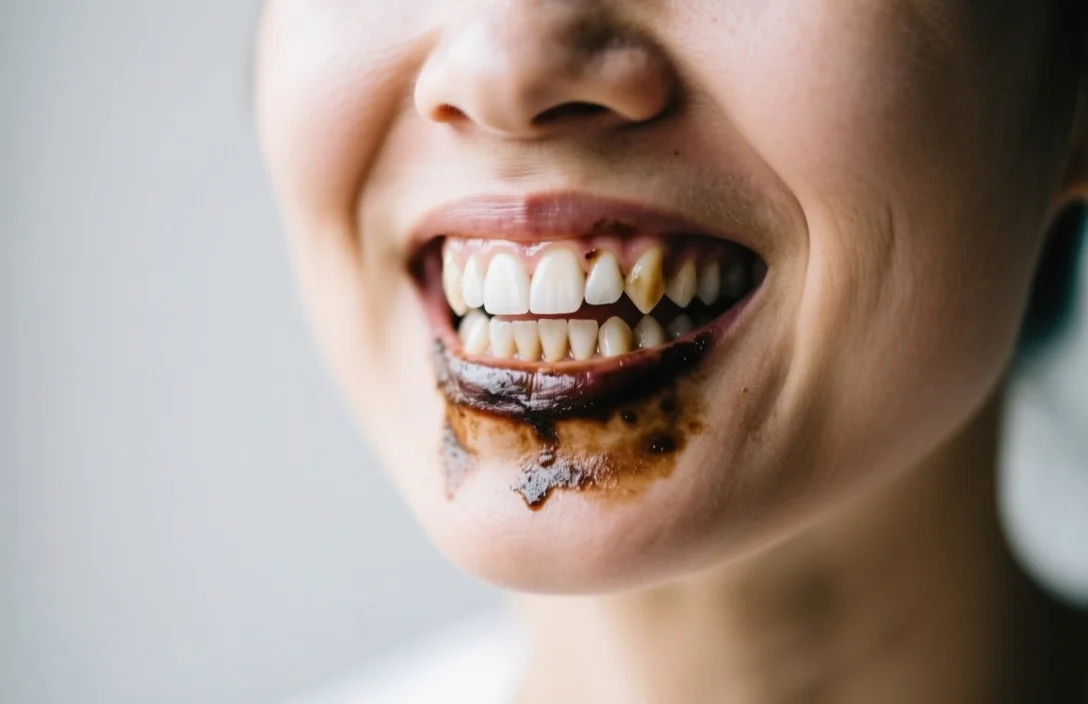
Several effective at-home remedies can help reduce existing coffee stains and prevent new ones from forming. Baking soda, a mild abrasive, can gently polish away surface stains when used occasionally. Create a paste by mixing baking soda with a small amount of water, then brush your teeth gently with this mixture once or twice a week. The mild abrasive action helps lift coffee particles without damaging enamel, though excessive use can wear down tooth enamel over time.
Apple cider vinegar serves as another natural option due to its acidic properties that help dissolve stains. Mix one part apple cider vinegar with two parts water, swish in your mouth for 30 seconds after coffee, then rinse thoroughly. Limit this treatment to once or twice weekly to avoid enamel erosion. Consider strawberries for a gentler approach, as they contain malic acid that helps break down stains. Mash a strawberry and apply it to your teeth for five minutes before rinsing. Remember to follow any natural remedy with proper brushing and flossing to remove food particles and prevent sugar damage.
Professional Dental Solutions for Coffee Stains
Professional dental solutions offer more intensive options when at-home remedies aren’t sufficient enough to combat stubborn coffee stains. Professional teeth whitening performed by a dentist uses stronger concentrations of bleaching agents than over-the-counter products. In-office treatments typically involve applying a hydrogen peroxide gel (15-40% concentration) to the teeth, often activated by a special light or laser. These sessions can lighten teeth by 4-8 shades in just one visit, though multiple sessions may be needed for severe staining. The results last 6 months to 2 years with proper maintenance.
Porcelain veneers provide an excellent alternative for those seeking longer-term solutions without the ongoing maintenance of whitening. These thin shells of medical-grade ceramic are bonded to the front surfaces of teeth, effectively covering stains and creating a uniformly bright smile. Veneers require removing a thin layer of enamel (about 0.5mm) and cost between $1,000-$2,500 per tooth, but they last 10-15 years with proper care. Dental bonding offers a less invasive, more affordable option that uses a tooth-colored resin to cover stains. Bonding is less expensive than veneers ($100-$400 per tooth), but it typically lasts only 3-10 years and may require touch-ups as it can stain over time.
Smart Drinking Habits to Prevent Staining
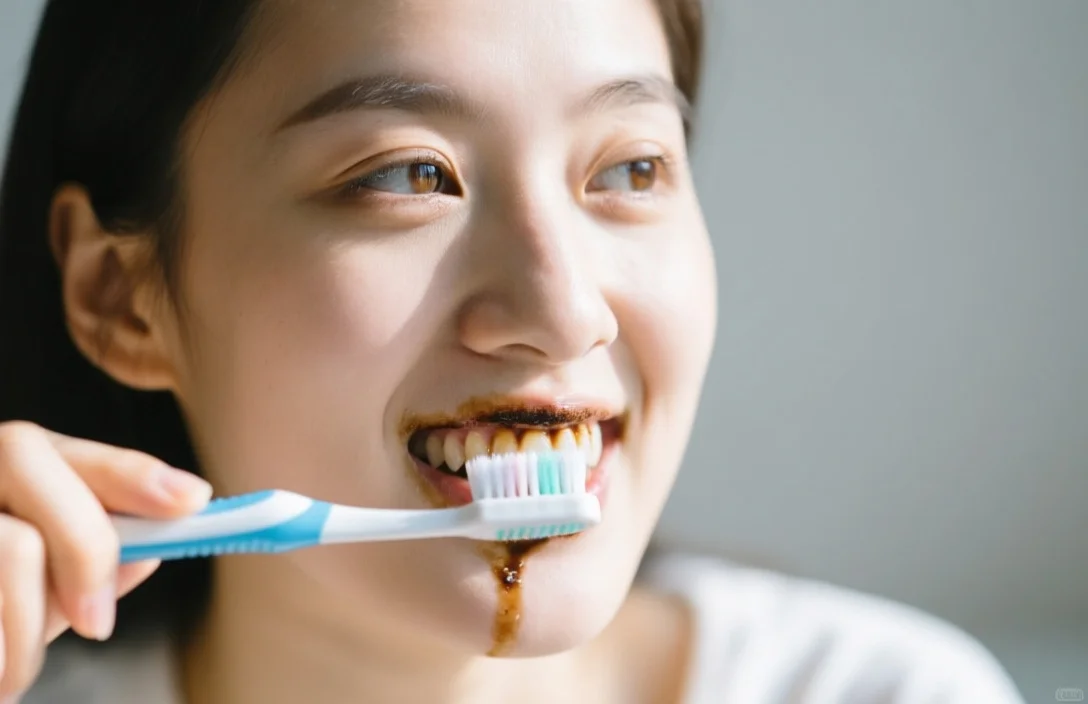
How you drink coffee makes a significant difference in staining prevention. The most effective habit is rinsing your mouth with water immediately after finishing coffee. This simple step removes the remaining coffee particles from your teeth before they have a chance to set and stain. Swishing water for 30 seconds creates a mechanical cleaning action that dislodges pigments, reducing staining by approximately 25% compared to no rinsing. Keep a glass of water handy at your desk or coffee station to make this habit convenient.
Timing your coffee consumption can also minimize staining effects. Drinking coffee during a meal rather than between meals helps reduce staining because food particles and chewing stimulate saliva production, which naturally cleanses the mouth. Drink coffee through a straw when possible to bypass your front teeth entirely, preventing the most visible surfaces from coming into contact with the liquid. Consider adding a small amount of milk or cream if you prefer black coffee; the casein protein in dairy binds to tannins, reducing their staining potential by creating a protective barrier on tooth enamel.
Coffee Types and Their Staining Effects
Not all coffees are equal when it comes to staining potential. Dark roast coffees contain more tannins than lighter roasts, making them more likely to cause discoloration. The roasting process breaks down chlorogenic acid, a compound that contributes to staining, but creates more tannins as a byproduct. A medium roast offers a middle ground, with fewer tannins than dark roast but more flavor complexity than light roast. Studies show that dark roast can cause up to 30% more staining than light roast over comparable consumption periods.
Brewing methods also significantly impact staining. Espresso, despite its dark color, actually contains less staining potential per ounce because it’s served in small quantities. The high concentration of compounds means it still packs a staining punch. Cold brew, which is brewed with cold water over an extended period, contains significantly fewer acidic compounds than hot-brewed coffee. Lower acidity (pH 6.5-7.0 compared to 5.0-5.5 for hot coffee) means less enamel erosion and easier stain removal. Filtered coffee removes more of the cafestol and kahweol compounds that contribute to staining compared to unfiltered brewing methods like French press.
Post-Coffee Dental Care Routine
Establishing a proper post-coffee dental care routine is crucial for preventing stains and maintaining oral health. Wait at least 30 minutes after drinking coffee before brushing your teeth. Coffee temporarily softens tooth enamel due to its acidity, and brushing immediately can cause micro-abrasions that accelerate staining. Rinse your mouth thoroughly with water during this waiting period to neutralize acids and remove coffee particles. This simple habit can reduce enamel erosion by approximately 20% compared to brushing immediately after consumption.
Use a soft-bristled toothbrush and gentle circular motions when you do brush. Focus on the front teeth where staining is most visible, but don’t neglect other areas. Follow with flossing to remove any coffee particles trapped between teeth. Consider using a whitening toothpaste 2-3 times weekly for enhanced stain prevention, but alternate with a regular fluoride toothpaste to maintain enamel strength. Finish by applying a small amount of fluoride mouthwash, which helps remineralize enamel and create a smoother surface more resistant to staining. This comprehensive routine addresses both immediate stain removal and long-term enamel protection.
FAQ
How long does it take for coffee to stain teeth?
Coffee staining is cumulative and becomes noticeable after approximately 3-4 weeks of daily consumption, with visible discoloration typically appearing within the first month of regular coffee drinking. The rate of staining varies based on individual enamel thickness, oral hygiene habits, and coffee consumption patterns. Heavy drinkers (3+ cups daily) may notice significant yellowing within 2-3 months, while moderate drinkers (1 cup daily) might take 6-12 months to develop noticeable stains.
Are there specific toothpaste brands that work best against coffee stains?
Whitening toothpastes containing mild abrasives like hydrated silica or sodium bicarbonate work best against coffee stains. Brands like Crest 3D White, Colgate Optic White, and Sensodyne Extra Whitening contain polishing agents that effectively lift surface stains. Look for products with the ADA Seal of Acceptance, which ensures safety and efficacy. Use these toothpastes consistently for at least 2-3 weeks for best results, as they work gradually to remove stains rather than providing instant results.
Can drinking coffee through a straw really prevent staining?
Yes, drinking coffee through a straw can significantly reduce staining on front teeth, particularly for iced coffee beverages. A straw positioned properly (behind the front teeth) allows coffee to bypass the most visible surfaces where staining is most noticeable. Straws are less effective for hot coffee and don’t prevent staining on all tooth surfaces, especially the back molars. Combine straw use with other preventive measures like rinsing and proper brushing for maximum protection.
How often should I get professional teeth cleaning to remove coffee stains?
Professional dental cleanings every 6 months are generally sufficient to remove coffee buildup and prevent excessive staining. Hygienists use specialized instruments and pastes during these cleanings that effectively remove surface stains and tartar that daily brushing can’t reach. Schedule cleanings every 4 months if you are a heavy coffee drinker (3+ cups daily) for more proactive stain removal. Regular cleanings not only address staining but also prevent gum disease and other oral health issues exacerbated by coffee consumption.
Does adding sugar to coffee increase staining risk?
Yes, adding sugar to coffee significantly increases staining risk by promoting the growth of bacteria that contribute to plaque buildup. These bacteria produce acidic byproducts that weaken enamel and create a rough surface more susceptible to staining. Sugar also feeds Streptococcus mutans bacteria, which accelerate the formation of biofilm that traps coffee pigments against teeth. Consider using sugar alternatives like stevia or xylitol if you must sweeten your coffee, as they don’t feed decay-causing bacteria and pose less risk for staining and cavities.