How Many Tablespoons Of Ground Coffee Per Cup Of Water Explained
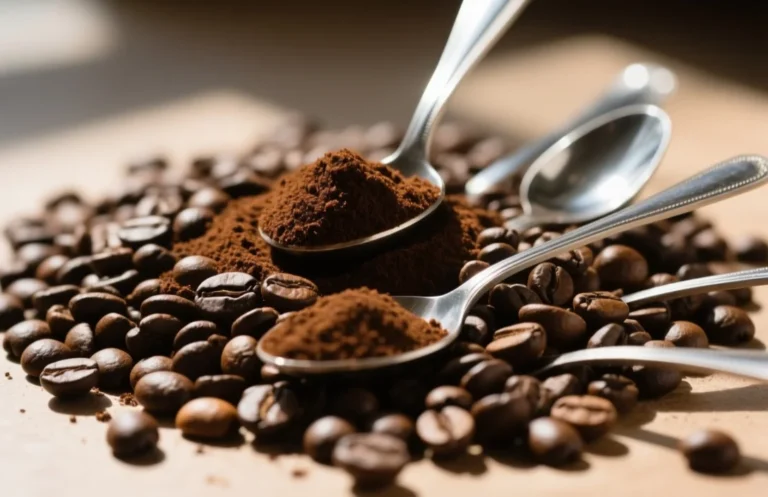
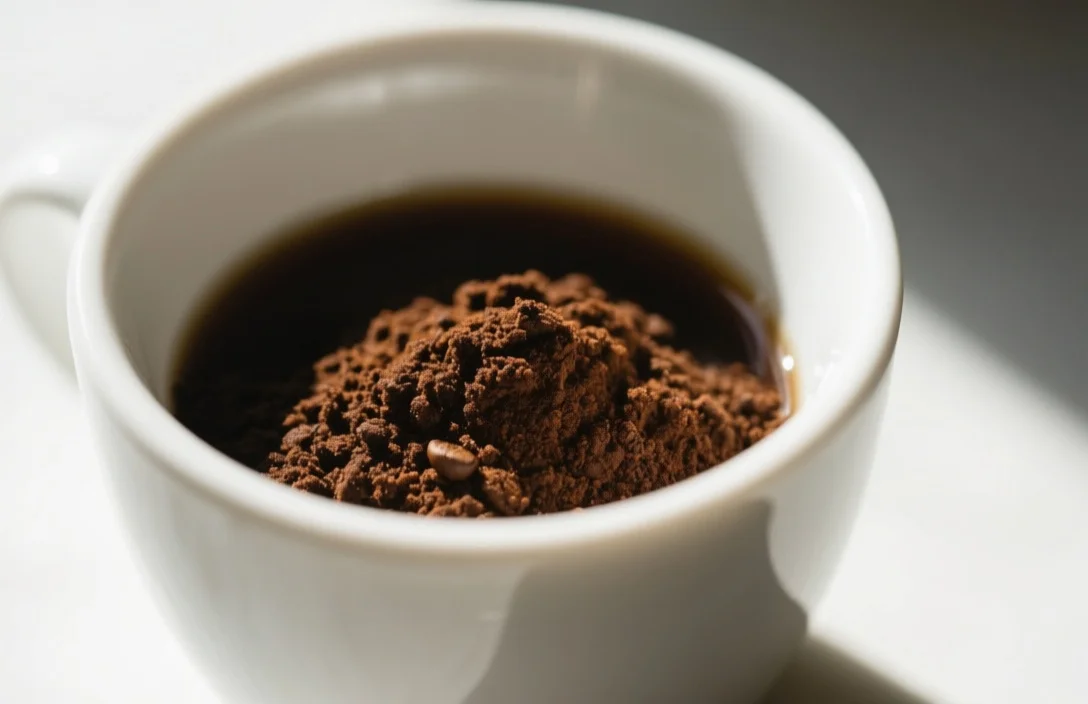
Brewing a consistent cup of coffee starts with the relationship between your grounds and your water. Most coffee enthusiasts find that using one to two tablespoons of ground coffee for every six ounces of water serves as the best starting point for a standard drip brew. This measurement provides a baseline that you can adjust based on your specific equipment and personal preference for strength.
The standard starting ratio for a balanced cup of coffee is two tablespoons of ground coffee for every six ounces of water. If you prefer a lighter, more tea-like body, reduce your measurement to one tablespoon per six ounces. For a bold, intense flavor profile, use two full tablespoons per six-ounce cup, ensuring you use fresh, room-temperature water for the best extraction results.
Key Takeaways
- Standard starting ratio. Use two tablespoons of ground coffee per six ounces of water for a balanced, medium-strength brew.
- Adjusting for preference. Reduce to one tablespoon if you find the coffee too bitter or increase the water volume slightly.
- Measuring by weight. Scales provide more consistent results than tablespoons because density varies significantly between different roasts and grind sizes.
- Grind size impact. Finer grinds require less contact time with water, while coarser grinds need longer steeping to extract properly.
- Roast level variables. Darker roasts are less dense than light roasts, meaning they occupy more volume for the same weight.
- Consistent water temperature. Aim for water between 195 and 205 degrees Fahrenheit to ensure proper extraction of coffee oils and flavors.
How many tablespoons of ground coffee per cup of water for the perfect brew
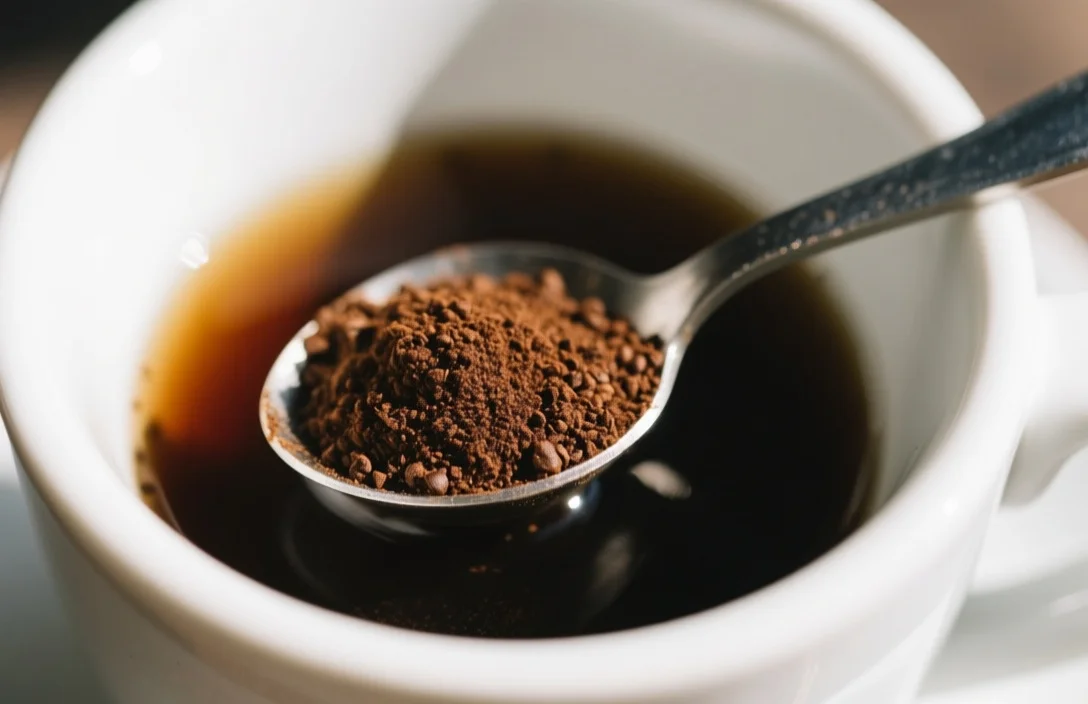
Achieving the perfect brew is less about a single rigid rule and more about managing the ratio of coffee to water. While the two-tablespoon standard is widely accepted, the actual capacity of your coffee scoop matters. Most standard coffee scoops hold exactly two tablespoons, which simplifies the process of measuring grounds for a standard six-ounce cup.
If you are using a standard drip coffee maker, remember that the markings on the glass carafe often refer to five-ounce units rather than a true eight-ounce measuring cup. Using two tablespoons for every five-ounce line on the carafe typically produces a standard, cafe-style strength. Adjusting this ratio downward for every extra ounce of water prevents the flavor from becoming watery or thin.
The Golden Ratio for balanced coffee extraction
The Golden Ratio refers to the sweet spot where the water extracts enough soluble compounds from the coffee grounds to create a balanced flavor without pulling out excessive bitterness. This ratio generally sits between 1:15 and 1:18, meaning one gram of coffee for every 15 to 18 grams of water. This scientific approach removes the guesswork often associated with volume-based measurements.
Converting this ratio into everyday tablespoons is helpful for those without a scale. Since one tablespoon of ground coffee weighs approximately five to seven grams depending on the grind, two tablespoons equals roughly 10 to 14 grams of coffee. When paired with six ounces of water, which weighs about 170 grams, you land squarely within the recommended extraction zone.
Adjusting coffee measurements for different brewing methods
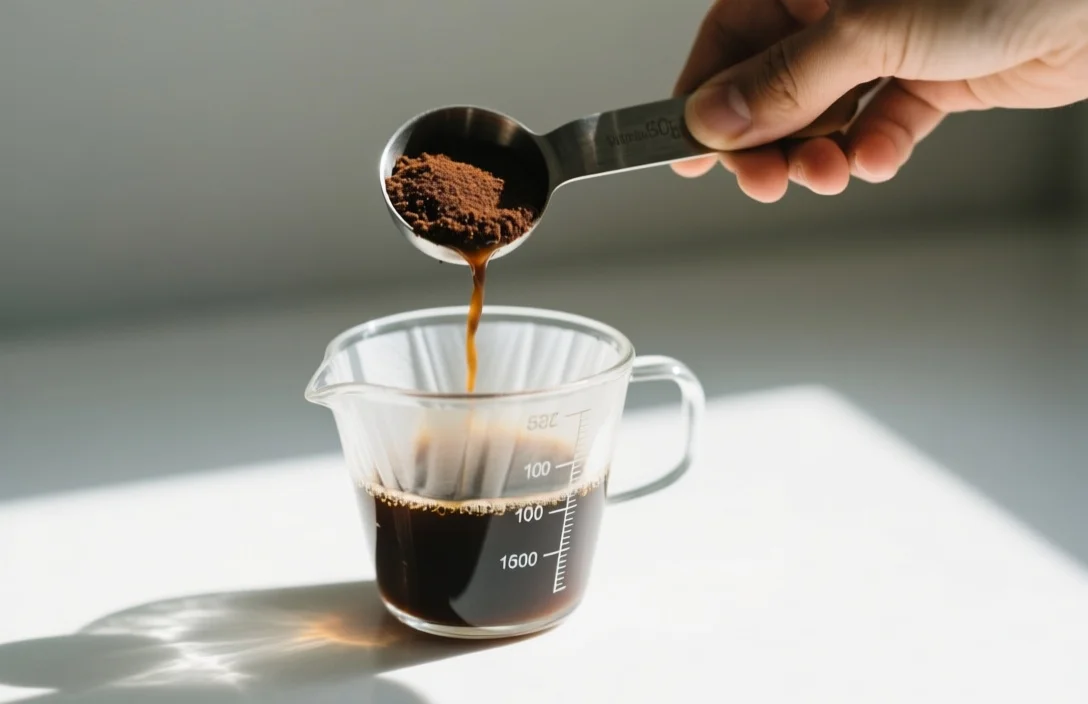
Different brewing methods require specific contact times, which directly influences how much coffee you need to use. French press brewing, for example, is an immersion method where coffee sits in water for several minutes, often requiring a slightly higher ratio of grounds to prevent the final product from tasting weak. Pour-over methods rely on gravity, allowing for a cleaner, more precise extraction that works well with the standard 1:16 ratio.
In contrast, espresso machines force pressurized water through very fine grounds in a short period, necessitating a much tighter ratio. Using tablespoons for espresso is rarely accurate, as the density of the packed puck is critical to the machine’s performance. For manual methods like the AeroPress or Siphon, start with the two-tablespoon standard and adjust by half-tablespoon increments based on the clarity you prefer in your cup.
| Brewing Method | Typical Ratio (Coffee to Water) | Grind Size |
|---|---|---|
| Drip Coffee | 1:16 | Medium |
| French Press | 1:15 | Coarse |
| Pour-over | 1:17 | Medium-Fine |
| Cold Brew | 1:8 | Extra Coarse |
| Espresso | 1:2 | Fine |
How grind size affects your coffee to water ratio
Grind size dictates the surface area of the coffee exposed to water, which changes how quickly flavor extracts. A fine grind has more surface area and releases flavor rapidly, meaning you might find the coffee becomes bitter if you use too much. A coarse grind has less surface area, requiring more grounds or longer steeping times to achieve the same strength as a finer grind.
When you adjust your grind size, you must also consider how the physical volume of the grounds changes in your measuring spoon. Fine grounds pack tightly, meaning a single tablespoon of fine coffee contains more mass than a tablespoon of coarse coffee. If you switch from a medium grind to a fine grind, you may need to use slightly less coffee to avoid an over-extracted, harsh result.
Measuring coffee by weight versus volume
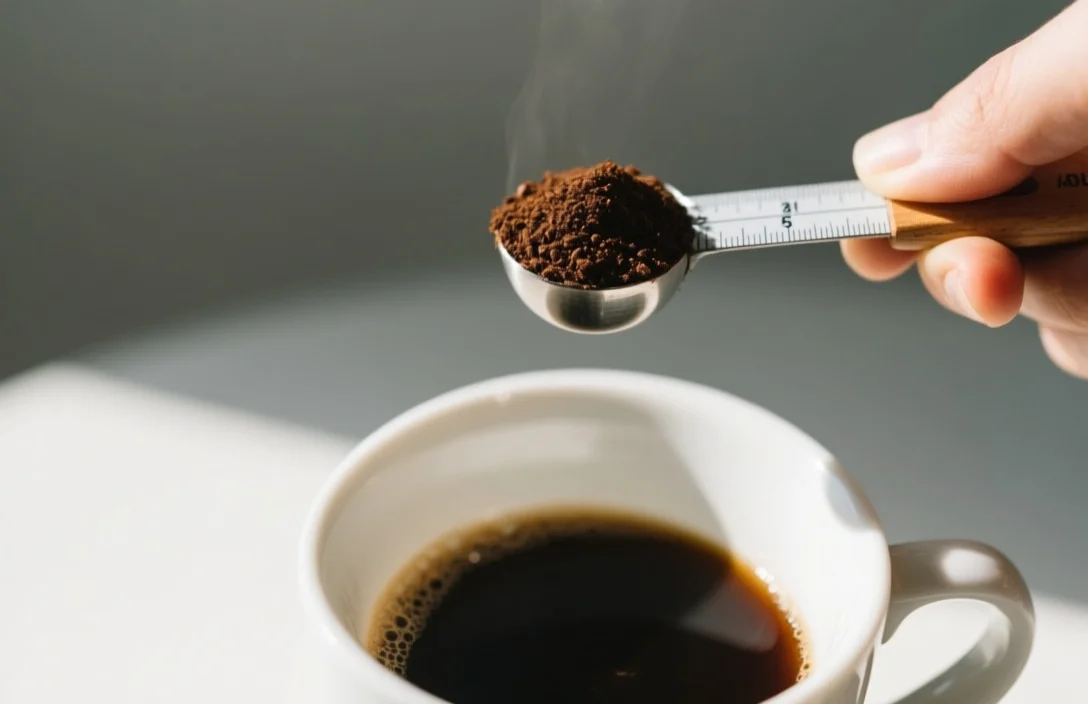
Measuring by weight is the most reliable way to maintain consistency because volume measurements like tablespoons are prone to human error. Variations in how you scoop the coffee, how much the grounds settle, and the specific roast of the bean can change the weight of a tablespoon by as much as 30 percent. A digital kitchen scale is the single most effective tool for improving your home brewing.
If you choose to stick with volume, try to be consistent with your scooping technique. Level off every tablespoon with the back of a knife rather than using a rounded scoop, which can add significant extra mass to your brew. By maintaining a consistent scooping method, you minimize the variables that cause your coffee to taste different from one day to the next.
Impact of roast levels on coffee strength
Roast levels influence the density of the coffee bean, which is a major factor when measuring by volume. Light roasts are dense and hard, while dark roasts are more porous and brittle because they have lost more moisture during the roasting process. A tablespoon of light roast coffee will almost always weigh more than a tablespoon of dark roast coffee.
If you prefer dark roasts, you might notice that your usual measurement results in a weaker cup than when you use a light roast. This happens because the dark roast grounds occupy more space for the same mass, effectively resulting in a lower ratio of coffee to water. To compensate, consider adding an extra half-tablespoon of dark roast grounds to your brewer to match the strength you get from your favorite light roast.
Adjusting brewing ratios for personal taste preferences
Personal taste is the final arbiter of your coffee ratio, regardless of what the numbers suggest. If your coffee consistently tastes sour or acidic, you are likely under-extracting, which means you should either use a finer grind or increase the amount of coffee slightly. Conversely, a bitter, astringent taste often indicates over-extraction, which you can fix by using slightly fewer grounds or a coarser grind.
Start by keeping your water volume constant and changing only one variable at a time. If you change both the grind size and the amount of coffee simultaneously, you will not know which adjustment improved the flavor. Keep a simple log of your ratios for a week, noting how many tablespoons you used and how the cup tasted, to find your perfect daily brew.
FAQ
Does the amount of coffee change if I use a French press?
Yes, French press brewing often performs best with a slightly higher coffee-to-water ratio. Start with two tablespoons for every six ounces of water, but because the coffee steeps for four minutes, you may find that increasing the grounds to two and a half tablespoons creates a more robust, full-bodied cup.
Why does my coffee taste bitter even with the right measurements?
Bitterness usually indicates over-extraction, often caused by using a grind that is too fine or water that is too hot. If your measurements are correct, try coarsening your grind size by one setting or ensure your water temperature is not exceeding 205 degrees Fahrenheit during the brewing cycle.
Can I use the same scoop for light and dark roasts?
Using the same scoop for both is convenient, but it will result in different flavor strengths. Because light roasts are denser than dark roasts, the same scoop will hold more coffee mass with a light roast. You may need to add an extra half-tablespoon of dark roast to achieve a similar strength to your light roast.
Is it better to measure coffee by weight or tablespoons?
Weight is significantly more accurate because it eliminates errors caused by grind size or how tightly the coffee is packed in the spoon. A standard digital scale allows you to use a precise 1:16 ratio, which is the industry standard for a balanced, high-quality cup of coffee.
How much coffee do I need for a full 12-cup carafe?
Most standard coffee makers treat a “cup” as five ounces rather than eight. For a 12-cup carafe, you should use approximately 12 to 14 tablespoons of ground coffee total. Adjust this amount based on whether you prefer your coffee mild or strong, but always start with this range to avoid an overly weak brew.