How Much Caffeine In Colombian Coffee: Arabica Vs. Robusta
A standard 8-ounce cup of brewed Colombian coffee typically contains between 95 and 150 milligrams of caffeine, though this figure fluctuates based on your specific preparation habits. Because Colombian beans are almost exclusively the Arabica variety, they follow a predictable range that distinguishes them from more intense, high-caffeine blends. Understanding these variables helps you manage your daily intake without relying on guesswork or generic estimates that ignore your brewing equipment.
Most drinkers can assume an average of 120 milligrams per 8-ounce serving when using a standard drip coffee maker. This calculation assumes a standard ratio of two tablespoons of ground coffee per six ounces of water. If you prefer a stronger brew, or if you use a method that extracts more solubles, your actual intake will land at the higher end of the 150-milligram threshold.
Key Takeaways
- Standard serving size. A typical 8-ounce cup of Colombian coffee provides between 95 and 150 milligrams of caffeine.
- Arabica bean profile. Colombian coffee is exclusively Arabica, which naturally contains less caffeine than the bolder Robusta varieties.
- Brewing method impact. Espresso-based drinks concentrate caffeine into smaller volumes, while drip methods provide a steady, consistent extraction.
- Roast level influence. Lighter roasts often contain slightly more caffeine by volume than darker roasts due to differences in bean density.
- Daily safety limits. Most healthy adults can safely consume up to 400 milligrams of caffeine, or roughly three to four cups.
- Variable factors. Grind size, water temperature, and coffee-to-water ratios remain the primary drivers of your final caffeine concentration.
How Much Caffeine in Colombian Coffee Per Cup
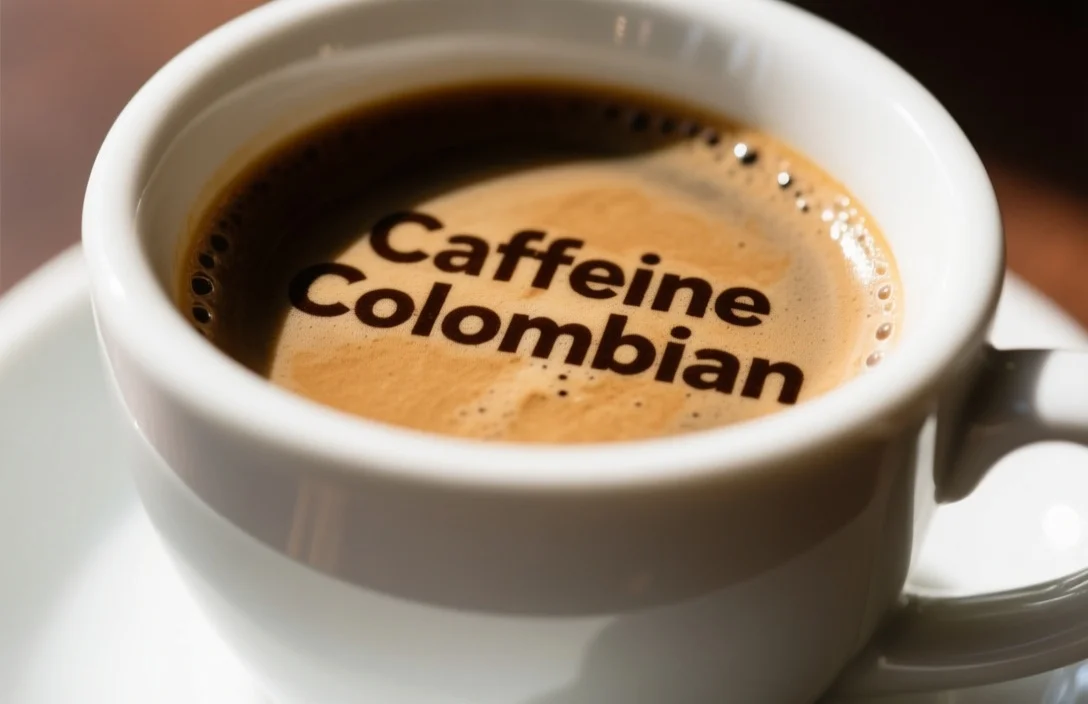
Calculating the exact caffeine content in your morning mug requires looking at the ratio of ground coffee to water. A standard cup of Colombian coffee usually measures between 95 and 150 milligrams of caffeine for every 8 ounces of liquid. This range exists because individual preparation styles vary wildly, even when using the same bag of high-quality Colombian beans.
If you measure your coffee by weight rather than volume, you gain much more control over your caffeine intake. Using 15 grams of coffee grounds for an 8-ounce cup is a common specialty standard that sits right in the middle of that 95 to 150 milligram range. If you find yourself jittery or crashing by mid-morning, try scaling back to 12 grams per cup to see if your sensitivity changes.
Arabica and Robusta Caffeine Levels in Colombia
Colombian coffee is famous for its strict focus on Arabica beans, which are genetically lower in caffeine than their Robusta counterparts. An Arabica bean typically contains about 1.2 percent to 1.5 percent caffeine by mass. In contrast, Robusta beans can contain up to 2.7 percent caffeine, making them nearly twice as potent in a direct comparison.
This difference is not just about the chemistry of the plant but also about the flavor profile that Colombian farmers prioritize. Because Arabica plants grow better at higher altitudes and cooler temperatures, they develop more complex sugars and acids during the ripening process. By choosing Colombian coffee, you are opting for a bean that naturally limits your caffeine ceiling while providing a smoother, less bitter cup.
Caffeine Differences Between Light and Dark Roasts
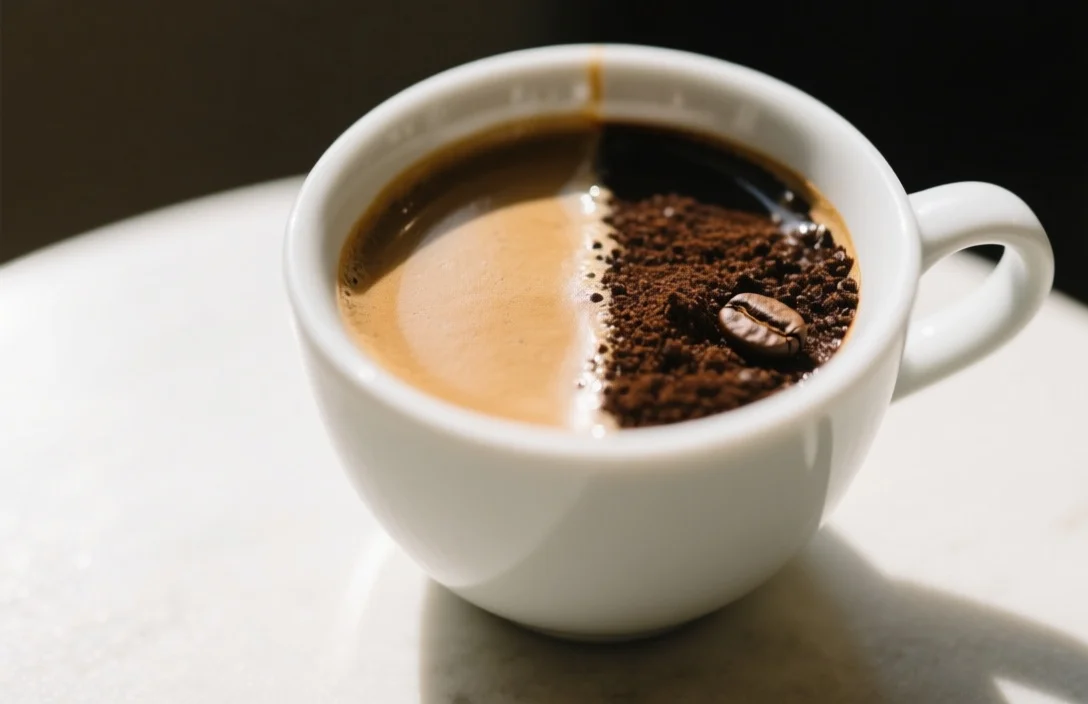
Lighter roasts often retain a slightly higher caffeine content by volume because the beans are denser and less expanded than their dark-roasted counterparts. When a bean is roasted for a longer time to achieve a dark, oily finish, it loses mass and expands in size. If you scoop your coffee using a tablespoon, you are fitting fewer dark-roasted beans into that scoop than you would with light-roasted beans.
However, the difference is often negligible for the average drinker. If you measure your coffee by weight on a scale, the caffeine content between a light and a dark roast is virtually identical. Most of the perceived difference in strength comes from the flavor, as dark roasts provide a smoky, bitter profile that many people mistake for a higher caffeine punch.
Impact of Brewing Methods on Caffeine Concentration
The method you use to prepare your coffee dictates how much caffeine moves from the grounds into your mug. Espresso machines use high pressure to force water through finely ground coffee, which creates a highly concentrated shot that packs about 60 to 80 milligrams of caffeine into just one or two ounces. While this sounds high, the total volume is small compared to a full mug of drip coffee.
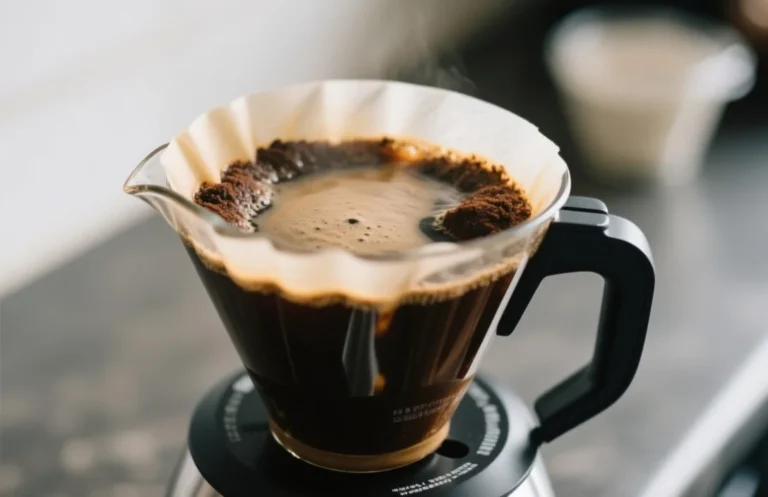
Drip coffee makers and pour-over methods allow for a longer contact time between the water and the grounds. This extended exposure pulls more caffeine out of the beans, which is why a full 8-ounce cup of drip coffee often contains more total caffeine than a single shot of espresso. French press brewing, which involves soaking the grounds for several minutes, often results in the highest caffeine extraction due to the immersion time.
| Brewing Method | Typical Volume | Estimated Caffeine |
|---|---|---|
| Drip Coffee | 8 ounces | 95 – 150 mg |
| Espresso | 1 ounce | 60 – 80 mg |
| French Press | 8 ounces | 100 – 160 mg |
| Cold Brew | 8 ounces | 150 – 200 mg |
Colombian Coffee Caffeine Compared to Other Origins
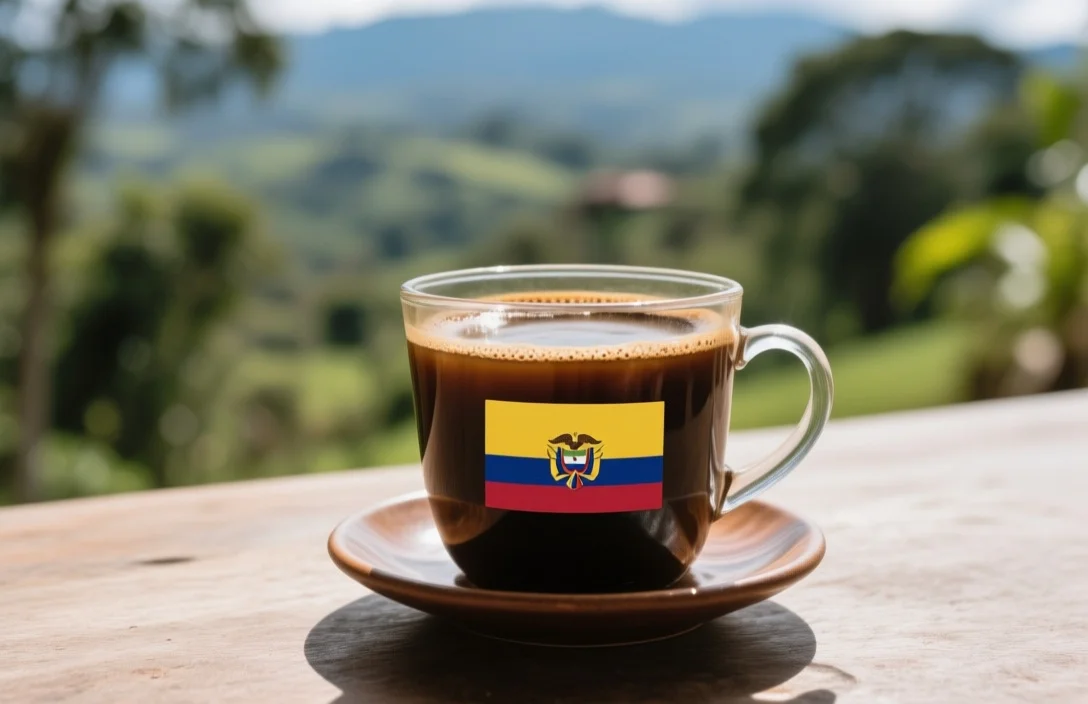
Colombian coffee generally sits in the middle of the pack when compared to origins like Vietnam or Indonesia. Vietnamese coffee often relies heavily on Robusta production, leading to a much higher caffeine count per cup. If you switch from a generic grocery store blend containing Robusta to a single-origin Colombian Arabica, you will likely notice a decrease in total caffeine intake.
Ethiopian or Kenyan coffees, which are also Arabica, share a similar caffeine profile to Colombian beans. The primary difference lies in the acidity and body of the coffee rather than the stimulant content. If you are looking for a lower-caffeine option, origin is less important than the bean variety, as almost all specialty coffee is Arabica.
How Bean Density Affects Caffeine Concentration
Bean density is a hidden variable that changes how much coffee you actually put into your grinder. Higher-altitude Colombian beans are typically denser because they grow more slowly, meaning they have more physical material packed into each bean. When you grind these dense beans, the resulting powder is more compact, which can lead to a higher extraction rate if your grind size remains consistent.
You can manage this by paying attention to your grind size. A finer grind increases the surface area exposed to water, which speeds up the extraction of both flavor compounds and caffeine. If you use a very fine grind on dense Colombian beans, you will extract more caffeine than if you used a coarse grind, even if the total weight of the coffee remains exactly the same.
Safe Daily Caffeine Limits for Coffee Drinkers
Most healthy adults can safely consume up to 400 milligrams of caffeine per day, according to general health guidelines for moderate intake. This limit equates to roughly three to four 8-ounce cups of standard Colombian coffee. Staying within this range allows you to enjoy the benefits of alertness without the common side effects of overconsumption, such as insomnia, rapid heart rate, or digestive discomfort.
If you are particularly sensitive to stimulants, you should aim for the lower end of this range. Monitor how you feel after your first or second cup, and consider stopping by early afternoon to ensure your sleep cycle remains unaffected. Everyone metabolizes caffeine at a different rate, so treat these numbers as a starting point rather than a rigid prescription for your daily routine.
FAQ
Does brewing Colombian coffee for longer increase the caffeine?
Yes, increasing the brew time allows for more complete extraction of caffeine from the grounds. If you soak your coffee for longer, such as in a French press, you will pull more caffeine into the water than you would with a quick pour-over or drip cycle.
Is Colombian coffee higher in caffeine than decaf?
Yes, definitely. A standard cup of caffeinated Colombian coffee contains 95 to 150 milligrams of caffeine, while a cup of decaf usually contains between 2 and 5 milligrams. Decaffeination processes remove the vast majority of the stimulant while leaving most of the flavor profile intact.
Does the water temperature affect caffeine levels?
Higher water temperatures, ideally between 195 and 205 degrees Fahrenheit, extract caffeine more efficiently than cooler water. If your coffee maker produces lukewarm water, you are likely failing to extract the full potential caffeine content from your grounds, resulting in a weaker, less flavorful cup.
Can I reduce the caffeine in my Colombian coffee?
You can reduce your intake by using less coffee per cup or switching to a coarser grind. Using a coarser grind reduces the surface area available for extraction, which results in a lower concentration of caffeine in the final brew, even if the total amount of coffee grounds remains the same.
Why do I feel more energized by some cups than others?
Your energy levels depend on your personal metabolism, your hydration, and whether you have eaten food alongside your coffee. Caffeine enters the bloodstream quickly, but factors like blood sugar and individual tolerance can change how you perceive that energy boost throughout the day.
Monitoring your intake is straightforward once you account for your cup size and brewing method. Most people find that keeping a consistent routine – using the same scoop, the same mug, and the same brewing method – makes it easy to stay within a comfortable caffeine range. If you ever feel over-caffeinated, simply adjust your coffee-to-water ratio downward by 10 percent for your next batch.