How Long Can You Keep Ground Coffee Fresh: 6 Storage Tips
Ground coffee starts losing its peak flavor within 30 minutes of grinding and is noticeably stale after 1-2 weeks at room temperature. After 3-4 weeks, most of the aromatic oils have oxidized, leaving a flat, bitter brew. The clock starts the moment the beans are ground – so if you buy pre-ground coffee, assume it’s already on its way out.
Freshness depends on storage: an unopened bag lasts 3-5 months in the pantry, while opened bags degrade in 1-2 weeks. Freezing can extend this to 3-6 months, but only if you use airtight containers and avoid temperature swings. The real enemy isn’t time – it’s oxygen, light, heat, and moisture.
Key Takeaways
- Freshness window. Ground coffee stays fresh for 1-2 weeks after opening if stored properly.
- Unopened bags last longer. Factory-sealed bags retain quality for 3-5 months in a cool, dark pantry.
- Freezing extends shelf life. Properly frozen ground coffee can last 3-6 months without major flavor loss.
- Oxygen is the enemy. Once exposed to air, ground coffee oxidizes quickly, dulling flavor in days.
- Staleness signs. Flat aroma, bitter taste, and a lack of crema (for espresso) signal stale coffee.
- Storage matters most. Airtight containers, cool temperatures, and minimal light preserve freshness best.
How Long Can You Keep Ground Coffee Fresh
Ground coffee loses its best flavors in 7-14 days after opening, even with ideal storage. Unopened bags last 3-5 months if kept in a cool, dark pantry, but the moment you break the seal, oxygen starts breaking down the oils and compounds that give coffee its brightness. After 3-4 weeks, most of the aromatic compounds have evaporated, leaving a bitter, hollow taste.
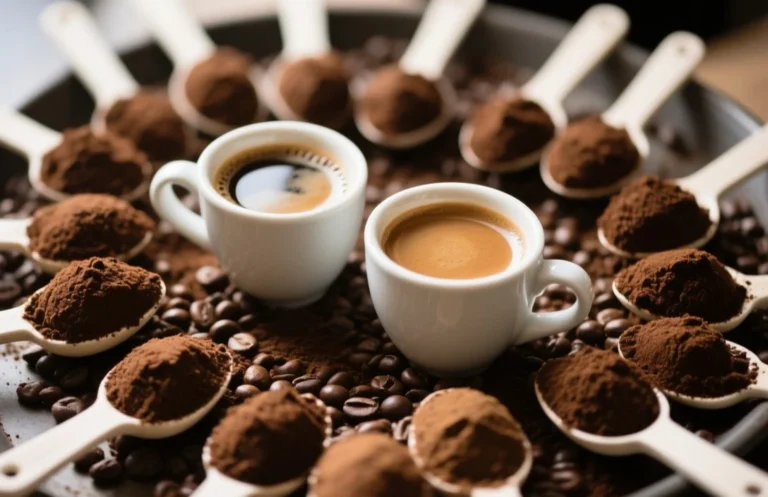
The type of grind matters too. Finer grinds (like espresso) degrade faster than coarse grinds (like French press) because they have more surface area exposed to air. If you buy pre-ground coffee, check the roast date – many bags only list a “best by” date, which is often 6-9 months after roasting. That’s a red flag: the coffee was likely ground weeks or months before packaging.
Signs That Your Ground Coffee Has Gone Stale
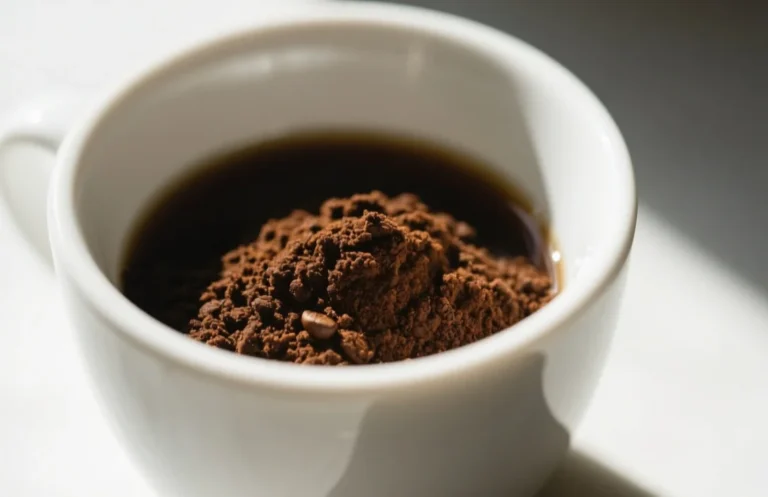
Stale ground coffee smells like cardboard and tastes like weak, bitter water. The first sign is a flat aroma – if your coffee doesn’t fill the room with its usual rich scent when you open the bag, it’s past its prime. Fresh coffee should have a bright, almost fruity or nutty fragrance; stale coffee smells dull or musty.
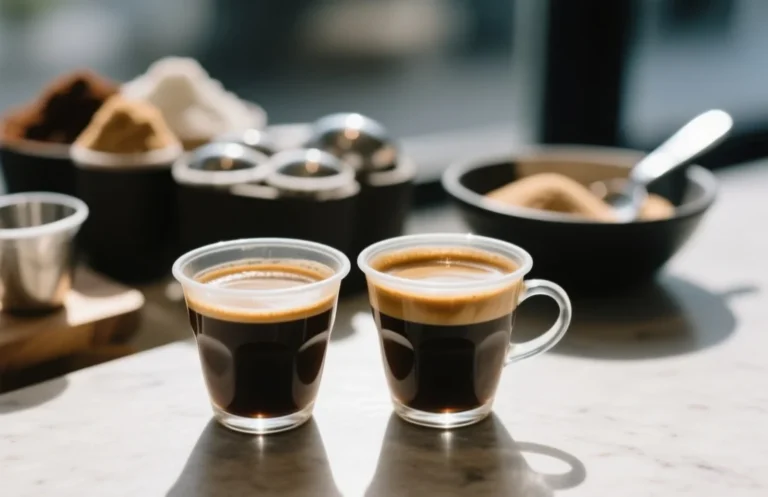
The second sign is taste. Stale coffee lacks complexity and often has a harsh, bitter finish. If you’re used to a smooth, balanced cup and suddenly notice a sharp, unpleasant aftertaste, oxidation is the likely culprit. For espresso drinkers, a lack of crema (the golden foam on top) is a dead giveaway – fresh coffee produces thick, creamy crema; stale coffee barely forms any.
Impact of Oxidation on Coffee Flavor Profiles
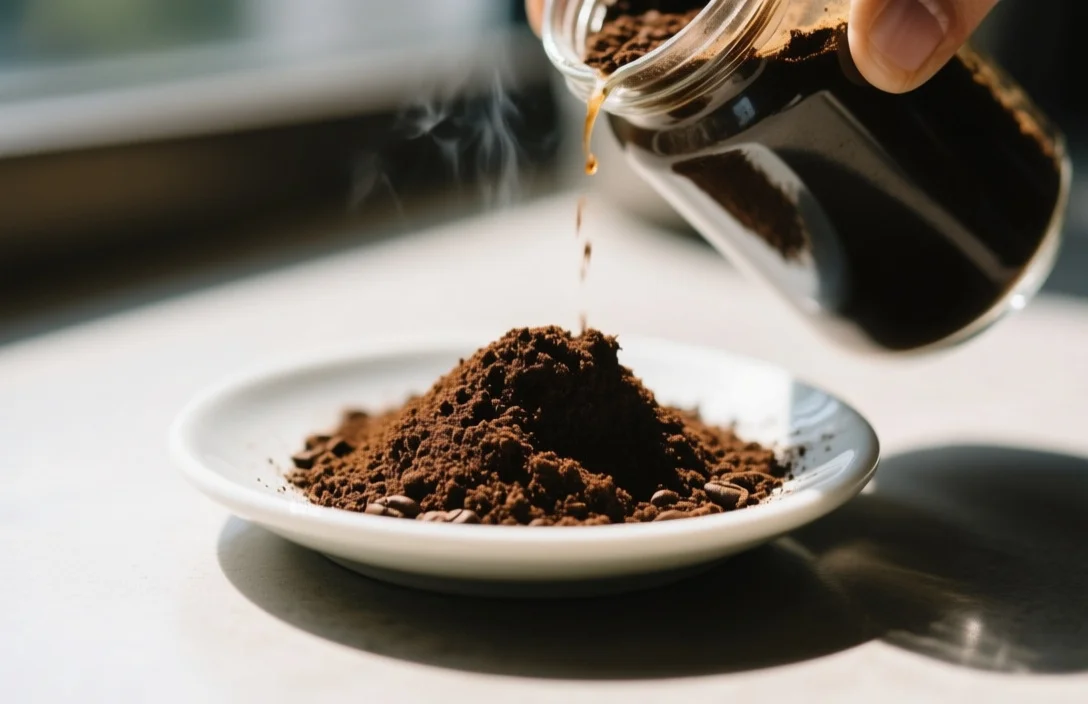
Oxidation turns coffee’s bright, acidic notes into flat, bitter ones. When ground coffee is exposed to air, oxygen reacts with its oils and compounds, breaking down the volatile aromatics that give coffee its fruity, floral, or chocolatey flavors. Within 24-48 hours, you’ll notice a loss of brightness – what was once a lively, citrusy Ethiopian roast becomes a muted, one-dimensional brew.
The process accelerates with heat and light. A bag of ground coffee left on the counter in direct sunlight can go stale in 3-5 days, while the same bag stored in a cool, dark pantry might last 1-2 weeks. Moisture is another enemy: even a small amount can cause the grounds to clump and develop a musty taste. If your coffee smells like wet paper, it’s not just stale – it’s likely absorbed moisture from the air.
Optimal Storage Conditions for Ground Coffee
Store ground coffee in an airtight container in a cool, dark place to slow oxidation. The best spot is a pantry or cupboard away from the stove, oven, or sunlight. Temperature swings are worse than a consistently cool environment – so avoid the fridge unless you’re freezing the coffee long-term.
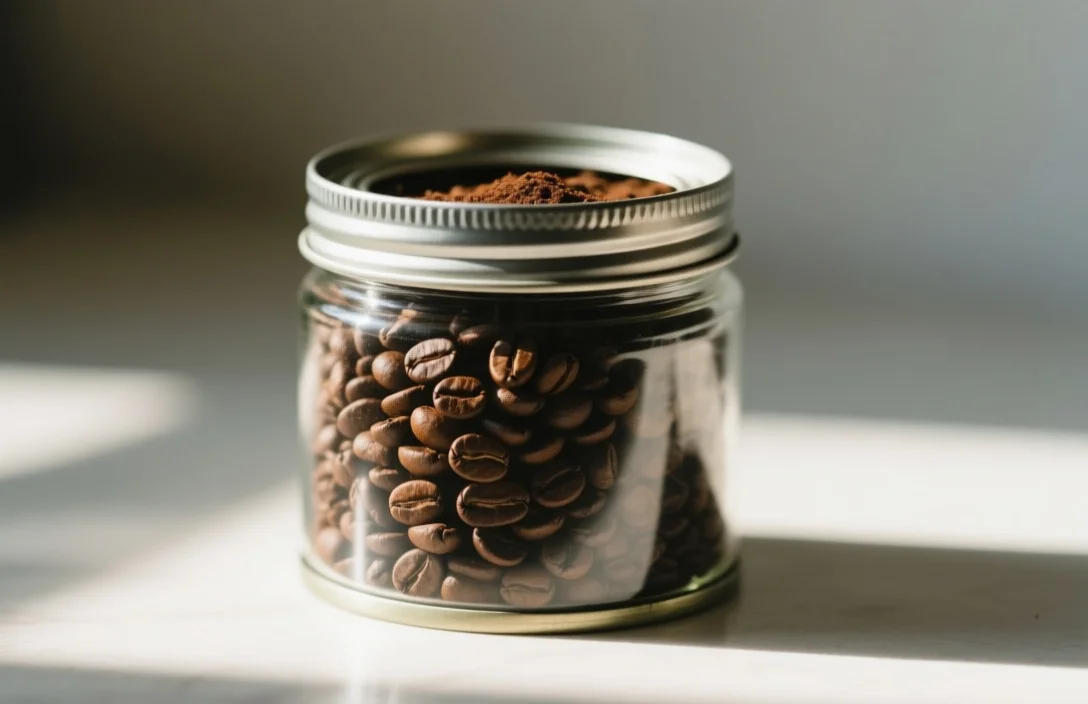
Use containers with one-way valves if possible. These let carbon dioxide (released by freshly roasted coffee) escape without letting oxygen in. Glass or ceramic containers with rubber seals work well, but avoid clear glass unless you keep it in a dark place – light degrades coffee almost as fast as oxygen. If you’re using the original bag, squeeze out as much air as possible before sealing it with a clip or rubber band.
Freezing Ground Coffee to Extend Shelf Life
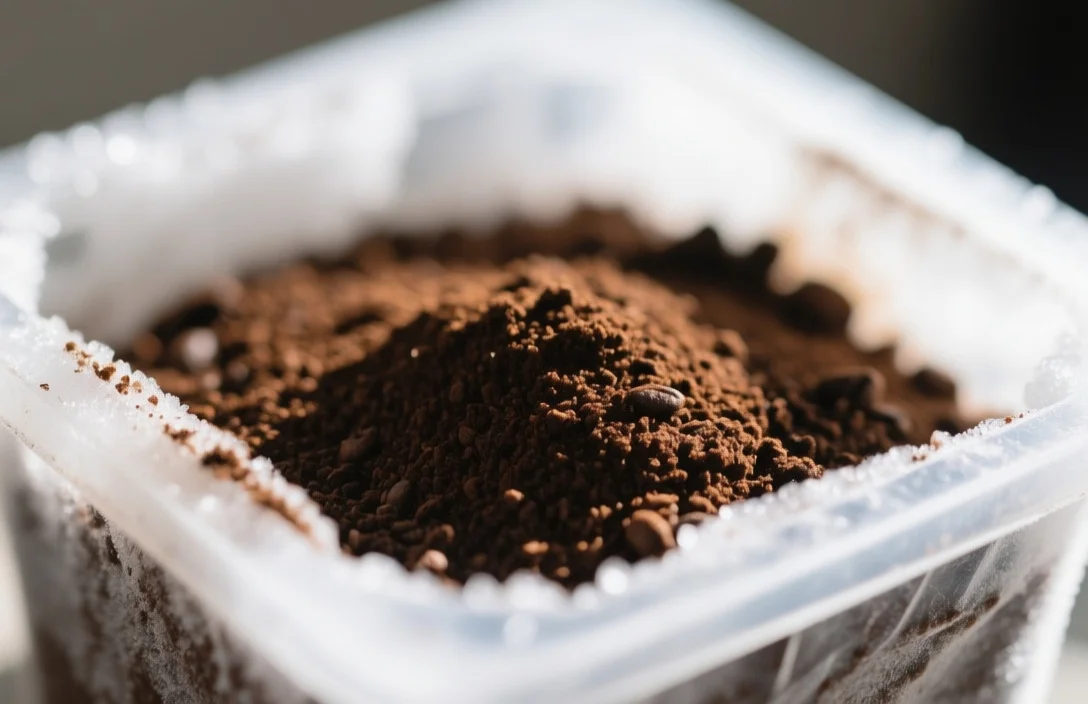
Freezing ground coffee can extend its shelf life to 3-6 months, but only if you do it right. The biggest mistake is freezing coffee in its original bag – condensation will form when you thaw it, ruining the grounds. Instead, divide the coffee into small, single-use portions (enough for one brew) and store them in airtight, freezer-safe containers or vacuum-sealed bags.
Thaw only what you need. Taking the whole container in and out of the freezer causes temperature swings, which introduce moisture and speed up staleness. If you’re using a vacuum sealer, freeze the coffee first, then seal it to prevent the grounds from getting crushed. When you’re ready to brew, let the portion sit at room temperature for 10-15 minutes before opening the bag to avoid condensation.
Vacuum Sealing Versus Airtight Container Storage
Vacuum sealing removes almost all oxygen, preserving ground coffee for 3-6 months in the freezer or 4-6 weeks in the pantry. Airtight containers (like mason jars or canisters with rubber gaskets) are better than nothing, but they still leave some air in the container, so coffee stored this way lasts 2-3 weeks at room temperature.
The trade-off is convenience. Vacuum sealers are an extra step, but they’re worth it if you buy coffee in bulk. For daily use, an airtight container kept in a cool, dark pantry is fine – just don’t expect it to last more than a few weeks. If you’re storing coffee for more than a month, freezing in vacuum-sealed portions is the best way to lock in freshness.
Ground coffee is at its best within 1-2 weeks of opening, but proper storage can stretch that window. If you’re serious about freshness, buy whole beans and grind them just before brewing – it’s the only way to guarantee peak flavor. For pre-ground coffee, freeze small portions in airtight containers and thaw only what you need. The key is minimizing oxygen, light, heat, and moisture – do that, and your coffee will taste better for longer.
FAQ
How long does unopened ground coffee last?
Unopened ground coffee stays fresh for 3-5 months if stored in a cool, dark pantry. Check the “best by” date – most bags are good for 6-9 months after roasting, but the coffee was likely ground weeks before packaging, so don’t expect peak flavor that long.
Can you drink ground coffee after the expiration date?
Yes, but it won’t taste great. Expired ground coffee is safe to drink (coffee doesn’t “spoil” like dairy), but it will be flat and bitter. If the bag was unopened and stored properly, it might still be drinkable for 1-2 months past the date, but expect a dull, one-note flavor.
Does freezing ground coffee ruin it?
No, if done correctly. Freezing ground coffee in airtight, single-use portions can extend its shelf life to 3-6 months. The mistake is freezing it in the original bag or taking the whole container in and out of the freezer – this causes condensation and speeds up staleness.
What’s the best container for storing ground coffee?
An airtight container with a one-way valve is ideal. Glass or ceramic jars with rubber seals work well, as do vacuum-sealed bags for long-term storage. Avoid clear containers unless you keep them in a dark place – light degrades coffee almost as fast as oxygen.
How can you tell if ground coffee is still good?
Smell it. Fresh coffee should have a bright, aromatic scent; stale coffee smells dull or musty. Taste is another clue – stale coffee lacks complexity and often has a harsh, bitter finish. For espresso, a lack of crema (the golden foam on top) is a dead giveaway.