How Long Can Coffee Sit Out At Room Temperature: 4-hour Rule
Most coffee left at room temperature remains safe to drink for up to 4 hours, though its flavor profile begins to degrade significantly after the first 30 minutes. If you have added dairy or plant-based creamers, that window shrinks to 2 hours because these additives create a breeding ground for bacteria at ambient temperatures. Coffee is an organic product, and once it leaves the heat of the brewing process, it enters a zone where oxidation and microbial growth become inevitable realities.
Black coffee is safe to consume for up to 4 hours after brewing, provided it was brewed with clean water and kept in a relatively sterile environment. While the risk of foodborne illness is low for plain black coffee within this timeframe, the chemical composition of the beverage changes rapidly as it cools, leading to a sour or metallic taste that most drinkers find unpleasant.
Key Takeaways
- Black coffee limit. Consume plain black coffee within 4 hours to avoid significant flavor degradation and potential bacterial growth.
- Dairy spoilage window. Discard any coffee containing milk, cream, or dairy-based additives after 2 hours at room temperature.
- Oxidation affects taste. Oxygen reacts with coffee oils within 30 minutes, causing a noticeable loss of aroma and brightness.
- Temperature danger zone. Bacteria multiply rapidly between 40 degrees Fahrenheit and 140 degrees Fahrenheit, which includes most room-temperature environments.
- Reheating risks. Reheating coffee does not make it safe if it has already passed the 4-hour threshold for black coffee.
- Container cleanliness. Always use a clean mug or carafe, as residual bacteria from previous uses can accelerate spoilage significantly.
How Long Can Coffee Sit Out at Room Temperature
The 4-hour rule serves as the industry standard for black coffee, but environmental factors often dictate how quickly your cup loses its quality. High humidity and temperatures above 75 degrees Fahrenheit can accelerate the breakdown of organic compounds, making the coffee taste stale faster than it would in a climate-controlled room. While the acidity of coffee provides some minor protection against immediate spoilage, it is not a preservative.
If you find yourself with a forgotten cup of coffee, check the temperature and the environment before you take a sip. If your home is particularly warm or if the coffee was left near a heat source like a stove or radiator, the window for safe consumption may be shorter than 4 hours. Once the coffee reaches room temperature, the natural oils begin to break down, which contributes to the bitter, hollow taste associated with “old” coffee.
Milk and Creamer Spoilage Timelines
Milk and creamers possess a much lower tolerance for room temperature than coffee itself because they contain proteins and sugars that support rapid bacterial growth. Once you introduce dairy to your coffee, you are no longer dealing with a simple infusion of grounds and water, but a perishable food product. The United States Department of Agriculture advises against keeping perishable foods in the danger zone of 40 to 140 degrees Fahrenheit for more than 2 hours.
For plant-based alternatives like almond, oat, or soy milk, the same 2-hour rule applies. While some shelf-stable non-dairy creamers may resist spoilage slightly longer due to added stabilizers, they are still susceptible to contamination once opened and poured into a warm beverage. If you are unsure how long a milky coffee has been sitting out, the safest path is to discard it rather than risking an upset stomach.
| Additive Type | Safe Window at Room Temp | Risk Factor |
|---|---|---|
| Black Coffee | 4 Hours | Low (Flavor loss is primary issue) |
| Dairy Milk/Cream | 2 Hours | High (Bacterial growth) |
| Plant-based Milk | 2 Hours | Moderate to High |
| Flavored Syrups | 4+ Hours | Low (Sugar content acts as stabilizer) |
Black Coffee Oxidation and Flavor Loss
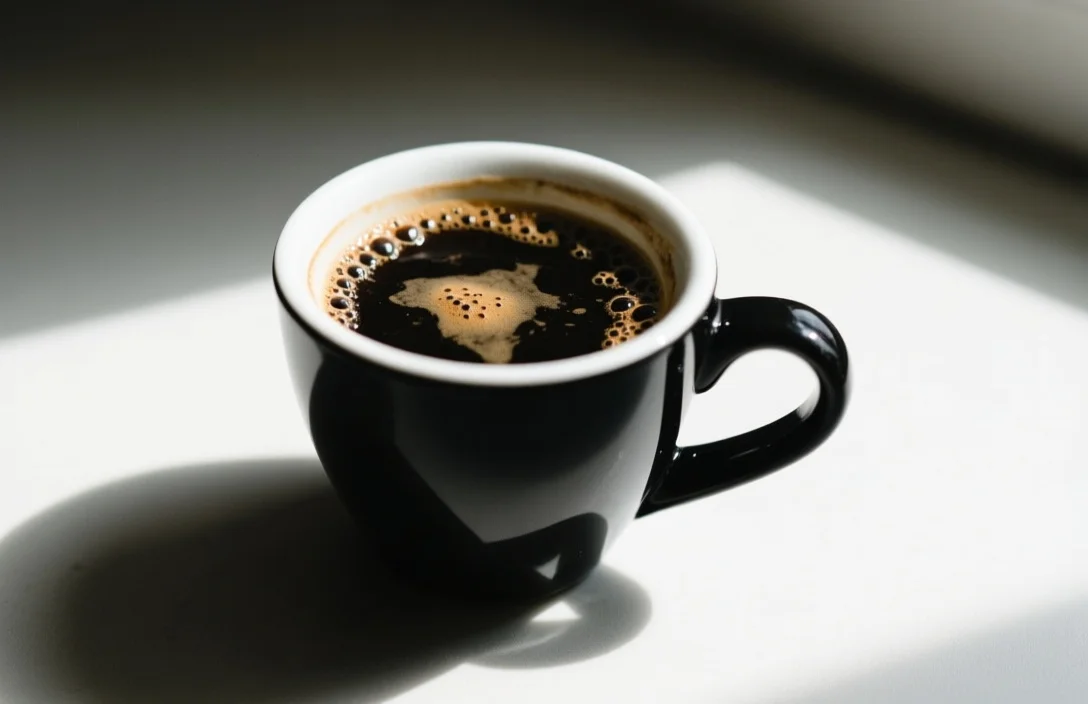
Flavor degradation begins almost immediately after the brewing process ends, often becoming noticeable to a refined palate within 20 to 30 minutes. Oxidation is the primary culprit, as oxygen molecules interact with the volatile oils and acids extracted from the grounds. This chemical reaction turns the complex, bright notes of a fresh roast into a flat, muted, or sharply acidic experience.
The chemical changes involve the chlorogenic acids in coffee, which break down into quinic and caffeic acids as the temperature drops. This shift is what gives cold, old coffee its characteristic “stale” and “bitter” profile. While this process does not necessarily make the coffee toxic, it fundamentally alters the beverage, transforming a carefully crafted cup into something that lacks the depth and nuance of its original state.
Identifying Spoiled Coffee Brews
Visual cues are often the first sign that your coffee has moved past its prime, though you should never rely on smell alone. If you notice a thin, oily film on the surface of the coffee, it may indicate that the oils have oxidized and separated from the water. A cloudy appearance in black coffee is another red flag, suggesting that microbial growth or sedimentation has occurred.
Smell is a reliable, if late-stage, indicator of spoilage. Freshly brewed coffee has a distinct aroma profile characterized by nutty, floral, or fruity notes; if your coffee smells sour, musty, or like wet cardboard, it has begun to degrade significantly. If you have added dairy, look for signs of curdling or a distinct “off” odor that deviates from the scent of fresh milk. When in doubt, perform a quick visual and olfactory check, but remember that bacteria can be present even if the coffee looks and smells normal.
Cold Brew versus Hot Coffee Longevity
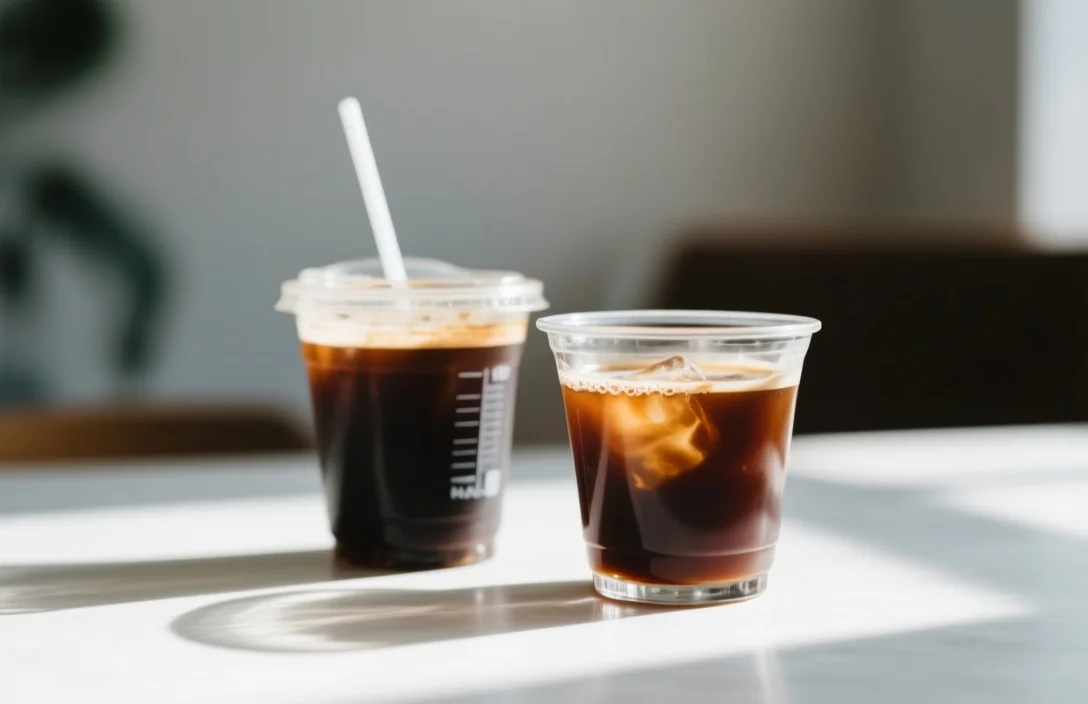
Cold brew coffee generally lasts longer than hot-brewed coffee because the brewing process itself is different and the lack of heat prevents the initial chemical “shock” that leads to rapid flavor breakdown. Because cold brew is made with cold water over a long period, it does not contain the same volatile compounds that oxidize quickly in hot coffee. However, this does not mean it is immune to bacteria.
A concentrated batch of cold brew kept in an airtight, refrigerated container can last for up to 7 to 10 days. Once you dilute it and leave it out at room temperature, it follows the same 4-hour rule as regular coffee. If you are drinking a pre-bottled cold brew, always check the manufacturer’s label, as some products contain additives that require refrigeration immediately after opening.
Reducing Coffee Oxidation
Minimizing the surface area exposed to air is the most effective way to keep your coffee fresh for the duration of its safe consumption window. Using a narrow-necked thermal carafe instead of a wide-mouthed mug significantly reduces the rate at which oxygen reaches the surface of the liquid. This simple change can help maintain the coffee’s flavor profile for an additional 30 to 60 minutes.
If you are brewing a larger batch, keep the container covered at all times. Even a basic lid creates a barrier that slows down both the cooling process and the rate of oxidation. If you know you will not finish a pot within an hour, pouring the remainder into a vacuum-insulated container will keep the temperature high enough to inhibit some chemical reactions while shielding the coffee from the surrounding air.
FAQ
Is it safe to drink coffee that has been sitting out overnight?
No, you should discard coffee that has been left out overnight. Even if it was plain black coffee, the beverage has been in the temperature danger zone for several hours, making it a prime environment for bacterial growth and mold spores.
Does reheating old coffee make it safe to drink?
Reheating does not make spoiled coffee safe. While heat can kill some bacteria, it does not remove the toxins that may have already been produced by microbes during the time the coffee sat at room temperature.
Can I leave my coffee in a French press on the counter?
You can leave coffee in a French press for up to 4 hours, but be aware that the grounds are still sitting in the water. This leads to “over-extraction,” which makes the coffee taste extremely bitter and astringent even if it hasn’t technically spoiled yet.
Why does my coffee taste sour after sitting out for an hour?
The sour taste is caused by the breakdown of chlorogenic acids into quinic acid as the coffee cools. This is a natural chemical process that occurs as the temperature drops and the coffee oxidizes, leading to that sharp, unpleasant flavor.
How can I tell if my plant-based creamer has gone bad in coffee?
If you suspect your creamer has spoiled, look for clumps or a change in texture when you stir it into the coffee. If the coffee develops an unusual, fermented, or sour smell, it is best to discard the entire cup immediately.
Enjoying your coffee at its peak is a matter of timing and storage. For the best flavor, aim to consume your brew within the first 30 minutes, and never push your luck beyond the 4-hour mark for black coffee or the 2-hour mark for coffee with dairy. If you find yourself consistently throwing out half-finished cups, consider brewing smaller, more frequent batches to ensure every sip is as fresh as the first.