How Long Does It Take To Perk Coffee: 5 Factors To Watch
Percolating coffee on the stove is a classic method that delivers bold, aromatic brews – but timing is everything. Get it wrong, and you’ll end up with weak, bitter, or even burnt coffee. Most stovetop percolators take 6 to 12 minutes to brew a full pot, but the exact time depends on heat, grind size, and your taste preferences. If you’ve ever wondered why your coffee tastes off, the answer often lies in how long you let it perk.
Stovetop coffee percolation typically takes 6 to 12 minutes. A small 4-cup percolator may finish in 6-8 minutes, while a larger 12-cup pot can take 10-12 minutes. The process starts when water begins bubbling through the grounds and ends when the coffee reaches your desired strength. Over-perking (beyond 12-15 minutes) risks bitterness, while under-perking (under 5 minutes) leaves the brew weak and sour.
Key Takeaways
- 6-12 minutes is the standard brew time for stovetop percolators.
- Smaller pots (4-6 cups) finish faster, often in 6-8 minutes.
- Heat level changes brew time: high heat speeds it up, low heat slows it down.
- Grind size matters: coarse grounds take longer to extract than fine ones.
- Watch for bubbles – steady percolation starts around 3-4 minutes in.
- Taste test after 6 minutes to avoid over-extraction.
How Long Does It Take to Perk Coffee on the Stove
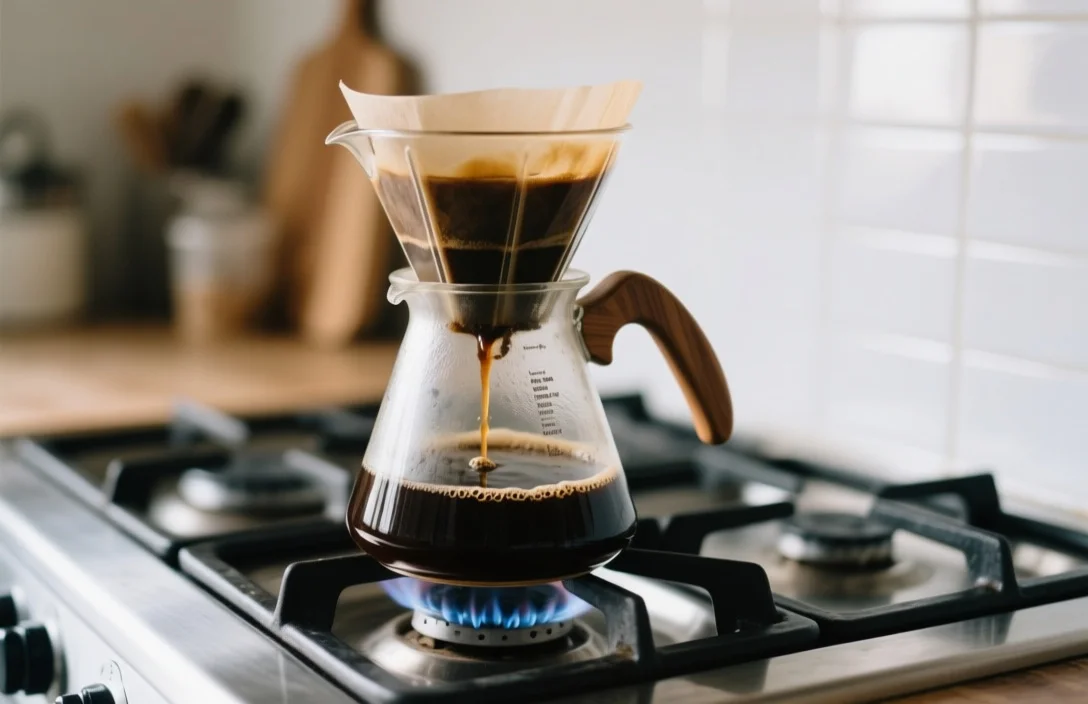
A stovetop percolator brews coffee by cycling hot water through coffee grounds repeatedly. The process starts when the water in the bottom chamber heats up enough to force steam through a vertical tube, splashing over the grounds in the basket. This cycle repeats until the coffee reaches your preferred strength.
Most percolators take 6 to 12 minutes to brew a full pot, but the clock doesn’t start when you turn on the heat – it starts when you see the first steady stream of bubbles rising through the glass knob. On medium heat, this usually happens 3 to 4 minutes after the pot goes on the burner. From that point, count another 3 to 8 minutes of active percolation before removing the pot from the heat.
A 4-cup percolator might finish in 6 to 7 minutes total, while a 12-cup pot can take 10 to 12 minutes. If you’re using high heat, the process speeds up, but you risk scorching the grounds. Low heat slows it down, which can help avoid bitterness but may leave the coffee under-extracted.
Factors Influencing Stovetop Coffee Brewing Duration
The time it takes to perk coffee isn’t fixed – it changes based on five key variables:
- Heat level – High heat brings water to a boil faster and speeds up percolation, but it can also burn the grounds. Medium heat is the safest bet for consistent results.
- Grind size – Coarse grounds (like sea salt) take longer to extract flavor, while fine grounds (like table salt) release flavor quickly but can clog the basket.
- Pot size – A 12-cup percolator holds more water, so it takes longer to heat and cycle through the grounds than a 4-cup model.
- Water-to-coffee ratio – More coffee grounds slow down water flow, extending brew time. A standard ratio is 1 tablespoon of coffee per 6 ounces of water.
- Stove type – Gas burners respond quickly to heat adjustments, while electric stoves have a lag, making it harder to control brew speed.
For example, if you’re using a 6-cup percolator on medium heat with coarse grounds, expect the process to take 8 to 10 minutes. Switch to fine grounds on high heat, and it might finish in 5 to 6 minutes – but the coffee could taste harsh.
Signs Your Coffee Has Reached the Ideal Extraction Point
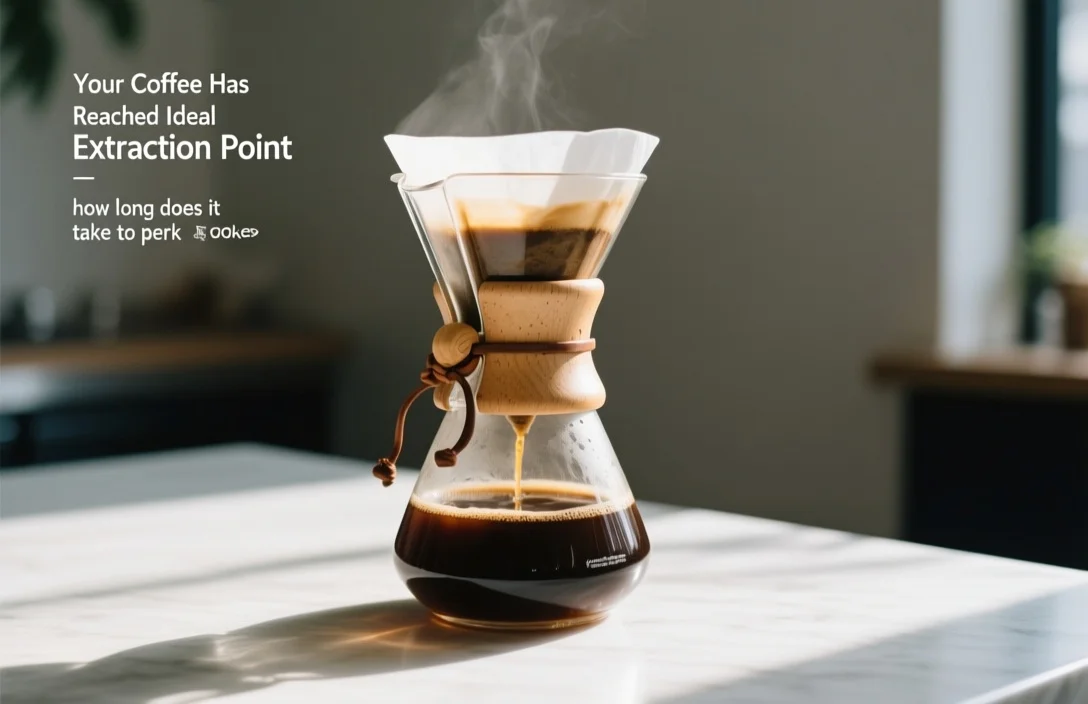
The best way to know when your coffee is done perking? Watch and taste. Here’s what to look for:
- Steady percolation – The water should bubble rhythmically through the glass knob, not violently or sporadically. If it’s splashing too hard, lower the heat.
- Color change – The coffee in the pot starts pale and lightens as it brews. When it turns a rich, golden-brown (like maple syrup), it’s close to done.
- Aroma – The smell shifts from grassy and acidic to deep and toasty. If it starts smelling burnt, remove the pot immediately.
- Taste test – After 6 minutes, pour a small sample into a cup. If it’s weak, let it perk another minute or two. If it’s bitter, you’ve gone too long.
Most percolators don’t have automatic shut-off, so you’ll need to stay nearby. A good rule of thumb: Start tasting at 6 minutes and check every 30 seconds after that.
Risks of Over-Perking Your Coffee Grounds
Leaving coffee on the heat too long doesn’t just make it bitter – it can ruin the entire pot. Here’s what happens when you over-perk:
- Bitterness – Coffee grounds release bitter compounds after 8 to 10 minutes of extraction. The longer they steep, the harsher the taste.
- Burnt flavor – If the water boils too aggressively, it can scorch the grounds, giving the coffee a smoky, acrid taste.
- Muddy texture – Over-extraction breaks down the coffee’s oils, leaving a gritty, sludgy mouthfeel.
- Wasted coffee – Once the grounds are over-extracted, there’s no fixing the pot. You’ll need to start over.
The danger zone starts around 12 to 15 minutes. If you’re not paying attention, a pot can go from perfect to undrinkable in just a few minutes. To avoid this, set a timer for 8 minutes and check the coffee every minute after that.
Adjusting Brew Time for Stronger or Milder Flavor Profiles
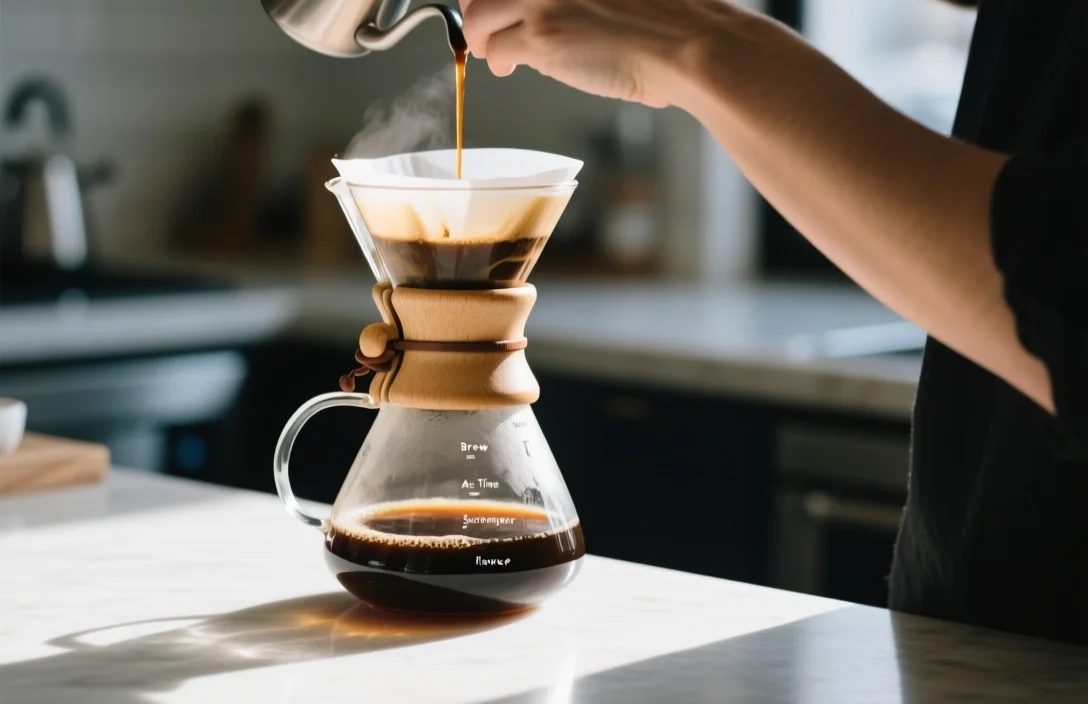
If your coffee tastes too weak or too strong, tweaking the brew time can help – but it’s not the only factor. Here’s how to dial in your preferred strength:
| Goal | Brew Time Adjustment | Other Tweaks |
|---|---|---|
| Stronger | Add 1-2 minutes | Use finer grounds, increase coffee ratio |
| Milder | Reduce by 1-2 minutes | Use coarser grounds, decrease coffee ratio |
| Balanced | 6-8 minutes | Medium grind, standard coffee-to-water |
For example, if your coffee tastes watery after 6 minutes, let it perk for 7 to 8 minutes next time. If it’s too bitter, try 5 to 6 minutes and use a slightly coarser grind. Small adjustments make a big difference – change one variable at a time to avoid overcorrecting.
Recommended Water Temperature for Optimal Flavor Extraction
Percolators don’t have precise temperature controls, but you can still aim for the ideal range. Coffee extracts best between 195°F and 205°F (90°C-96°C). Here’s how to hit that window:
- Preheat the water – Start with hot tap water (around 120°F) instead of cold. This reduces the time the pot spends on the heat, lowering the risk of over-extraction.
- Use medium heat – High heat can push the water past 212°F (boiling), which scalds the grounds. Medium heat keeps it in the sweet spot.
- Watch the bubbles – When the water starts percolating (around 3-4 minutes in), it’s usually in the right temperature range. If it’s boiling too hard, lower the heat.
If you don’t have a thermometer, a simple trick is to remove the pot from the heat as soon as the coffee reaches your desired strength. The residual heat will keep the water hot enough to finish extracting without overdoing it.
FAQ
How do I know when my percolator is done?
The coffee is done when it reaches your preferred strength, usually 6 to 12 minutes after percolation starts. Watch for a rich golden-brown color, a deep aroma, and a taste test that confirms the flavor.
Can I perk coffee too long?
Yes. Over-perking (beyond 12-15 minutes) makes coffee bitter and burnt. Set a timer for 8 minutes and check every minute after that to avoid over-extraction.
Does grind size affect percolation time?
Absolutely. Coarse grounds take longer to extract (8-10 minutes), while fine grounds extract faster (5-7 minutes) but can clog the basket. Medium-coarse is the safest choice for most percolators.
Why does my percolator coffee taste weak?
Weak coffee usually means under-extraction – either from too short a brew time (under 6 minutes), too coarse a grind, or too little coffee. Try adding 1-2 minutes to the brew time or using finer grounds.
Should I use boiling water in a percolator?
No. Boiling water (212°F) can scorch the grounds, making the coffee bitter. Aim for 195°F-205°F by using medium heat and preheating the water. If the pot boils too hard, lower the heat immediately.