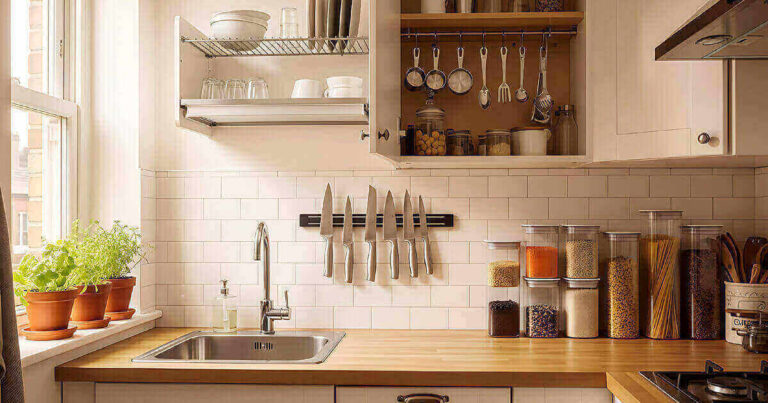
How To Organize Spice Cabinet By Cooking Style
A spice cabinet gets messy fast because you’re trying to find flavor, not “a container labeled paprika.” Organizing by cooking style lets you pull the right seasonings in seconds for tacos, stir-fries, or roasting instead of starting a spice scavenger hunt. Zones, clear labels, and a repeatable reset routine keep the system useful.
The basic setup is simple: split your shelf into cooking-style zones, such as Mexican, Asian, baking, and roasting, then store spices where you most often use them together. Use a front-to-back rule for frequency and reserve a “daily reach” band for spices you use often. Start with your top 25 spices, then expand once the system works.
Key Takeaways
- Start with your most-used spices so you get quick wins within 1 hour.
- Map spices to cooking styles based on how you actually season meals, not how recipes name spices.
- Use consistent container sizes so your labels match what’s in the cabinet.
- Label shelves and tins so everyone in your home can reshelve items correctly.
- Separate powders from pastes based on moisture sensitivity and clumping risk.
- Reset after grocery runs so “temporarily placed” spices do not become permanent.
Organize Your Spice Cabinet Around Cooking Style
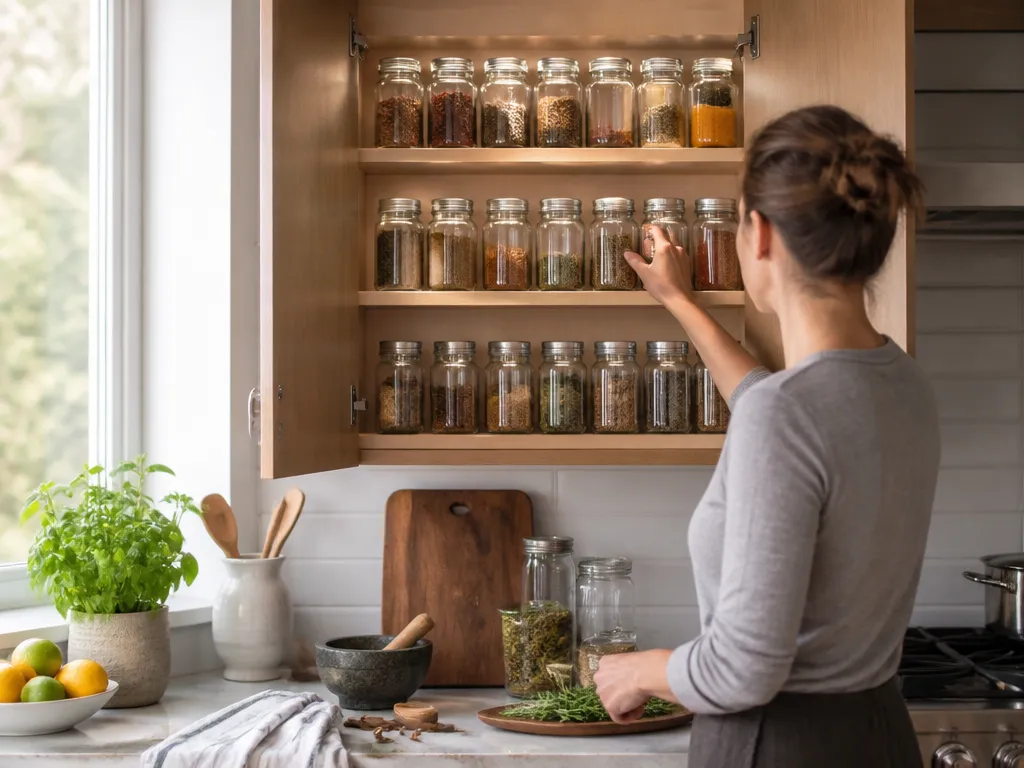
You’re organizing for cooking speed, so design the cabinet around where your hand reaches during real meal prep. A style-first system works because you usually decide on the kind of meal – tacos, curry, or roasting – before choosing individual spices.
Empty one shelf at a time. That keeps the project manageable and shows you what you actually own instead of what you remember buying. As you sort, ask: “Which meals would I reach for this spice in?” If the answer changes from dish to dish, put the spice in a “bridge” area for general cooking or in the style zone where you use it most often.
Choose a cabinet layout that matches how you cook
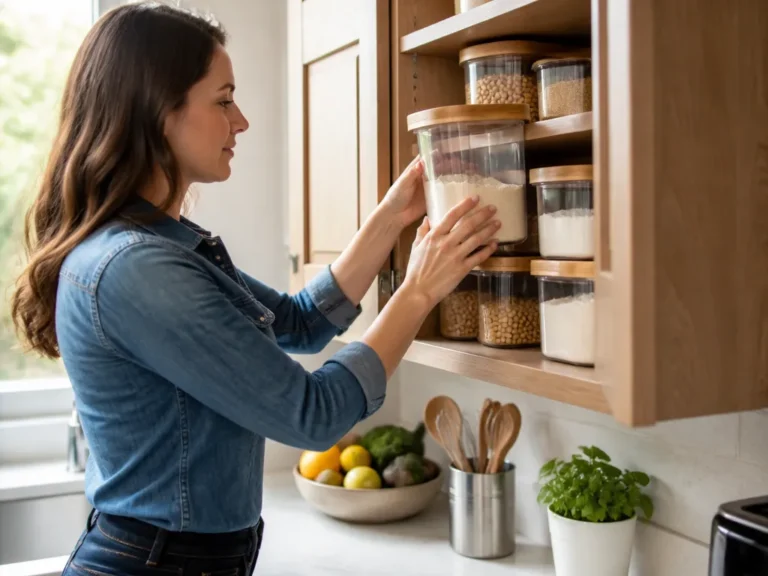
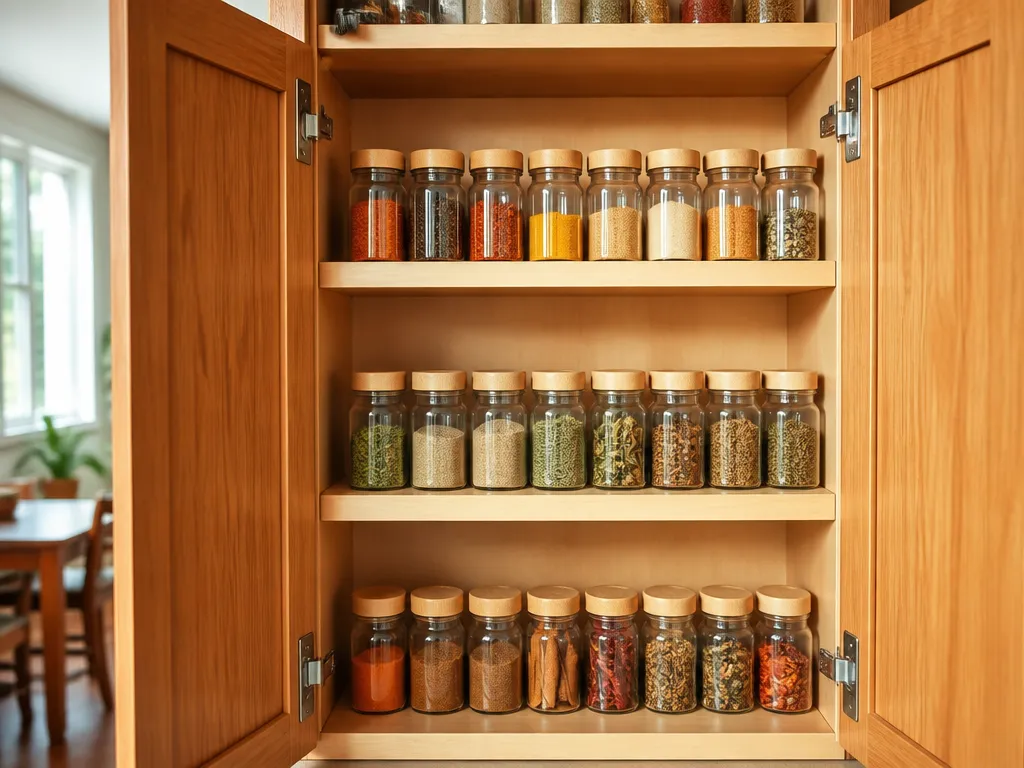
Use the shelf height you can reach without moving a step stool. If the shelves are adjustable, reserve the middle shelf for everyday spices and the top shelf for overflow or “seasonal” blends. Keep the heaviest jars on lower shelves so you are not lifting them from overhead while your hands are full.
Distance matters, too. A cabinet that is too deep or too high will slow you down even when every jar has a label. Put the spices you use while cooking on the easiest shelf to reach.
Choose Cooking Styles From Your Actual Recipes
Your cooking styles should reflect what you cook, not what sounds appealing. Most households can start with 6 to 10 styles based on their weekly rotation.
Write down your last 10 planned meals and look for repeated flavor patterns. If two meals use the same set of spices – such as cumin, chili powder, and smoked paprika – group them in one style zone. A spice used for one unusual meal can stay under “one-off flavors” until you know whether you will use it again.
Use style labels that are easy to remember
Choose names specific enough to guide your decision but broad enough to cover variations:
- Mexican and Tex-Mex
- Indian and curry
- Mediterranean roasting
- Asian stir-fry and noodles
- Baking and dessert
- BBQ and smoking
- Breakfast and savory
- General seasoning, including salt-free or all-purpose blends
Dietary patterns do not always make useful spice zones. “Gluten-free” rarely needs its own section, but “Low-sugar baking” might if that is a regular part of your pantry.
Create Pantry Zones by Cooking Style
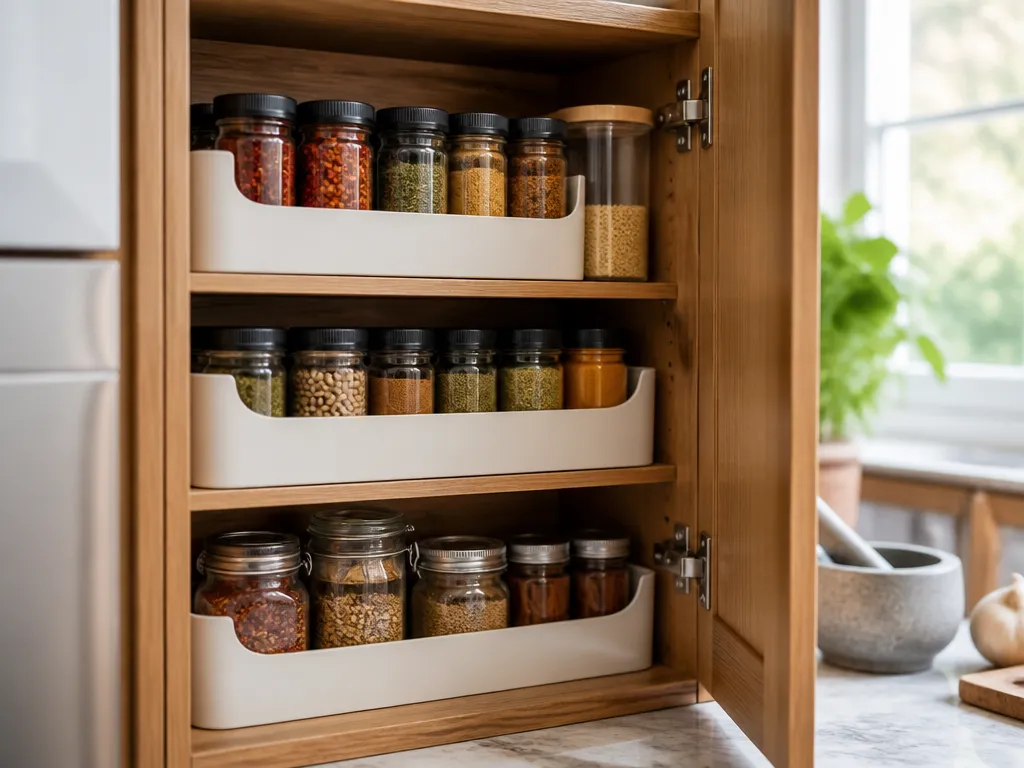
Assign each spice to one primary zone based on the meals you make most often. For spices that appear across many styles, use a secondary rule: place them in a shared daily-reach area or in the style where you use them most.
Keep zones physically separate so you do not have to reread labels while cooking. A zone can occupy a shelf section or half a shelf, as long as items from different categories do not blur together.
Give larger zones to the styles you cook most
Equal-sized zones waste space. A style you cook several times a week needs more room than one you make occasionally. Give your most-used styles the largest sections and keep rare spices in smaller areas.
A workable layout includes:
- 1 main zone for each most-used cooking style
- 1 small zone for blends and “in-between” flavors
- 1 overflow zone for backups, so duplicate purchases have a home
Keep salt and sugar in logical places
Salt deserves its own category because it affects nearly every other seasoning decision. If you keep kosher, fine, flaky, or smoked salt, store them together near your general seasonings. Keep sugar with baking rather than spice blends unless you regularly use it in savory sauces.
Give overlapping spices a shared role
Some spices, including black pepper, garlic powder, and cinnamon, belong to several cooking styles. Do not force them into a narrow category when you use them everywhere.
- Place black pepper in a “daily reach” band shared by most meals.
- Put garlic powder near both the “Asian stir-fry” and “roasting” areas.
- Keep cinnamon in baking, with a small “breakfast” section if you sprinkle it often.
Label Containers and Shelf Sections Clearly
Labels keep the system working after the first week. Without them, temporary reshelving turns into permanent clutter.
Decant only when it improves storage. Keep spices that already come in stable, resealable jars. Transfer spices from flimsy plastic bags or open-lid cans into containers that seal well and reduce clumping.
Label both the jar and the shelf
Jar labels prevent the “this looks like oregano, but might be thyme” problem. Shelf labels solve the separate problem of knowing what a spice is but not where it belongs.
Match shelf labels to your style zones rather than using generic categories such as “Spices A-M.” Label a section “Mexican and Tex-Mex,” for example, and label each jar with the spice name. For hot spices, you can add a heat tag such as “chili powder – medium.”
Use one naming convention
Use the same label format across the cabinet. Choose either:
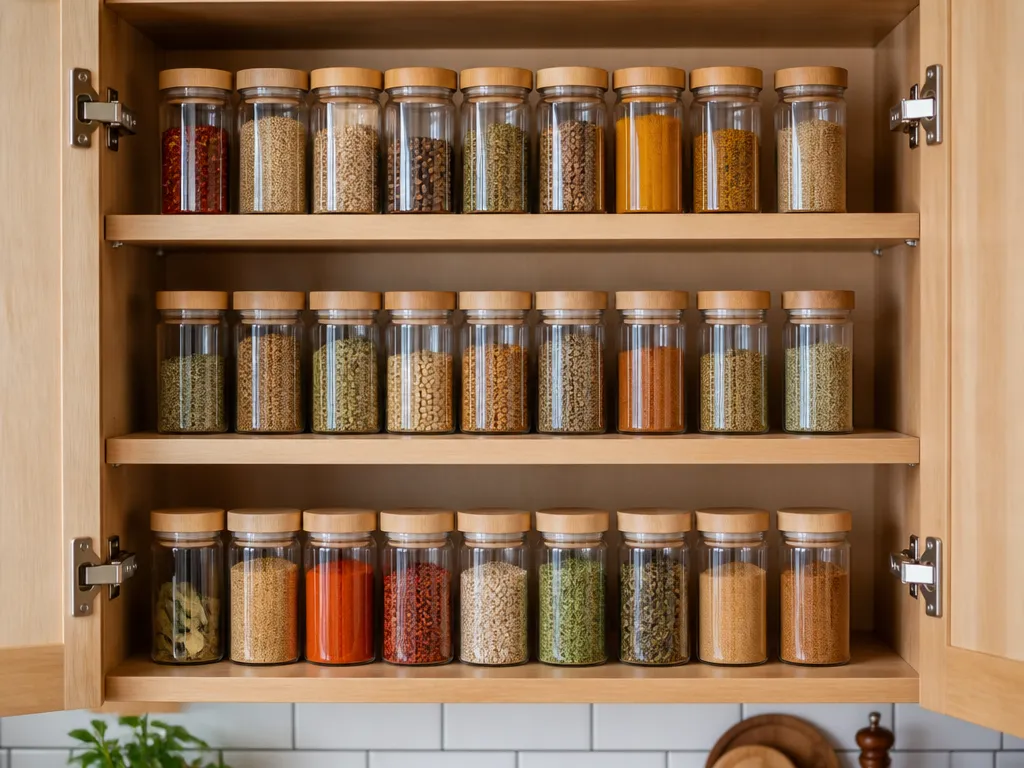
- Spice name only, such as “smoked paprika”
- Spice name plus type, such as “cumin – ground” or “cumin – whole”
Label whole and ground versions separately. That distinction helps prevent stale-flavor confusion and keeps you from grabbing the wrong form during cooking.
Example label and container setup by spice type
| Spice type | Container choice | Label tip | Best zone placement |
|---|---|---|---|
| Ground spices (cumin, chili powder, turmeric) | Small airtight jar | Add “Ground” if you also have whole | Style zones such as Mexican, curry, and roasting |
| Whole spices (coriander seed, fennel seed) | Airtight jar or canister | Mark “Whole” clearly | Same zone, less frequently used back row |
| Blends (taco seasoning, curry powder) | Airtight jar or tin | Include the exact blend name | “Blends” row within the closest style zone |
| Pastes (ginger, garlic, curry paste) | Airtight small container | Add a date for homemade pastes | Separate “wet” pocket or top-shelf overflow |
| Powders that clump (nutmeg, some mixes) | Dryer container, with desiccant if needed | Use “Dry” or “Powder” | Baking zone or daily reach if used often |
| Salt and sugar | Dedicated labeled container set | Name the salt type, such as fine, kosher, or smoked | Salt shelf near general seasoning; sugar in baking |
Store Powders, Seeds, and Pastes for Quick Access
A spice’s physical form affects how you use and store it. Powders and seeds have different handling needs, while pastes require a separate workflow because they are moisture-sensitive and can stick to hands or nearby containers.
Keep frequently used forms easy to scoop or grab. Move less-used forms higher or farther back within the same style zone.
Sort by form within each style zone
Create three mini-bands inside each style zone:
- Powders in front
- Whole seeds in the back or in a second row
- Pastes in a designated wet area
Even without a fourth label category, this arrangement reduces rummaging during cooking.
Keep wet items away from dry powders
Store pastes in a separate container area away from spices that could absorb moisture. A top shelf or side shelf in the same cabinet can work, as long as wet items do not mix with dry spices.
Messy or poorly sealed pastes can also affect nearby containers. Keeping them contained helps prevent moisture and stray residue from spreading through the cabinet.
Arrange Everyday Spices by Frequency and Heat
Style zones get you to the right family of flavors. Frequency and heat determine how quickly you find the exact spice you need.
Set up the “daily reach” band first. This is the shelf space you can access without moving other items. Once that area works, organize the less-used spices around it.
Put frequent-use spices in the front row
Common frequent-use spices include:
- black pepper
- garlic powder
- onion powder
- paprika
- cumin, for many households
- chili flakes, for spice lovers
If you are unsure what belongs in front, do a one-week spot check. Note where you pull each spice during the week. After 7 days, the front-row choices should be obvious.
Group hot spices by heat level
Heat level is a common reason people rummage through the cabinet. If you keep cayenne, chili powder, or crushed red pepper, create a “hot lineup” within the relevant style zones.
Rank heat according to how you use the spices rather than relying on brand claims:
- mild heat: paprika and sweet chili blends
- medium heat: chili powder and cumin-chili mixes
- hot heat: cayenne, habanero powder, and chili flakes, depending on your taste
Keep the hottest items together so you can choose heat deliberately instead of over-seasoning by accident.
Reset the Cabinet After Grocery Runs and New Recipes
Grocery trips and new recipes are where an organized cabinet starts to break down. Give every new spice a home immediately instead of leaving it on the counter or placing it in the nearest open space.
Treat each new spice as a one-minute task. As soon as you unpack it, check the cabinet, find the correct style zone, label the container if needed, and put it in the right row.
Use the one-touch rule
When you add an item:
- Confirm the exact spice name on the label.
- Check whether you already own it to prevent duplicates.
- Put it in the zone where you will use it next.
- Label the container if you transferred the spice.
- Place it in the correct row, with frequent-use items in front and occasional items in back.
The goal is not a perfect cabinet. It is avoiding a second “spices pile.”
Use a new-recipe tray
For each new recipe, place the likely spices in a small tray or bin for the cooking session. When you finish, return every item to its labeled place. The tray prevents the familiar delay where everything stays on the counter because it can “go back later.”
FAQ
How do I choose cooking styles if I cook a bit of everything?
If a spice appears once in your meal list, keep it in a small “general” or “one-off” area until it earns a dedicated zone.
What is the fastest way to start if my cabinet is a mess?
Empty one shelf instead of the whole cabinet. Sort the contents into broad piles such as salt and sweet, baking, Mexican and Tex-Mex, curry and Indian, Asian stir-fry, roasting, blends, and “other.”
Label that shelf and return your top 25 most-used spices to the front row for quick access. Keep rare items in labeled containers toward the back until you organize the rest of the cabinet.
Do I need to buy new containers for this to work?
No. You need containers that reseal consistently and labels that clearly identify the contents. Transfer spices from open tins, flimsy bags, and containers that leak powder. Keep anything that already works, replace only what causes confusion, and label every transferred spice.
How do I organize spices by heat without making it complicated?
If people in your home prefer different heat levels, keep the hottest spices less prominent so using them requires a deliberate reach.
What is the most common mistake when organizing spices by cooking style?
Organizing once and never resetting the system is the most common mistake. After grocery runs, new items land on top or get shoved into the nearest open space, and the cabinet gradually returns to chaos.