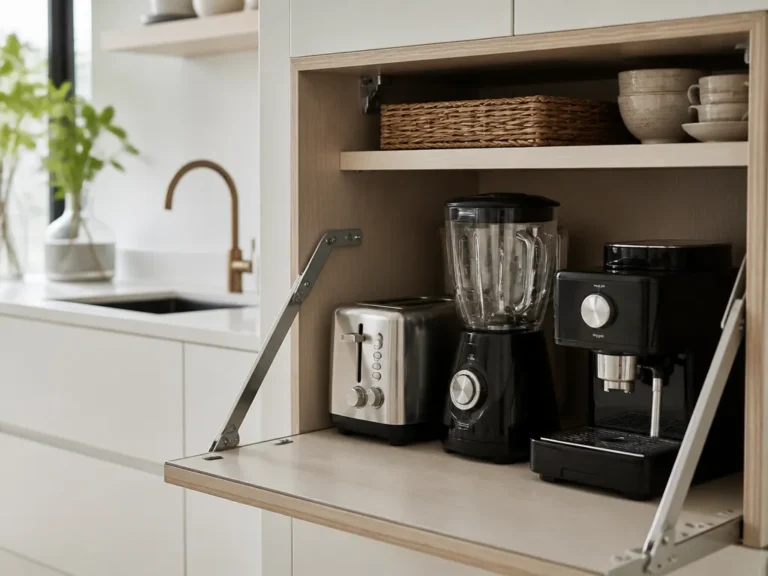

How To Use Vertical Space For Storage
Most rooms lose storage capacity because everything sits at chest height. Build upward with shelves, hooks, racks, and bins to reclaim floor space, reduce clutter, and make frequently used items easier to find. Plan the layout, install a few high-impact solutions, and keep everyday items within easy reach.
Vertical storage works when weight-bearing items sit on sturdy mounts, each height zone has a purpose, and grab-and-go items stay between about waist and eye level. Start by clearing one wall section, measuring studs and clearance, then add shelves, wall hooks, over-door racks, or stackable bins.
Key Takeaways
- Start with measurements. Mark stud locations, check door swing, and measure clearance before buying hardware.
- Use zones by height. Put daily items around eye level, seasonal items higher, and heavy items lowest.
- Choose the right mounting. Use studs for shelves and rails, and use appropriate anchors only for light loads.
- Keep tall items stable. Add bin lids, drawer stops, and anti-tip straps for top-heavy setups.
- Label everything. Use big, high-contrast labels so items are findable without opening every container.
- Plan for access. Leave space for hand reach and lift-offs, and avoid blocking vents or outlets.
How To Use Vertical Space for Storage

Vertical storage adds usable space without increasing your room’s footprint. Sort items by how often you use them, then build upward with shelves, hooks, racks, and bins so you can see and reach everything quickly.
Start with three measurements, using a tape measure and pencil. First, measure the wall height and note obstacles such as windows, vents, baseboards, and power outlets. Second, measure the depth you can spare – how far shelves and bins can extend into the room. Third, measure door swing paths if you plan to use an over-door rack or hanging hooks nearby.
Use this workflow for a one-weekend setup:
- Sort by frequency and weight. Keep daily-use items lower and seasonal items higher.
- Choose storage by function. Use shelves and rails for weight, bins for bulk, and hooks for lightweight items.
- Locate studs and safe mounting points. Mark studs at eye level, then transfer the marks higher.
- Install one system first. A shelf run or wall rail gives the rest of the layout a clear starting point.
A Quick Rule for Safe Load Placement
When you mount anything to drywall, assume the drywall is not load-bearing. Use wall studs for shelves, rails, and heavy hook systems. If you cannot hit studs, use products specifically rated for your anchor type and expected load, then keep the stored items on the lighter side.
A Simple Entryway Setup
On a typical entryway wall, mount a slim shelf near eye level for mail and keys, add hooks slightly above it for bags, and place bins on a higher run for hats and seasonal gloves. The floor stays clear, and each item has a defined vertical home instead of landing on the nearest surface.
Which Items Belong in High Storage
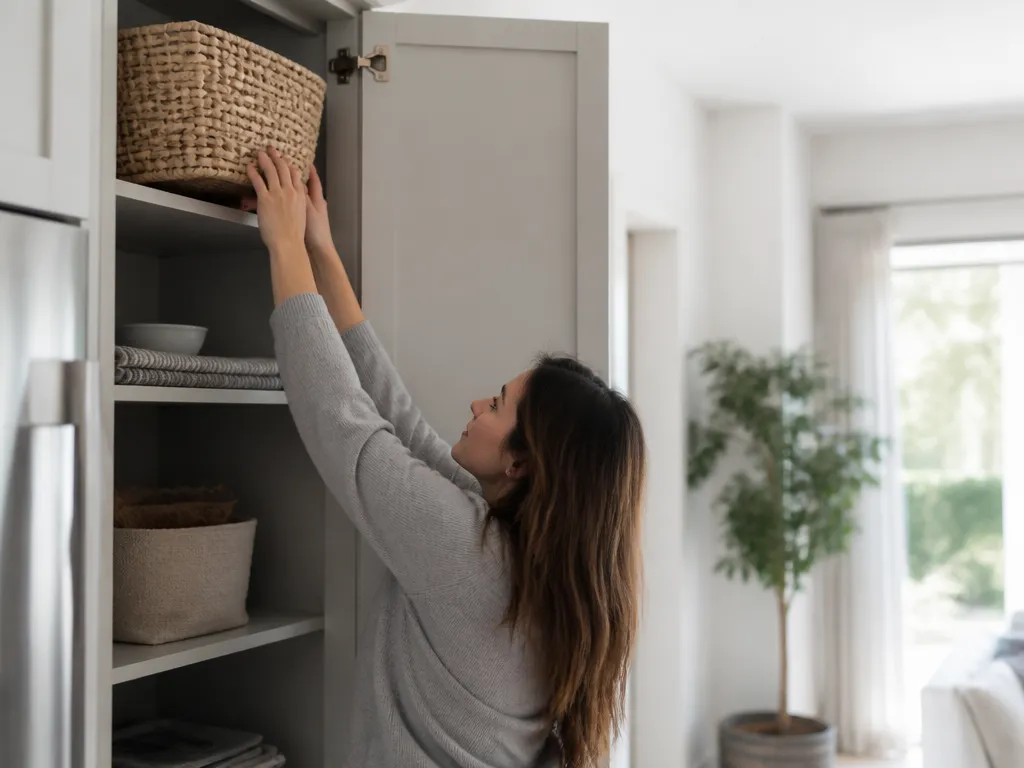
High storage should hold items you use occasionally but still want organized and protected. If you store something you need often up high, you will avoid it, and the system will gradually fail.
Good candidates include holiday décor, extra blankets, ski gear, summer fans, and lightweight serving items used only during gatherings. Specialty tools, spare cleaning supplies, and backup batteries can also go higher if you keep a small active kit at a reachable height.
Use a reach-frequency filter: store rarely used items higher. Keep anything you need weekly or more between waist and eye level, even if that means storing fewer items.
What Not To Put Up High
Avoid placing heavy, fragile, or temperature-sensitive items in the topmost spot without extra protection. A heavy item stored high can make a bin or drawer tip when you pull it out. Fragile items may chip when containers shift during retrieval, while temperature swings can damage some plastics, adhesives, and electronics.
A Practical Sorting Script
Pick up each item and ask, “Do I need this within one minute of deciding to use it?” If the answer is no, it goes high or back into storage. If the answer is yes, give it a lower zone and a clear label.
Wall-Mount Shelves for Small Spaces
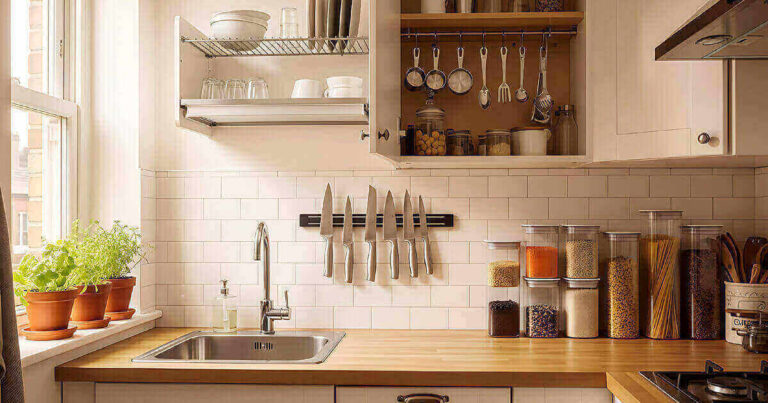
Wall-mount shelves add storage without increasing a room’s footprint. Choose shallow shelves for tight rooms and mount them correctly so they stay level and safe.
Narrow shelves with consistent spacing usually work best in small rooms. Wide shelves can crowd the room or block movement, while shallow shelves encourage the use of baskets and containers that keep loose items contained.
Mounting is where many shelf installations fail. Locate the studs, mark level lines, and choose brackets suited to the shelf material. If you plan to store books, jars, or kitchen items, treat the shelf as a weight-bearing system rather than decoration.
Depth and Spacing That Work
Use these guidelines when choosing shelf sizes:

- Shallow shelves work well for bins, baskets, and picture frames.
- Medium spacing suits books and neatly stacked folded items.
- Deeper shelves can hold larger bins, provided you can still reach the back.
Keep the bottom of a shelf high enough for comfortable standing clearance. Leave enough vertical space between shelves for lids, handles, and containers so you do not have to remove everything to reach one item.
A One-Wall Laundry Room Setup
In a small laundry or utility room, install two or three shelf levels above a folding station. Put frequently used spray bottles in labeled bins on the lower level, then store extra detergents and backup paper goods at mid to high levels. Baskets with a lip can slide out without letting everything fall forward.
Over-Door Racks and Hanging Storage Hooks
Over-door racks and hanging hooks add storage without drilling into studs. They work well in entryways, pantries, bathrooms, and bedrooms where the back of a door would otherwise go unused.
Use over-door racks for cleaning tools, workout gear, towels that are folded and secured, small bags, and office supplies. Hanging hooks suit lightweight items such as robes, scarves, headphones, and tote bags.
These systems install quickly and can move when the room layout changes. Their limitation is load capacity: door-mounted storage is not designed for heavy loads or aggressive pulling.
How To Choose the Right Hook or Rack
Match the hook or rack to the way your items hang:
- Single hooks suit hats or small bags.
- Double hooks work for robes or multiple thin items.
- Sling or rail-style racks provide consistent spacing and quick access.
Before buying, confirm the door thickness and check that the door can swing without hitting the rack. Make sure hanging items have enough clearance above the floor so they do not drag.
A Bathroom Door Setup
In many apartments, the back of a bathroom door provides useful vertical storage. Install an over-door rack for spare towels and add a few hooks below it for hair tools or small grooming bags. The counter stays clear, and each item has a designated place.
Stackable Bins and Vertical Drawer Systems
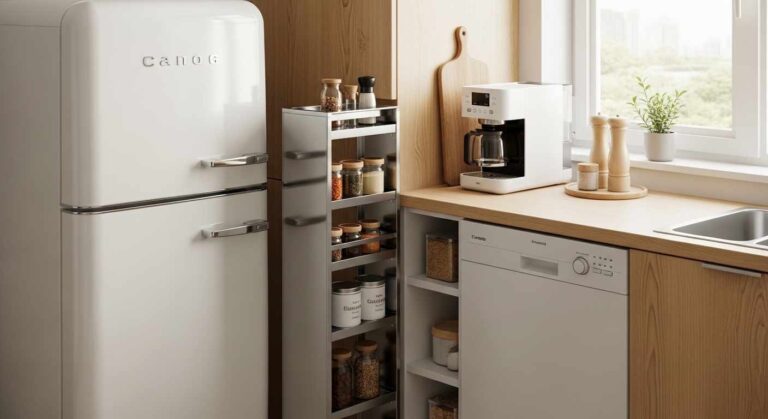
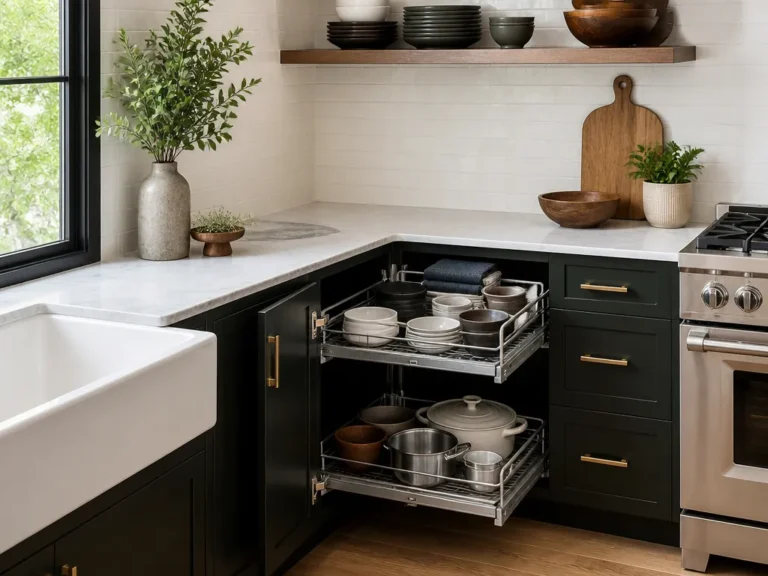
Stackable bins and vertical drawer systems turn awkward vertical areas into organized storage. They work especially well where shelves are too deep to reach comfortably.
Use bins for small items that would otherwise spread across shelves, including craft supplies, batteries, chargers, seasonal accessories, and pantry extras. Vertical drawers suit items you want to grab quickly while keeping categories separate.
A labeled bin sized for its contents reduces repeated reorganizing. You can restock it without sorting through unrelated items first.
How To Pick Bins That Actually Stack
Choose bins that align cleanly and have matching rims and stable bases. Add lids when the storage location needs dust protection. Clear bins still need labels because people forget what is inside them.
If you are storing items at different heights, standardize the bin sizes to avoid unusable gaps. A consistent footprint also makes it easier to add matching containers later.
A Vertical Drawer Strategy
Vertical drawers work best when each drawer has a clear category and moves smoothly. Install them in a tall cabinet, pantry, or closet. Keep the most-used items in the lower half and place backups and seasonal items higher.
A practical category layout is one drawer for “small tools,” one for “consumables,” and one for “backup supplies.” Predictable categories make it less tempting to dump items on the nearest surface.
Organize Tall Closets With Zones and Dividers
Tall closets become dumping grounds when every height is treated the same. Divide the closet into zones so each band has a specific job.
Use three vertical zones:
- Bottom zone: Heavy and bulky items you can lift from waist height.
- Middle zone: Daily-use clothing, hang-ups, and bins you open often.
- Top zone: Seasonal and seldom-used items.
Add horizontal dividers and interior bin dividers to keep categories separate. Dividers stop shirts from migrating into shoes and keep hangers aligned so you can see what you own.
A Closet Layout That Works
A practical tall-closet layout includes:
- Top shelves: Seasonal bedding, luggage, and boxed décor.
- Middle hanging space: Shirts, everyday dresses, coats you need now, and casual wear.
- Lower drawers or bins: Shoes, bags, and folded items.
Use a hanging rod for most garments. If the closet has enough height, add a second rod to double hanging capacity for shirts and lightweight clothing. Space shelves for folded items so you can see the stacks without pulling everything out.
Dividers That Prevent Collapse
Use shelf dividers for folded items and shoe dividers for footwear stored in bins or racks. If bags sit on shelves, add a lip or shelf-edge stop so they do not slide forward whenever you open a drawer.
How To Keep Labeled Items Visible and Accessible
Use face labels rather than inside labels. Place them on the front of bins or the shelf face so they are visible as you walk past. For drawers, label the drawer face instead of the inside lid.
Match labels to the way you retrieve items. If you grab winter hats together, label the bin “Winter Hats” and keep related items together. If several people share the storage, color-coded categories can help, but keep the system simple and consistent.
Accessibility Rules That Prevent Frustration
- Keep the pull path clear. Items should slide out without bumping other containers.
- Avoid blocking labels with larger bins. If one bin hides another bin’s label, the hidden items are easy to forget.
- Keep labels off the underside. Use undersides for tape backup, not daily identification.
A Pantry-Style Closet Setup
In a closet used like a pantry for cleaning supplies, place the most-used bottles at eye-to-waist height in labeled bins. Store backups higher in identical bins with the same label style. Readable front faces and consistent categories make restocking straightforward.
FAQ
What’s the Fastest Way To Use Vertical Space for Storage?
Add wall hooks and one shelf first. Hooks give daily-use items an immediate home, while a single shelf creates a new landing spot for small clutter. Measure the wall and locate studs before installing hardware so it can support the items you plan to store.
How Much Money Does Vertical Storage Usually Cost?
Most homes can make a meaningful upgrade with a few shelves, a small rack, and several labeled bins. If you already own containers, your main costs will be mounting hardware and brackets. New shelving costs vary by shelf length, bracket style, and whether you choose a pre-made system.
Is It Safe To Mount Shelves on Drywall Without Studs?
It is safe only when the anchors are specifically rated for the load and installed within the manufacturer’s limits. For most substantial storage, mount into studs so the shelf load is supported properly. If you cannot hit studs, store lighter items or choose a different mounting approach.
How Do I Keep Bins From Toppling or Sliding in Vertical Storage?
Use bins with lids and stable bases, and place heavier bins on lower shelves. Add drawer stops or shelf lips to prevent sliding. For tall closet setups, consider anti-tip straps to reduce risk when accessing shelves.
What’s the Most Common Mistake People Make With Vertical Storage?
People often fill storage without planning how items will remain visible. Hidden items force you to reopen bins and eventually turn old surfaces into dumping zones. Use the labeled, front-facing system described above.