How To Clean Oven Racks Effectively
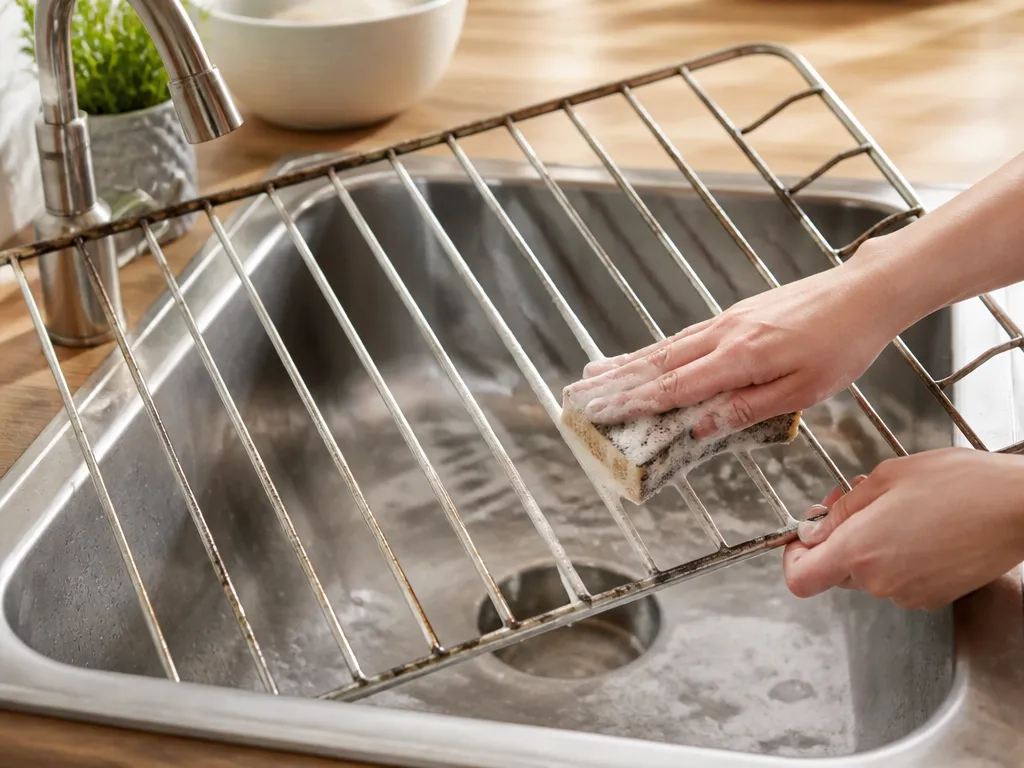
Oven racks collect baked-on grease, but dry scrubbing them is usually the slowest approach. A soak loosens the residue first, so you can finish with less effort and fewer scratches. For typical buildup, plan on a 1 to 6 hour soak, followed by scrubbing, rinsing, and thorough drying.
The safest method depends on the rack finish. Chrome steel, porcelain-coated, painted, and plain steel racks do not all tolerate the same cleaners or tools. Rusty chrome needs a brief, targeted treatment rather than an all-day soak.
Key Takeaways
- Identify the finish first. Chrome, porcelain-coated, and wire racks need different cleaners and brushes.
- Use a staged soak. Start with 1-3 hours and extend it to up to 6 hours for heavy buildup.
- Match the cleaner to the grease. Dish degreaser handles fresh grime; baking soda paste helps with baked-on carbon.
- Treat rust separately. Remove light rust from chrome steel with gentle abrasion and brief acid contact.
- Scrub carefully. Soft sponges and non-scratch pads clean most racks without dulling their finish.
- Dry before reinstalling. Moisture and cleaner residue can create odors during the next preheat.
How to Clean Oven Racks Effectively
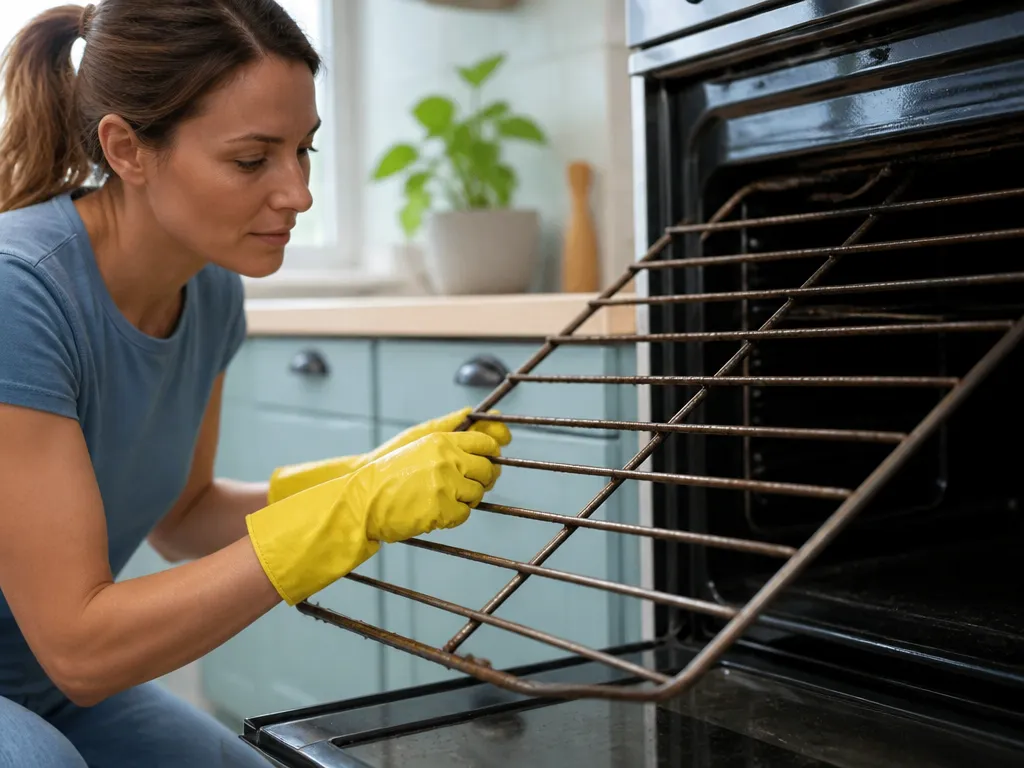
Start by pulling out the cool racks, removing loose debris, and choosing a cleaner that matches the material. This preparation helps prevent dry debris from being worked into the metal or coating.
Wear rubber gloves and work in a ventilated area. Put down newspaper or a plastic liner because soaking solutions can run. Let the racks cool completely before removing them; placing hot racks in water can create steam and bake grease onto nearby oven surfaces.
What You Need
- Large tub or heavy-duty trash bag for soaking
- Hot water – not boiling, unless your tub can handle it
- Degreaser or cleaner suited to the rack material
- Non-scratch sponge
- Soft brush
- Non-scratch scrub pad
- Baking soda for a gentle abrasive paste
- White vinegar for light rust
- Microfiber cloth
- Bucket or sprayer for rinsing
Step-by-Step Cleaning Routine
- Remove the racks after the oven has cooled and the cavity is empty.
- Rinse off loose ash and crumbs with warm water so you do not work dry debris into the metal.
- Choose a soaking method. Use a tub or a sealed heavy-duty trash bag that can hold the entire rack surface.
- Soak according to the buildup. Use the timing guide below.
- Scrub in sections with a non-scratch pad, paying attention to corners and rail edges.
- Rinse thoroughly to remove cleaner and loosened residue.
- Dry completely, including the rack rails, before reinstalling.
Light, Moderate, and Heavy Buildup
Light grime, such as an oily film or minor dark patches, usually responds to hot water and dish degreaser in under 3 hours. Heavy buildup, including thick black carbon and sticky spots, needs a longer soak followed by a baking soda paste on the remaining residue.
Identify Your Oven Rack Finish
The rack material determines how much abrasion and chemical exposure it can handle. The wrong cleaner can dull chrome, scratch enamel, or damage a painted coating, leaving a rougher surface where grease sticks more easily.
Common rack types include:
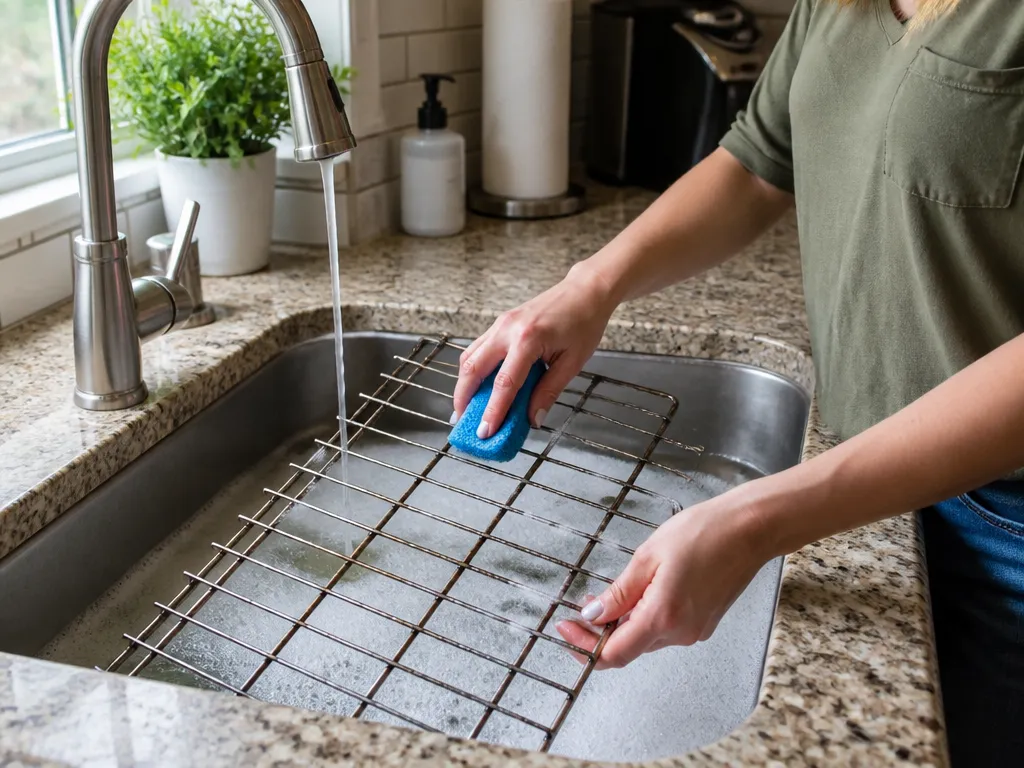
- Chrome steel: Often shiny and reflective, with a consistent metallic sheen.
- Porcelain-coated: Usually white or gray, with a smooth, glassy, enamel-like surface.
- Painted or coated wire: Matte rather than reflective, with a consistent colored finish.
- Plain or seasoned steel: Less common in modern ovens; it may look raw, dark, or uneven from use.
If the rails are highly reflective like silver, treat them as chrome steel. If the surface looks glassy or enameled, treat it as porcelain-coated. If it looks matte and uniform, treat it as painted or coated wire.
Cleaner and Tool Compatibility
- Chrome steel: Non-scratch pads are suitable; harsh scrapers are risky, and acids should have brief contact.
- Porcelain-coated: Avoid abrasive scraping and strong alkalis that can haze or dull the enamel.
- Painted or coated wire: Avoid aggressive abrasives and long chemical soaks that could strip the finish.
How Long to Soak Oven Racks
Use a 1 to 3 hour soak for typical baked-on grease and extend it to up to 6 hours for stubborn carbon. For heavily caked racks, soak once, scrub, and soak again if needed.
A short soak leaves you scrubbing softened-but-stubborn residue for too long. A long soak with the wrong cleaner can dull coated finishes. Hot tap water generally loosens grease faster than cold water, but use it only with cool racks and a stable container.
Soak Times by Buildup
- Light oily film: Soak for 1 hour, then scrub and rinse.
- Baked-on splatter: Soak for 2-3 hours, then scrub.
- Thick black carbon: Soak for 4-6 hours, then use baking soda paste on the remaining spots.
- Rust spots, especially on chrome steel: Use a short, targeted treatment rather than an all-day caustic soak.
For unknown levels of buildup, start with 3 hours. If the rack still looks greasy-black rather than matte-black, change tactics and use a paste scrub instead of repeatedly extending the chemical soak.
Best Cleaner for Burnt Grease
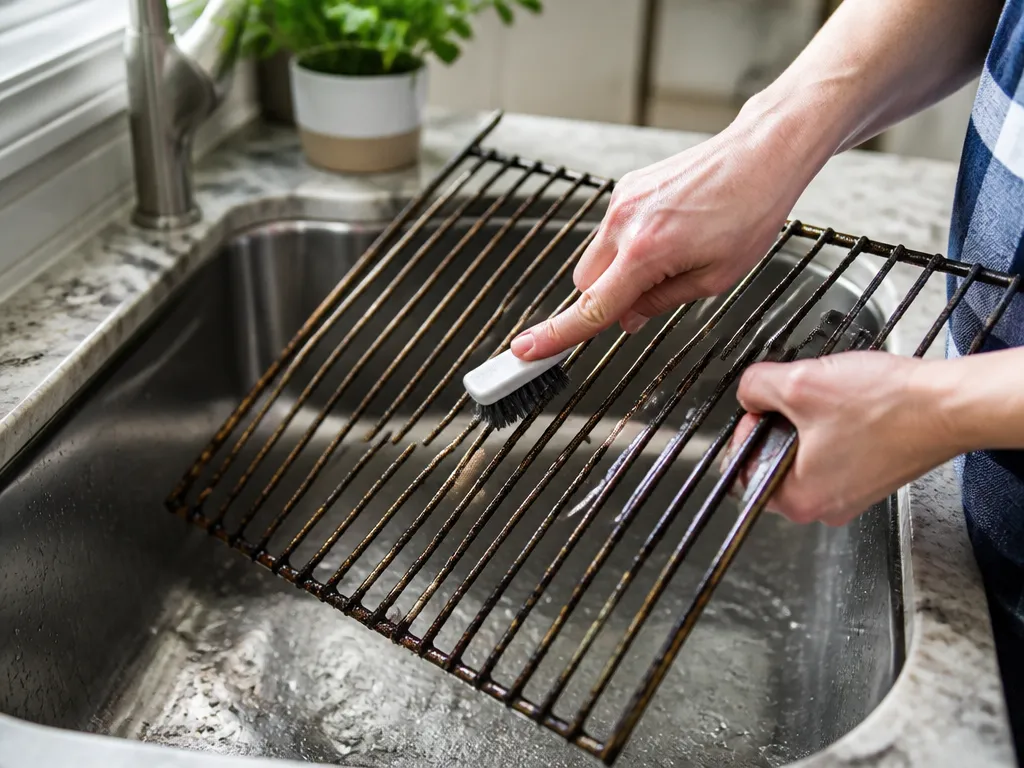
For most racks, use hot water and liquid dish degreaser for soaking, then apply a baking soda paste to the residue that remains. The degreaser breaks down oily components, while the paste provides mild abrasion against baked-on food.
For severe carbon, use an oven-safe cleaner designed for carbonized food residue, then follow up with paste on isolated stubborn areas. Porcelain-coated racks need a milder approach and shorter exposure to strong chemicals because extended contact can reduce the enamel’s sheen.
A General-Purpose Cleaning Plan
- Soaking solution: Hot water plus liquid dish degreaser, enough to fully submerge the rack
- Paste: Baking soda plus a little water, mixed until it spreads like thick frosting
- Finishing step: Rinse thoroughly, wipe with a damp cloth, and dry completely
When to Use a Stronger Cleaner
Escalate only when baked-on carbon remains after several hours of soaking. Do not use maximum-strength chemicals on every rack, especially when the finish is porcelain or unknown. If the first soak makes little difference, try baking soda paste on the affected areas instead of automatically increasing the chemical strength.
How to Remove Rust from Chrome Steel Racks
Rust on chrome steel is usually surface oxidation that develops where the chrome layer is compromised or moisture remains trapped. Light rust often comes off with gentle abrasion and a brief vinegar treatment. Do not soak chrome racks in vinegar for hours.
Begin by gently rubbing the affected spot. If the rust comes away as orange powder, it is likely superficial. If an orange stain remains, apply vinegar briefly with a cloth or paper towel, then rinse immediately and dry the rack fully.
Step-by-Step Rust Removal
- Remove loose rust powder with a soft sponge. Do not use a metal blade.
- Apply vinegar to the rusted area with a cloth or paper towel for a short contact time, then scrub lightly.
- Rinse thoroughly with warm water.
- Dry completely with a towel, then allow the rack to air-dry fully before reinstalling it.
If rust returns quickly, the rack may have pits or worn chrome. Prevent further moisture buildup after cleaning and consider replacing the rack if the surface is badly degraded.
Avoid Long Rust Soaks
Rust needs a targeted treatment, not the same long soak used for general grime. Extended exposure to strong solutions can dull chrome or create a patchy finish without fixing the damaged protective layer underneath.
How to Scrub Without Damaging the Finish
Scrubbing removes the residue, but excessive force can scratch coatings and leave the surface rough enough to attract grease faster. Use the least aggressive tool that removes the softened buildup.
- Start with a non-scratch sponge.
- Use a non-scratch scrub pad for stubborn areas.
- Avoid metal scrubbers and hard scrapers on chrome, porcelain, and painted finishes.
- Use a soft brush for rail grooves, corners, and underside areas.
Scrub in Short, Controlled Passes
Use moderate pressure and short strokes rather than grinding in one direction. Work from the cleanest areas toward the worst spots. After each pass, rinse or wipe away loosened residue. Reworking the same paste and grime can turn it into an abrasive slurry.
When the Rack Still Looks Dirty
Brown or gray smudges after cleaning usually mean baked residue or cleaner film remains. Soak the rack for an extra hour, then apply baking soda paste only to the affected areas. Rinse especially well; leftover cleaner can leave a dull film that makes it appear as though the grease has returned.
Reinstall Clean, Dry Racks Without the Burnt Smell
Cleaner residue, moisture, and loosened food particles can bake onto the oven walls and cause odors during preheating. Dry the racks completely and clean any areas where the soaking or rinsing water dripped before putting them back.
Before reinstalling the racks:
- Make sure they are fully dry.
- Wipe residue from the rack rails.
- Wipe the oven floor and side walls where drips landed during cleaning.
Run one controlled heating cycle after reinstalling the racks. Set the oven to a moderate temperature and let it run long enough to evaporate remaining moisture. If you smell heavy cleaner or a burnt odor, turn the oven off, check the oven bottom for residue, and wipe it clean again.
Reinstallation Routine
- Dry the racks completely.
- Wipe the oven interior where the racks sit with a damp cloth, then dry those surfaces.
- Reinstall the racks in their correct positions. Front-to-back placement matters for some designs.
- Run a short heating cycle to confirm that no odors remain.
Check the rack supports and guides at the same time. Grease in those areas can transfer odors and residue back onto clean rack surfaces.
FAQ
How long does it take to clean oven racks?
Most people finish in about 1 to 7 hours, depending on the amount of buildup. That time usually includes 1 to 6 hours of soaking plus 15 to 45 minutes of scrubbing and rinsing. Very dirty racks may need a second soak after the first scrub.
What is the fastest way to remove baked-on grease?
The fastest approach depends on the rack finish and the amount of residue. Use a cleaner compatible with the material, and reserve stronger products for severe carbon or isolated stubborn spots.
Are oven-rack cleaners safe for porcelain-coated racks?
Use caution. Porcelain-coated racks can react poorly to strong chemicals and long contact times. Prefer a mild degreaser soak, keep stronger products brief, and rinse thoroughly before reinstalling the racks.
Can I clean oven racks in the dishwasher?
Only if the rack manufacturer says it is dishwasher-safe. High heat and dishwasher detergents can dull or chip many wire and coated finishes. When you are unsure, use soaking and manual scrubbing instead.
What common mistake ruins the results?
Using metal scrubbers or hard scrapers can scratch chrome, porcelain, and painted finishes. Choose non-scratch tools and rinse away cleaner residue thoroughly before reinstalling the racks.