How To Wash Microfiber Cloths Without Fabric Softener
You can keep microfiber cloths absorbent and streak-free by skipping fabric softener. Fabric softener leaves a coating that reduces water pickup, so glass and counters can develop smears even after a “clean” cycle. The same applies to dryer sheets, which deposit a similar residue.
Wash microfiber cloths with detergent, rinse them thoroughly, and dry them with air or low heat. Warm or hot water helps remove grease and cleaner residue. If a cloth still feels slick after washing, strip the buildup with a hot-water soak and extra rinsing.
Key Takeaways
- Skip fabric softener. It deposits residue that reduces absorbency and increases streaking.
- Use the right detergent. Choose a regular detergent without fabric-softener additives or “fragrance booster” extras.
- Choose the temperature by soil level. Warm or hot water works better than cold for greasy kitchen cloths.
- Do not overload the washer. Crowded loads restrict water flow and leave detergent residue behind.
- Dry gently. Air-dry or use low heat to protect the fibers and prevent stiffness.
- Treat slick cloths promptly. Use a hot wash, soak, and thorough rinsing before replacing them.
Why Fabric Softener Ruins Microfiber Absorbency
Microfiber is made from very fine fibers that trap dirt and water on their surface. Anything that coats those fibers can reduce their cleaning ability. Fabric softener is a common culprit because it leaves a film that makes cloths feel slick and less absorbent.
Sort cloths by their job before washing them. Keep kitchen scrub cloths, glass cloths, car-detailing cloths, and general cleaning towels separate when possible. Mixing very oily cloths with dusty or lightly soiled ones can spread residue and lint, leaving even clean microfiber underperforming.
The Right Wash Settings for Microfiber Cloths
Use detergent, rinse thoroughly, and dry with minimal heat. You usually do not need a special microfiber detergent if your regular detergent rinses clean.
Warm and hot water dissolve oils and cleaner residue more effectively than cold water. Use warm or hot water for cloths used on greasy counters, food spills, or sticky surfaces. Cold water is suitable for lightly soiled dusting cloths.
Low heat or air-drying helps keep the fibers flexible. High heat can make microfiber stiff and may damage the fibers over time.
How to Wash Microfiber Cloths Without Fabric Softener
- Sort the microfiber. Keep greasy cloths away from lint-heavy items such as cotton terry towels.
- Pre-rinse heavily soiled cloths. Rinse food grease and thick cleaner residue in warm water before putting the cloths in the washer.
- Choose warm or hot water. Use a normal wash cycle suitable for the cloths, selecting warmer water for oily or sticky messes.
- Add detergent only. Use your regular detergent, but leave fabric softener out of the dispenser and the wash.
- Run an extra rinse when needed. This helps remove detergent and cleaner residue that can cause streaks.
- Dry on low heat or air-dry. Remove the cloths promptly after drying to prevent lingering odors and stiffness.
- Check the result. Wipe a dry section of glass with one cloth. If it leaves a haze or repels water, remove the remaining residue before using the cloth again.
A cloth that leaves a hazy film after wiping a counter often needs only one proper wash without softener, followed by an extra rinse.
Techniques That Prevent Streaks and Residue
Residue is the main enemy of microfiber. Detergent, spray ingredients, hard-water minerals, fabric softener, and dryer-sheet coating can all remain in the fibers if the load is crowded or poorly rinsed.
Use these habits to keep cloths working properly:
- Add an extra rinse when washing microfiber with fragranced items or when residue has been a problem.
- Use warm or hot water for greasy jobs and cold water for lightly soiled dusting cloths.
- Wash microfiber separately when possible. A microfiber-only load reduces lint transfer and helps the cloths rinse clean.
- Avoid mixing microfiber with rough, lint-shedding fabrics. Cotton towels can leave fibers behind that show up on glass and mirrors.
A Simple Microfiber-Care Routine
Wash microfiber soon after use, especially when the cloths are wet or covered with cleaner. If damp cloths sit in a pile for days, residues can dry into the fibers and become harder to remove.
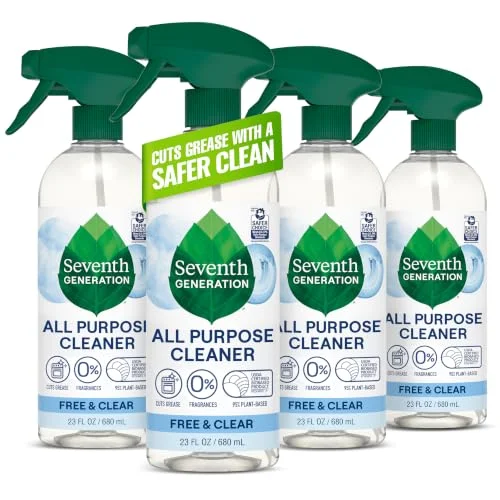
The product sprayed on a surface also affects the cloth. Some cleaners contain waxy or oily ingredients that microfiber absorbs and later spreads across glass or counters. If a favorite countertop spray causes streaks, wash one cloth without softener or dryer-sheet exposure and test it after drying. If the cloth still smears, the cleaner may be leaving the residue.
Store clean microfiber only after it is completely dry. Keep it in a clean bag or container, away from fabric-softener sheets and scented laundry products that can transfer residue.
Mistakes That Make Microfiber Cloths Streak
Avoid these additional problems:
- Overloading the washer. Microfiber needs room for water and detergent to move through the load.
- Skipping extra rinses when residue is present. Leftover detergent can make cloths stiff or leave a haze.
- Washing with linty fabrics. Rough cotton towels shed fibers onto microfiber.
- Using high dryer heat. Very hot drying can increase stiffness and damage fibers over time.
- Leaving cloths wet in the washer. Damp microfiber can develop odors and hold onto cleaner residue.
If you accidentally use fabric softener, washing the cloths once may not remove all the coating. Run a residue-removal wash or soak instead of simply repeating the same cycle.
How to Restore Slick or Streaky Microfiber Cloths
“Stripping” microfiber means removing residue that a normal wash did not clear. Start with the simplest approach:
- Wash the cloths in hot water with detergent only. Do not use fabric softener or dryer sheets, and add an extra rinse.
- Soak cloths that still repel water. Use the hottest water your washer allows and keep the microfiber fully submerged. Agitate the cloths periodically by hand, taking care with the hot water.
- Rinse thoroughly. Run another wash or multiple rinse cycles so loosened residue does not settle back into the fibers.
- Air-dry or use low heat. Avoid high heat while you are removing buildup.
After drying, test one cloth on clean glass. If it still leaves a fog or feels slick, repeat the soak-and-rinse process before using it on mirrors, windows, or polished surfaces.
FAQ
How do I wash microfiber cloths without fabric softener?
Wash microfiber with detergent only, add no fabric softener to the dispenser, and use warm or hot water for typical household messes. Run an extra rinse if your washer offers one. Air-dry the cloths or use low heat, and avoid dryer sheets entirely.
What detergent should I use for microfiber towels?
Use a regular laundry detergent that rinses clean and does not contain fabric-softener additives. If the cloths feel slick or smear after washing, reduce the detergent amount and add an extra rinse. The goal is to leave no film on the fibers.
Can I use dryer sheets if I am avoiding fabric softener?
No. Dryer sheets deposit residue that can reduce microfiber absorbency and cause streaking, even when fabric softener is not used in the wash. Use low heat or air-dry the cloths instead.
How do I get rid of streaky residue on microfiber?
Rewash the cloths with detergent only, using warm or hot water and an extra rinse. If they still repel water or leave a haze, soak them in hot water and rinse them thoroughly to remove built-up film. Then air-dry or use low heat and test the cloth on glass.
What is the most common mistake people make with microfiber?
Using fabric softener or dryer sheets. The residue coating makes microfiber less absorbent and more likely to streak on glass and mirrors. The next most common problem is overloading the washer, which prevents the cloths from rinsing clean.