How Many Cups Of Coffee For 12 Cups: The Golden Ratio Guide
Brewing a full pot of coffee for 12 cups often leads to guesswork, but the secret to a great batch is consistency. Whether you are hosting guests or fueling a long workday, getting the ratio right prevents the common pitfalls of watery or bitter coffee. By using a standard baseline and adjusting for your specific equipment, you can achieve a cafe-quality brew every time you press the start button on your drip machine.
For a balanced 12-cup pot of coffee, use 12 to 14 level tablespoons of medium-ground coffee. This range accounts for a standard 6-ounce cup measurement common in home drip machines, which totals 72 ounces of water. If you prefer a bolder flavor, lean toward the higher end of that range, or start with 12 tablespoons for a milder profile.
Key Takeaways
- Standard baseline ratio. Use 12 to 14 level tablespoons of coffee grounds for every 12 cups of water in your machine.
- Understand cup sizing. Most household drip machines define a single cup as 6 ounces, not the standard 8-ounce liquid measurement.
- Weight is accurate. Measuring coffee by weight on a digital scale is more precise than using scoops or spoons.
- Adjust for preference. Start with the baseline and increase or decrease the grounds by one tablespoon per pot in future brews.
- Grind size matters. A medium grind is essential for standard drip machines to ensure proper extraction and prevent a bitter taste.
- Consistency is key. Use the same scoop or scale every time to ensure your coffee tastes the same from day to day.
How many cups of coffee for 12 cups of water
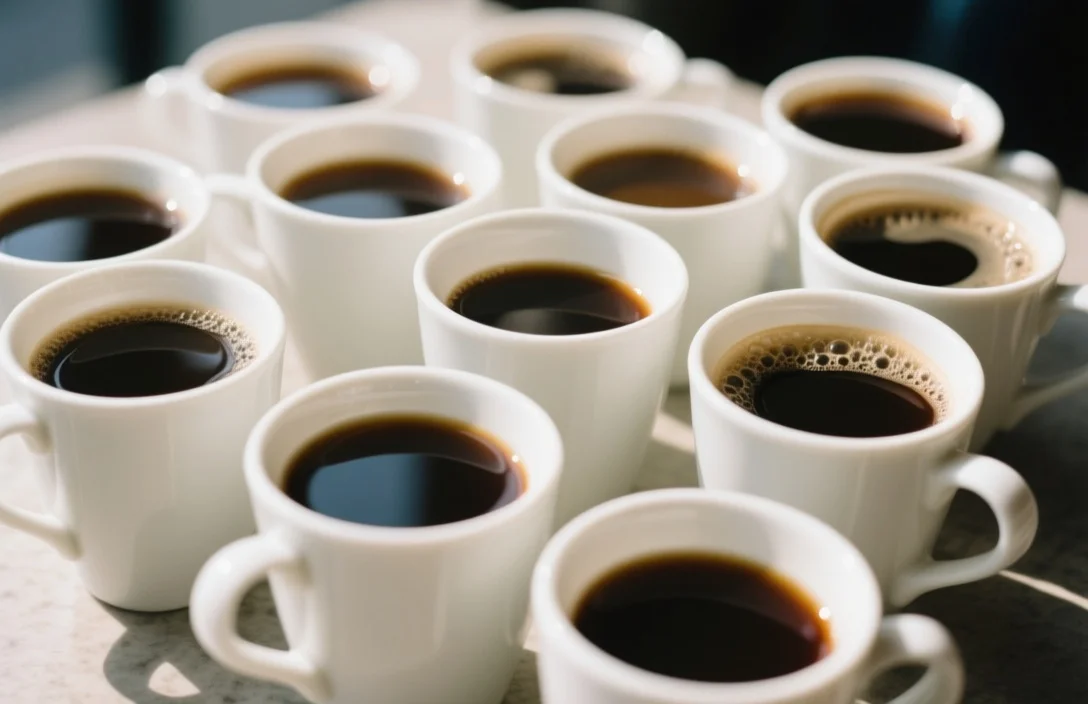
The confusion usually stems from the difference between a coffee maker’s “cup” and a standard kitchen measuring cup. In the world of home coffee machines, one cup is almost always 6 fluid ounces. When you fill your reservoir to the 12-cup line, you are actually brewing 72 ounces of water.
If you use the standard brewing ratio, you need enough grounds to balance those 72 ounces. A reliable starting point is 12 tablespoons of coffee, which provides a standard, approachable strength. If you find this too weak, increase your dosage to 14 tablespoons for the next batch. Avoid going beyond 16 tablespoons, as this often leads to grounds overflowing the filter basket.
Standard Golden Ratio for drip coffee makers
The Golden Ratio is the industry standard for coffee brewing, typically defined as 1 to 2 grams of coffee for every 15 to 18 grams of water. For a 12-cup batch, this translates to roughly 120 to 140 grams of coffee beans. This ratio ensures the water extracts enough flavor compounds to avoid a sour or thin profile.
When you deviate from this ratio, you risk losing the balance that makes a coffee bean’s origin profile shine. Too little coffee results in under-extraction, which tastes acidic and thin. Too much coffee leads to over-extraction, which introduces harsh, bitter tannins into your mug. Stick to the 1:16 ratio as your primary target if you want a reliable, middle-of-the-road cup.
Adjusting coffee strength for personal taste preferences
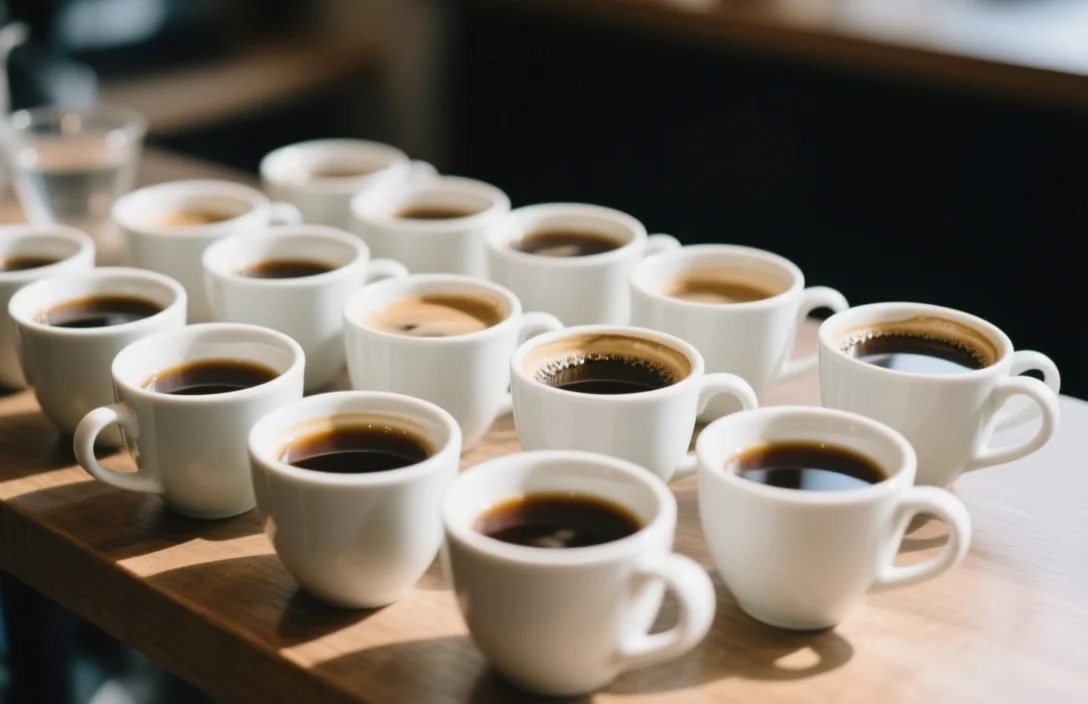
Personal taste is the final arbiter of what constitutes a perfect cup. Once you have established your baseline of 12 to 14 tablespoons for a 12-cup pot, perform a taste test. If the coffee feels heavy or leaves an unpleasant bitterness on your tongue, reduce the amount by one tablespoon for the next cycle.
If you find the coffee lacks body or feels like “brown water,” add one additional tablespoon next time. Small, incremental changes are better than large jumps, as coffee strength changes drastically with even a few extra grams of grounds. Keep a small log or note on your coffee canister if you struggle to remember what setting worked best for your specific roast.
Measuring coffee grounds by weight versus volume
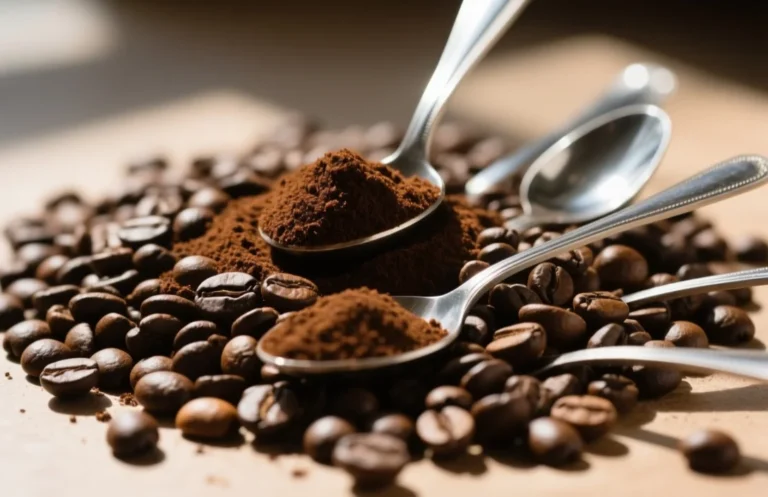
Volume measurements like tablespoons are convenient, but they are inherently inconsistent due to roast density. A dark roast bean is less dense than a light roast, meaning a tablespoon of dark roast contains less actual coffee mass than a tablespoon of light roast. This is why a scale is the most accurate tool for the job.
| Measurement Method | Accuracy | Best For |
|---|---|---|
| Tablespoons | Low | Quick, everyday brewing |
| Digital Scale | High | Consistent, professional results |
| Coffee Scoop | Moderate | Standardized, single-brand roasts |
Using a digital kitchen scale allows you to dial in your recipe regardless of the bean variety or roast level. If your recipe calls for 130 grams of coffee, that amount remains the same whether you are using a dense Ethiopian light roast or a porous French roast. For the best experience, tare your filter basket on the scale and pour until you hit your target weight.
Impact of grind size on brewing 12 cups
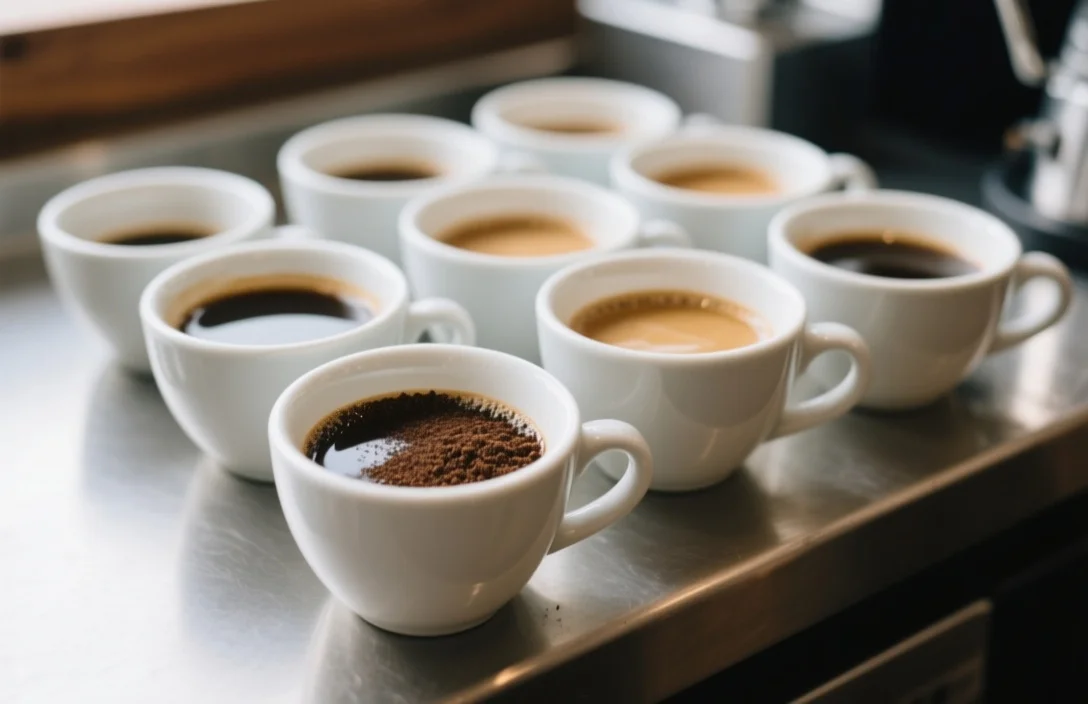
Grind size controls how fast the water flows through your coffee bed, which is a critical factor for large batches. For a standard drip machine, a medium grind is required, resembling the texture of sea salt or coarse sand. If your grind is too fine, the water will pool in the filter and over-extract, leading to a bitter, muddy cup.
Conversely, a grind that is too coarse will cause the water to rush through the grounds too quickly. This results in under-extracted, sour, and weak coffee. If you notice your coffee tastes flat despite using the correct amount of grounds, check your grinder settings. Adjusting to a slightly finer setting can often rescue a batch that otherwise lacks depth and flavor.
Calculating total coffee beans needed for large batches
Buying coffee in bulk requires knowing how many 12-cup pots you can expect from a single bag. A standard 12-ounce bag of coffee contains roughly 340 grams of beans. If you use 130 grams per 12-cup pot, that bag will yield approximately 2.5 full pots of coffee.
Knowing your yield helps you manage your pantry and ensures you never run out mid-brew. If you drink two 12-cup pots a day, you will go through a 12-ounce bag in roughly 1.25 days. For heavy users, buying 2-pound or 5-pound bags significantly reduces the cost per cup and provides a steady supply for your daily routine.
Signs your coffee ratio is too weak or strong
Your taste buds provide the best feedback on your brewing ratio. A cup that is too weak will often look translucent and lack a rich, dark color. On the palate, it will feel watery and may have a sharp, sour finish that disappears almost instantly. This is a clear indicator that the water passed through the grounds without picking up enough solubles.
A cup that is too strong or over-extracted will look very dark, sometimes with an oily sheen on the surface. You will likely taste an astringent, drying sensation on your tongue, accompanied by a harsh bitterness. If the coffee is too strong, you may also notice a “heavy” feeling in your stomach after drinking. Adjust your ratio by one tablespoon or 5 grams of coffee to find the sweet spot.
FAQ
Does the cup size on my coffee maker equal a standard 8-ounce cup?
No, most automatic drip coffee makers define one “cup” as 6 fluid ounces. If your machine has a 12-cup capacity, it is designed to hold 72 ounces of water, not 96. Always check your specific manufacturer manual to confirm their measurement standard.
Should I change my coffee-to-water ratio if I use a different roast?
Yes, you should consider it. Darker roasts are more porous and lose mass during roasting, so they take up more space in a scoop than lighter roasts. Using a digital scale eliminates this variable entirely, ensuring you use the same mass of coffee every time.
Why does my coffee taste bitter even with the right ratio?
Bitterness is often a sign of over-extraction. This can happen if your grind is too fine or if the water temperature is too high. Try using a slightly coarser grind setting or ensuring your machine is clean, as old coffee oils in the basket can create a harsh, burnt flavor.
How do I keep my coffee hot without it tasting burnt?
Use a thermal carafe instead of the machine’s glass plate. A hot plate continues to cook the coffee, breaking down flavor compounds and increasing bitterness over time. If you must use a glass carafe, pour the coffee into a vacuum-insulated tumbler immediately after brewing.
Can I use pre-ground coffee for a 12-cup batch?
Yes, but ensure the grind is labeled for “drip” or “auto-drip.” Pre-ground coffee loses freshness faster than whole beans, so keep the bag tightly sealed in a cool, dark place. Using fresh-ground beans will always provide a more vibrant and aromatic cup than pre-ground alternatives.
Start by using 12 level tablespoons of medium-grind coffee for your 12-cup reservoir. If the flavor is not quite where you want it, adjust by one tablespoon per pot until you find your perfect balance.