How Long Does It Take Coffee To Brew: 6 Methods Compared
Coffee brewing duration depends entirely on the contact time between water and grounds, typically ranging from 25 seconds for a sharp espresso shot to 24 hours for a full-bodied cold brew. Mastering these windows is the single most effective way to control the acidity, bitterness, and body of your morning cup. When you understand how different methods interact with coffee grounds, you stop guessing and start brewing with intentionality.
The time it takes coffee to brew varies by method, but most standard hot brewing techniques fall between 3 and 5 minutes. While automatic machines handle this automatically, manual methods like pour over or French press require you to monitor the clock to ensure the water extracts the ideal amount of flavor compounds without over-extracting bitter tannins.
Key Takeaways
- Standard brew windows. Most hot brewing methods require between 3 and 5 minutes of total contact time for optimal flavor extraction.
- Grind size relationship. Finer grinds require shorter contact times, while coarser grinds need longer steeping periods to reach full saturation.
- Espresso speed. A standard espresso shot should pull in 25 to 30 seconds to balance pressure and water flow.
- Cold brew patience. Cold extraction is a slow process that requires 12 to 24 hours to compensate for the lower water temperature.
- The bloom phase. Pour over methods benefit from a 30-second bloom phase to release carbon dioxide before the main brewing cycle begins.
- Water temperature impact. Higher temperatures increase the rate of extraction, meaning you may need a shorter brew time to avoid bitterness.
How Long Does It Take Coffee to Brew by Method
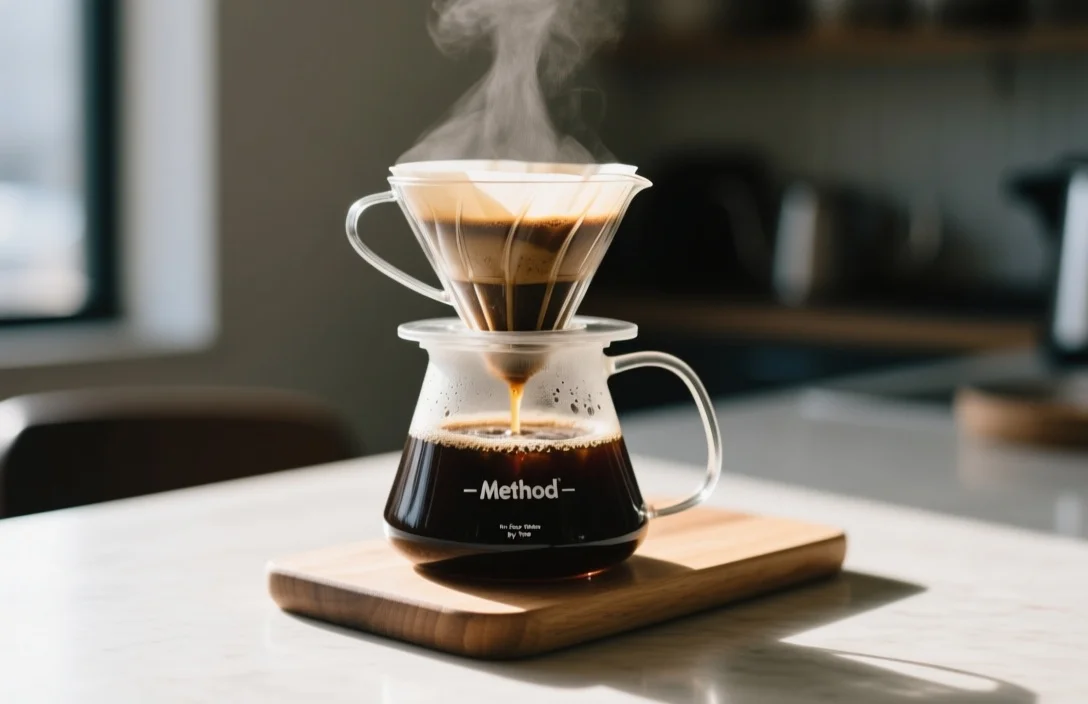
Brewing time is the duration that water stays in contact with coffee grounds, and it acts as the primary dial for adjusting the strength of your cup. If water moves too fast, the coffee tastes sour or watery; if it sits too long, the result is dry, bitter, and astringent. Every brewing device has a target window designed to balance these two extremes.
| Method | Typical Brew Time | Grind Size |
|---|---|---|
| Espresso | 25 – 30 seconds | Extra Fine |
| AeroPress | 1 – 2 minutes | Medium-Fine |
| Pour Over | 3 – 4 minutes | Medium-Fine |
| Automatic Drip | 5 – 8 minutes | Medium |
| French Press | 4 – 5 minutes | Coarse |
| Cold Brew | 12 – 24 hours | Extra Coarse |
These times assume you are using fresh, medium-roast beans and standard water temperatures. If you notice your coffee consistently tastes weak or sour, increase the contact time by using a finer grind or slowing your pouring speed. Conversely, if the cup tastes harsh or muddy, you are likely over-extracting and should coarsen your grind or shorten the brew cycle.
Automatic Drip Coffee Brewer Timing
Automatic drip machines generally take between 5 and 8 minutes to complete a full pot, though the duration depends on the capacity of the unit. These machines work by heating water in a reservoir and pulsing it over a bed of grounds in a filter basket. Because the machine manages the flow rate, your primary variable here is the volume of water you add to the tank.
For instance, a single mug brew might finish in under 3 minutes, while a full 12-cup carafe can take closer to 10 minutes depending on the heating element’s power. Most modern drip brewers are calibrated to keep the water temperature between 195 and 205 degrees Fahrenheit throughout this cycle. If your machine takes significantly longer than 10 minutes for a full pot, it is likely that mineral buildup is restricting the internal tubing.
French Press Steeping Time for Full Flavor
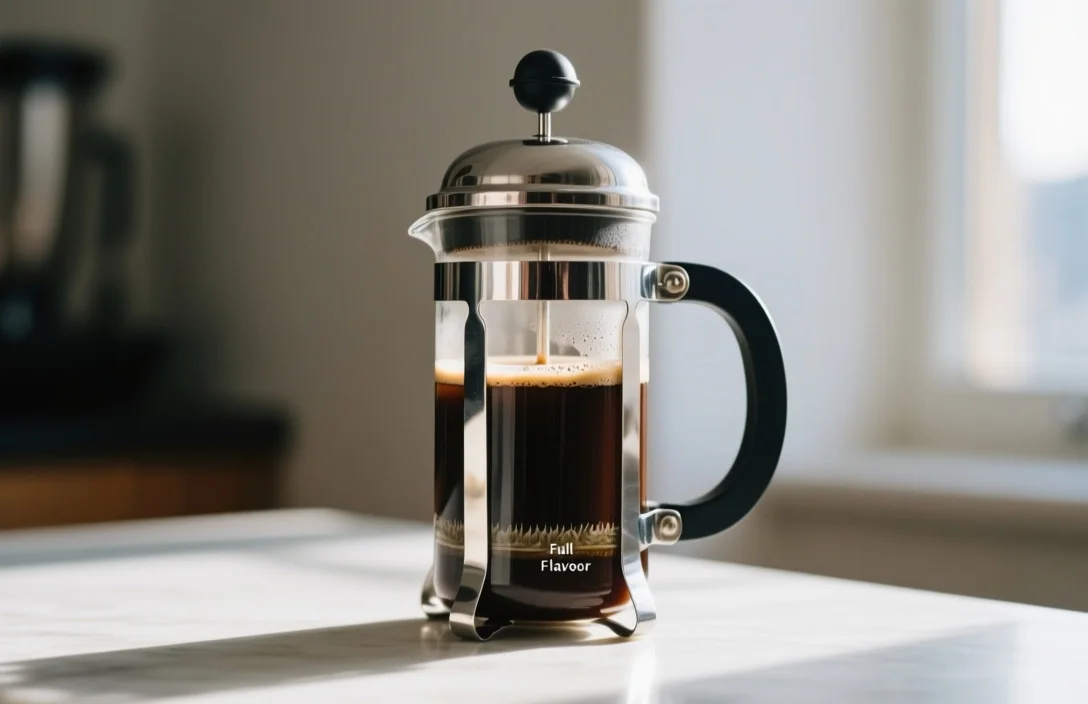
A French press requires a strict 4-minute steep to allow the coarse grounds to release their oils and deep flavors into the water. Because the coffee grounds remain fully immersed in the water for the duration of the cycle, the timing is more forgiving than pressure-based methods. You start the clock the moment you pour the hot water over the grounds and finish it when you press the plunger down.
In practice, many enthusiasts find that 4 minutes produces the best balance of body and clarity. If you prefer a stronger, more intense cup, you can extend the steep to 5 or 6 minutes, but you must be careful not to exceed this range. Leaving coffee in a French press for longer than 8 minutes often results in excessive silt and a flat, chalky aftertaste that masks the bean’s natural profile.
Pour Over Coffee Bloom and Brew Duration
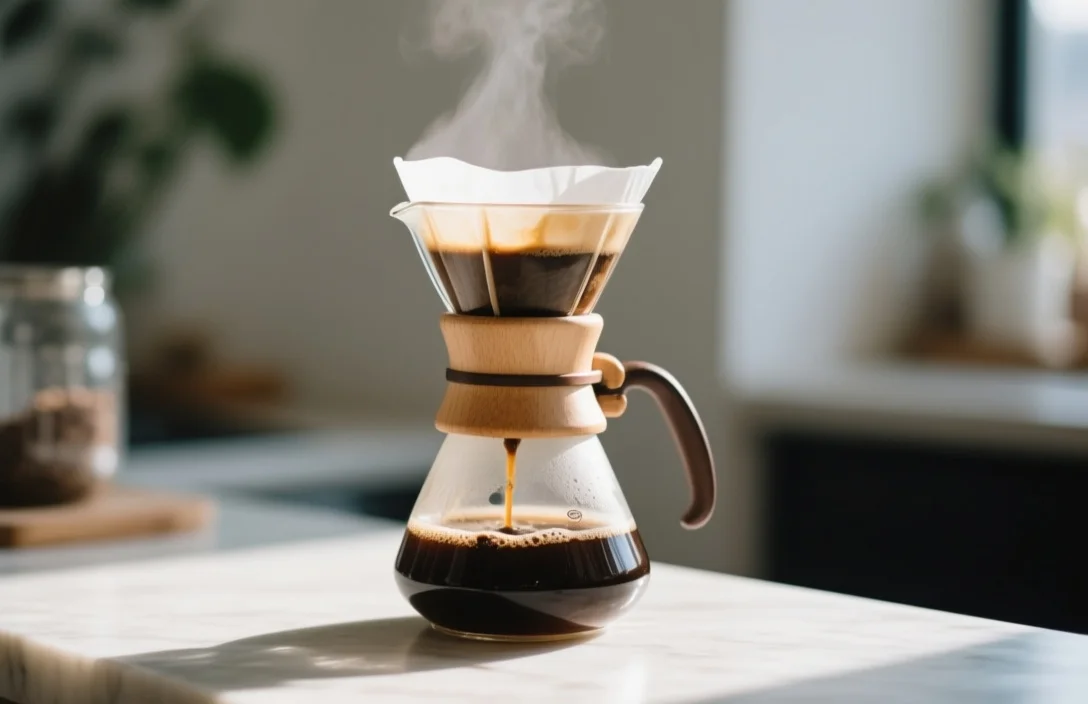
Pour over brewing is a manual process that typically takes 3 to 4 minutes from the first drop of water to the final drip. Unlike a drip machine, you control the flow, which means you must account for the “bloom” phase at the start. Pour just enough water to wet the grounds and wait 30 seconds, allowing the coffee to swell and release trapped carbon dioxide gas.
After the bloom, you continue pouring the remaining water in steady, circular motions to keep the bed of grounds agitated. If your pour over takes less than 3 minutes, your grind is likely too coarse, causing the water to channel through the coffee without extracting enough flavor. If it takes longer than 5 minutes, your grind is too fine, which leads to a clogged filter and a bitter, over-extracted result.
Espresso Extraction Time for the Perfect Shot
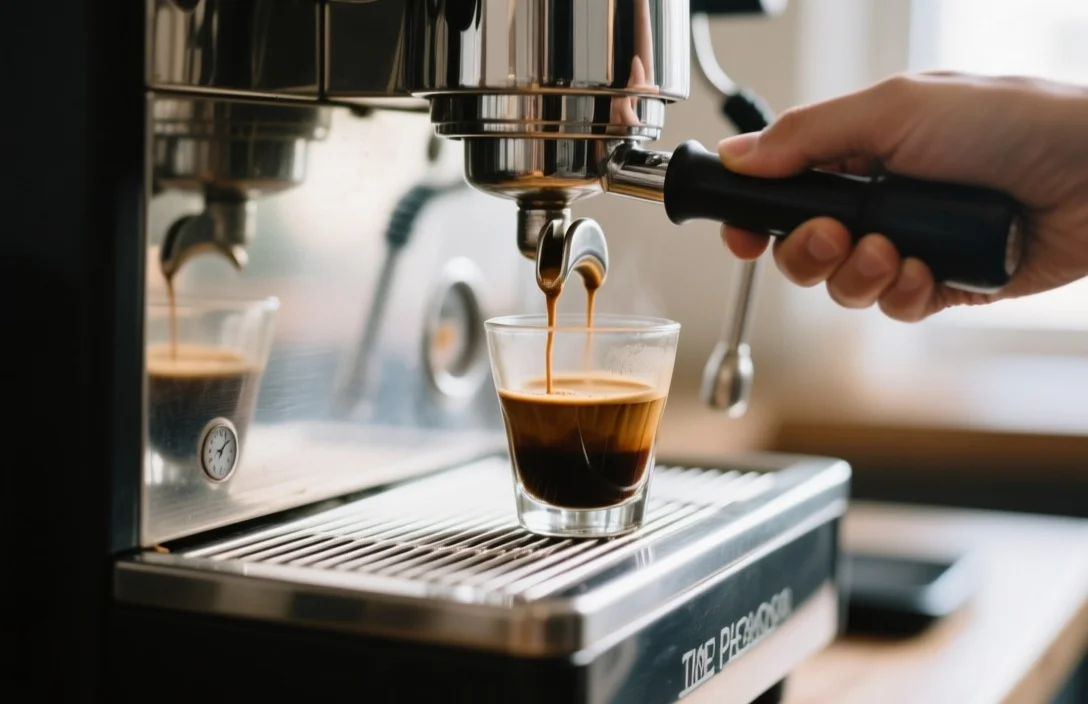
Espresso is a high-pressure extraction process that happens rapidly, with a perfect shot occurring between 25 and 30 seconds. This method uses approximately 9 bars of pressure to force hot water through a tightly packed puck of finely ground coffee. The goal is to emulsify the coffee oils into a thick, syrupy liquid topped with a layer of golden crema.
If the shot pulls in less than 20 seconds, the coffee will taste thin, acidic, and lacks the characteristic body of espresso. If the shot takes longer than 35 seconds, the water struggles to pass through the dense puck, resulting in a dark, burnt-tasting liquid. You should adjust your grinder settings to dial in this specific time window, as even a minor change in particle size significantly alters the flow rate.
Cold Brew Steeping Times for Hot and Cold Water
Cold brew is unique because it relies on time rather than heat to extract flavor, requiring a minimum of 12 hours for a standard batch. While you can technically use hot water to speed up the process, you lose the smooth, low-acidity profile that defines traditional cold brew. Most people find that 16 to 18 hours is the “sweet spot” for achieving a rich, concentrated flavor that works well when diluted with ice or milk.
If you are in a rush, you can use warm water (roughly 120 degrees Fahrenheit) to reduce the steeping time to 4 or 6 hours, though this often extracts more bitterness. Always store your cold brew in a sealed container in the refrigerator to prevent oxidation during the long soak. Regardless of the method, ensure you use an extra-coarse grind to prevent the coffee from becoming gritty or difficult to strain after the long immersion.
Grind Size and Water Temperature Effects on Timing
Grind size and water temperature work together to determine how fast flavor compounds move from the coffee into your cup. As a general rule, a finer grind exposes more surface area, which speeds up extraction and requires a shorter brew time. Conversely, a coarse grind requires a longer period of contact to ensure the water reaches the center of the particles and pulls out the desired oils and sugars.
Water temperature serves as a catalyst for this reaction, as hotter water increases the energy of the molecules and accelerates the extraction process. If you use water near the boiling point, you must brew for a shorter time to avoid pulling out harsh tannins. If you prefer a cooler brewing temperature, you will need to extend your brew time to compensate for the slower rate of extraction.
FAQ
Does the roast level change how long I should brew?
Lighter roasts are denser and often require slightly longer brew times or higher water temperatures to extract fully. Darker roasts are more porous and extract faster, meaning you should watch the clock closely to avoid over-extracting bitter, burnt notes.
What happens if I brew coffee for too long?
Over-extraction occurs when the water stays in contact with grounds past the ideal window, pulling out bitter tannins and wood-like flavors. If your coffee tastes dry or leaves a harsh, lingering astringency on your tongue, you have likely brewed for too long.
Can I reuse coffee grounds for a second brew?
Reusing grounds is not recommended because the majority of the soluble flavor compounds are extracted during the first 3 to 5 minutes of brewing. A second pass with the same grounds will produce a weak, watery cup that lacks the aromatic oils necessary for a balanced flavor.
How does altitude affect my brewing time?
At higher altitudes, the boiling point of water is lower than 212 degrees Fahrenheit, which can slow down the extraction process. If you live at a high elevation, you may need to use slightly hotter water or increase your total brew time by 30 to 60 seconds to achieve the same strength.
Is there a way to speed up my morning brew without losing flavor?
The most effective way to speed up a brew is to use a finer grind setting or a slightly higher water temperature. However, these changes require you to be precise, as even a small adjustment can push your coffee from perfectly balanced to unpleasantly bitter in a matter of seconds.