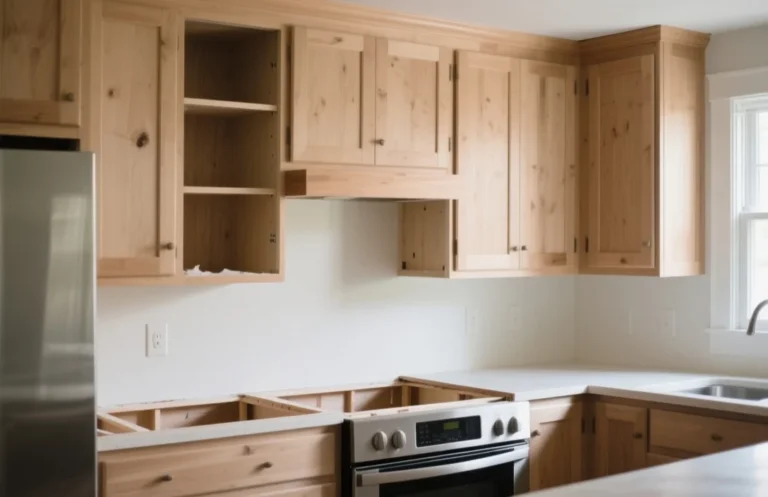

How To Choose A Contractor For Kitchen Remodel: 6 Steps
Renovating a kitchen is a high-stakes investment that requires balancing aesthetic goals with structural integrity and budget constraints. Finding a reliable partner for this process is the single most important decision you will make, as the right professional ensures your project stays on schedule and within your financial limits. This guide provides a clear framework for vetting, interviewing, and hiring a contractor who delivers quality results without the typical headaches of home improvement.
Choosing a qualified contractor for a kitchen remodel involves verifying state-issued licenses, confirming adequate liability and workers’ compensation insurance, and obtaining at least three competitive, itemized bids. You must also conduct in-person interviews to assess communication styles and check references from past clients to confirm their reliability on similar projects. A professional contractor should always provide a detailed written contract that explicitly outlines the payment schedule and project scope.
Key Takeaways
- Verify active licensing. Check your state contractor board website to ensure their license is current and free of disciplinary actions.
- Confirm insurance coverage. Require a certificate of insurance that includes both general liability and workers’ compensation for all employees.
- Review past projects. Request photos of completed kitchens and speak directly with at least three previous clients about their experience.
- Compare itemized bids. Ensure every quote breaks down costs for labor, materials, and potential overage allowances for clear comparison.
- Use written contracts. Never start work without a signed agreement that defines the timeline, payment milestones, and change-order procedures.
- Watch for red flags. Avoid contractors who demand large upfront cash deposits or refuse to provide a detailed written estimate.
How to choose a contractor for kitchen remodel projects effectively

Selecting a contractor begins with defining your project scope before you ever contact a potential candidate. You cannot get an accurate bid if you do not know whether you are simply replacing cabinets or performing a full-scale demolition that involves moving plumbing, electrical, and gas lines. Once you have a clear list of requirements, start by gathering recommendations from local architectural review boards, real estate agents, or neighbors who have recently completed renovations.
Create a shortlist of at least three to five candidates to interview. During the initial consultation, pay close attention to how they listen to your needs and whether they offer practical suggestions for your space. An effective contractor does not just agree with every idea you have; they should be willing to point out potential structural issues or budget-draining choices before you sign a contract.
Verifying contractor licenses and insurance coverage
Legal and financial protection is non-negotiable when inviting a contractor into your home. Start by visiting your state or local building department website to verify that the contractor holds a valid license for the specific type of work required. A general license often does not cover specialized trades like electrical or plumbing, so confirm whether the contractor carries the necessary endorsements or subcontractors for those tasks.
Insurance is your primary defense against unexpected lawsuits or property damage. You should request a certificate of insurance and call the provider to confirm the policy is active.
| Coverage Type | Why It Matters |
|---|---|
| General Liability | Protects your home and property if the contractor causes accidental damage. |
| Workers’ Compensation | Protects you from legal liability if a worker is injured on your property. |
| Builder’s Risk | Covers materials and structures against fire, theft, or weather damage during construction. |
Evaluating kitchen remodeling portfolios and past project references

A contractor’s portfolio tells you whether their aesthetic style aligns with your vision and whether they have experience with the complexity of your specific kitchen layout. Ask for photos of projects completed within the last two years, focusing on details like cabinet alignment, tile grout lines, and the transition between flooring and walls. If a contractor only provides stock photos, treat it as a warning sign that they may lack a track record.
Reference checks are the most effective way to uncover how a contractor handles the inevitable stresses of a renovation. When you call a previous client, ask specific questions rather than just asking if they liked the work. Ask if the project finished on time, how the contractor handled mid-project changes, and whether the workspace was cleaned daily. If a contractor hesitates to provide references, move on to the next candidate immediately.
Comparing detailed bids and project estimates
A professional bid is a comprehensive document that goes far beyond a single bottom-line number. You should expect an itemized breakdown that separates labor costs from material allowances, such as the specific dollar amount allotted for cabinets, countertops, and appliances. If one bid is significantly lower than the others, it often indicates that the contractor has left out critical components or intends to use inferior materials.
Use the following checklist to evaluate every bid you receive:

- Labor and materials: Are these costs clearly separated?
- Allowances: Does the bid specify what the budget covers for finishes like hardware or lighting?
- Project timeline: Is there a start date and a projected completion window?
- Permit costs: Are building permit fees included in the total price?
- Waste removal: Who is responsible for dumpster rental and site cleanup?
Structuring payment schedules and written contracts
A fair payment schedule is tied to project milestones rather than calendar dates. A standard industry practice involves an initial deposit of 10 to 15 percent, followed by progress payments at major phases like the completion of demolition, rough-in plumbing, and cabinet installation. Never pay the full balance until the final punch list is complete and you are satisfied with the quality of the work.
Your contract must be a written document that covers every aspect of the project. It should include the full scope of work, a detailed list of materials, the payment schedule, and a clause for change orders. Change orders are vital because they force you and the contractor to agree on the price and time impact of any modifications you make after work begins. Avoid any contractor who insists on a verbal agreement for changes.
Identifying red flags during the interview process
Trust your instincts when you notice behaviors that suggest a lack of professionalism or financial stability. One of the most dangerous red flags is a contractor who asks for a large cash deposit, often 50 percent or more, before starting any work. This is a common tactic used by contractors with poor credit or those who intend to abandon the project mid-way.
Watch for these warning signs during your initial interactions:
- Aggressive sales tactics: They pressure you to sign a contract immediately to get a “special deal.”
- Lack of permanent address: They only provide a cell phone number and a P.O. Box.
- Unlicensed status: They claim they do not need a license for your specific project size.
- Vague communication: They cannot explain the project process or provide a clear timeline.
- Poor reviews: Multiple reports of missed deadlines or poor communication on public forums.
Managing communication expectations throughout the renovation
Clear communication prevents the most common misunderstandings in kitchen remodeling. Before work begins, establish the primary method of communication, whether that is daily email updates, a shared digital project management tool, or a quick morning check-in on-site. Knowing exactly who to contact for questions or concerns ensures that minor issues do not escalate into major conflicts.
Set expectations for how the contractor will handle your home environment. Discuss how they plan to protect your floors, how they will manage dust containment, and what hours the crew will be on-site. If you have pets or children, make sure the contractor knows to secure the work area and keep tools out of reach. A professional contractor will welcome these questions because they also want a safe and organized job site.
FAQ
How much should I pay as a deposit for a kitchen remodel?
You should typically pay a deposit of 10 to 15 percent of the total project cost. Avoid any contractor asking for more than 30 percent upfront, as this indicates a lack of financial stability or a potential risk of project abandonment. Always ensure your payment schedule is tied to specific, verifiable project milestones.
How do I check if a contractor is licensed in my area?
Visit your state’s Department of Consumer Affairs or the Contractors State License Board website. Most states provide an online lookup tool where you can enter the contractor’s license number or business name to see if their license is active, expired, or currently under disciplinary action.
What should I do if a contractor’s bid is much lower than others?
Treat a low bid with extreme caution, as it often signals a lack of experience or hidden costs. Ask the contractor to explain why their price is lower, and check if they have included all required permits and materials. Often, a “low” bid will balloon into a much higher total through expensive change orders once work begins.
How long does a typical kitchen remodel take?
A full kitchen renovation generally takes between 6 to 12 weeks, depending on the project scope. Factors that extend this timeline include custom cabinet lead times, unexpected structural issues found during demolition, and the availability of specialized subcontractors like electricians or plumbers. Always build a 20 percent time buffer into your planning.
What is a change order and why is it important?
A change order is a written document that authorizes any addition, deletion, or modification to the original project scope. It protects you by ensuring that both you and the contractor agree on the cost and schedule impact of a change before any extra work occurs, preventing surprise charges at the end of the project.
Choosing a contractor requires patience, but the effort you invest in the vetting process pays off in a smoother renovation experience. Start by checking licenses and gathering at least three detailed bids to compare. Once you have selected the right professional, maintain open lines of communication and keep every change in writing to ensure your kitchen remodel stays on track and meets your expectations.