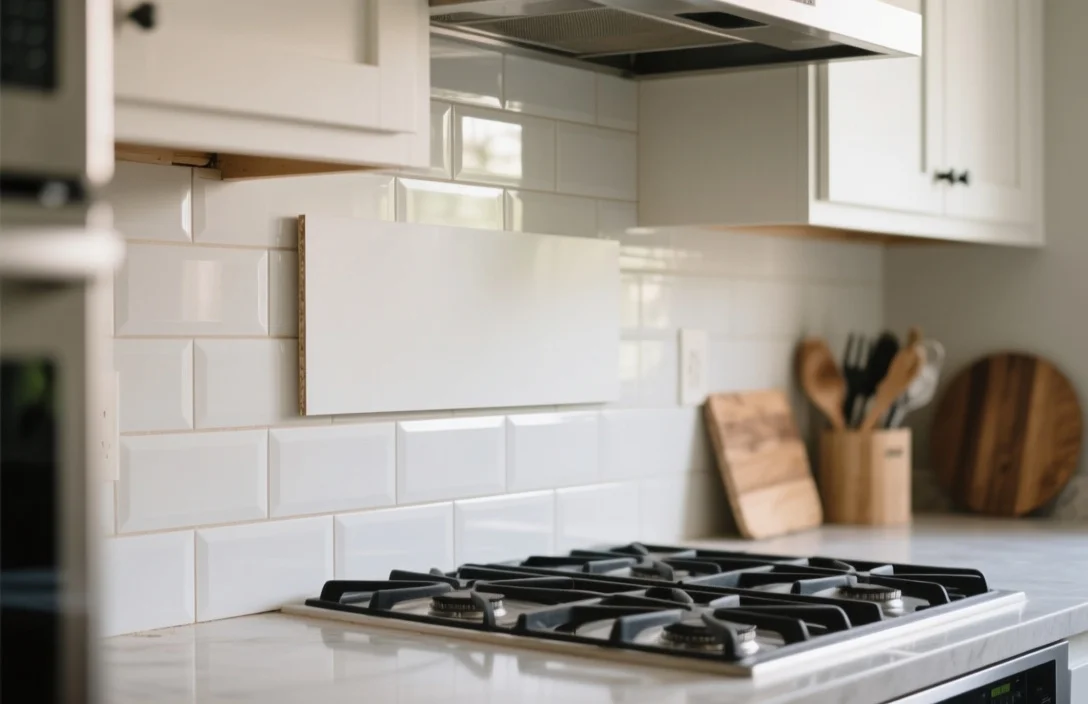
How Much To Install Kitchen Backsplash: Costs Vs Diy Savings
Installing a new kitchen backsplash typically costs between $600 and $2,000 for an average-sized project, though the final price depends heavily on your choice of materials and the complexity of the layout. While labor accounts for a significant portion of the expense, homeowners who choose durable materials like ceramic or porcelain often save on both initial purchase and long-term maintenance. Understanding how these costs break down helps you set a realistic budget before you purchase your first box of tile.
Professional backsplash installation usually ranges from $10 to $50 per square foot for labor alone, depending on your region and the contractor’s experience level. When you factor in the cost of tile, grout, thin-set, and trim, total project costs often land between $25 and $100 per square foot.
Key Takeaways
- Average project range. Most homeowners spend between $600 and $2,000 to complete a standard kitchen backsplash installation.
- Labor cost variability. Professional installers generally charge between $10 and $50 per square foot for their time and expertise.
- Material price gaps. Ceramic tile is the most budget-friendly option, while natural stone and glass tiles sit at the higher end.
- Hidden prep expenses. Wall damage or uneven surfaces require patching or drywall replacement, adding to your baseline labor estimate.
- Essential supply budget. Do not forget to allocate an extra 10 to 15 percent of your material budget for waste, grout, and sealant.
- DIY potential savings. Performing the installation yourself eliminates labor costs, though you must account for the price of specialized tools.
How much to install kitchen backsplash materials and labor
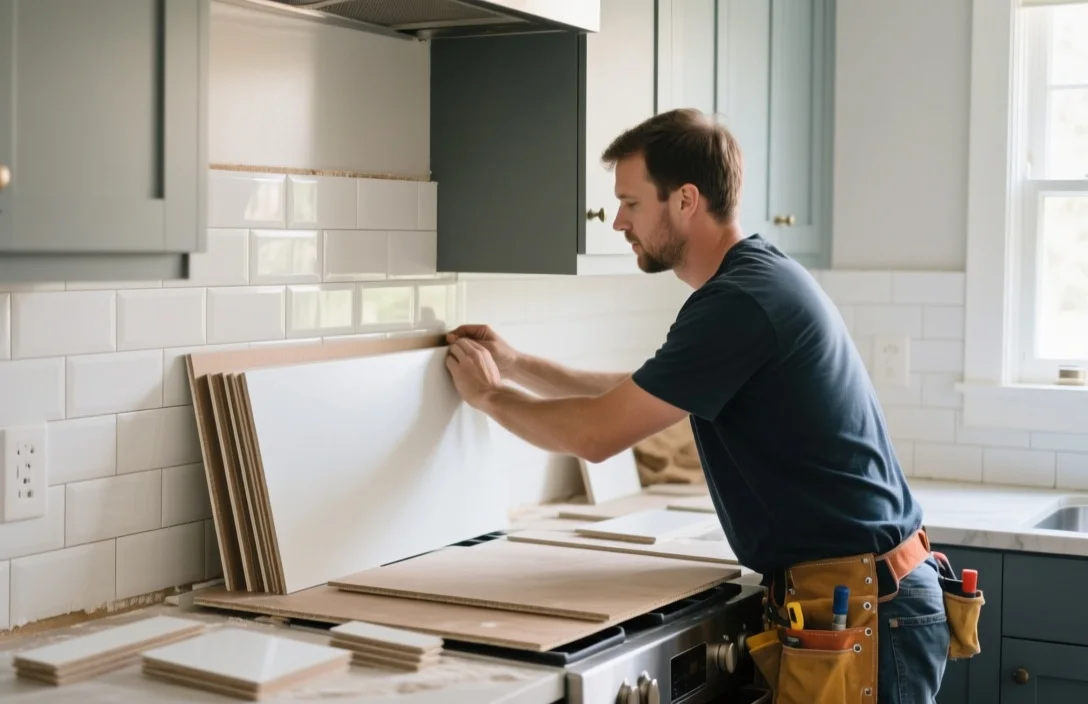
Budgeting for a kitchen backsplash requires balancing material preferences with the realities of professional installation fees. Most projects involve a standard linear run of 15 to 30 square feet, but complex kitchens with multiple outlets, windows, or intricate patterns will increase the time required for cuts and alignment. You should always obtain at least three quotes from local tile setters to get a sense of the current market rate in your specific zip code.
Labor costs often fluctuate based on the shape of the tile. Simple subway tiles are faster to install than mosaic sheets or hand-painted decorative tiles that require precise pattern matching. When you request a quote, specify if your project involves a simple layout or a custom design, as this allows the contractor to provide a more accurate estimate for the labor hours involved.
Average cost per square foot for professional installation
Professional installation costs are determined by a combination of the installer’s hourly rate and the difficulty of the pattern. While some contractors work on a flat project fee, many prefer to charge by the square foot to account for the actual surface area covered. High-end installations involving herringbone or basketweave patterns often carry a premium charge due to the increased time required for precise cutting and layout.
| Project Scope | Estimated Cost per Square Foot |
|---|---|
| Basic Ceramic/Subway | $25 – $45 |
| Mid-Range Porcelain/Glass | $45 – $70 |
| Natural Stone/Custom Mosaic | $70 – $100+ |
These figures represent total costs including materials and labor. If you choose to supply the materials yourself, ensure the contractor is comfortable working with the specific tile you selected, as some materials require specialized saws or sealants.
Tile material costs ranging from ceramic to natural stone
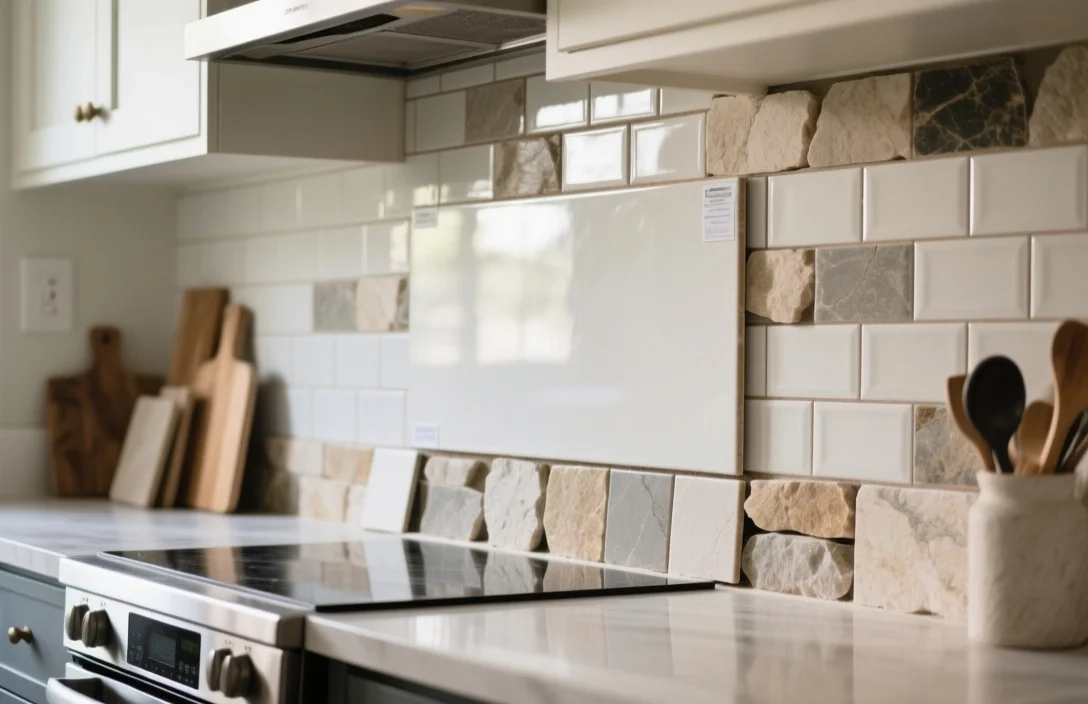
Tile pricing varies widely based on durability, aesthetics, and manufacturing complexity. Ceramic tile is the industry standard for affordability, offering a vast array of colors and finishes at a very low price point. Porcelain is slightly more dense and moisture-resistant than ceramic, which makes it a popular choice for areas directly behind a cooktop where grease and heat are constant factors.
Natural stone tiles, such as marble, travertine, and slate, provide a high-end look but come with higher price tags and more demanding maintenance. These materials often require sealing before and after installation to prevent staining from kitchen oils and acidic spills. Glass tile is another popular option that offers a reflective, modern aesthetic, though it is prone to cracking if not handled with care during the cutting process.
Labor rate factors influencing total project estimates
Contractors calculate labor rates based on the difficulty of the wall preparation and the specific requirements of the tile design. A flat, clean, and primed drywall surface is the easiest to work on, whereas walls requiring the removal of old tile or the repair of damaged plaster will increase the labor time significantly. If your kitchen has many electrical outlets or switches, the installer will spend more time measuring and making precise cuts around these fixtures.
The location of your home also dictates the local market rate for skilled trade work. In areas with a high cost of living, you can expect to pay more for professional tiling services. Additionally, if the project is considered small, some contractors may have a minimum service fee to cover the time spent traveling to the site and setting up their equipment, even if the actual tiling takes only a few hours.
Hidden costs associated with wall preparation and surface repair
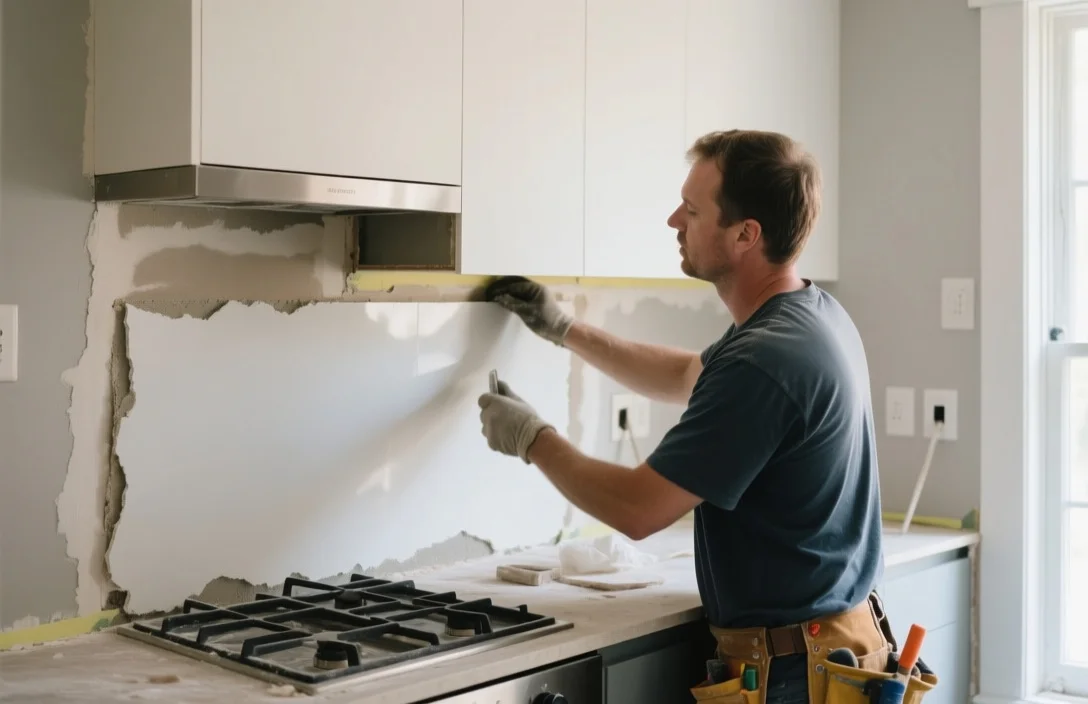
Wall preparation is frequently overlooked in initial estimates, yet it is often the most critical step for a long-lasting finish. If your existing wall is not perfectly plumb or has significant patches of loose paint or crumbling drywall, the installer must address these issues before applying any adhesive. Failure to repair the substrate will lead to tiles popping off or cracking over time as the wall shifts.
You may also need to budget for new trim or transition pieces where the tile meets cabinets or countertops. These accessories ensure a clean, professional edge, but they add to the material cost and installation time. If you decide to change the layout of your electrical outlets during the backsplash installation, you will also need to factor in the cost of an electrician to move boxes or install new faceplates.
DIY versus professional installation price comparisons
Choosing to install a backsplash yourself can cut your total project cost in half, but it requires a significant time investment and the purchase of specialized tools. A basic tile saw, a notched trowel, a rubber grout float, and a level are essential components of any installer’s kit. While these tools can be rented or purchased affordably, the learning curve associated with cutting tiles for corners and outlets can lead to wasted materials.
Professional installation is generally recommended if you have chosen expensive, delicate materials like natural stone or large-format glass. Pros have the experience to handle these materials without breakage and possess the high-quality saws needed to create clean, chip-free edges. If you have a simple subway tile project and some patience, DIY is a viable way to save money, provided you are willing to spend the weekend on the installation and cleanup.
Budgeting for grout, sealant, and trim accessories
Grout, sealant, and trim are the final pieces of the puzzle that protect your investment and define the finished look. Grout comes in sanded and unsanded varieties, with epoxy grout being the most durable and stain-resistant option, albeit more difficult to apply. You should also factor in the cost of a high-quality sealant for porous tiles or natural stone, which needs to be reapplied periodically to keep the surface protected.
Trim accessories, such as bullnose tiles or metal Schluter strips, provide a finished edge where the tile ends. These items are often sold by the linear foot and can be surprisingly expensive depending on the finish and material. Always calculate the total linear footage of your exposed edges and add 10 percent for potential cutting errors before heading to the store.
FAQ
How much does it cost to remove an old backsplash?
Removal typically adds $200 to $500 to the total project cost, depending on the size of the area and the type of material being removed. If the old tile was installed with heavy-duty mortar, the labor required to scrape the wall clean and repair the underlying drywall can be substantial.
Is it cheaper to use large format tiles?
Large format tiles are often cheaper in terms of labor because they cover more surface area quickly and require fewer grout lines. However, they can be more difficult to cut and transport, so confirm with your installer if they charge a premium for handling larger, heavier pieces.
Do I need to seal my kitchen backsplash?
Natural stone and cement tiles absolutely require sealing to prevent stains from food and grease. Ceramic and porcelain tiles generally have a glazed surface that does not require sealing, though the grout lines between them should be sealed to keep them looking clean.
How much extra tile should I buy for waste?
Standard industry practice is to buy 10 to 15 percent more tile than the measured square footage of your wall. This buffer accounts for tiles that break during cutting, as well as the need for extra pieces to match patterns or replace tiles that might crack during future repairs.
Can you install a backsplash over existing tile?
Installing over existing tile is possible if the current surface is flat, stable, and clean, but it is rarely the best long-term solution. Adding a new layer of tile usually makes the surface too thick, which can interfere with electrical outlets and the transition to your countertops.
Plan your project by measuring your wall space carefully and adding that 15 percent waste buffer to your material list. If you are unsure about your ability to make clean cuts around outlets, consult with a professional to get a firm quote before committing to expensive materials.