How Long Should A Kitchen Faucet Last: 6 Key Lifespan Factors
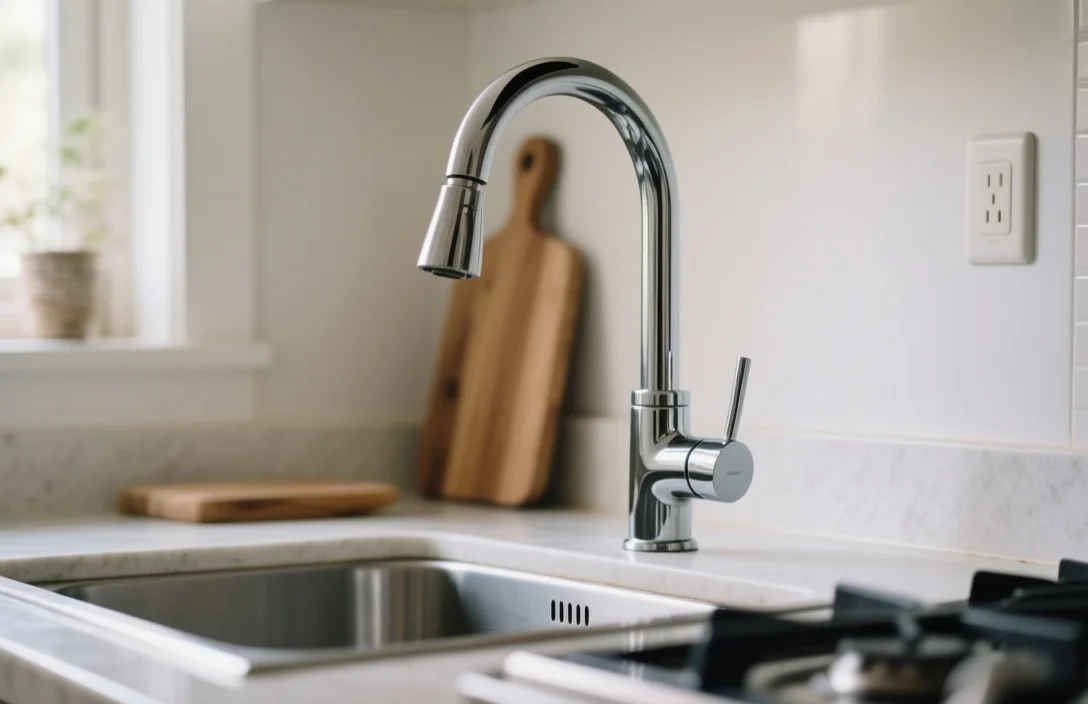
Most high-quality kitchen faucets last between 10 and 20 years, though the specific internal components often fail much sooner. Your kitchen faucet is a high-traffic tool that handles thousands of cycles, temperature fluctuations, and mineral buildup every single year. While the exterior finish might look pristine for decades, the internal valve cartridges and seals are the true limiting factors for your faucet’s functional lifespan.
A kitchen faucet typically provides reliable service for 15 years before internal leaks or finish degradation become common. High-end models with brass internals often exceed this range, while entry-level units with plastic components frequently require replacement within 7 to 10 years of consistent daily use.
Key Takeaways
- Average life expectancy. Most residential kitchen faucets function well for 10 to 20 years depending on material quality and usage intensity.
- Internal component failure. Cartridges and O-rings are the most common parts to fail, often requiring maintenance long before the faucet body itself.
- Water chemistry impact. High mineral content in your water supply accelerates corrosion and seal degradation regardless of the faucet’s initial price point.
- Material durability differences. Solid brass or stainless steel construction significantly outlasts plastic or zinc-based alloy hardware in high-traffic kitchen environments.
- Repair versus replace. Simple leaks often justify a cartridge swap, but widespread corrosion or structural damage usually signals the need for full replacement.
How long should a kitchen faucet last under normal use
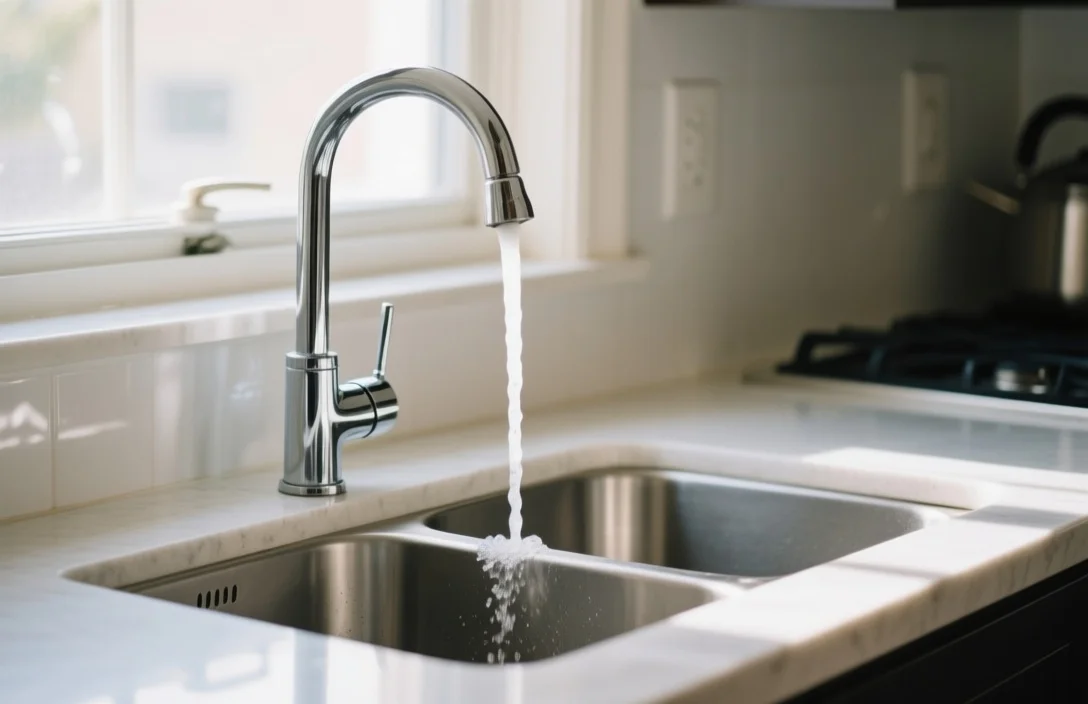
A standard kitchen faucet in a typical American home should remain fully operational for 15 years. This assumes a moderate amount of daily use, usually involving several dozen cycles of turning the handle on and off to wash hands, fill pots, and rinse dishes. You might find that the faucet body remains structurally sound for much longer, but the mechanical parts often reach their limit after about a decade.
When you look at the lifespan of a faucet, you have to distinguish between the aesthetic finish and the internal plumbing. A high-quality finish like brushed nickel or chrome can last for 20 years without showing significant wear. However, the internal diverter valves and ceramic disc cartridges are moving parts that experience friction and pressure. If you have a high-volume kitchen where the sink is in constant use, you should expect to perform at least one major internal repair or a full unit replacement before the 15-year mark.
Signs your kitchen faucet needs immediate replacement
Persistent leaking at the base of the faucet body is one of the most reliable indicators that your hardware has reached the end of its functional life. While a drip from the spout usually points to a failing cartridge or washer, water pooling under the sink or around the base indicates that the internal seals or the faucet body itself may be cracked or structurally compromised. Replacing the entire unit is often more cost-effective than attempting to source proprietary seals for a failing, aging faucet body.
Another clear sign is a sudden drop in water pressure that does not resolve after cleaning the aerator. If your water flow remains restricted even after you have cleared out mineral debris, the internal channels of the faucet may be permanently clogged or corroded. You should also consider replacement if you notice visible rust or pitting on the exterior of the fixture. Once the protective coating fails, the underlying metal will continue to degrade, which can eventually lead to leaks that cause water damage inside your cabinets.
Factors influencing the lifespan of your plumbing fixtures
Your daily water usage habits directly dictate how quickly your faucet parts wear down. Faucets that are used to fill large pots multiple times a day or that handle extreme temperature swings from boiling to ice-cold water experience more thermal stress. This constant expansion and contraction of internal seals can lead to premature failure compared to a faucet used primarily for light tasks.
The physical installation quality also plays a role in how long your hardware lasts. If the mounting hardware was overtightened during the original installation, it can put undue stress on the faucet base or the surrounding countertop. Proper stabilization prevents the faucet from wobbling, which is a common cause of leaks developing at the connection points where the supply lines meet the faucet shanks.
| Factor | Impact on Lifespan |
|---|---|
| Material | Solid brass lasts significantly longer than zinc or plastic. |
| Water Quality | Hard water accelerates mineral buildup and seal wear. |
| Usage Volume | High-traffic kitchens shorten the life of moving parts. |
| Maintenance | Regular aerator cleaning prevents pressure-related damage. |
Budget versus premium faucet material durability
Premium faucets typically feature heavy-duty brass construction, which provides superior resistance to temperature changes and physical impact. These units are designed with longevity in mind, often featuring replaceable parts that are easy to find years after the initial purchase. When you invest in a higher-tier brand, you are paying for the quality of the ceramic valves and the thickness of the metal casting, both of which are critical for long-term reliability.
Budget-friendly options often rely on plastic internal components or zinc-based alloys that are prone to oxidation. While these faucets can look identical to premium models when brand new, the internal valves are rarely designed for long-term service. If a plastic nut or internal housing cracks, you will often find that the manufacturer does not offer replacement parts, forcing you to replace the entire faucet. Budget models are best suited for guest bathrooms or low-traffic areas rather than the primary kitchen sink.
Water quality impacts on internal cartridge longevity
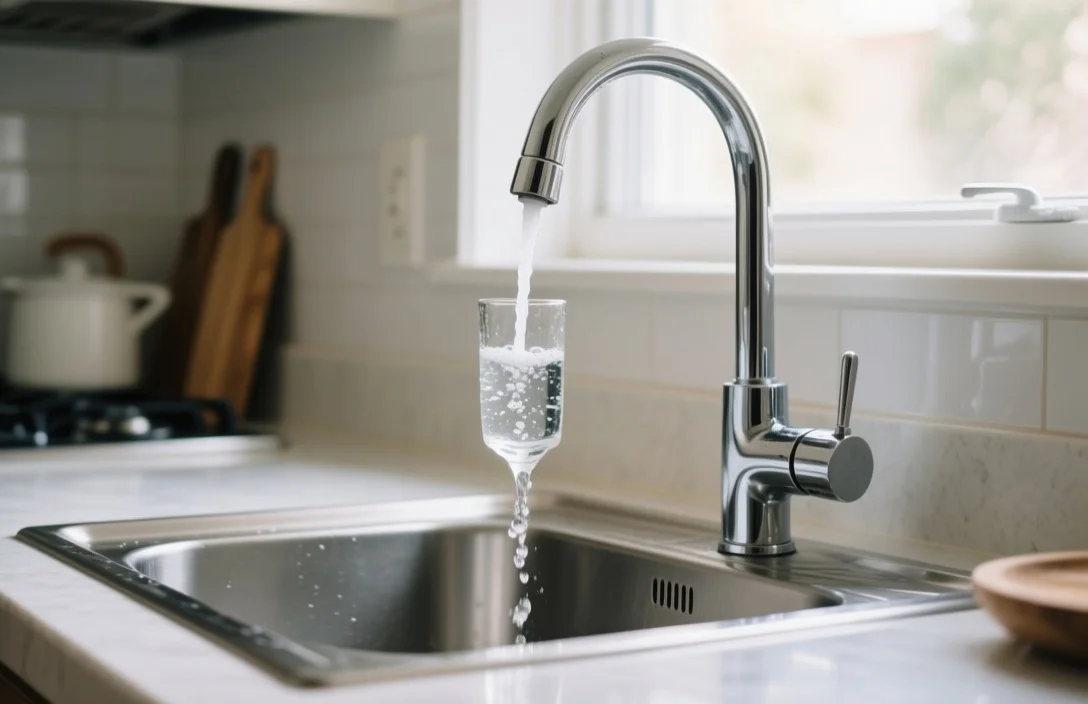
Hard water, which is common in many parts of the United States, contains high levels of dissolved calcium and magnesium that create scale deposits. These minerals build up inside the faucet cartridge, acting like an abrasive that grinds down rubber O-rings and ceramic discs. Over time, this buildup restricts water flow and forces you to use more pressure to operate the handle, which accelerates the wear on the internal mechanism.
If your home has hard water, you will likely see the lifespan of your internal cartridges drop by several years. You can mitigate this by installing a whole-home water softener, which removes the minerals before they reach your kitchen fixtures. Even without a softener, being aware of your water quality allows you to anticipate the need for internal maintenance. If you notice white, crusty deposits forming around the aerator or the handle base, it is a sign that your internals are likely dealing with the same mineral stress.
Steps to extend the service life of kitchen hardware
Regular cleaning of the aerator is the single most effective way to keep your faucet functioning efficiently for years. Minerals and small bits of sediment from your pipes can get trapped in the aerator screen, which creates backpressure that puts unnecessary strain on the internal seals. Unthread the aerator every six months, soak it in white vinegar to dissolve mineral deposits, and rinse it before reinstalling it to ensure consistent flow.
You should also check the connections under your sink annually to ensure everything remains tight. A small, undetected leak at the supply line connection can lead to cabinet rot or floor damage long before the faucet itself actually fails. While you are under the sink, inspect the shut-off valves to make sure they still turn freely. If these valves become seized due to lack of use, you will have a difficult time performing repairs when you eventually need to replace a cartridge or the entire faucet.
When to repair versus replace a leaking faucet
Repairing a faucet is the right choice when the issue is limited to a specific, replaceable part like a cartridge, O-ring, or aerator. If you can identify the brand and model of your faucet, you can usually find a repair kit for under 30 dollars. This is a sustainable and cost-effective approach for high-quality units that are otherwise in good condition. You should always opt for repair if the faucet body is clean, free of corrosion, and matches the aesthetic of your kitchen.
Replacement becomes necessary when the repair costs approach the price of a new unit or when the faucet body itself is compromised. If you notice cracks in the metal, extensive pitting that you cannot clean off, or if the internal housing is so corroded that parts are fused together, you have reached the end of the line. Replacing a faucet is also the logical step if you are remodeling your kitchen or if the original hardware no longer functions smoothly despite multiple attempts to replace the internal seals.
FAQ
How can I tell if my faucet is made of brass or plastic?
You can usually perform a magnet test to check the material. A magnet will not stick to brass or high-quality stainless steel, whereas it will often stick to steel or iron-based alloys. Plastic faucets are lightweight and usually feel significantly cooler to the touch than metal fixtures.
Is it worth repairing a cheap kitchen faucet?
Usually, no. If your faucet was an inexpensive model, the internal parts are likely proprietary and difficult to source, or the cost of the repair kit might be nearly as much as a brand-new unit. It is often better to replace a budget faucet with a more durable, mid-range option.
Why does my kitchen faucet make a knocking sound?
Knocking or banging sounds often indicate water hammer, which happens when water flow is suddenly interrupted. This can be caused by loose pipes behind the wall or, in some cases, a failing internal valve inside the faucet that is struggling to regulate pressure.
How often should I replace my faucet supply lines?
Supply lines should be inspected every year and replaced every 5 to 10 years as a precaution. Even if they look fine, the rubber or braided materials can degrade and become brittle, leading to a catastrophic burst that can cause significant water damage in your kitchen.
Can I replace a kitchen faucet myself?
Yes, replacing a kitchen faucet is a manageable DIY project if you have basic tools like an adjustable wrench and a basin wrench. You will need to turn off the water supply at the valves under the sink, disconnect the lines, and remove the mounting nuts before installing the new unit.
Maintaining your kitchen faucet is mostly about keeping the internal parts clear of mineral buildup and tightening connections before they become problems. If you notice a persistent leak or a drop in performance, start by checking the aerator or swapping out the cartridge. When those quick fixes no longer restore full functionality, it is time to upgrade to a new unit that will serve your kitchen for the next decade or more.