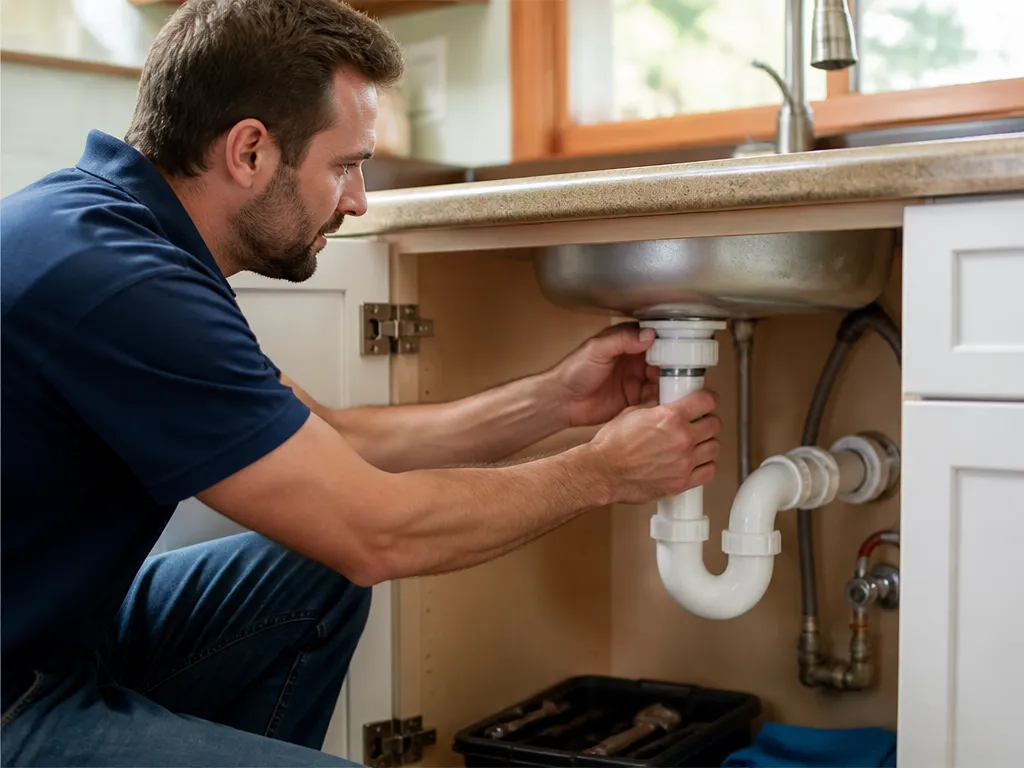
How To Fix Gurgling Kitchen Sink: Diagnose And Fix Fast
A gurgling kitchen sink usually means air is trapped in the drain and is trying to escape. The quickest safe diagnosis is to see what happens when you run the faucet, turn on the garbage disposal, or flush the toilet. Gurgling paired with slow drainage usually points to a clog or venting problem. Gurgling from several fixtures, sewage odors, bubbling, or rising water can indicate a sewer backup.
Start by checking whether multiple drains gurgle and whether water drains slowly. If water backs up, stop using the drains and call a plumber. Clearing the wrong blockage can worsen a sewer issue or expose you to contaminated water.
Key Takeaways
- Check symptoms first. Gurgling with slow drainage points to a clog, not just a minor air bubble.
- Rule out sewer backup. If toilets or other drains also act up, treat it as an urgent warning.
- Clear the drain path. A blockage in the branch line can force air out through the sink.
- Plunge correctly. Use full coverage and steady pressure, not quick jabs that leak air.
- Clean the P-trap. Grease, food chunks, and other debris commonly collect there.
- Check the vent. A blocked vent can cause air-lock gurgles even when the drain looks clear.
How To Fix a Gurgling Kitchen Sink
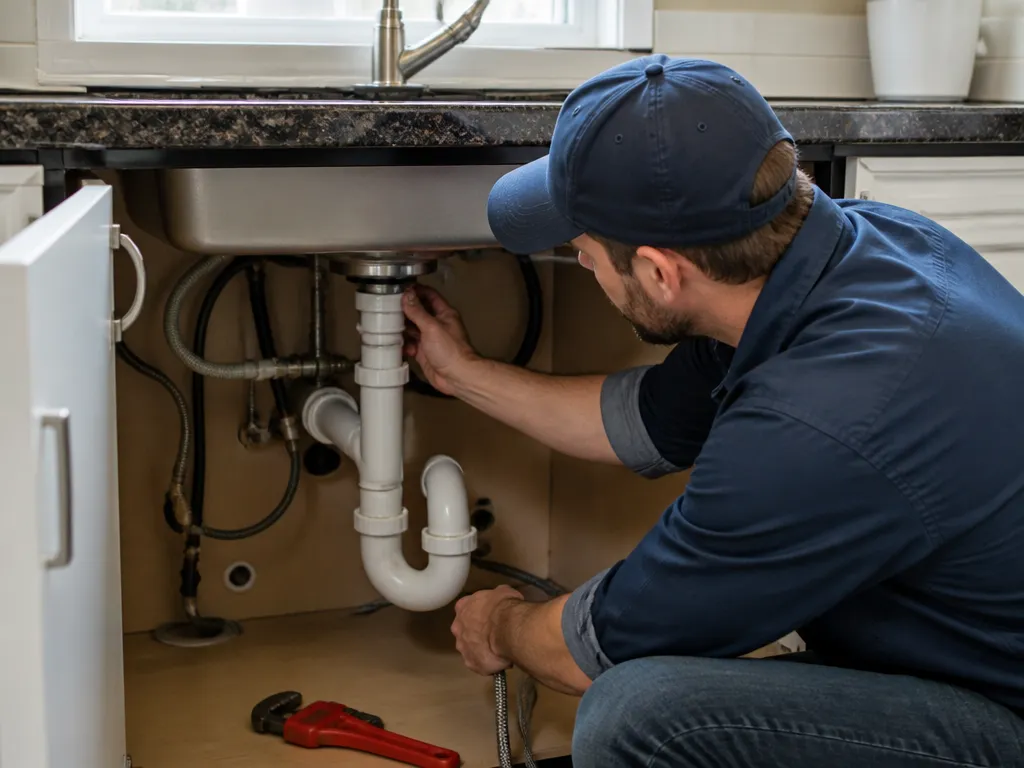
First determine whether the problem is a drain clog, a venting issue, or a sewer backup. The fix depends on the cause, and the wrong approach can fail or make the situation worse. Use the checks below to identify the likely source before choosing a repair.
Check three things before taking the pipes apart:
- Does the garbage disposal change the sound?
- Does water drain slowly?
- Do other fixtures gurgle or drain poorly?
Toilets and tubs acting up at the same time is an especially important clue. Multiple affected fixtures often point to a shared drain line or vent problem rather than a blockage confined to the sink. Stop using the drains and call a plumber if that pattern appears.
If you smell sewage, see bubbling in the basin, or notice water rising, stop running water and keep the fixtures closed off. Arrange professional help or use a professional sewer cleanout service. If the problem is limited to normal sink-only gurgling with slow drainage, work through the steps below in order.
Check the Drain Path Before Taking Pipes Apart
Gurgling while water is running, especially with slow drainage, usually means air is being forced past a blockage. Gurgling after the sink has been idle can indicate a venting problem or debris settling in the trap or drain line.
Try these tests:
- Run cold water in short bursts for 10-15 seconds. Listen for gurgling and watch whether the sink drains normally between bursts.
- Turn on the disposal briefly if it runs normally. A louder gurgle when the disposal operates points toward a blockage downstream of the disposal.
- Test other drains one at a time. Gurgling from a bathroom sink or tub suggests a shared drain line or vent issue.
The usual kitchen sink drain path runs from the sink outlet to the P-trap and then to the wall drain or branch line. If the P-trap is clear but the sink still gurgles when water runs, the blockage is probably farther down the line.
When Multiple Drains Gurgle, Stop a Possible Sewer Backup
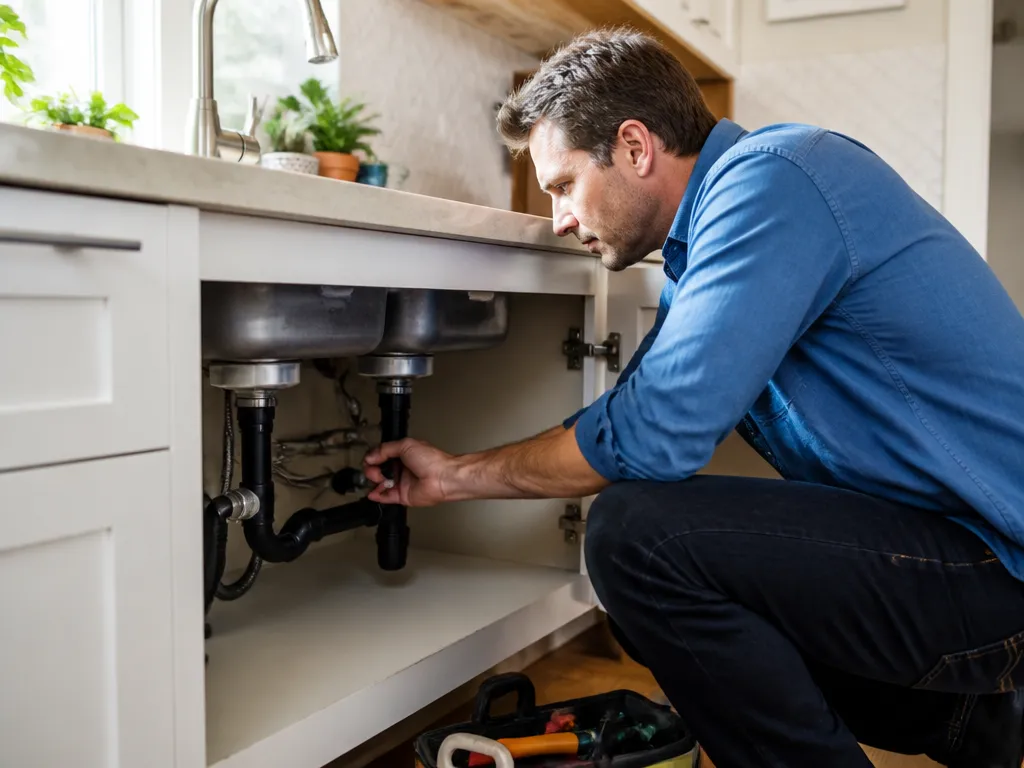
Do not keep plunging the kitchen sink if water backs up, several fixtures gurgle, or drains elsewhere bubble. Continued plunging can push debris deeper and worsen the backup. Stop using the drains and address the main blockage instead.
Look for a cleanout access point near the main line. It may be in the garage, basement, or yard. If you have an accessible cleanout and are trained and comfortable using a drain snake, you can try clearing the line from the cleanout toward the street or main.
Call a plumber or sewer service if you do not have a clearout, sewage is rising, or you are unsure how to use the cleanout. A clog this far out may require a proper sewer auger, and a plumber can camera-inspect the line to identify the cause.
Avoid chemical drain cleaners in this situation. They can splash back or react unpredictably when a backup is present, and they do not reliably remove grease or solid blockages. Stop the backup first, then clear the cause.
Plunge a Partially Clogged Kitchen Sink
A plunger works best when a partial clog still allows some water to move. If the sink drains at a crawl or slows down just before it gurgles, plunging is a reasonable first fix. If water is completely stopped or backing up quickly, plunging may be ineffective and can make the situation messier.
Use a cup-style plunger, not a flange toilet plunger. Plug the sink overflow if the basin has one, and seal the other drain opening on a double-basin sink. A tight seal keeps pressure directed into the drain instead of letting air escape around the edges.
Follow these steps:
- Add enough water to cover the rubber cup.
- Place the plunger over the drain opening and form a tight seal.
- Push down firmly until you feel resistance, then pull back to create suction.
- Do 5 to 10 strong plunges, then test the drain with a little water.
If the gurgling decreases and water moves faster, stop and reassess rather than continuing to plunge. If nothing improves after a couple of rounds, clean the P-trap or use a drain snake. The blockage may be farther downstream than plunging can reach.
Clean the P-Trap Under the Sink
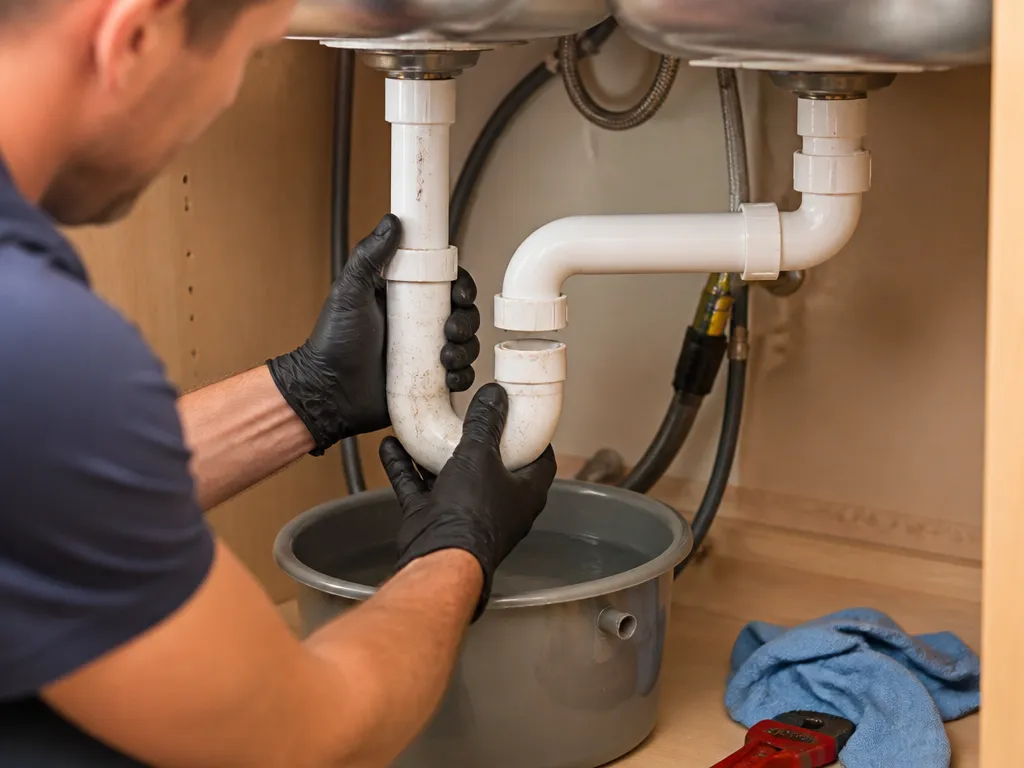
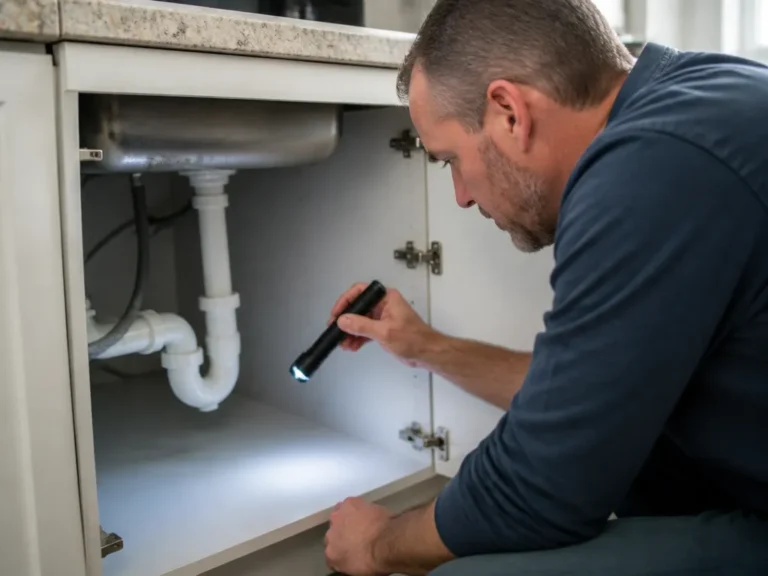
The P-trap is the curved pipe under the sink. It holds water to block sewer gas, but it also collects grease, food particles, soap scum, and other debris.
Prepare for spilled water and sludge. Put a bucket under the trap, wear gloves, and keep rags nearby. Cardboard under the bucket can make cleanup easier.
To clean the trap:
- Loosen the slip nuts or compression fittings, depending on the setup.
- Remove the trap and empty its contents into the bucket.
- Rinse the trap with hot water and remove buildup from the bends.
- Check the short connections between the trap and the wall for clogs. Use a bent wire hanger or small brush if needed, but do not force anything if it stops cold.
- Reassemble the trap tightly and run water to check the flow.
A trap packed with grease or debris may be the entire cause of the gurgling. If the trap is clean and the noise remains, the blockage is likely farther down the drain line. Move on to venting checks or a drain snake.
Check the Vent for Air-Lock Gurgles
Drain vents allow sewer gases to escape and air to enter the plumbing system so wastewater can flow freely. A blocked vent can trap air, create pressure changes, pull water from the trap, and cause gurgling or slow drainage even when the P-trap is clean.
Vent-related symptoms include:
- Gurgling that becomes more noticeable after the sink has been unused for a while.
- Slow drains and gurgling that continue after P-trap cleaning.
- Occasional sewer odors, sometimes stronger after running water.
If it is safe to do so, check for obvious blockages around the roof vent termination. Leaves, nests, and other debris can obstruct the opening. Also inspect accessible interior vent connections for loose fittings or damage.
Do not use chemicals to test or fix a suspected vent problem. If you cannot confirm the cause, have a plumber inspect the vent line. The repair may involve specialized tools, camera inspection, rerouting, or replacing damaged vent components, so it is often more than a small under-sink repair.
Repair Loose Connections and Remove Grease Buildup
A gurgling sink does not always have a hard clog. Loose fittings, worn seals, and recurring grease buildup can restrict flow or let air enter the drain system. Grease is a common kitchen-sink problem because it cools into a semi-solid layer that clings to pipe walls.
Inspect the accessible plumbing under the sink:
- Look for wet spots or odor leaks after reassembling the P-trap.
- Tighten slip nuts until snug, but do not overtighten them.
- Confirm that the P-trap is oriented correctly and has the proper slope.
Reduce recurring grease buildup by changing what goes down the drain:
- Scrape plates instead of rinsing heavy food into the sink.
- Run hot water briefly after using the disposal. It should be hot, not scalding.
- Never pour cooking grease down the drain. Let it cool and throw it in the trash.
When a clog is responsible, mechanical cleaning is usually a better choice than adding more chemical cleaner. If plunging and P-trap cleaning do not help, use a drain snake to reach farther down the line. Feed it slowly. When it meets resistance, work it back and forth to break up the blockage. If it hits a hard obstacle that will not move, stop and call a plumber so you do not damage a pipe joint.
FAQ
How fast can I stop a gurgling kitchen sink?
For a slow drain, start with 5 to 10 strong plunges and clean the P-trap if needed. Improvement should be noticeable after one or two rounds.
Will drain cleaner fix gurgling in a kitchen sink?
Drain cleaner might help a minor partial clog, but it often fails on grease-packed buildup. Mechanical cleaning, such as plunging, P-trap cleaning, or snaking, is generally more reliable.
Is gurgling a sign of a sewer backup?
It can be when the sound occurs with unusual toilet behavior, bubbling, or rising water. Those symptoms involve more than an isolated sink drain.
What should I do first when my sink gurgles?
Run water for a few seconds, observe the drainage, test other drains, and note whether the disposal changes the sound. These observations help identify the likely source.
Can I prevent gurgling from coming back?
Usually, yes. Keep kitchen grease and food out of the drain, scrape solids from plates, and avoid pouring hot or cooled grease into the sink. Run hot water briefly after disposal use, and inspect or clean the P-trap if buildup returns quickly.