How To Measure A Cup Without A Measuring Cup
You do not need a measuring cup to get close to a “cup” for everyday cooking. A standard US cup is 8 fluid ounces by volume, but most kitchens only have common tools like a spoon, a bowl, or a can. This guide shows practical ways to measure roughly one cup without a measuring cup, plus how to avoid the two biggest sources of error: packing and levelness.
Featured snippet: 1 cup = 16 tablespoons (tbsp). That means you can measure 1 cup with standard kitchen spoons by adding 16 level tbsp for liquids, or spooning in and leveling for dry ingredients like flour. If you only have a container, use the water-test method: fill with water in a consistent “fill line,” then weigh or mark the volume.
Key Takeaways
- Use 16 level tbsp. One US cup equals 16 tablespoons, which is the simplest no-cup method.
- Measure liquids by fill. Pour to the level you can repeat, and avoid shaking or sloshing mid-pour.
- Measure flour gently. Spoon into the container, then level off, because scooping compacts flour.
- Calibrate with water. Fill your substitute container with water and compare to known tablespoons or weight.
- Match the ingredient type. Baking is most sensitive, so use careful technique for flour and brown sugar.
- Aim for repeatability. Mark fill lines or use the same vessel every time for consistent results.
How to begin
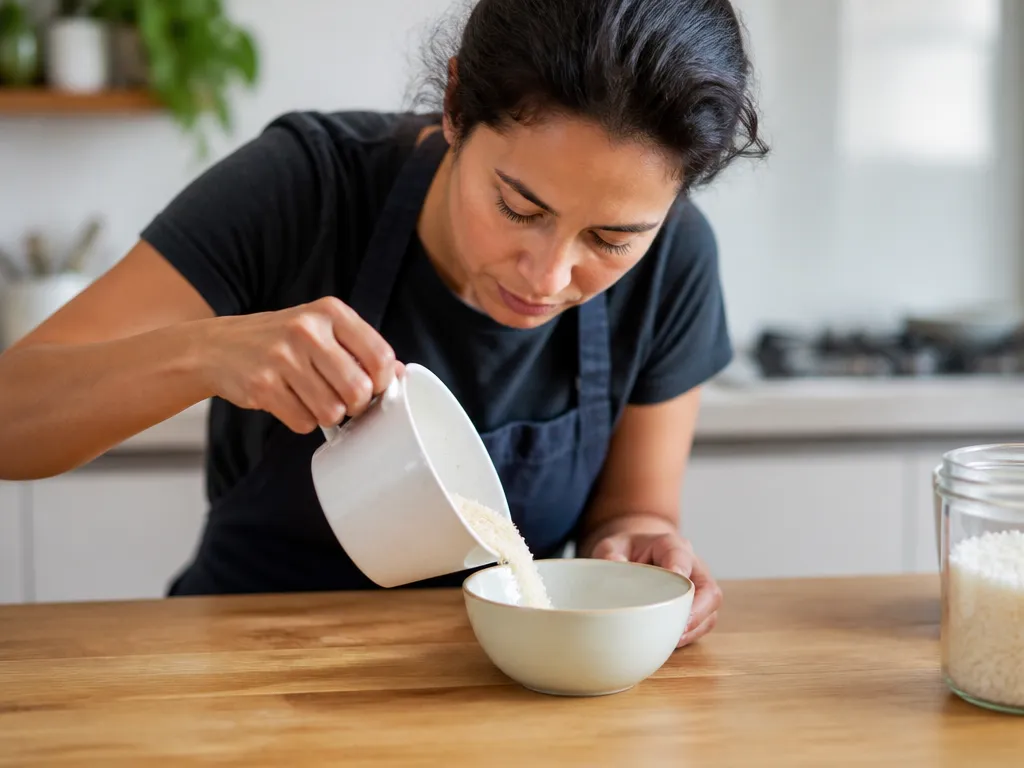
Start with the goal: do you need volume for cooking or weight for accuracy? Most recipes that say “1 cup” mean US volume, but many baking results are more sensitive to how you fill flour, sugar, and similar powders.
Before you start, gather what most people already have: standard spoons (at least one tablespoon), a large bowl or mug, and either a kitchen scale (if you have one) or a second reference you can fill repeatedly. If you have a smartphone, you can also use the camera to measure object dimensions, but for “cups,” spoon-and-level is usually faster and more reliable than estimating geometry.

Helpful pick
Pyrex Essentials (2-Pack) Glass Measuring Cups Set (1 & 2 Cup)
Start your measuring process with these high-quality glass cups, which offer clear markings to ensure you get the exact volume you need.
Basics of how to measure a cup without
A US measuring cup is 8 fluid ounces, which most people can translate into kitchen-spoon terms. In practice, 1 cup = 16 tbsp, so you can build the measurement in small, repeatable steps.
The tricky part is that “cup” can mean different things depending on the ingredient. Liquids behave consistently when you pour and level them, but dry ingredients like flour change volume based on how tightly they are packed.
how to measure a cup without
Follow these steps to measure 1 cup without a measuring cup, then scale up or down for your recipe.
Step 1: Confirm you’re using US “cup”
Use the most common US shortcut: assume recipes written for US kitchens mean 1 cup = 16 tbsp. If you’re using a recipe from another country, the “cup” could differ, so adjust only if the recipe explicitly says so.
Step 2: Use tablespoon spoons for the most straightforward method
- Fill a tablespoon with the ingredient.
- Level it off (use a knife or flat edge).
- Repeat until you reach 16 level tbsp.
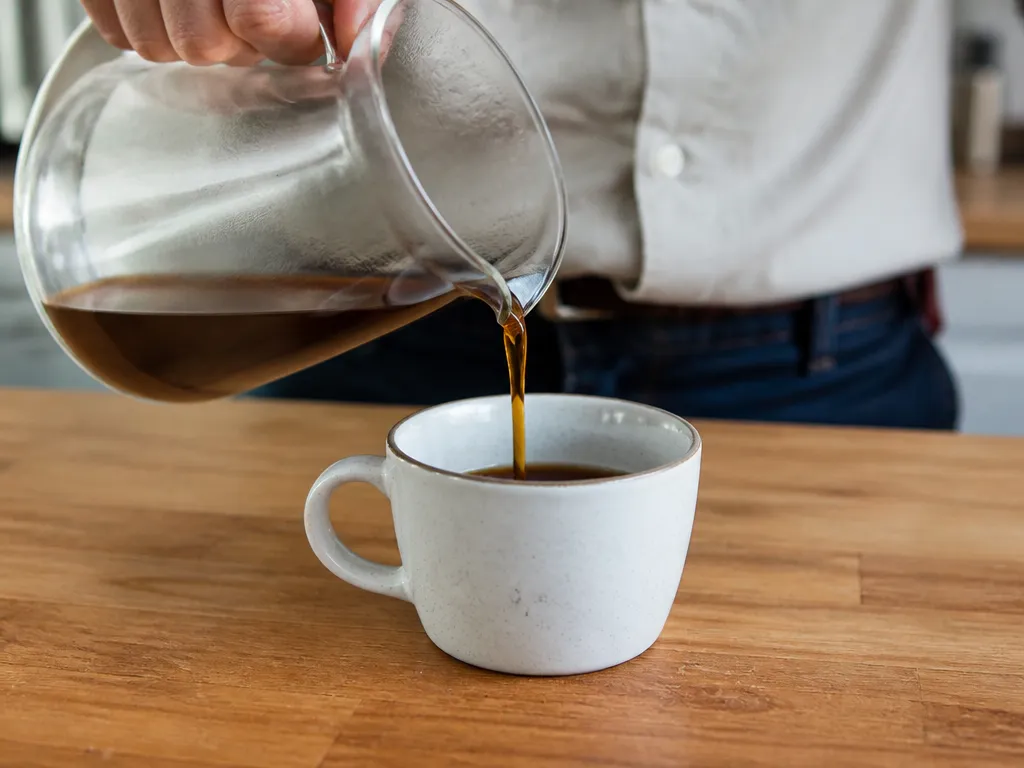
For liquids: use the same tablespoon and pour carefully so you end up with level spoonfuls. For dry ingredients: spoon into your tablespoon first (or scoop gently), then level.
Step 3: Convert smaller amounts
Once you know 16 tbsp = 1 cup, common conversions are simple:
- 1/2 cup = 8 tbsp
- 1/3 cup = 5 tbsp + 1 tsp (close enough for most cooking)
- 1/4 cup = 4 tbsp
- 3/4 cup = 12 tbsp
If you want tighter accuracy for baking, stick to fractions like 1/2, 1/4, and 3/4 and avoid “weird” fractions unless you can measure teaspoons too.
Step 4: Use the water-test method for a substitute container
If you have a bowl or mug you like but no way to measure its volume, calibrate it.
- Choose your substitute container (example: a mug).
- Fill it with water to the same “fill line” every time.
- Pour the water into a bowl and measure it by tablespoons (method above) or weigh it if you have a scale.
- Mark the fill line on the container so you can repeat “1 cup” next time.
This works because water gives you a consistent benchmark, even when your container’s shape changes how you might “eyeball” volume.
Step 5: Scale for half-cups and multi-cup recipes
For example, if your recipe needs 2 cups:
- Use 32 tbsp total (16 tbsp per cup).
Or:
- Calibrate your mug once as 1 cup, then pour it twice.
For 1 1/2 cups:
- Do 24 tbsp total (16 + 8), or 1 full calibrated mug plus half a mug.
Things that matter most
These techniques matter more than finding the “perfect trick,” because they control error.
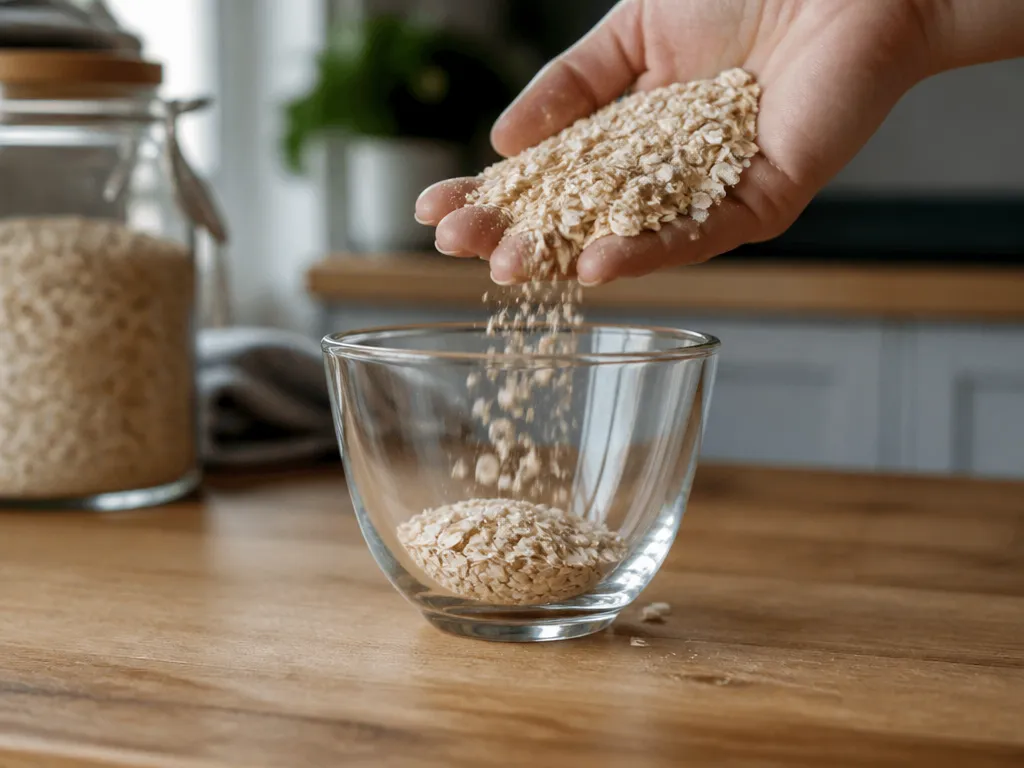
Leveling is everything for powders. Flour, cocoa powder, and powdered sugar compress and settle. Spoon into the spoon or bowl lightly, then level the top flat instead of packing down.
Use consistent pouring for liquids. If you’re measuring with spoons or a container, keep the container at a consistent angle and stop the pour the same way each time. Shaking changes how much settles at the top, especially in thicker liquids.
Calibrate any “mug method.” If you choose a mug or bowl, do one calibration with water. After that, you can repeat quickly without thinking.
Avoid “scooping” flour. Scoops and measuring by “fill and level” are different for flour. A scoop can pack flour, making your “cup” heavier than intended, and that can throw off batter thickness.
💡 While this book focuses on life, in the kitchen, the things that matter most are accuracy and consistency when measuring your dry ingredients. The Things That Matter Most.
What works in practice
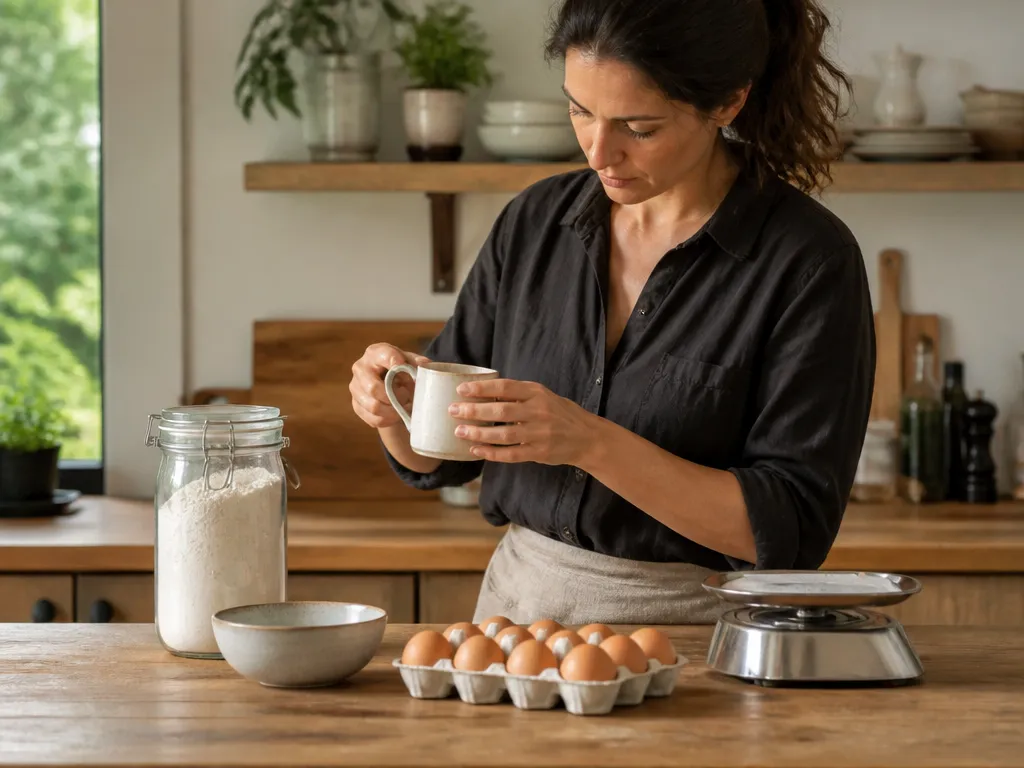
If you want good results, treat this like repeatable measurement, not a one-off guess.
Use the tablespoon method when precision matters most. Baking tends to punish errors, and 16 level tbsp per cup gives you a consistent baseline.
Mark a fill line if you plan to reuse your substitute. If you calibrate a mug to equal 1 cup, draw a small line with tape or a marker. Next time, you pour to the same line.
For dry ingredients, spoon and level consistently. A common pattern is: spoon flour into your measuring spoon, then level. Don’t tap the spoon repeatedly to “get it to fill.”
For brown sugar, accept that you may need to pack slightly (or mimic recipe behavior). If a recipe says “packed brown sugar,” your best move is to follow packing behavior as written, using the same technique each time so your “cup” stays comparable.

Helpful pick
King Arthur Baking Company Mix N Measure Glass, Heavyweight Glass, Multi-Purpose Liquid and Dry Measuring Cup
For the best results in your baking, use this multi-purpose glass cup designed to handle both liquid and dry ingredients with ease.
Mistakes to Avoid with how to measure a cup without
These are the errors that most often turn “close enough” into “why did this turn out wrong?”
Scooping flour into a cup. Scooped flour is usually more dense, so 1 “cup” becomes more flour than the recipe expects. That can make cookies too dry or bread too heavy.
Forgetting to level spoons. A tablespoon that is heaped is not a tablespoon, and stacking extra volume adds up fast across 16 spoonfuls.
Assuming your mug is a cup. Many mugs are bigger than a cup by a lot. Without a water-test calibration, you are guessing, not measuring.
Rushing the water-test. If you calibrate with water, fill to the same line and avoid spilling. Even small spills change the result enough to matter in recipes.
Switching methods mid-recipe. If one ingredient is measured by “packed” technique and another by “spooned” technique when the recipe expects the opposite, you introduce inconsistency that is hard to diagnose later.

Helpful pick
Measuring Cups Set Measuring Spoons Set, Nesting Measure Cups with Stainless Steel Handle, For Measuring Dry and Liquid Ingredients Small Teaspoon with Plastic Head (Grey)
Avoid the common mistake of dense scooping by using these nesting cups and spoons to level your ingredients properly every single time.
Pro Tips for how to measure a cup without
A few tricks make this faster and more accurate.
Build a “reference spoon” if your spoons are odd. If your tablespoon set looks different, check it by filling with water and comparing to a second reference (like a known tablespoon or a kitchen scale). One tablespoon that is off by a bit adds up over 16.
Use a scale when available, especially for baking. If you have a kitchen scale, weighing is often more forgiving than volume for dry ingredients. Convert only if your recipe lists weights, or calibrate your ingredient to your recipe’s expected density.
Measure once, then reuse. If you’re making a recipe that needs multiple cup amounts, calibrate your container first. Measuring 1 cup once and then using it repeatedly saves time and reduces cumulative error.
Keep ingredient containers open for the same amount of time. Powders can absorb moisture from the air and clump, changing how they settle. Not a huge issue for most cooking, but it matters if you’re repeatedly measuring from a single container for a long time.
FAQ
What is the easiest way to measure 1 cup without a measuring cup?
Use standard kitchen spoons. 1 cup equals 16 tablespoons, so measure 16 level tbsp. Level each spoon with a knife or straight edge, and for dry ingredients spoon lightly before leveling to avoid packing.
Can I measure cups without spoons?
Yes, but you need calibration. Pick a bowl or mug, fill it with water to a consistent line, then measure that water by spoonfuls (16 tbsp per cup) or by weight if you have a scale. Mark the line so you can repeat “1 cup.”
Is measuring by volume accurate for baking?
It can be close, but baking is sensitive to flour density. Spoon and level flour for the closest match to typical measuring-cup technique. If your recipe is strict, weighing ingredients is usually more reliable.
How do I measure liquids without a measuring cup?
Pour into a container you trust, then use the same repeatable fill method each time. Best no-cup method is still 16 level tbsp for 1 cup. Keep the pour consistent and avoid bubbling or shaking before you check level.
What’s the most common mistake when measuring cups without a measuring cup?
Heaping spoons or scooping flour. A heaped tablespoon across 16 spoonfuls means extra volume, and scooped flour compacts, making your “cup” heavier than intended. Level and spoon gently to reduce both errors.