When To Use Pumice Stone On Oven Glass
Pumice stone is useful for stubborn, baked-on food or grease on fully cooled oven glass. It is not the right tool for fresh spills, light haze, fingerprints, or powdery residue left after a self-clean cycle. Use a damp stone, light pressure, and short straight strokes on a small test area. Stop immediately if the glass looks cloudy or scratched.
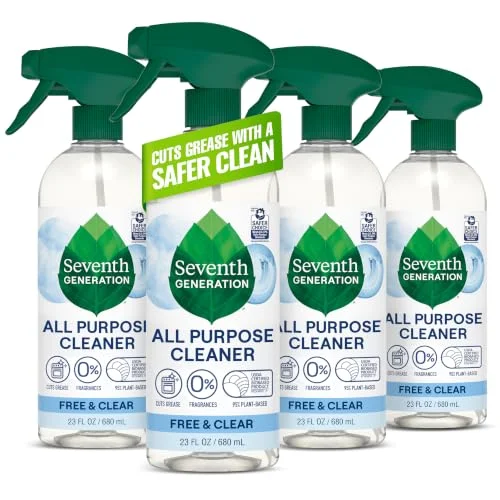
Soften the buildup first with an oven-safe degreaser or a damp cloth. If a non-scratch sponge removes the mess, skip the pumice. Abrasion adds risk without offering much benefit for ordinary grease.
Key Takeaways
- Use pumice on baked-on grime. It works better on browned, hardened residue than on fresh splatters.
- Wait for full cooling. Hot glass can suffer thermal stress or crack when exposed to moisture or scrubbing.
- Keep the stone damp. A wet pumice stone reduces dry abrasion and helps limit marks.
- Apply light pressure. Heavy scrubbing can scratch or dull the glass, including tempered glass.
- Avoid fresh and self-clean residue. Use soaking, steam, a glass-safe cleaner, or a soft pad first.
- Stop if the glass clouds. Hazing or scratch marks mean you should abandon the abrasive method.
When Pumice Stone Makes Sense on Oven Glass
Pumice is an abrasive. Its rough surface can cut through baked-on grease, but the same abrasion can scratch or dull oven glass when you press too hard or use it on the wrong type of residue.
It is unnecessary for a light cooking film, fingerprints, or a faint haze that a glass-safe cleaner can remove. Reserve it for firmly stuck buildup that resists gentler cleaning.
The oven must be completely cool, including after a cooking or self-cleaning cycle.
Check the Glass Before You Scrub
Oven doors commonly use tempered glass, but tempered does not mean scratch-proof. Some doors also have coatings or special layers around the edges and window. These areas may show hazing more easily than plain glass.
Inspect the surface before applying pumice. If the residue looks powdery, cloudy, or like a film left by a self-clean cycle, start with a soft pad and heat-safe glass cleaner. Pumice can grind that residue into the surface or make the haze worse.
Pumice is also slower than a degreaser for everyday grease. If a non-scratch sponge can remove the mess after soaking, it is the better choice. Save the pumice for thick, browned splatters and spill trails that have hardened through repeated baking.
How to Use Pumice Without Damaging the Door
Technique matters more than the tool itself. Work in small sections, keep the stone damp, and check the glass often instead of scrubbing one spot until it looks clean.
- Cool the oven completely. Remove the racks if needed, and make sure the door glass is no longer warm.
- Soften the residue first. Apply an oven-safe degreaser, or place a damp cloth over the stubborn area for a few minutes.
- Dampen the pumice stone. Keep it wet but not dripping. Never rub the glass with a dry stone.
- Use light, straight strokes. Apply minimal pressure and avoid lingering in one small spot.
- Rinse and inspect often. Wipe away residue with a damp microfiber cloth and check for cloudiness after 10-20 seconds of scrubbing.
- Finish with a non-abrasive cleaner. Once the grime lifts, use a glass-safe cleaner and a soft cloth to clear the remaining film.
Keep the stone away from painted or textured trim, rubber seals, and other materials around the window. Use painter’s tape to protect nearby trim if necessary, or confine the stone strictly to the glass pane.
Why Pumice Can Work – and When It Is Overkill
Pumice can remove baked-on deposits that resist ordinary cleaners. Thick, browned grease and caramelized spill trails may have bonded tightly to the glass, and a damp abrasive can break that bond faster than repeated wiping.
It also avoids the deep tracks that a metal scraper can leave if used incorrectly. That does not make pumice harmless, though. It still removes material through abrasion, so excessive pressure or repeated passes can leave a dull or scratched patch.
The trade-off is straightforward: pumice provides more cutting power than a non-abrasive pad, but it carries more surface risk. Use it only when the extra abrasion solves a problem that soaking and wiping cannot.
Safer Alternatives to Pumice Stone
Start with the least abrasive method that matches the residue.
| Option | Best for | What to use | When to stop |
|---|---|---|---|
| Non-scratch sponge + degreaser | Light-to-moderate grease | Oven-safe degreaser, microfiber or nylon scrub pad | If residue is baked on and will not lift after soaking |
| Baking soda paste (gentle) | Greasy stains with some age | Baking soda + water paste, soft damp cloth | If it spreads grime instead of lifting it |
| Glass cleaner + steam loosening | Light haze and fingerprints | Heat-safe glass cleaner, warm damp cloth | If you see stuck, browned residue |
| Plastic scraper (gentle) | Thick drips that are lifting at the edges | Plastic scraper, degreaser afterward | If you feel you are forcing it or scratching |
| Pumice stone | Hard baked-on residue | Damp pumice, rinse, then polish with glass-safe cleaner | Immediately if clouding or scratch marks appear |
For oven glass, use a “soak, then wipe, then soften again” routine before reaching for an abrasive. If the residue comes off without pumice, there is no reason to add the extra risk.
Mistakes That Damage Oven Glass
Do not chase every remaining smear with repeated heavy passes. If a spot does not lift quickly after softening, switch strategies rather than pressing harder.
Do not scrub the trim or rubber seals. Pumice belongs only on the glass pane, and even there it should be used sparingly.
After a self-clean cycle, begin with a non-abrasive method. Use a heat-safe glass cleaner and a soft pad if the window looks cloudy or powdery. Pumice may worsen residue-related haze instead of removing it cleanly.
When Pumice Is the Right Next
A brown, baked-on spill line on the lower half of the door window is a reasonable pumice candidate if a spray-and-wait degreaser does nothing. A sugary sauce that baked until caramelized and fused to the glass may also respond well; ordinary glass cleaner often cannot break through that hardened layer. Finish with a non-abrasive cleaner once the residue is gone.
Fingerprints, light smoke film, and faint haze after normal roasting call for a glass-safe cleaner and a soft microfiber cloth. Pumice is usually a mistake for these problems because the added abrasion is more likely to leave a cloudy appearance than improve clarity.
FAQ
What happens if I use pumice stone on oven glass too aggressively?
Heavy pressure can leave visible scratches or a dull, hazy finish. Tempered glass is tough against impacts, but it can still be abraded. If the glass turns cloudy, stop immediately, rinse it thoroughly, and switch to a non-abrasive cleaner and soft cloth.
Can I use pumice stone on oven glass after a self-clean cycle?
Start with gentler methods, such as heat-safe glass cleaner and a soft pad, especially if the window looks powdery or hazy. Pumice may grind residue into the surface or increase haze if the glass coating or residue responds poorly. If you still consider pumice, test a tiny corner after the oven is fully cool.
How often should I use pumice stone on oven glass?
Use it only when other methods fail, not as part of regular cleaning. For most households, that means occasional use on truly baked-on spots. If you need pumice often, wipe spills sooner and use degreaser before residue hardens through repeated baking.
What is the safest way to remove baked-on grease from oven glass without scratching?
Cool the oven fully, soften the grease with an oven-safe degreaser, and wipe with a damp microfiber cloth or non-scratch pad. Work in small sections and reapply cleaner if needed. Avoid metal tools and dry scrubbing. Once the residue lifts, use a glass-safe cleaner to restore clarity.
What is a common mistake people make when using pumice on glass?
The most common mistake is rubbing dry or applying too much pressure. Both increase the chance of scratches and clouding. Using pumice on hot glass is another serious error because it can create thermal stress. Dampen the stone, use light pressure, and inspect the surface after short passes.