
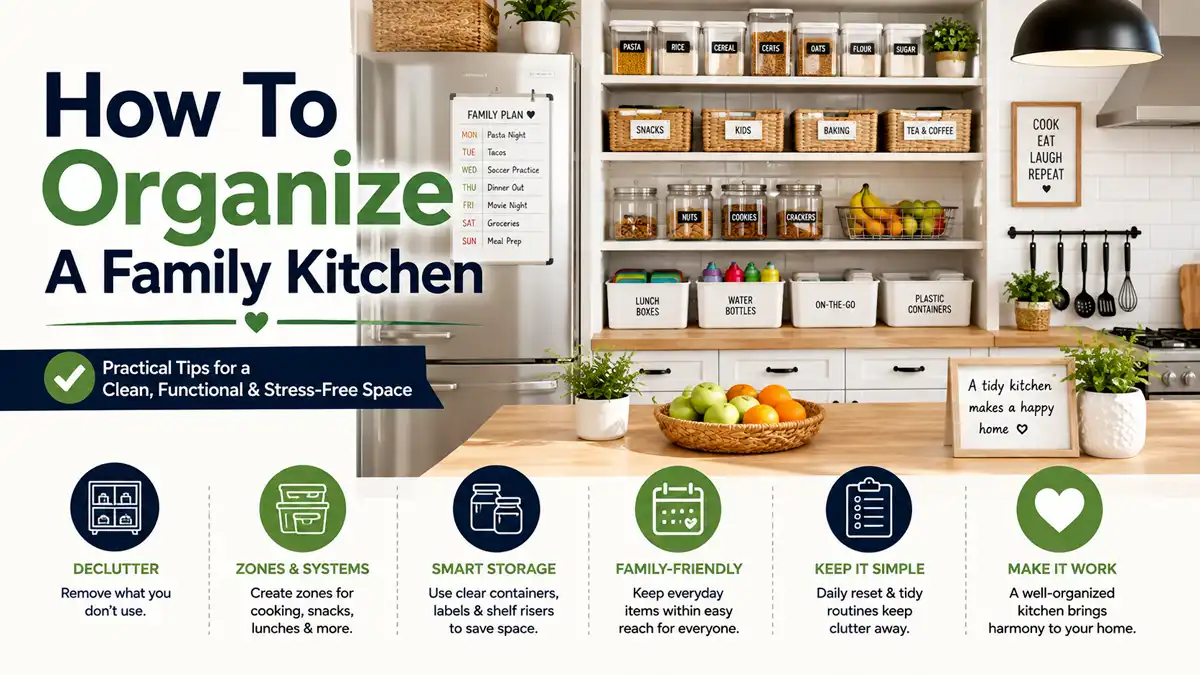
How to Organize a Family Kitchen for Busy Lives
A family kitchen gets slammed every day, and clutter forms in predictable places: junk drawers, overflowing pantry shelves, and countertops where everyone “sets things down.” The fix is a system, not random decluttering. Group items by how your household uses them, assign each category a specific home, and set limits so storage cannot overflow.
Start with cooking tools, kid items, and guest items. Keep counters clear with dedicated appliance spots, rotate shelf-stable food using FIFO (first in, first out), and create fridge zones for each food type. Consistent labels make restocking and cleanup easier for everyone, including kids.
Key Takeaways
- Start with flow. Place cooking and kid items where hands naturally reach during meal prep.
- Assign storage zones. Use kid-proof areas for snacks, cups, and small tools they actually use.
- Reduce counter clutter. Store appliances and containers near the places where you use them.
- Fix failures fast. If items miss their homes, adjust the zones and capacity before buying more organizers.
How to Organize a Family Kitchen for Everyday Flow
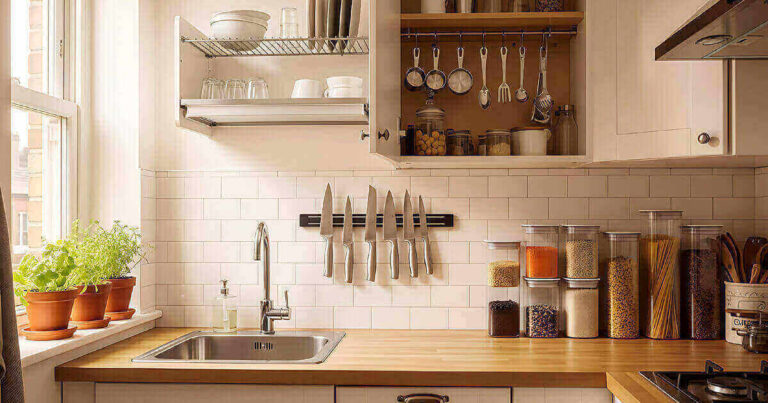
Everyday flow comes from matching storage to motion. When kids and adults can grab what they need without hunting, the kitchen stays calmer during breakfast and after-dinner cleanup. Using clear food storage containers helps everyone see what’s available at a glance.
Watch how your kitchen gets used for 1 day. Notice what moves most often, such as cups, snacks, and utensils; what people leave on counters when drawers are full; and what causes the biggest delays, such as finding a can opener, hunting for parchment, or answering “where do we put this?” Design around those habits rather than a picture of a perfect kitchen.
Gather a clear workspace, trash bags and donation bags, painter’s tape for temporary mapping, and labels you will actually use. If you have kids, involve them early by letting them help place their items in the kid-proof zone. Ownership makes an organized system more likely to be used, especially when paired with the right space-saving kitchen organization tools that make storage simple for everyone.
The goal is straightforward: every item has a home, every home is easy to access, and restocking takes little thought. You are not merely sorting clutter. You are removing daily decisions from the routine.
Organize by Category With Kid-Proof Storage Zones
Category-based storage prevents the “where did that go?” spiral, but a family kitchen needs a second layer: safety and independence. Kid-proof storage depends less on locking everything away than on controlling reach, height, and spill risk.
Set up zones based on who uses each item. I recommend at least four functional zones:
- Adult cooking zone: Near the stove and sink
- Snack and drink zone: Within kid reach
- Baking and prep zone: At a comfortable adult height
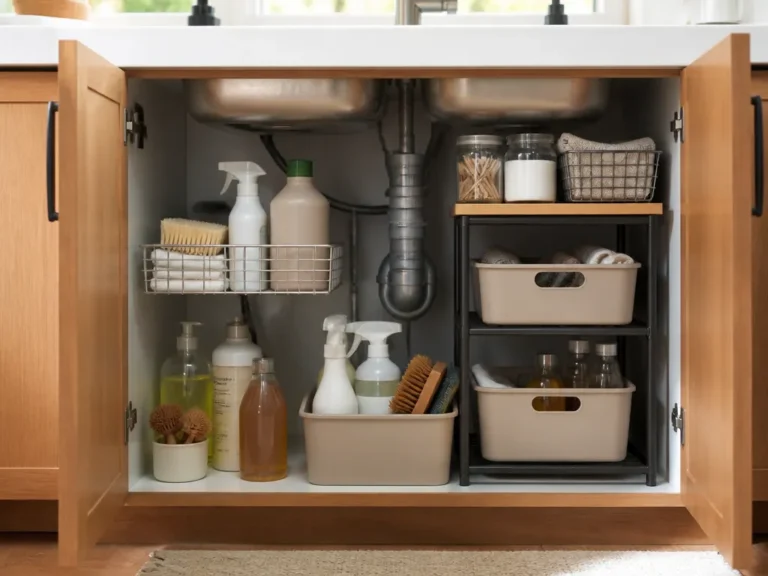
- Cleanup zone: For towels, brushes, and trash
Kids should have clear ownership of the items in their zone, while adults manage the rest. Keep guest items in a separate shelf or drawer so visitors do not have to search through everyday supplies.
Use lower drawers for cups and easy-grab snacks, clear bins for small items, and latching containers for anything that spills or attracts curiosity, such as sprinkles, loose candy, and powdered mixes. Store breakables and sharp tools higher up or behind a door.
Kid-proof storage often means choosing a better container rather than hiding everything. A lidded bin on a lower shelf is safer than an open basket when a spill is likely. If you use open shelves, keep only lightweight items there.
Give Every Category a Home and Label It Clearly
A kitchen organized by guesswork falls apart quickly. A kitchen organized around visible homes and clear labels gives everyone the same instructions.
Give each category one or two homes. Spices can share one spot, baking tools can occupy one drawer, and snack bags can stay together in one bin. If a category needs multiple homes because space is limited, split it by frequency of use rather than assigning items to whatever drawer happens to be empty.
Labels turn the system into a repeatable habit. Use the same style across the kitchen, and label for putting items away rather than decoration. “Granola bars” or “Snack cups” tells people where specific items belong; “Food” does not.
If someone has to open a cabinet or drawer to figure out what belongs there, the label is not doing enough. Place labels on the front of bins, the tops of containers, or drawer faces where a quick glance is enough.
Pair related labels when that makes the routine easier. For example, “Coffee filters” can identify one bin, while “Coffee tools” identifies another for the scoop, measuring spoon, and stir sticks. Anyone who grabs filters can find the rest of the setup and return it without improvising. For a wide range of label-friendly storage options, check out our guide to best food storage containers for small kitchens that work perfectly with this labeling system.
Prioritize Access for Cooking, Kids, and Guests
Accessibility determines whether a family kitchen works during its busiest moments. Hard-to-reach cooking tools slow down dinner, while confusing or unstable kid storage sends children toward adult cabinets and countertops.
Put frequently used cooking items near the stove and sink: spatulas, tongs, measuring spoons, potholders, and everyday oils or vinegars. Store heavy items and rarely used tools higher or deeper. Reserve middle-height storage for items used several times a week, not for equipment used once a month.
Make kid storage predictable. Snacks, water cups, and kid-safe plates should be available without requiring children to pull down heavy jars or climb on chairs. If kids help with breakfast, create a “kid morning drawer” for bowls, spoons, and napkins. Add bins so the contents do not spread across the drawer whenever it opens.
Guests also need a clear place to find basic items. Create an easy landing shelf for water glasses, napkins, and a couple of serving spoons. You do not need a formal bar cart, but you do need a spot that prevents last-minute improvising during entertaining.
Keep Counters Clear With Appliance and Container Systems
Clear counters are a storage decision, not a personality trait. Counters fill up when appliances and containers have no home or when their assigned homes are inconvenient.
List everything currently living on the counter. If a blender stays out all week, it may have earned that space. Other items should move if they have accessible homes. A microwave may remain on the counter, but coffee supplies, cutting boards, and serving trays usually do not need to.
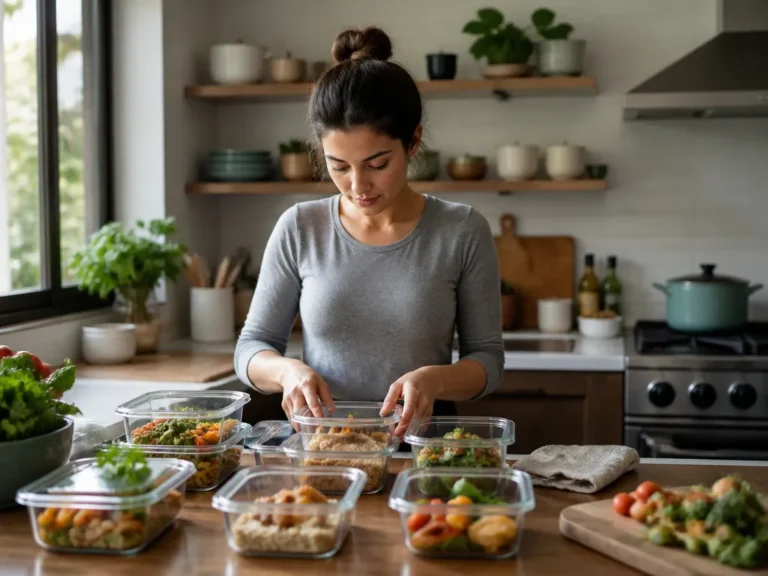
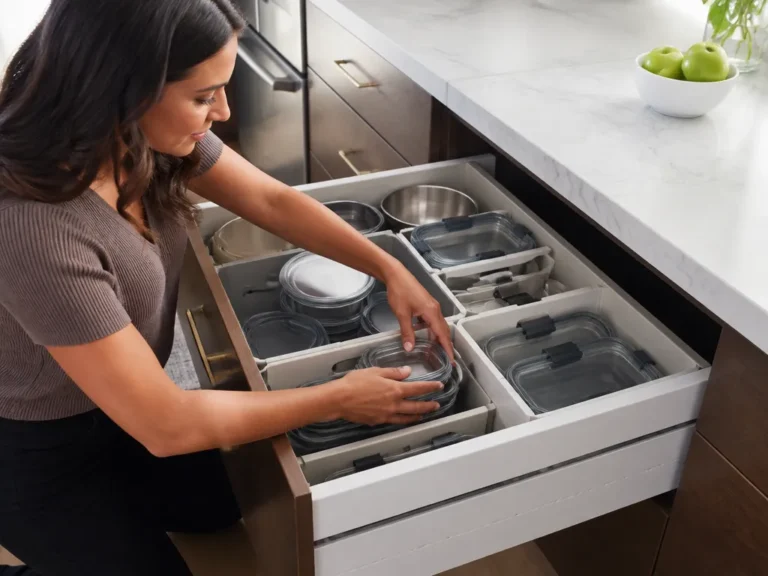
Keep daily tools near their work zones. Store cutting boards vertically inside a cabinet, stack baking sheets with a matching set of cooling racks, and keep “pack and go” containers together in one bin that fits in a drawer or cabinet. For food containers, choose a stackable food storage set, keep lids together, and label the outside of the stack.
Food containers cause trouble when lids do not match, sets are half-used, and random tubs disappear into the back of a cabinet. Consolidate to a small set of sizes and label them by function, such as “Lunch box,” “Leftovers,” and “Snack containers.”
Counter clutter often persists because a temporary place has become the default place. Give paper towels, recipe cards, plastic wrap, and bags a dedicated container zone, such as a bin under the counter, a drawer with dividers, or a shelf caddy.
Use FIFO and Fridge Zones to Control Food Storage
FIFO, or first in, first out, prevents expired food, mystery leftovers, and unnecessary waste. It also speeds up grocery restocking because everyone knows where new food belongs.
When restocking shelf-stable food, put the newest items behind the older ones. Use pantry baskets, a labeled “current” bin, and a separate “back stock” bin if helpful. Older items should always stay in front. FIFO works only when you can see what you have, so clear bins and grouped shelves are better than deeply packed storage.
Create fridge zones by food type and container use. Keep dairy together, produce together or in designated drawers, leftovers in one labeled area, and condiments in a dedicated shelf spot. If your family forgets what leftovers are, label containers with dates and keep them in the same “leftovers lane” every time.
Spend 2 minutes rotating groceries when you bring them home. Put new items behind older ones, then store leftovers in the correct zone as soon as cooking is finished. Matching containers and labels make this routine easier to follow.
A straightforward fridge layout for most US family kitchens looks like this:
- Top shelf: Ready-to-eat items, including condiments and drinks if you store them there
- Middle shelf: Dairy and opened items
- Produce drawers: Vegetables and fruits separated if possible
- Leftovers bin: One clear container area with labels and dates
If your fridge runs warm or you store food on the door, pay attention to door items because they often warm faster. You do not need to redesign the entire fridge. Zone food according to how quickly your household actually consumes it.
Diagnose a Kitchen System That Keeps Breaking Down
A system usually fails because its zones do not match household habits or because the storage capacity is wrong.
Repeatedly searching for the same item is the clearest warning sign. The item may lack a home, sit in a hard-to-reach spot, or belong to a category that overlaps with another home. Overflow is another problem: when bins and drawers become storage sinks, the system is moving clutter around rather than containing it.
Pay attention to stress during meal preparation. If you have to move several items before reaching the tools you need, the kitchen slows down and the system becomes easy to abandon. “Half-put-away” behavior, such as leaving lids on countertops or tossing snack packages into any open spot, means the storage instructions are not clear enough for busy moments. To prevent this, explore space-saving kitchen organization tools that create clear, accessible homes for every item.
Run this 10-minute diagnostic on one problem area, such as a pantry shelf or utensil drawer:
- Empty the area onto a counter.
- Identify what the household uses most often.
- Note where items came from during the busiest moments.
- Rebuild the zone around those habits.
- Set a capacity limit so the area cannot overflow again.
FAQ
How long does it usually take to organize a family kitchen?
Most families can make meaningful progress in 2 to 4 hours by focusing on high-traffic areas: the junk drawer, the pantry shelf that overflows, and the utensil and food-container zones. If you also consolidate food storage and label multiple drawers, plan a second session within the same week. Expect the first pass to be imperfect, then adjust it after you see how often people use each zone.
What’s the cheapest way to organize a family kitchen?
Start with reusable containers and labels you can update. Use drawer dividers, including DIY dividers made from sturdy cardboard, and a few lidded bins for snacks and small items. Consolidate mismatched food containers into a smaller set, then label them by function. If you spend money, use it on the areas that cause the most countertop clutter and searching rather than on decorative upgrades.
Is it safe to let kids store their own kitchen items?
Yes, if the kid-proof zone suits their physical abilities and you control what it contains. Keep breakables and sharp tools out of reach, store messy snacks in lidded bins, and choose low, stable storage. Avoid fragile glass and anything that spills easily at counter height. Rotate kid-accessible items as children grow so the zone stays manageable.
How do I keep the system from falling apart after a busy week?
Set capacity limits and reduce decisions. If drawers are overstuffed, remove items from the zone instead of adding more organizers. When something new enters the kitchen, remove something else or give the new item a specific home that same day.
What’s the most common mistake when organizing a family kitchen?
The most common mistake is trying to organize everything at once and quitting when the kitchen gets messy again. Another is creating zones that do not match real usage during the busiest parts of the day. If people cannot reach items quickly or labels are too vague, they will return to using the countertops. Fix one problem area, label it clearly, and expand only after that system works for a week.
Final Thought
A family kitchen is never done. What works today may not work next month. That is normal.
Pick one drawer. Fix that. Then do the next. When something stops working, change it. No guilt. Just adjust.
A kitchen that works is not about less stuff. It is about the right stuff in the right place.
Start small. Keep what works. Change what does not. That is all it takes.
One Comment