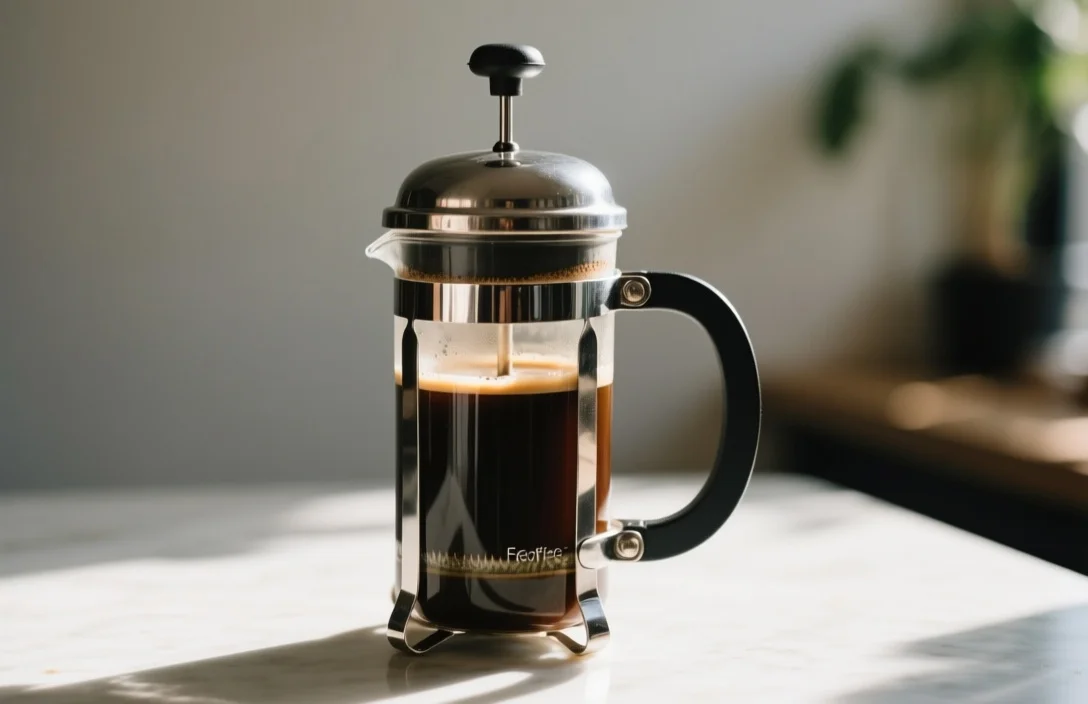
How Much Caffeine Is In French Press Coffee Compared To Drip
A standard 8-ounce cup of French press coffee typically contains between 80 and 135 milligrams of caffeine. This range fluctuates based on your specific bean choice, the ratio of grounds to water, and how long you allow the coffee to steep. Because French press brewing is an immersion method rather than a percolation method like drip coffee, the extraction process is more consistent but also more sensitive to your personal recipe.
French press coffee generally delivers a higher concentration of caffeine per ounce than standard drip coffee because of the extended contact time between water and grounds. While drip coffee makers quickly pass hot water through a bed of coffee, the French press holds the grounds in water for four minutes or more, allowing for a more thorough extraction of caffeine and oils.
Key Takeaways
- Standard caffeine range. A typical 8-ounce serving of French press coffee provides 80 to 135 milligrams of caffeine depending on preparation variables.
- Immersion versus drip. French press coffee often tests higher in caffeine per ounce than drip coffee due to the prolonged immersion extraction process.
- Grind size matters. Using a coarse grind allows for uniform extraction, but finer grinds can increase the surface area and slightly boost caffeine levels.
- Steep time impact. Increasing steep time beyond four minutes extracts more caffeine, though it may also introduce bitter compounds into the final cup.
- Ratio is king. The most significant driver of total caffeine content is the ratio of dry coffee grounds to the total volume of water.
- Bean density varies. Dark roasts and light roasts have similar caffeine content by weight, but light roasts are denser and often result in more caffeine per scoop.
How much caffeine is in French Press coffee compared to drip
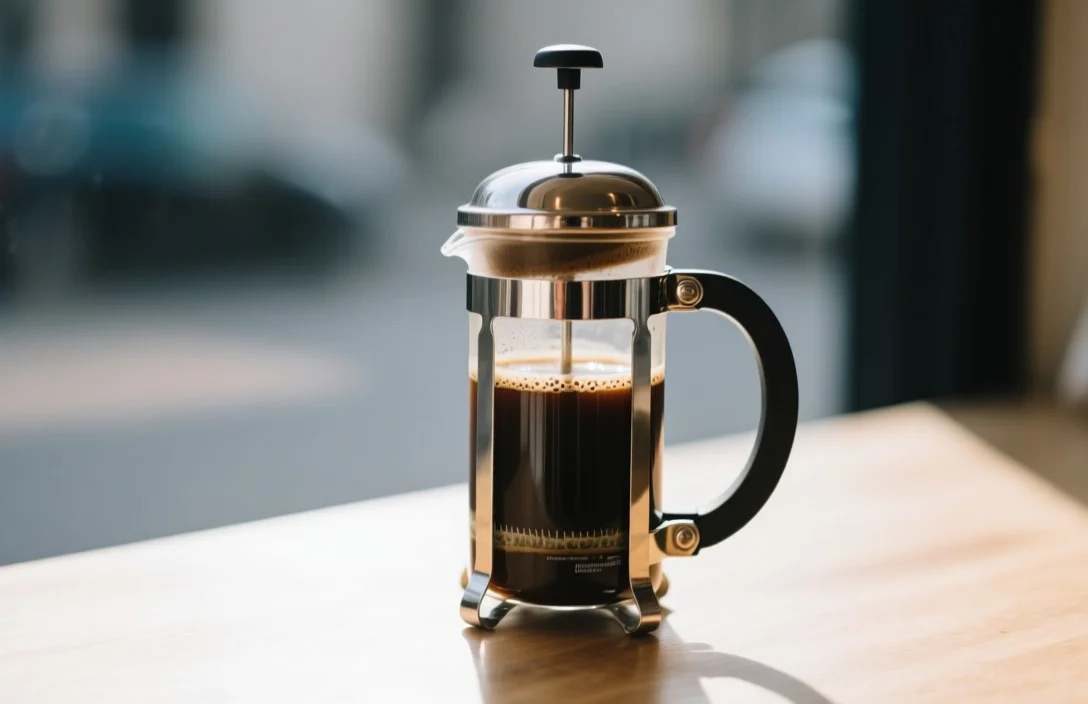
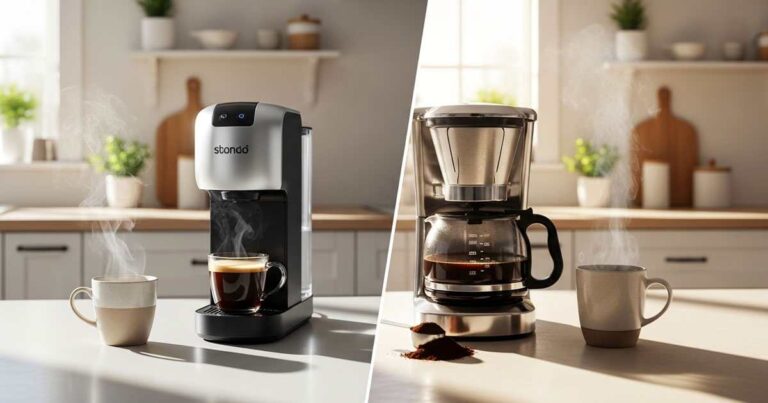
French press coffee usually yields a higher caffeine concentration than drip coffee because the brewing process mandates full immersion. In a drip machine, water spends only a few seconds in contact with each particle of coffee before passing through the filter. In a French press, the coffee grounds remain submerged for the entire duration of the brew cycle, which usually lasts four minutes or longer.
This extended exposure time ensures that a higher percentage of the caffeine trapped within the coffee bean structure is dissolved into the water. While drip coffee is convenient, the rapid flow rate often leaves a portion of the caffeine potential behind in the spent grounds. If you switch from drip to French press using the same amount of coffee, you will likely notice a stronger, more caffeinated cup.
| Brewing Method | Typical Caffeine (8oz) | Primary Extraction Factor |
|---|---|---|
| Drip Coffee | 70 – 100 mg | Flow rate and filter resistance |
| French Press | 80 – 135 mg | Immersion time and contact duration |
| Cold Brew | 150 – 200 mg | Time (12+ hours) and high ratio |
Factors influencing caffeine extraction in immersion brewing
Caffeine is highly water-soluble, meaning it begins to extract almost immediately once hot water touches the coffee grounds. In an immersion setup, the most critical factor is the total saturation of the grounds. If the water temperature is too low, the extraction efficiency drops significantly, resulting in a cup that is not only weaker in flavor but also lower in total caffeine content.
Temperature stability is essential for consistent results. Aim for water between 195 and 205 degrees Fahrenheit. If your water is cooler than 190 degrees, the extraction process slows down, and you may find that even a long steep time does not pull the expected amount of caffeine from the beans. Conversely, using boiling water can extract caffeine quickly but may also pull out harsh, astringent compounds that mask the flavor profile.
Impact of grind size on caffeine concentration
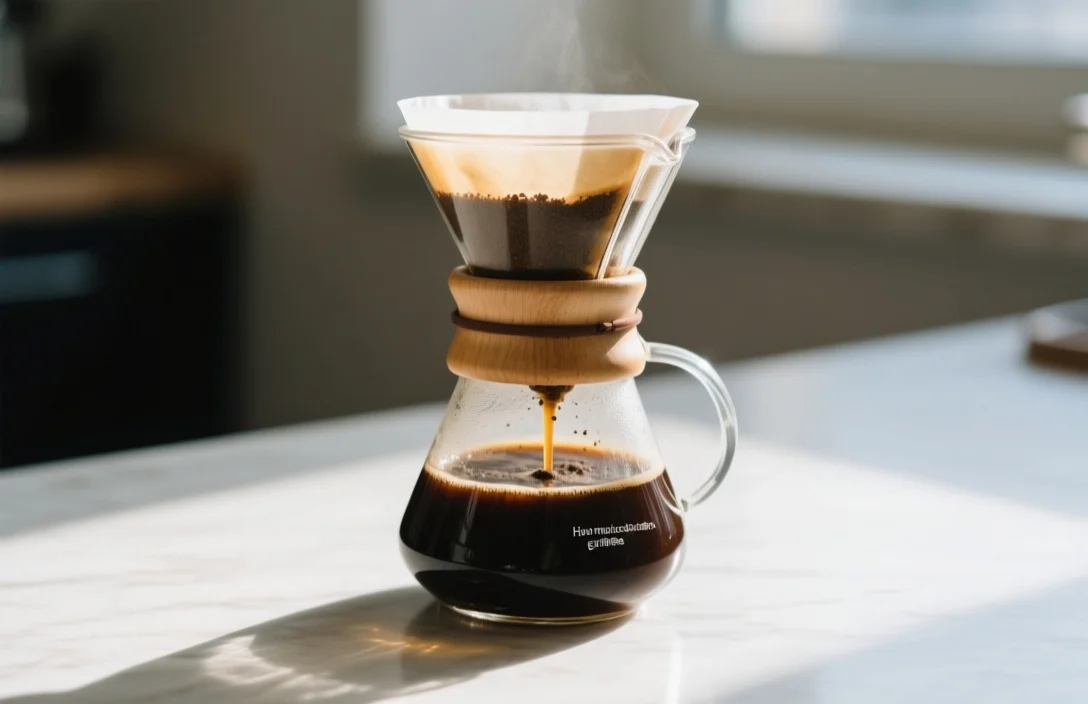
Grind size dictates the total surface area exposed to the water, which directly influences how fast caffeine can move from the solid bean into the liquid. A coarse grind, which is standard for French press, allows for a slow, steady extraction that balances caffeine release with flavor clarity. If you use a finer grind, you increase the surface area, which facilitates a faster and more aggressive extraction of caffeine.
In practice, many home brewers experiment with a medium-coarse grind if they want a slightly more intense cup. However, using a grind that is too fine for a French press creates two problems. First, it makes the plunger difficult to press because the fine particles clog the metal mesh filter. Second, it often leads to over-extraction, which creates a muddy cup that tastes bitter rather than just caffeinated.
Steep time adjustments and their effect on caffeine levels
Steep time acts as the primary dial for controlling how much caffeine ends up in your mug. Most French press recipes suggest a four-minute steep, which is the “sweet spot” for balancing caffeine extraction and flavor profile. If you find your coffee is not providing the energy boost you expect, extending your steep time to five or six minutes will pull more caffeine into the brew.
Be aware that caffeine extraction is not linear over time. Most of the caffeine is extracted in the first two to three minutes of the immersion process. Extending the time beyond six minutes provides diminishing returns on caffeine while significantly increasing the extraction of tannins and acids. This often results in a cup that feels heavy, dry, and unpleasantly bitter rather than simply stronger.
Coffee to water ratio influence on total caffeine content
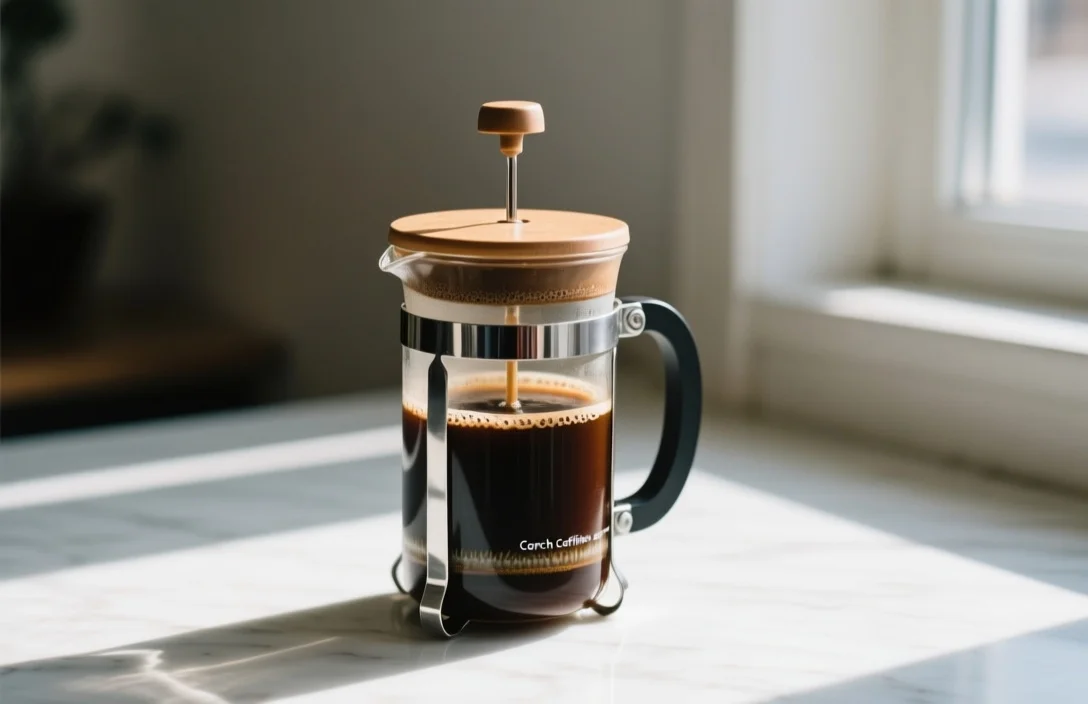
The ratio of coffee grounds to water is the single most effective way to regulate the total caffeine content of your French press coffee. Most professional standards suggest a ratio of 1:15 or 1:17, meaning one gram of coffee for every 15 to 17 grams of water. If you increase this to 1:12, you are essentially adding more caffeine-carrying material to the same volume of water, resulting in a more potent cup.
For a standard 32-ounce French press, using 50 to 60 grams of coffee is a typical starting point. If you prefer a lighter brew, you might drop to 40 grams. If you want a “stronger” cup, move up to 70 grams. Because caffeine content is directly tied to the mass of the coffee used, this ratio is the most reliable metric for predicting how much caffeine you are consuming.
Roast profiles and their relationship to caffeine density
Roast level influences caffeine content primarily through the physical density of the bean rather than the chemical composition of the caffeine itself. During the roasting process, beans lose moisture and expand, becoming larger and less dense. A light roast bean is denser than a dark roast bean of the same size, meaning that if you measure your coffee by volume (using a scoop), you get more coffee mass with light roasts.
If you measure your coffee by weight (using a scale), the caffeine difference between roasts is negligible. However, because most home brewers use scoops, they often end up with more caffeine when using light roast beans simply because the beans are smaller and more compact. If you are sensitive to caffeine, pay close attention to your measuring method, as volume-based measuring is prone to significant inconsistencies across different roast profiles.
Measuring caffeine variance in home brewed French Press
Measuring the exact caffeine content of your home brew is difficult without laboratory equipment, but you can estimate it by standardizing your process. Start by using a digital scale to weigh your grounds instead of using a scoop, as this removes the variables associated with grind size and bean density. Keeping the water temperature and steep time constant across multiple mornings will help you identify the “baseline” strength of your preferred recipe.
If you want to adjust your caffeine intake, do so by changing only one variable at a time. Increase your steep time by 30 seconds or your coffee weight by two grams per brew. Keep a simple log of your adjustments. By observing how your body reacts to these small, controlled changes, you can calibrate your French press technique to hit your desired caffeine level every time.
FAQ
Does French press coffee have more caffeine than espresso?
While espresso has a higher concentration of caffeine per ounce, a standard serving of French press coffee contains more total caffeine. A single shot of espresso typically contains 60 to 80 milligrams, whereas an 8-ounce cup of French press coffee provides 80 to 135 milligrams due to the larger volume and longer extraction time.
Why does my French press coffee taste bitter if I steep it longer?
Bitterness in French press coffee usually results from over-extraction, where the water begins to pull out tannins and plant fibers after the caffeine has already been dissolved. If your coffee tastes bitter, try shortening your steep time by 30 seconds or using a slightly coarser grind to reduce the extraction rate of those bitter compounds.
Can I reduce caffeine content without changing the taste?
Reducing caffeine content while maintaining flavor is difficult because caffeine is a major contributor to the coffee’s body and perceived strength. You can effectively lower the caffeine by using a higher water-to-coffee ratio, such as 1:20, or by blending your regular beans with decaffeinated coffee beans to maintain the same total volume of grounds.
Is the sediment in French press coffee adding to the caffeine?
The fine sediment found in French press coffee, often called “fines,” does not significantly increase the total caffeine content of your drink. While these particles add texture and body to the cup, the caffeine is almost entirely extracted into the liquid water during the steep; the sediment is mostly insoluble plant material that does not contribute much to the caffeine count.
Should I use water hotter than 205 degrees for more caffeine?
Using water hotter than 205 degrees is not recommended, as it often leads to a scorched, uneven extraction that ruins the flavor profile of the beans. While higher temperatures can technically extract caffeine slightly faster, the risk of burning the coffee grounds and creating an unpalatable, bitter brew far outweighs the marginal gains in caffeine extraction.
Mastering your French press routine is a matter of consistency. By using a scale to measure your coffee by weight and keeping your steep time within the 4-to-6-minute range, you can easily control your caffeine intake. Start by keeping your current recipe steady for a week to establish a baseline, then adjust your grounds weight or steep time in small increments to find your perfect cup.