How Many Times Can You Use Ground Coffee: 5 Factors Affecting
Most coffee drinkers toss their grounds after one brew, but those same grounds still hold flavor – just not as much as the first time. If you’re trying to stretch your coffee budget or reduce waste, reusing grounds can work, but only if you know the rules. Brew them too many times, and you’ll end up with weak, bitter sludge instead of coffee.
You can reuse ground coffee once for a second brew, but the flavor drops by 60-70% after the first extraction. A third brew is possible only for cold brew or very coarse grinds, but it will taste thin and lack body. The exact number depends on grind size, brew method, and how much flavor you’re willing to sacrifice.
Key Takeaways
- One reuse max. Most coffee grounds lose 60-70% of their flavor after the first brew, making a second cup drinkable but weak.
- Third brew is risky. Only coarse grinds or cold brew can handle a third extraction, and the result will be thin and watery.
- Flavor fades fast. The first brew extracts 70-80% of the coffee’s soluble compounds; the second gets what’s left.
- Watch for weakness. If your coffee tastes like brown water or has no aroma, the grounds are spent.
- Grind size matters. Finer grinds extract faster and can’t be reused as many times as coarse ones.
- Repurpose spent grounds. If they’re too weak for coffee, use them for compost, cleaning, or DIY beauty treatments.
How Many Times Can You Use Ground Coffee for Brewing
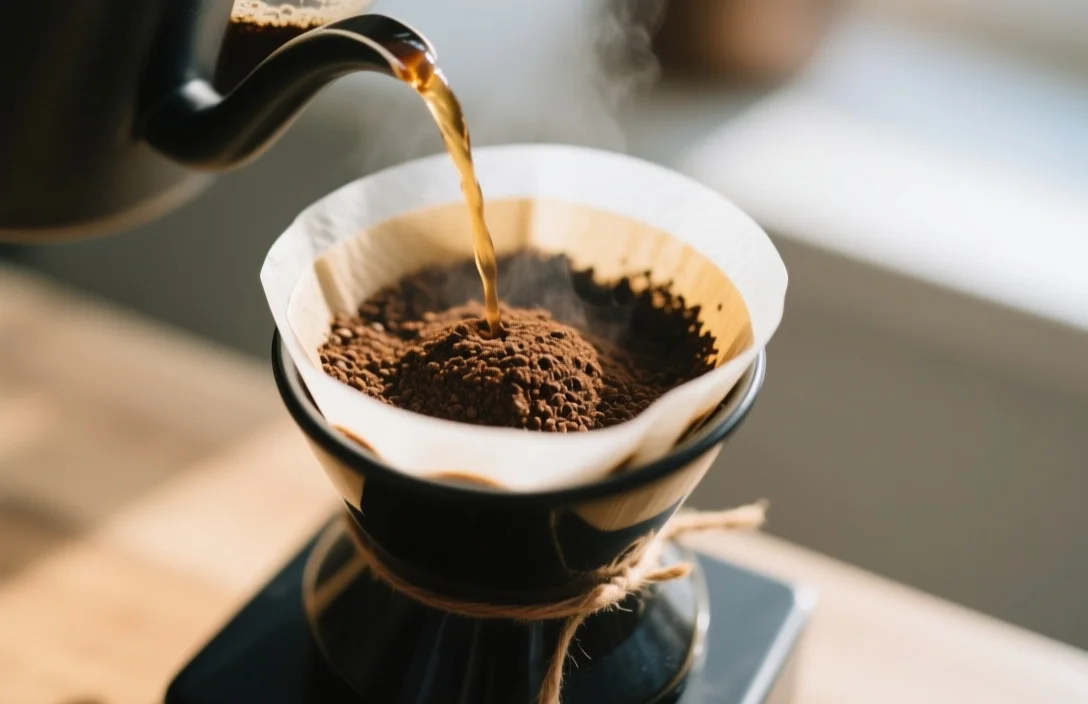
You can reuse ground coffee once for a second cup, but that’s the practical limit for most brew methods. The first brew extracts 70-80% of the coffee’s soluble compounds – caffeine, acids, and oils that give coffee its flavor. The second brew pulls out the remaining 20-30%, leaving almost nothing for a third attempt.
For example, if you make a pot of drip coffee in the morning, those same grounds can produce a weaker second pot in the afternoon. But a third brew will taste like warm, brown water. The only exception is cold brew, where coarse grounds can sometimes stretch to three uses because the slow, cold extraction pulls flavor more gradually.
Ground Coffee Flavor Loss After the First Brew
After the first brew, ground coffee loses 60-70% of its flavor, and what’s left is mostly bitter compounds and residual caffeine. The first extraction pulls out the bright, fruity acids and aromatic oils that make coffee taste vibrant. The second brew gets the heavier, more astringent flavors – think of the difference between a fresh cup and one that’s been sitting on a hot plate for hours.
For instance, if you brew a French press with fresh grounds, the first cup will have a rich, full body. The second press with the same grounds will taste flat and lack depth, even if you steep it longer. That’s because the soluble compounds that create complexity are already gone. The longer you try to extract, the more you’ll pull out bitter tannins instead of flavor.
Signs Your Used Coffee Grounds Are Too Weak
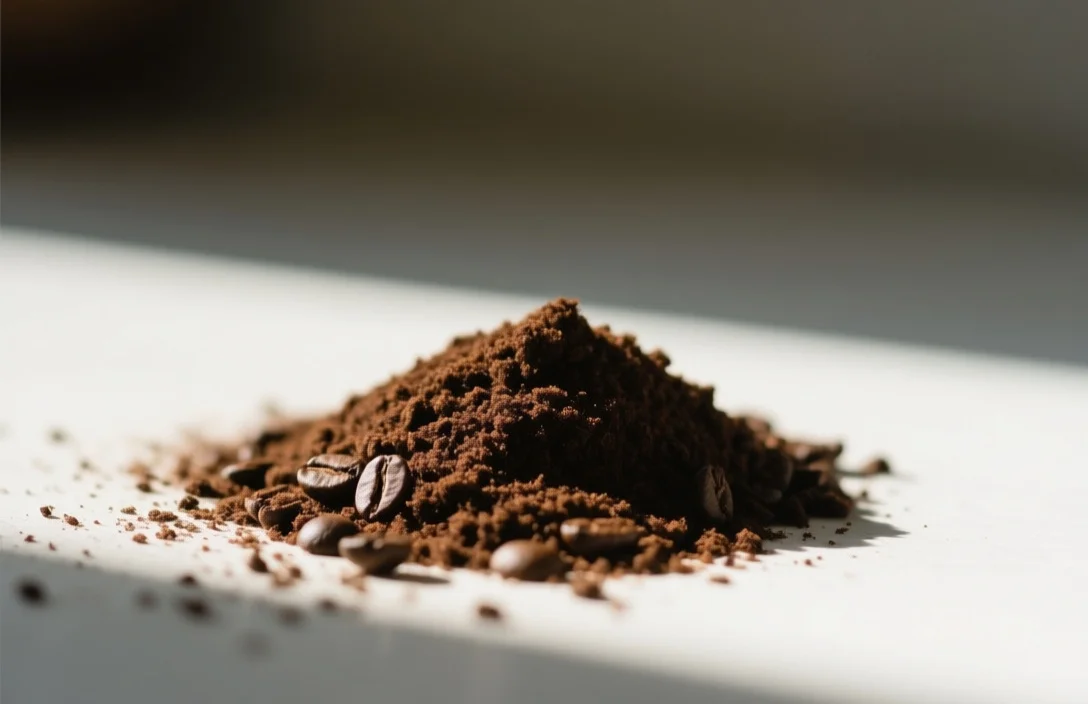
If your coffee tastes like brown water, has no aroma, or lacks body, the grounds are spent. Weak coffee from reused grounds will often have these traits:
- No crema or bloom (for espresso or pour-over).
- A sour or hollow taste, like weak tea.
- No lingering aftertaste – just a quick, flat finish.
- A gritty or muddy texture (common with fine grinds reused too many times).
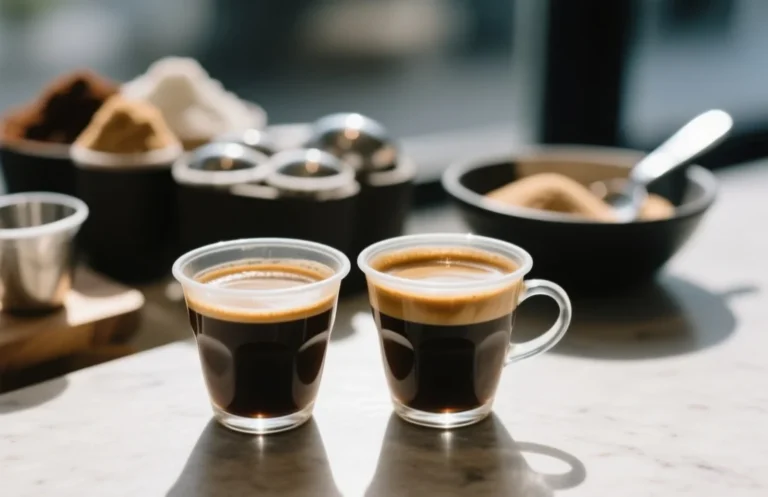
For example, if you reuse espresso grounds for a second shot, you’ll notice the crema disappears, and the shot pulls faster because the grounds are already saturated. The result is a thin, bitter liquid with none of the richness of a fresh shot.
Maximum Number of Reuses for Single Extraction
For single extraction methods (like espresso, pour-over, or AeroPress), the maximum number of reuses is one. These methods rely on high pressure or precise water flow to extract flavor quickly, so the grounds are fully spent after one use. Double-shot espresso, for instance, uses the same dose of grounds but pulls two shots in rapid succession – any attempt to reuse those grounds for a third shot will fail.
For immersion methods (French press, cold brew), you can stretch to two reuses, but the second brew will be noticeably weaker. Cold brew is the only method where a third reuse might be possible, but only if you’re using very coarse grounds and don’t mind a thin, watery result.
Factors Affecting Ground Coffee Reusability
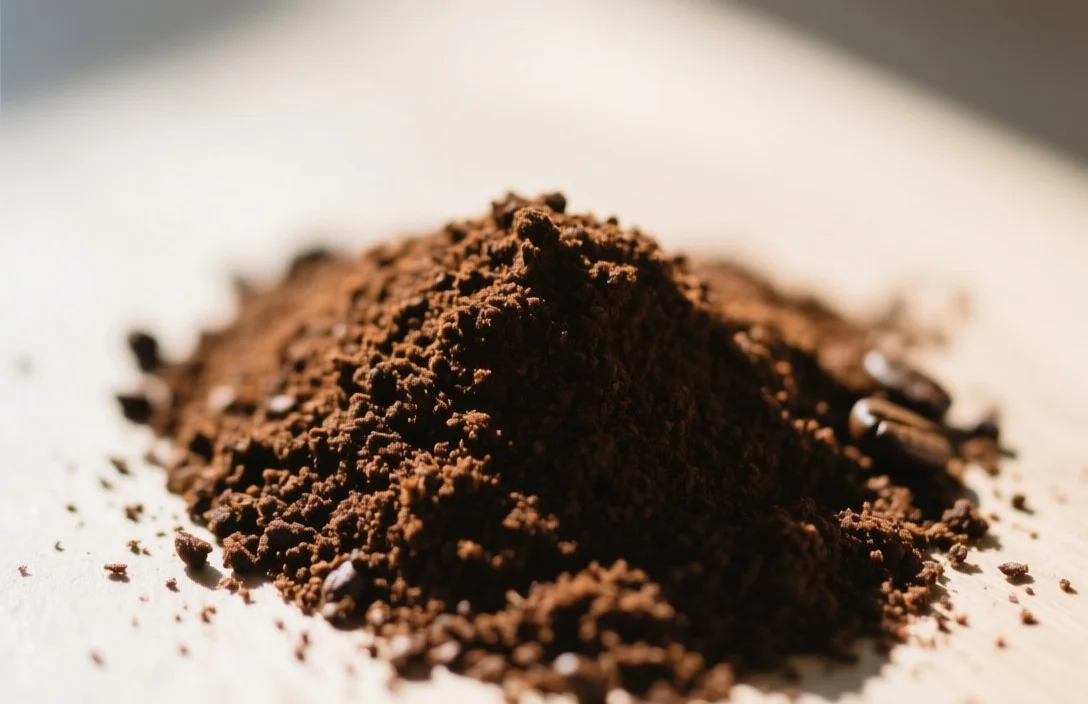
The number of times you can reuse ground coffee depends on five key factors:
- Grind size – Coarse grinds (like French press or cold brew) can be reused more times than fine grinds (espresso, Turkish coffee) because they extract slower.
- Brew method – Immersion methods (French press, cold brew) allow more reuses than single extraction methods (espresso, pour-over).
- Water temperature – Hotter water extracts faster, so reusing grounds with boiling water will exhaust them quicker than cold brew.
- Brew time – Longer steeping (like cold brew) pulls flavor more gradually, allowing for more reuses.
- Coffee freshness – Older, stale beans have fewer soluble compounds to begin with, so they’ll taste weak even on the first brew.
For example, if you use a fine grind for espresso, the grounds will be fully extracted in 25-30 seconds, leaving almost nothing for a second use. But if you use a coarse grind for cold brew, the slow, 12-hour extraction means the grounds still have some flavor left for a second or even third brew.
Ways to Repurpose Spent Coffee Grounds
Once your grounds are too weak for coffee, they’re not trash – they’re a free resource. Here’s how to put them to use:
- Compost – Coffee grounds add nitrogen to compost piles, helping break down organic matter faster.
- Natural cleaner – The abrasive texture makes them great for scrubbing pots, pans, or even as a gentle exfoliant for skin.
- Odor absorber – Place dried grounds in a bowl in the fridge or freezer to neutralize smells.
- Garden fertilizer – Sprinkle around acid-loving plants like tomatoes, blueberries, or roses.
- DIY beauty treatments – Mix with coconut oil for a body scrub or use as a hair mask to add shine.
- Pest repellent – Scatter around plants to deter ants, slugs, and snails.
For example, if you brew a pot of coffee every morning, save the spent grounds in a jar in the fridge. By the end of the week, you’ll have enough to fertilize your garden or make a batch of homemade body scrub.
FAQ
Can you reuse ground coffee for espresso?
No. Espresso extracts 90% of the coffee’s flavor in the first shot, leaving almost nothing for a second use. Reusing espresso grounds will produce a thin, bitter liquid with no crema.
Does reusing coffee grounds save money?
Yes, but only if you’re okay with weaker coffee. Reusing grounds once cuts your coffee costs in half, but the second brew will taste noticeably less flavorful.
Can you reuse ground coffee for cold brew?
Yes, but limit it to two reuses. Cold brew extracts flavor slowly, so coarse grounds can stretch further than hot brew methods. A third reuse will taste watery and lack depth.
How long can you store used coffee grounds before reusing them?
Store them in the fridge for up to 24 hours in an airtight container. Beyond that, they’ll start to grow mold or absorb odors, making them unsafe to reuse.
Does reusing coffee grounds affect caffeine content?
Yes. The first brew extracts most of the caffeine, so the second brew will have 30-50% less. If you’re reusing grounds for the caffeine boost, you’ll need to drink twice as much to get the same effect.