How Many Lumens For A Kitchen: Task Vs. Ambient Lighting
Achieving the right brightness in your kitchen requires balancing general visibility with focused light for food preparation. Most homeowners struggle with lighting because they rely on a single central fixture that creates shadows exactly where they need to see most. By calculating the total light output needed for your specific square footage, you can create a bright, functional space that avoids both dim corners and harsh glare.
A well-lit kitchen typically requires between 5,000 and 10,000 total lumens depending on the size of the room and your specific layout. Aim for 70 to 80 lumens per square foot for general ambient lighting, and add an additional 300 to 500 lumens for each specific task area, such as countertops or the kitchen island.
Key Takeaways
- Total lumen calculation. Multiply your kitchen square footage by 70 to determine the baseline ambient light requirement for the entire room.
- Task lighting priority. Dedicate 300 to 500 lumens specifically to high-use zones like stove tops, sinks, and primary chopping areas.
- Layered lighting approach. Combine ambient, task, and accent lighting to eliminate shadows and provide a flexible, comfortable environment.
- Surface finish impact. Increase total lumen output by 10 to 15 percent if your kitchen features dark cabinets or matte-finish countertops.
- Color temperature consistency. Use 3000K to 4000K bulbs across all fixtures to ensure the light color remains uniform throughout the space.
How Many Lumens for a Kitchen Task and Ambient Lighting
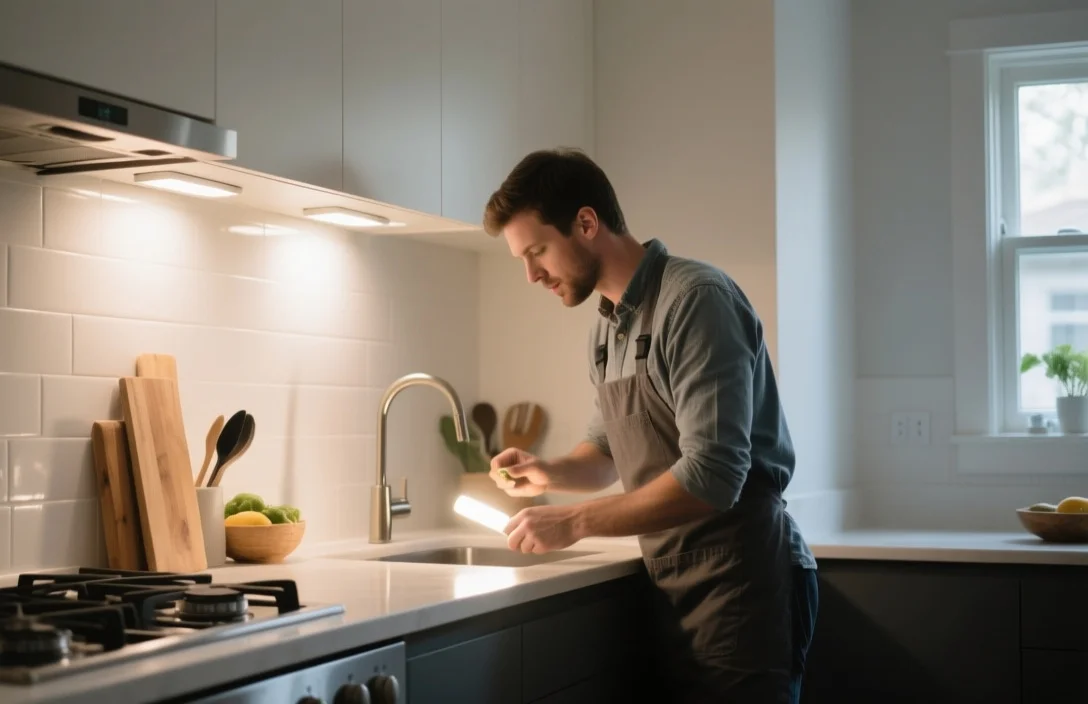
Ambient lighting provides the foundation for your kitchen, ensuring you can move safely through the room without relying on specific task lights. This base layer should cover the entire floor area evenly, preventing dark spots in corners or walkways. For a standard ceiling height of 8 to 9 feet, you should plan for approximately 70 to 80 lumens per square foot.
Task lighting serves a different purpose, concentrating high-intensity light exactly where you perform precision work. While ambient light creates a welcoming atmosphere, it rarely provides enough brightness to safely slice vegetables or read a recipe. You need to supplement your general overhead lights with dedicated beams that push 300 to 500 lumens onto active work surfaces.
Recommended Lumens per Square Foot for Kitchen Layouts
Determining your total lumen budget starts with measuring the floor space of your kitchen. A small galley kitchen might only need 3,000 total lumens to feel bright, while a large, open-concept kitchen with an island could easily require 12,000 lumens or more to maintain consistent visibility. Use the following guide to estimate your requirements based on your kitchen size.
| Kitchen Size | Ambient Lumens Needed | Total Including Task Lighting |
|---|---|---|
| 100 sq. ft. | 7,000 – 8,000 | 9,000 – 10,000 |
| 150 sq. ft. | 10,500 – 12,000 | 13,500 – 15,000 |
| 200 sq. ft. | 14,000 – 16,000 | 18,000 – 20,000 |
These figures assume standard 8-foot ceilings and average-colored surfaces. If your kitchen has high vaulted ceilings, you will need to increase these numbers by 10 to 20 percent to account for the increased distance the light must travel.
Lumens Needed for Kitchen Countertop Task Lighting
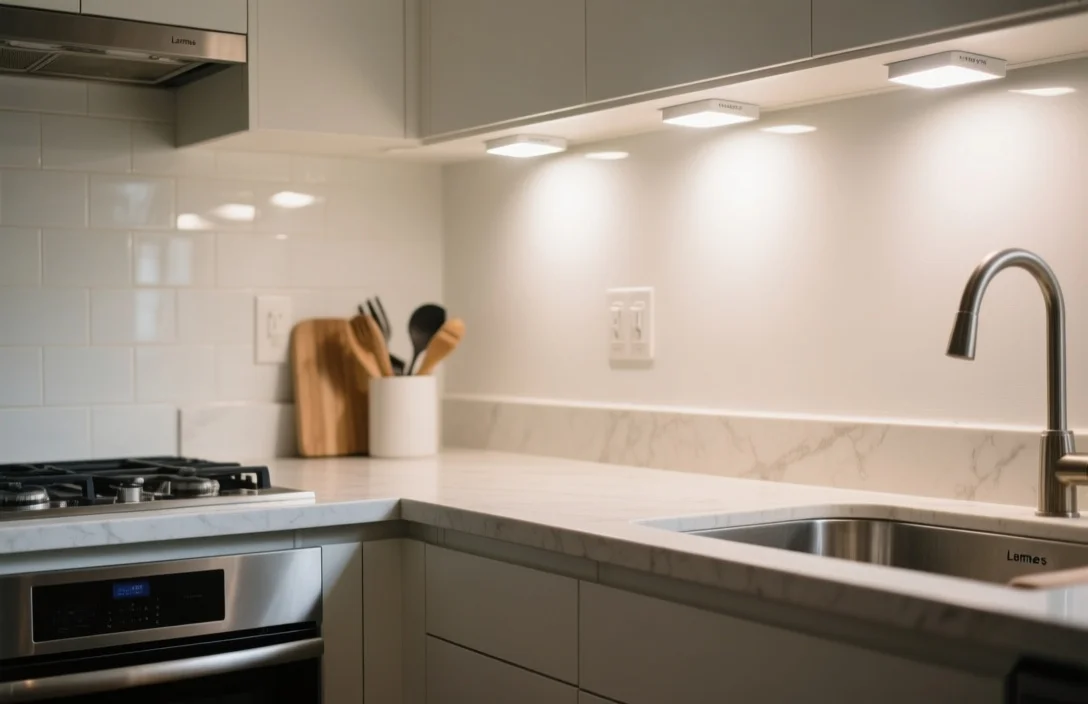
Countertop lighting is the most critical element for kitchen functionality because shadows from your body can easily obscure your workspace. Installing under-cabinet lighting is the most effective way to solve this problem. These fixtures should be positioned toward the front edge of the cabinet to ensure the light hits the center of the workspace rather than the backsplash.
For standard countertops, aim for 300 to 500 lumens per linear foot of cabinet space. This density provides enough intensity to illuminate the surface without creating blinding reflections off granite or polished stone. If you have deep countertops, consider using high-output LED strips with a frosted lens to diffuse the light evenly across the entire depth of the work area.
Achieving Balanced Lighting with Layered Lumens
Layered lighting prevents your kitchen from feeling like a sterile laboratory or a dim cave. You achieve this balance by installing at least three distinct types of light sources that work in tandem. Ambient light provides the base, task light handles the work, and accent light adds depth and visual interest to the room.
For instance, use recessed ceiling lights for your ambient layer, placed roughly 3 to 4 feet apart. Follow this with under-cabinet lighting for your task layer, and finish with decorative pendant lights over the island or glass-front cabinet interior lights for your accent layer. By putting these layers on separate dimmer switches, you gain the ability to transition the kitchen from a high-energy cooking space to a soft, relaxed environment for evening dining.
Comparing Lumens for Island vs. Perimeter Lighting
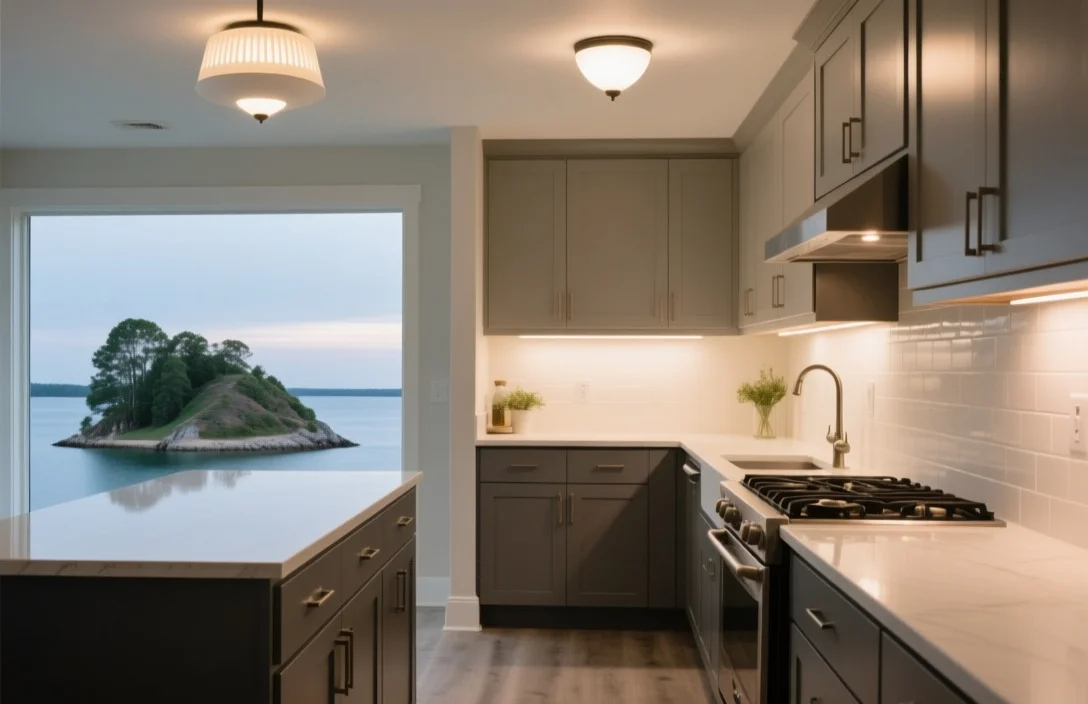
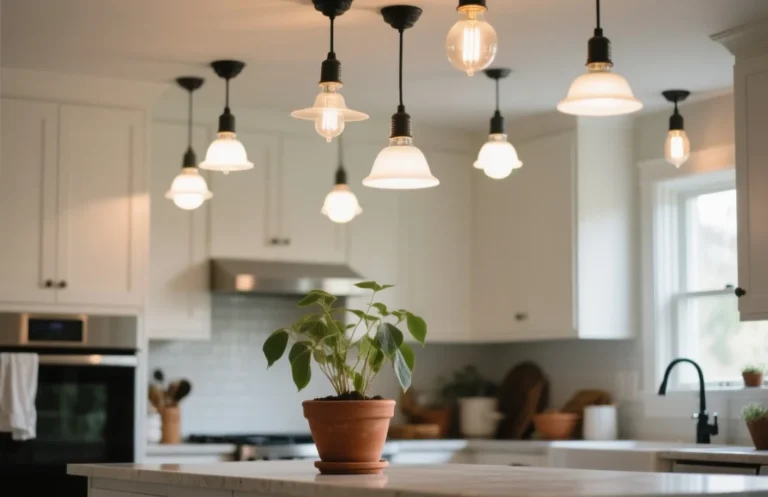
Kitchen islands often serve as the primary hub for both cooking and socializing, which requires a more versatile lighting approach than the perimeter counters. While perimeter counters benefit from direct, downward-facing light, islands frequently utilize pendant lights that act as both functional work lights and decorative centerpieces. You should aim for 400 to 600 lumens per pendant if you have two or three lights hanging over your island.
Perimeter lighting generally benefits from a more consistent, diffused output to avoid glare on the backsplash. Recessed “can” lights or linear track systems are ideal here, providing a steady flow of light that doesn’t compete with the focal point of the island. If you use the island primarily for dining rather than food prep, consider bulbs with a lower lumen count and a warmer color temperature to create a more inviting atmosphere.
Adjusting Lumens Based on Kitchen Cabinet Color and Finish
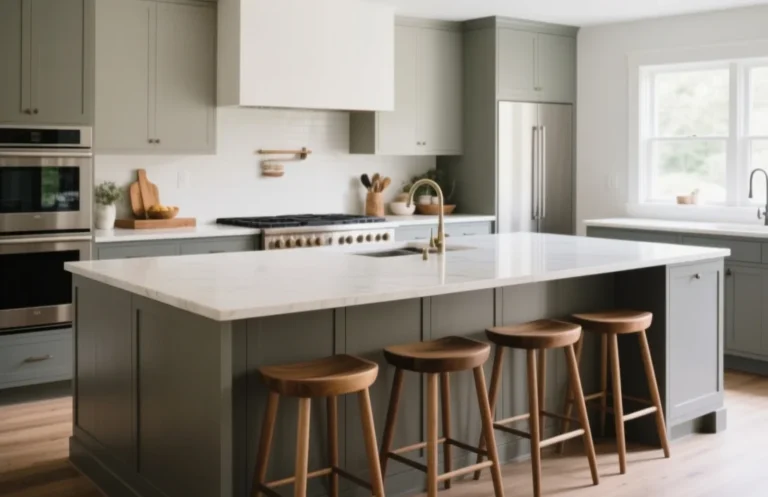
Light color and surface finish drastically change how bright your kitchen feels even if you keep the same number of bulbs. Light-colored, glossy cabinets reflect light, effectively amplifying the lumens you have installed. Dark-colored, matte, or textured cabinets absorb light, meaning you need to increase your output to achieve the same level of perceived brightness.
For example, a kitchen with dark charcoal or navy cabinetry may require 15 to 20 percent more lumens than a white kitchen of the same size. If you have matte black surfaces, you should avoid high-intensity directional spotlights that create harsh, singular hotspots. Instead, prioritize broader, more diffused light sources to fill the space without creating the “tunnel effect” common in dark kitchens with insufficient or poorly placed lighting.
FAQ
How do I calculate total lumens for my kitchen?
Multiply the square footage of your kitchen floor by 70 to 80 to find your baseline ambient requirement. Then, add 300 to 500 lumens for every major task area, such as the stove, sink, and primary prep counter. This total represents the aggregate light output you should aim to achieve with all your fixtures combined.
Are LED lumens different from traditional bulb lumens?
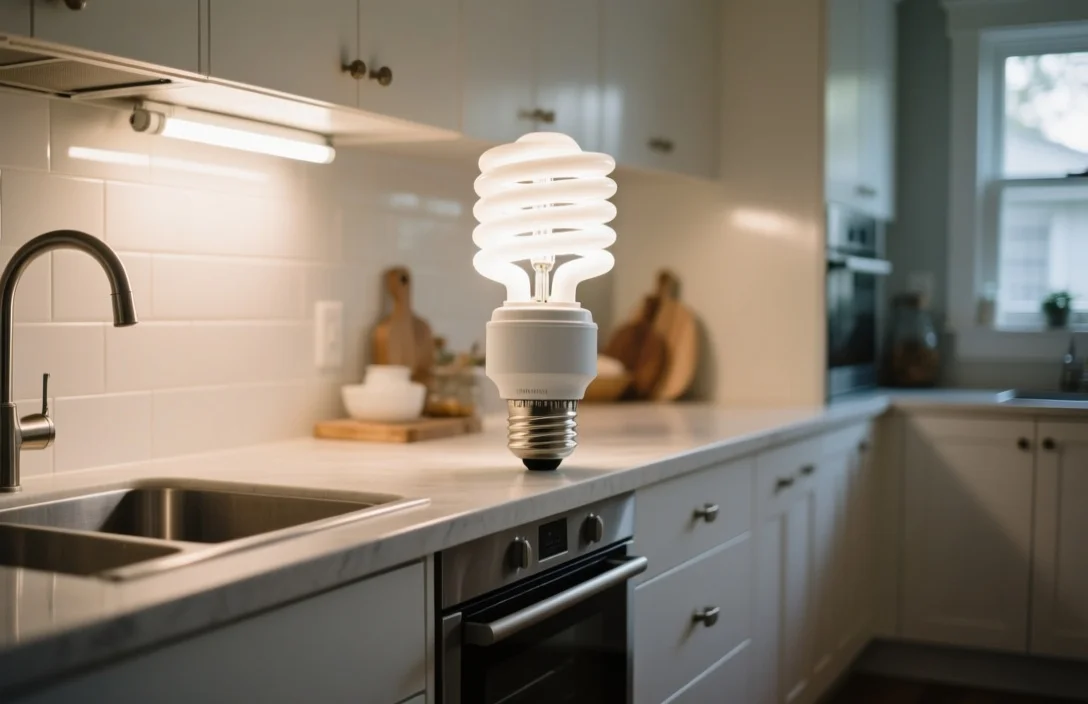
No, a lumen is a standard measurement of light output regardless of the technology. However, LEDs are significantly more efficient, producing the same number of lumens while consuming 80 to 90 percent less energy than incandescent bulbs. When shopping, always look for the “lumens” rating on the package rather than the “wattage” to ensure you are getting the brightness you need.
What is the best color temperature for kitchen lighting?
A color temperature between 3000K and 4000K is ideal for most kitchens. 3000K provides a warm, inviting glow that works well in traditional kitchens, while 4000K offers a crisper, cooler white light that mimics daylight and helps with precision tasks. Stick to one temperature across all fixtures to avoid a jarring, mismatched look.
Can I have too many lumens in a kitchen?
Yes, excessive lighting creates glare, shadows, and a sterile, uncomfortable atmosphere. This often happens when lights are placed too close together or when high-intensity bulbs are used without proper diffusion. If your kitchen feels too bright, install a dimmer switch to regain control over the output, which allows you to adjust the light intensity based on the time of day.
Should I use smart bulbs for kitchen lighting?
Smart bulbs are an excellent choice for kitchens because they allow you to adjust both brightness and color temperature without rewiring your home. You can program them to be bright and cool during morning meal prep, and then switch them to a warmer, dimmer setting for dinner or evening entertaining. This flexibility helps you maximize the utility of your lighting design.
Optimizing your kitchen lighting is about matching the output to your daily habits. Start by ensuring you have enough ambient light to cover the floor, then layer in focused task lighting over your most-used surfaces. Use a dimmer switch to bridge the gap between high-intensity prep work and relaxed evening use, ensuring your kitchen remains the most functional room in your home.