How Many Gallons Is A Standard Kitchen Trash Can?
Title
Most standard kitchen trash cans hold between 10 and 13 gallons. This capacity is the sweet spot for the average American household because it aligns perfectly with the size of common 13-gallon kitchen trash bags found in every grocery store. Homeowners find that a bin within this range allows them to easily find affordable liners that fit securely without stretching or tearing under the weight of daily household waste.
A standard kitchen trash can typically measures 13 gallons in capacity, which is the industry benchmark for residential use. This size accommodates the volume of waste generated by a family of four over a two-to-three-day period while remaining compact enough to tuck under a standard kitchen counter or inside a cabinet.
Key Takeaways
- Standard capacity range. Most residential kitchen trash cans are designed to hold between 10 and 13 gallons of waste.
- Bag compatibility. Thirteen-gallon bins are the most practical choice because they match the standard size of mass-market kitchen trash bags.
- Household volume. A 13-gallon container usually serves a family of four for approximately two to three days before requiring emptying.
- Space constraints. Measure your intended floor or cabinet space before purchasing to ensure the bin height and width allow for full lid clearance.
- Material considerations. Plastic bins offer lightweight portability, while stainless steel options provide better odor containment and a more polished aesthetic.
- Shape matters. Rectangular bins are generally more space-efficient in corners or against walls than circular or oval designs.
How Many Gallons Is a Standard Kitchen Trash Can?
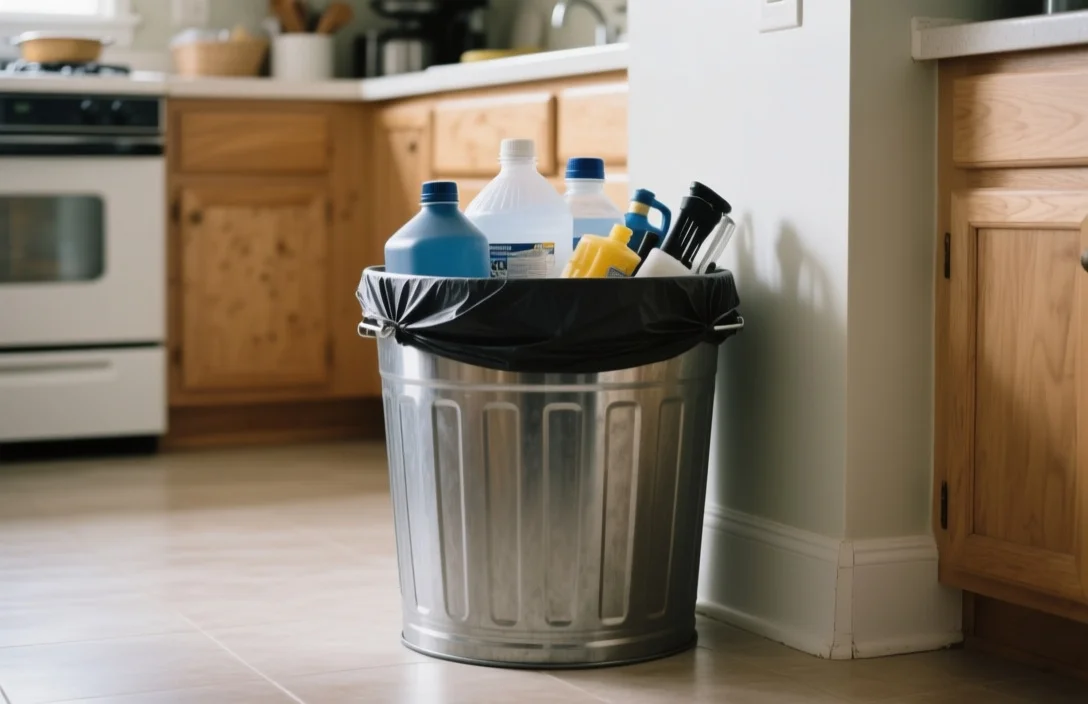
The 13-gallon mark is the undisputed standard for kitchen trash cans in the United States. You will find that nearly every major manufacturer designs their primary kitchen models to hit this specific volume, as it represents the optimal balance between footprint and capacity. If you walk into any hardware or home goods store, the vast majority of products on the shelf will be labeled for 13-gallon use.
Thirteen gallons is the norm, though you can find variations ranging from 7 to 18 gallons depending on the specific design and intended use. Smaller bins, often in the 7 to 10-gallon range, are common in apartments or households with very limited floor space. Conversely, larger 18-gallon bins are typically found in high-traffic kitchens or homes that prioritize longer intervals between trips to the outdoor dumpster.
Common Kitchen Trash Can Sizes by Gallon Capacity
Evaluating how different sizes function in a home environment helps you decide if the standard 13-gallon model is truly right for your needs. The following table breaks down the most frequent sizes encountered in modern residential kitchens and the scenarios where they perform best.
| Capacity (Gallons) | Best For | Typical Footprint |
|---|---|---|
| 7 – 10 Gallons | Small apartments, bathrooms, or offices | Compact, narrow profile |
| 12 – 13 Gallons | Standard family kitchens | Fits under most counters |
| 15 – 18 Gallons | Large families or high-waste households | Wide, often requires more floor space |
| 20+ Gallons | Commercial use or heavy-duty needs | Bulky, usually standalone units |
Assess the frequency of your trash removal routine before selecting a size. If you prefer taking the trash out every morning to prevent odors, a smaller 10-gallon bin might be perfectly sufficient. If you dislike making frequent trips, the 15 to 18-gallon options allow you to consolidate more waste, though they become heavier and harder to maneuver when full.
Factors That Determine the Right Trash Can Size for Your Kitchen
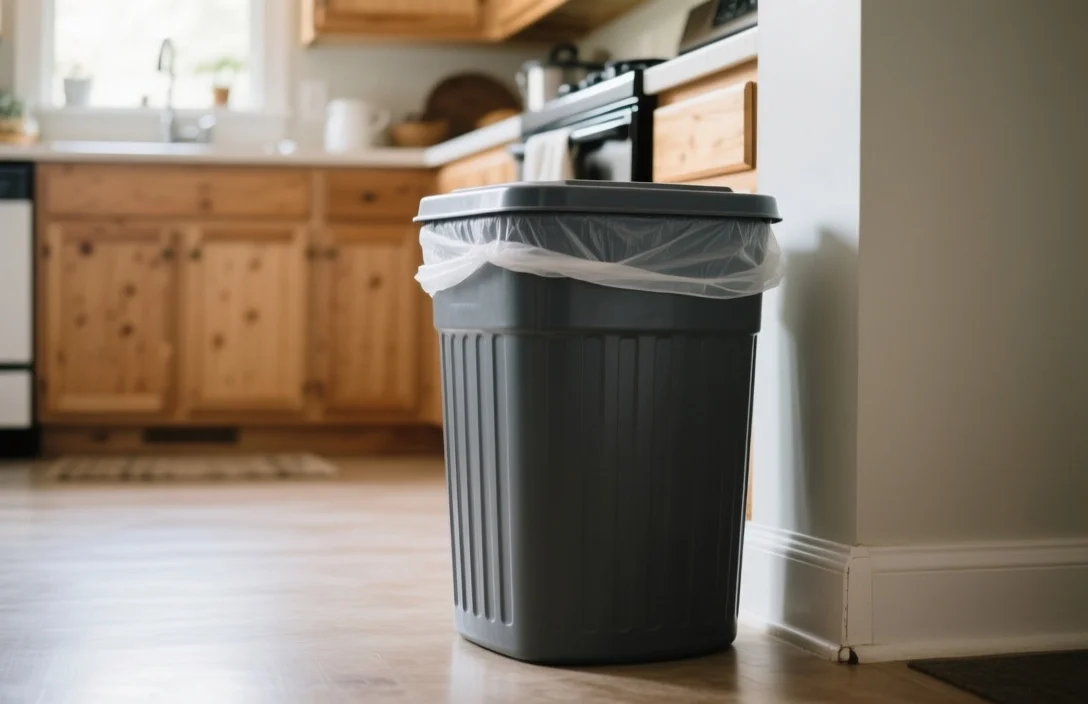
Your household size is the most significant factor when choosing a trash can capacity. A single person or a couple generates significantly less waste than a family of five, meaning a smaller bin allows for more frequent clearing of perishable waste. Keeping kitchen odors under control requires this practice, as food scraps left in a bin for too long will inevitably start to smell.
Available floor space also dictates your choice, as a larger gallon capacity usually necessitates a larger physical footprint. Account for how the bin sits in your kitchen layout, specifically regarding walkways and cabinet doors. If you intend to place the bin inside a cabinet, you are strictly limited by the dimensions of that enclosure, which might force you toward a custom-fit bin rather than a standard large-capacity model.
Which One Fits Your Needs?
Small cans, typically under 10 gallons, excel in kitchens where every inch of floor space is precious. These units are easy to hide inside lower cabinets or tucked into narrow gaps between appliances. They force you to be diligent about removing trash, which is a benefit for those who prioritize hygiene and want to avoid the lingering scent of decomposing food waste in their living space.
Large cans exceeding 16 gallons are the workhorses of busy households. They are ideal if you find yourself constantly overflowing a 13-gallon bin before your scheduled pickup day. Be aware that these larger bins present a challenge in terms of weight; a full 18-gallon bag of trash can be heavy and awkward to carry, increasing the risk of the bag splitting during transit to the outdoor bin.
How to Measure Your Kitchen Space for the Perfect Trash Can
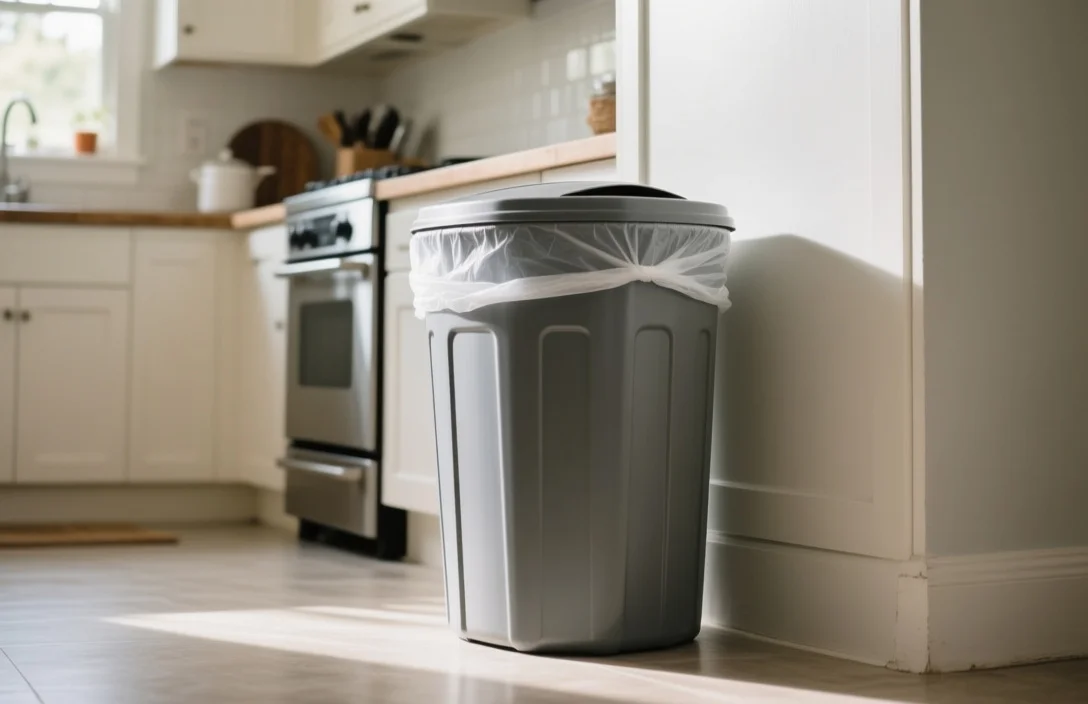
Measure the intended location for your trash can with a steel tape measure to ensure an accurate fit. Start by determining the width and depth of the available floor area, then verify the height of the space beneath your counter if the bin will be stored under a surface. Always leave at least one extra inch of clearance on all sides to make it easier to reach in and grab the bin when you need to clean around it.
Check the swing of your cabinet door and the path of any internal hardware or plumbing for under-cabinet installations. If you are buying a pull-out trash can system, you must measure the interior clear width and depth of the cabinet opening itself, not just the cabinet floor. Failing to account for hidden pipes or hinges is the most common reason people end up with a bin that does not fit their space.
Top Trash Can Brands and Their Standard Gallon Sizes
Major brands like Simplehuman, Rubbermaid, and Glad dominate the market by focusing on the 13-gallon standard. Simplehuman, for instance, builds its reputation on high-quality stainless steel cans that are specifically engineered to accommodate their own proprietary liners. While these liners are often more expensive, they are designed to fit the bin perfectly without sagging or slipping inside the can.
Rubbermaid offers a more utilitarian approach, focusing on durable plastic construction that handles heavy loads well. Their standard kitchen models are widely compatible with generic 13-gallon bags, making them a budget-friendly choice for long-term use. Look for features like soft-close lids and fingerprint-resistant finishes when choosing a brand, as these small additions significantly improve the daily experience of using the bin.
When to Upgrade or Downsize Your Kitchen Trash Can
Upgrade your trash can if your current unit requires emptying more than once a day or if you find yourself constantly packing down trash to make more room. Moving from a 10-gallon to a 15-gallon bin can drastically reduce the number of trips you make to the outdoor bin throughout the week. This is particularly helpful during holidays or events when household waste volume spikes unexpectedly.
Downsize if your current 13-gallon bin sits half-empty for days at a time. Trash that sits for too long is a magnet for pests and odors, even if it is not technically full. Switching to a smaller 7 or 10-gallon bin encourages you to take the trash out more frequently, which keeps your kitchen environment cleaner and reduces the buildup of bacteria inside the container itself.
FAQ
Does every 13-gallon trash bag fit every 13-gallon can?
Not necessarily. While the volume matches, the physical dimensions of the bin can vary, leading to bags that are either too tight to stretch over the rim or too loose and prone to slipping. Always check the manufacturer’s suggested dimensions or use drawstring bags with extra slack to ensure a secure fit regardless of the brand.
Should I choose a plastic or stainless steel trash can?
Plastic is lighter, usually cheaper, and easier to wipe down, making it perfect for high-traffic or messy households. Stainless steel offers a more premium aesthetic and is generally better at containing odors due to tighter lid seals, though it can show fingerprints and may dent if bumped by heavy objects.
How do I stop my trash can from smelling?
The most effective method is to empty the bin regularly, especially if it contains food waste or raw meat packaging. You can also place a deodorizing filter or a small baking soda packet at the bottom of the can to absorb moisture and neutralize odors before they become noticeable in your kitchen.
Can I use a regular trash bag in a sensor-operated can?
Yes, you can use any standard bag as long as it fits the dimensions of the inner bucket. Use a high-quality, thick-gauge bag to prevent it from sagging and interfering with the automatic lid sensor, as some sensor cans require specific bag tension to keep the lid mechanism clear.
How many gallons is a standard kitchen trash can for a family of four?
A 13-gallon trash can is the standard and most practical size for a family of four. It provides enough capacity to hold two to three days of typical household waste, striking a balance between preventing frequent trips to the outside bin and avoiding the accumulation of stale food odors in the kitchen.
Assess your weekly waste volume and check your available floor dimensions before committing to a specific model to transform your kitchen workflow. A 13-gallon bin remains the most versatile choice for most homes, but adjusting based on your specific lifestyle ensures a cleaner and more efficient kitchen.