
Can Stainless Steel Cookware Go In Dishwasher?
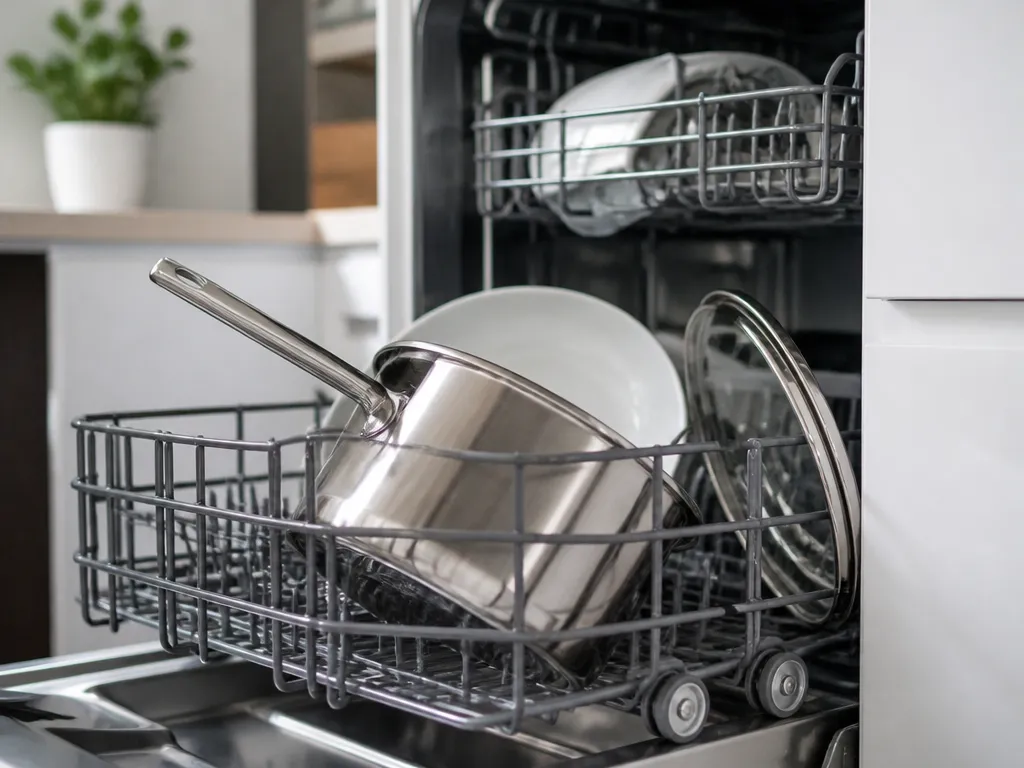
Can you put stainless steel cookware in the dishwasher? Most of the time, yes. A normal dishwasher cycle is generally fine for many stainless steel pans, especially higher-grade 18/10 cookware with a bonded aluminum core. The main trade-off is appearance: repeated cycles can dull a mirror finish or leave mineral and detergent spots even when the pan’s cooking performance stays unchanged.
Hand washing is the safer choice for polished showpiece pans, cookware with sensitive components, stubborn baked-on grease, or pieces whose manuals say to avoid the dishwasher. Use warm water and mild soap, soak the pan first, and dry it soon after washing.
The Short Answer
- Most premium pans are dishwasher safe. Many can handle normal dishwasher cycles without affecting cooking performance.
- The steel grade and construction matter. Higher-grade stainless, such as 18/10 with a bonded aluminum core, generally handles dishwasher cleaning well.
- Appearance may change. Heat, detergent, and hard water can cause slight dulling, mineral spots, or rainbow discoloration.
- Hand washing protects the finish. Warm water and mild soap are gentler on mirror-polished surfaces.
- Choose normal or eco cycles. Milder settings can reduce wear on finishes and glued components such as handles.
- Vent and unload promptly. Open the dishwasher after the cycle and remove the pans soon to limit water spots.
What Dishwasher-Safe Means for Stainless Steel Cookware
Stainless steel cookware is often dishwasher safe, but that label mainly means the pan can tolerate heat, detergent, and repeated water exposure without quickly breaking down. For many well-made pans, the dishwasher cleans effectively and does not change how the cookware performs on the stove.
The visible finish is more vulnerable than the metal itself. Repeated cycles may dull polished stainless steel, while minerals in hard water can leave spots or streaks. Detergent, water hardness, and cycle intensity all affect how quickly those marks appear.
Check the stamp on the cookware or the manufacturer’s manual before loading it. Stainless steel cookware varies in grade, construction, handle attachment, and finish, so the word “stainless” alone does not guarantee dishwasher safety.
What Changes After Repeated Dishwasher Cycles?
The surface may not look exactly the same afterward. You could notice:
- Slight dulling on a polished or mirror finish
- Mineral spots from hard water
- Rainbow discoloration
- Marks where the pan touches another metal item
- More wear on glued or insulated components after strong cycles
These changes are usually cosmetic rather than a sign that the pan has stopped working. If keeping the cookware bright and polished matters more than saving time at the sink, hand wash those pieces more often.
How to Load Stainless Steel Pans Correctly
Use a normal or eco cycle for everyday loads. These settings are generally less aggressive than the strongest cycles and may reduce wear on the finish and glued handle areas.
Do not overload the racks. Leave enough space for water and detergent to reach the inside of each pan, and keep cookware from rubbing against other items. Separate pans from knives and other metals when possible, since contact can leave marks.
Remove the cookware soon after the cycle ends. Open the door to vent steam, then dry or put the pans away rather than leaving standing water on the surface. This matters most in homes with hard water, where evaporating droplets can leave mineral rings.
Wipe away heavy grease or baked-on residue before loading the pan. A dishwasher may handle ordinary cooking messes well, but thick residue can require harsher washing action or leave the pan needing another cleaning.

Helpful pick
Triple Ply Stainless Steel Pots and Pans Set, EWFEN 12 Piece Induction Cookware Set, Oven Dishwasher Safe | Frying Pans, Saucepans, Saute Pan & Stock Pot, PFOA Free Kitchen Skillet
Dishwasher-safe tri-ply set designed to handle normal cycles, helping you load pans correctly without overloading racks.
When Hand Washing Makes More Sense
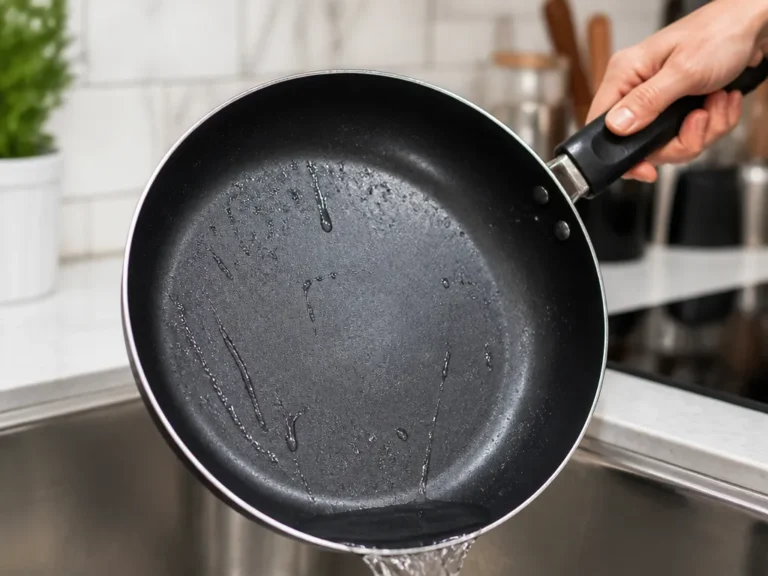
Soak the cookware in warm water with mild soap, then wash it normally. The soak loosens stuck-on food without forcing you to scrub aggressively. Dry the pan soon afterward and avoid leaving water pooled on the surface.
A hand-wash routine is also the cautious choice for uncoated or lower-grade cookware when you are unsure how it will respond to strong detergent and heat. Check the product manual first, especially if the pan includes insulated, glued, or otherwise nonmetal components.
Helpful pick
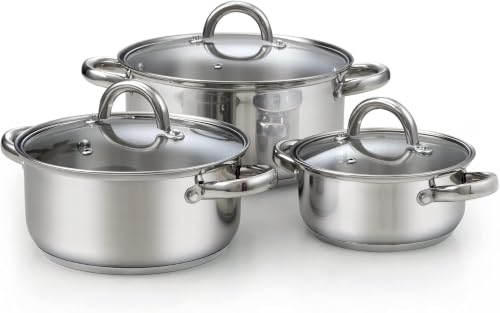
Cook N Home 6-Piece Stainless Steel Pot Cookware Set, Silver Handle | Pots and Pans Kit with Glass Lids, Induction Ready, Dishwasher & Oven Safe, Dutch Oven Stockpot
This dishwasher-safe set lets you skip hand washing, but its glass lids and stockpot still benefit from gentle soaking.
Dishwasher, Hand Wash, or a Combination?
You have three practical choices: use the dishwasher for nearly everything, hand wash every piece, or split the routine according to the pan and the mess. For most households, the split routine is the best balance.
- Dishwasher-first: Choose this for routine cooking messes when minor finish changes do not bother you.
- Hand-wash-first: Use this for mirror-finish pans or cookware you want to keep looking new.
- Hybrid routine: Put ordinary pans in the dishwasher, but hand wash pieces with baked-on grease, stubborn residue, or especially polished surfaces.
You can also use the dishwasher for a regular wash and reserve a warm-water soak for food that does not come off easily. This approach saves time without forcing every pan through the strongest available cycle.

Helpful pick
SHEUMNT 6 Piece Stainless Steel Pots and Pans Set, Kitchen Utensils | Induction Cookware Sets with Glass Lids, Electric and Gas Cooktops, Non Toxic, Oven & Dishwasher Safe
This dishwasher-safe induction set suits the split routine, letting you machine-wash pans after everyday cooking.
Why Use the Dishwasher?
The dishwasher saves time after everyday cooking, particularly when you are already running a mixed load. Stainless pans can be cleaned alongside plates and utensils instead of adding another task at the sink.
A hot wash and detergent cycle can also remove cooking residue more consistently than a quick hand rinse. The convenience is the main benefit: load the cookware, run a normal or eco cycle, and have it ready for use again after it dries.
Practical Examples and a Quick Decision Guide
A basic set of stainless steel cutlery is often dishwasher safe. Load handles down in the basket when appropriate, separate pieces to prevent contact marks, and follow the item’s care instructions. The same general loading approach works for many stainless steel pans, provided the cycle is not unnecessarily aggressive.
A polished or mirror-finish pan deserves different treatment. Hand washing reduces the chance of dulling and mineral streaks, while other stainless pans can continue going in the dishwasher.
| Your situation | Dishwasher choice | What to watch for |
|---|---|---|
| Routine daily cooking | Normal or eco cycle | Light dulling over time |
| Hard-water spots at home | Use rinse aid and avoid extra heat | Mineral or rainbow discoloration |
| Mirror-polished pan | Hand wash more often | Keeps the polished finish longer |
| Uncoated or lower-grade cookware | Hand wash | Strong cycles may dull the shine |
| Mixed load with knives or other metals | Separate items and load the rack correctly | Metal contact can leave marks |
Care for Stainless Steel Items Beyond Cookware
Knives need careful loading because contact with other metal items can cause marks or finish damage. Separate them from other pieces and use the rack correctly.
Insulated bottles and vacuum-sealed travel items are a different category from stainless steel cookware. They are often not recommended for the dishwasher unless the item is explicitly labeled dishwasher safe, because high heat can damage seals or vacuum components. Follow the stamp or manual rather than assuming that a stainless exterior makes the item dishwasher safe.
FAQ
Can stainless steel cookware go in the dishwasher?
Check the cookware’s stamp or manufacturer’s manual before loading it. Construction, handle attachment, and finish can affect whether a particular piece is dishwasher safe.
What cycle should I use for stainless steel cookware?
Use a normal or eco cycle for most dishwasher loads. These settings are generally gentler on finishes and glued handle areas than the most intense cycles. If you have hard water, use rinse aid and avoid extra heat when possible to reduce spotting.
Will the dishwasher ruin stainless steel cookware?
Usually not, although it may affect appearance before cooking performance. A polished or mirror finish can become slightly dull, and detergent or hard water can leave mineral or rainbow spots.
How do I clean stainless steel cookware if I skip the dishwasher?
Soak the cookware in warm water with mild soap, then wash it normally. The soak helps loosen stuck-on food and provides a gentler alternative to a strong dishwasher cycle. Dry the pan soon after washing and do not leave standing water on the surface.
Is it safe to put stainless steel items such as knives and insulated bottles in the dishwasher?
Knives can develop contact or finish problems, so separate them from other metal items and load them carefully. Insulated bottles and travel mugs are often not recommended for dishwashers unless they are explicitly labeled dishwasher safe, because high heat can damage vacuum seals. For cookware, use the product stamp or manual as your guide.
For the simplest approach, run dishwasher-safe stainless steel cookware on a normal or eco cycle, then open the door when the cycle finishes. If you see spotting or dulling, move the most important pans to hand washing with a warm-water and mild-soap soak.


Comments are closed.