How Much Do Kitchen Cabinets Cost On Average Compared
Updating your kitchen cabinetry represents the single largest expense in most renovation projects, often accounting for 30 to 40 percent of the total budget. While prices fluctuate based on material quality, manufacturing complexity, and geographic labor rates, homeowners should prepare for a broad range of investment levels. Understanding these cost drivers early prevents the common trap of underestimating the hardware, shipping, and installation fees that follow the purchase of the actual boxes.
Kitchen cabinet costs typically range from 100 dollars to 1,000 dollars per linear foot, depending on whether you choose budget-friendly stock options or bespoke custom millwork. A standard kitchen renovation involving 20 to 30 linear feet of cabinetry usually lands between 5,000 dollars and 25,000 dollars for materials alone. Precise budgeting requires balancing your aesthetic goals against the practical realities of construction lead times and labor availability in your specific region.
Key Takeaways
- Average linear foot. Budget 100 to 300 dollars for stock cabinets and 500 to 1,000 dollars for custom, high-end installations.
- Material impact. Solid wood remains the premium choice, while MDF or particleboard cores offer significant savings for budget-conscious projects.
- Customization tiers. Stock cabinets arrive ready to install, whereas semi-custom and custom options offer tailored dimensions and specialized finishes.
- Labor expectations. Professional installation typically adds 50 to 150 dollars per cabinet box or 20 to 30 percent of the total project.
- Hidden expenses. Hardware, drawer organizers, and trim pieces often add 10 to 20 percent to your final material quote.
- Economy of scale. Smaller kitchens often carry a higher per-foot cost due to the necessity of custom fillers and specialized corner solutions.
How Much Do Kitchen Cabinets Cost on Average per Linear Foot
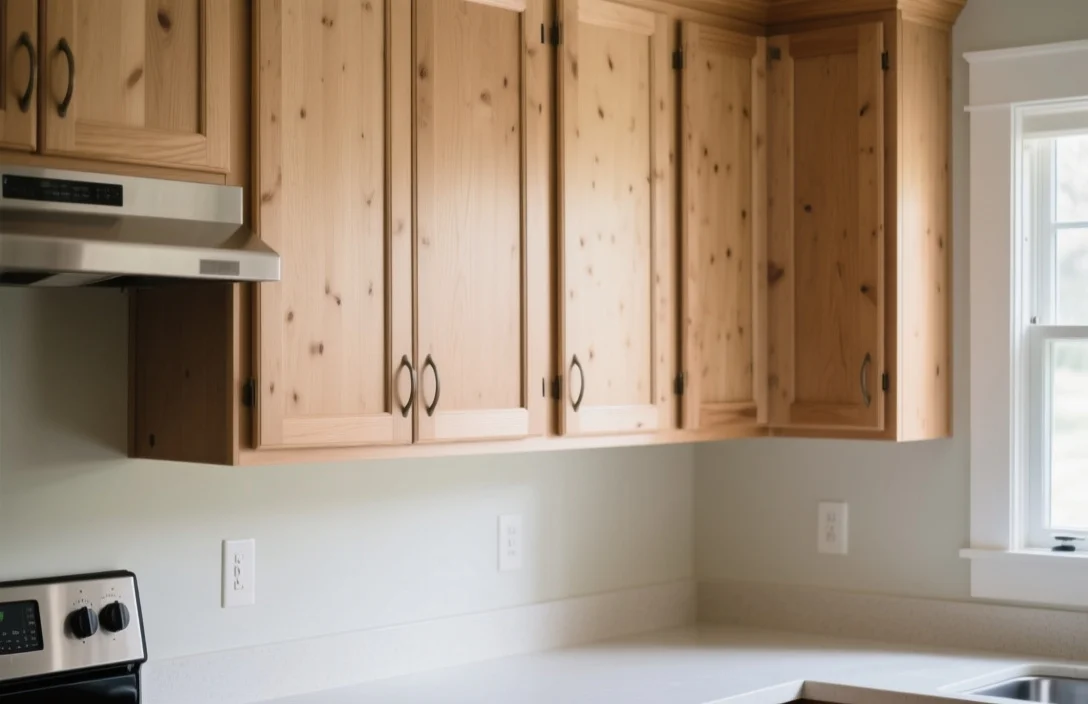
Measuring by the linear foot provides a reliable way to compare quotes from different manufacturers, though it does not account for the depth or height of the units. A standard linear foot calculation assumes a base cabinet that is 36 inches high and 24 inches deep. When you add wall cabinets, which are typically 12 inches deep, the total linear footage of the kitchen effectively doubles for pricing purposes.
Most entry-level stock cabinets start at roughly 100 to 200 dollars per linear foot. Mid-range semi-custom units generally fall between 250 and 500 dollars per linear foot, providing more finish options and drawer configurations. High-end custom cabinetry starts at 600 dollars and can easily exceed 1,000 dollars per linear foot when incorporating exotic veneers, complex molding, and specialized integrated lighting systems.
For example, a 10-foot run of base cabinets at the entry level will cost between 1,000 and 2,000 dollars. If you choose custom work for the same 10-foot run, you should anticipate a quote closer to 6,000 or 10,000 dollars. Always clarify if the linear foot price includes the countertop and hardware, as these are often sold as separate line items by cabinet retailers.
Price Differences Between Solid Wood and MDF Cabinets
Solid wood is the industry standard for durability and long-term value, but it comes with a premium price tag that reflects the cost of raw lumber and labor-intensive joinery. Manufacturers generally use hardwoods like maple, cherry, or oak for solid wood cabinets because these species resist warping and hold finishes well. You pay for the structural integrity of the frame and the aesthetic appeal of the natural grain, which adds significant resale value to a home.
Medium-density fiberboard, or MDF, offers a cost-effective alternative that is increasingly common in modern kitchen designs. MDF consists of wood fibers compressed with resin, creating a flat, stable surface that is ideal for painted finishes. Because it does not expand or contract with humidity changes like solid wood, MDF is less prone to cracking at the joints, which is a frequent issue in painted solid wood cabinets.
| Material Type | Cost Level | Best Use Case |
|---|---|---|
| Solid Hardwood | Premium | Traditional kitchens with stained finishes |
| MDF Core | Moderate | Painted cabinets and modern styles |
| Particleboard | Budget | Rental properties or temporary upgrades |
| Plywood/Veneer | Mid-Range | Balanced durability and cost |
Choosing between these materials often comes down to the desired finish. If you want a natural wood grain, you must opt for solid wood or high-quality plywood veneers. If you prefer a crisp, solid color like white or navy, high-quality MDF or a combination of wood frames with MDF center panels often provides a better, smoother result.
Comparing Stock, Semi-Custom, and Custom Cabinet Pricing
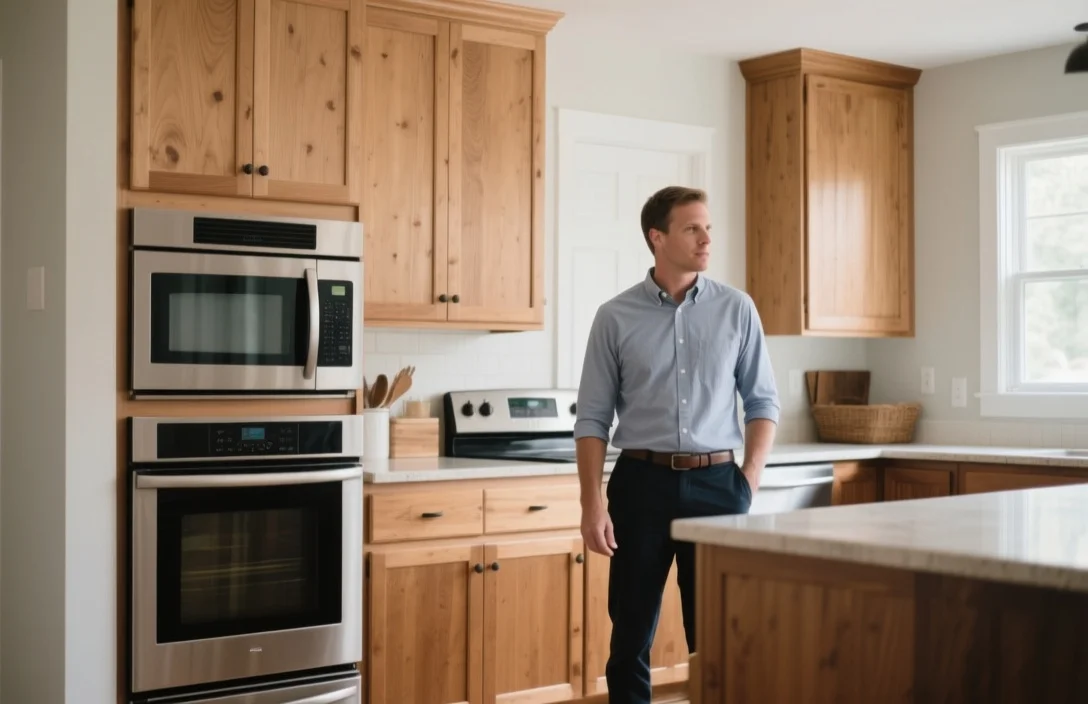
Stock cabinets represent the most affordable category because they are manufactured in large batches and kept in inventory for immediate shipment. You select from a limited catalog of sizes, door styles, and finishes, which means you may need to use fillers to bridge gaps between the cabinets and your walls. These units are perfect for standard kitchen layouts where the existing footprint matches the available manufacturer dimensions.
Semi-custom cabinets occupy the middle ground, offering a broader array of modifications to stock designs. You can adjust the depth of the cabinets, choose from a wider variety of door profiles, and select from an extensive palette of factory-applied finishes. This tier requires a longer lead time, typically four to eight weeks, but it allows for a more personalized kitchen layout without the extreme cost of a fully bespoke project.
Custom cabinets are built from scratch to meet the exact dimensions and specifications of your space. A cabinetmaker works with your contractor to design every detail, from the height of the toe kick to the specific internal storage configurations. This process is the most expensive route, but it is the only way to maximize every inch of space in irregular kitchens or to achieve unique architectural details that mass-produced lines cannot replicate.
Professional Installation Costs and Labor Rates
Installation labor is a variable expense that shifts significantly depending on your location and the complexity of your kitchen design. Most professional installers charge based on the number of cabinet boxes installed, while others provide a flat fee based on the total square footage of the room. A standard, straightforward installation might cost 1,500 to 3,000 dollars, but complex projects involving floor-to-ceiling cabinets or custom trim can double that figure.
You should always verify what the installation quote includes before signing a contract. Some installers handle the removal and disposal of your old cabinets, while others expect you to have the space completely cleared and ready for work. If your kitchen walls are not square or if the floor is uneven, the installer will need to spend extra time shimming and scribing the cabinets for a level fit, which often results in additional hourly charges.
For instance, installing a set of stock cabinets in a new-construction home is generally faster than retrofitting a kitchen in a 1920s home with sagging floors and irregular wall angles. Always request a written estimate that details the cost of hardware installation, crown molding, and cabinet leveling. If the installer is also handling electrical or plumbing modifications for your new layout, expect these to be billed separately as trade-specific work.
Cabinet Hardware and Organizer Upgrades That Increase Cost
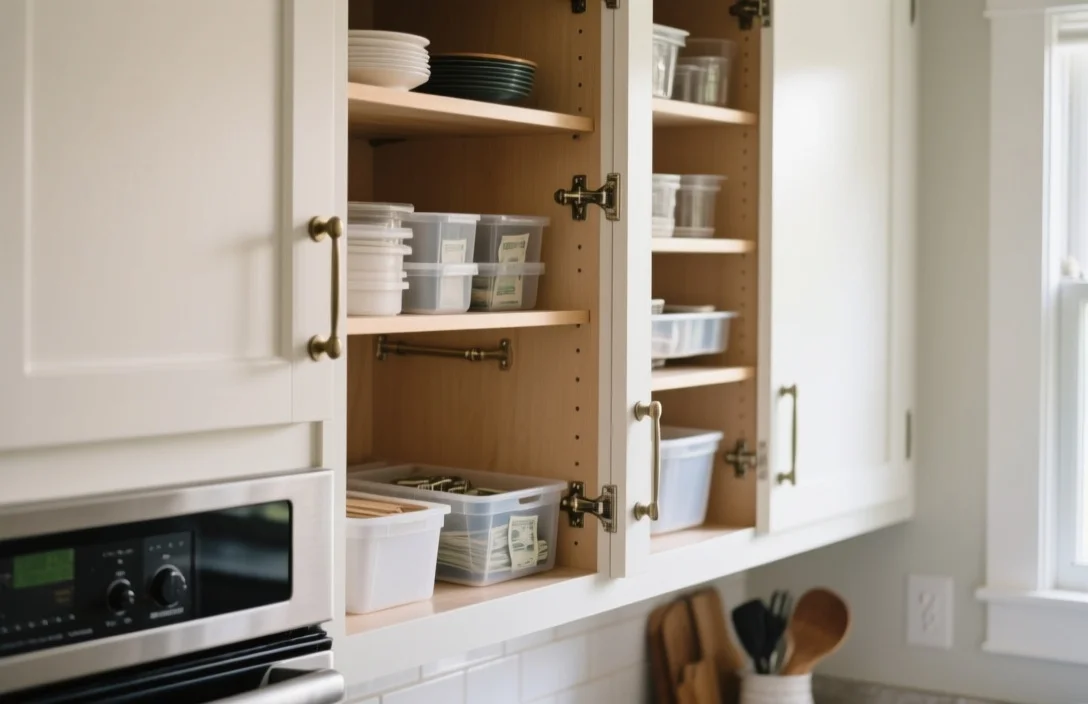
Cabinet hardware is a major hidden cost that can add hundreds or even thousands of dollars to your final invoice if you upgrade beyond standard options. Basic pulls and knobs might cost 5 dollars each, but high-end, designer hardware made from solid brass or brushed nickel can easily cost 30 to 50 dollars per piece. In a kitchen with 40 doors and drawers, that difference in price significantly shifts your total budget.
Internal organizers are another area where costs balloon quickly during the design phase. While a basic cabinet is inexpensive, adding slide-out spice racks, trash pull-outs, lazy Susans, or cutlery dividers adds a premium to each box. These features are highly functional, but they require precision engineering and additional hardware that manufacturers pass on to the consumer.
Consider focusing your spending on the features you use every single day. A high-quality trash pull-out or a deep drawer for pots and pans provides more daily utility than expensive decorative trim. If you need to trim your budget, look for standard hardware that you can easily swap out later, and prioritize the structural internal organizers that are difficult to install once the cabinets are already mounted to the walls.
Estimated Costs for Small, Medium, and Large Kitchens
Kitchen size is the primary factor in determining your total material and labor volume. A small kitchen, typically under 100 square feet, usually requires 15 to 20 linear feet of cabinetry. Even with modest finishes, you should expect to spend between 5,000 and 12,000 dollars for a complete cabinet replacement including installation.
Medium kitchens, which range from 100 to 200 square feet, often feature islands or breakfast bars that increase the linear footage to 25 to 40 feet. In this size category, the budget typically moves into the 15,000 to 35,000 dollar range. The addition of an island usually requires more complex electrical and plumbing work, which adds to the total renovation expense beyond just the cabinets themselves.
Large kitchens exceeding 200 square feet often feature multiple zones, large islands, and floor-to-ceiling storage. These projects frequently involve high-end custom cabinetry to ensure the space feels proportional and functional. It is not uncommon for cabinet costs in a large, luxury kitchen to range from 40,000 dollars to over 80,000 dollars when accounting for premium materials, professional installation, and integrated appliance panels.
Ways to Lower Your Total Cabinet Expenditure
Refacing your existing cabinets is the most effective way to save money if the current boxes are structurally sound. Refacing involves replacing the doors and drawer fronts while keeping the existing cabinet boxes in place and applying a new veneer to the exterior frames. This approach can save you 50 percent or more compared to a full cabinet replacement while still giving your kitchen a completely refreshed, modern appearance.
If you decide to replace the cabinets entirely, choosing ready-to-assemble, or RTA, units is a proven way to reduce costs. RTA cabinets arrive in flat-pack boxes, and you are responsible for the assembly and installation. Because you are doing the labor, you avoid the high cost of pre-assembled units and professional installation fees, often saving 20 to 30 percent on the total project cost.
Finally, stay disciplined with your finish and hardware choices to keep your quote within budget. Standard white or shaker-style doors are almost always cheaper than complex, multi-step glazed finishes or ornate door profiles. By selecting a high-quality, neutral cabinet and spending your budget on eye-catching but easily replaceable accessories like lighting or cabinet pulls, you achieve a designer look without the custom price tag.
FAQ
Does the cost of cabinets include installation?
No, in most cases, cabinet pricing is quoted separately from installation labor. While some big-box retailers offer bundled packages, you should always clarify whether the quote includes the physical mounting of the cabinets, leveling, and trim work. Expect to pay an additional 20 to 30 percent of your material cost for professional installation services.
How much do custom cabinets cost compared to stock?
Custom cabinets generally cost two to three times more than stock cabinets. While a stock kitchen might cost 8,000 dollars, a comparable custom setup will often range from 20,000 to 30,000 dollars due to the labor-intensive nature of bespoke manufacturing, specialized materials, and precise sizing to fit your specific room dimensions.
Is it cheaper to paint old cabinets or buy new ones?
Painting old cabinets is significantly cheaper, often costing 500 to 2,000 dollars for professional refinishing, whereas buying new cabinets starts at several thousand dollars. If your existing boxes are made of quality plywood or solid wood and the layout is functional, painting is an excellent way to update the space on a strict budget.
What is the most expensive part of a cabinet order?
The cabinet boxes and door style represent the bulk of the cost, but specialized internal organizers and high-end finishes drive the price up rapidly. Custom modifications, such as corner pull-outs, integrated lighting, and glass-front doors, each add a premium to the base price of every cabinet unit in your order.
How long does it take to get new kitchen cabinets?
Stock cabinets are often available within one to two weeks, while custom cabinets typically require a lead time of eight to twelve weeks. Always confirm lead times with your supplier before demolition begins, as shipping delays can stall a renovation project if you do not have your materials on-site before the contractor arrives.