
How Long Does It Take To Replace Kitchen Cabinets: 6 Steps
Replacing kitchen cabinets takes between two and five weeks from the start of demolition to the completion of final adjustments. This timeline assumes your design is finalized, materials are ordered, and delivery dates are confirmed. While the physical installation of the boxes often takes only three to five days, the surrounding prep work and finishing tasks account for the bulk of the schedule.
A complete replacement requires three to five weeks of active work time, depending on whether you choose stock, semi-custom, or custom cabinetry. You should also budget an additional four to twelve weeks of lead time for manufacturing and delivery before the installation phase even begins.
Project Estimates at a Glance
- Installation duration: Hanging cabinets typically requires three to five days for a standard kitchen.
- Lead time reality: Custom cabinets often require an eight to twelve week wait before they arrive at your home.
- Demolition phase: Removing old cabinets and preparing the space usually consumes two to three full days.
- Finishing tasks: Installing countertops, hardware, and crown molding adds three to seven days to the total project.
- DIY variable: Completing the installation yourself can double the expected labor time compared to a professional crew.
- Unforeseen repairs: Budget an extra week for addressing hidden water damage or uneven walls discovered during demolition.
The Installation Window vs. Total Project Length
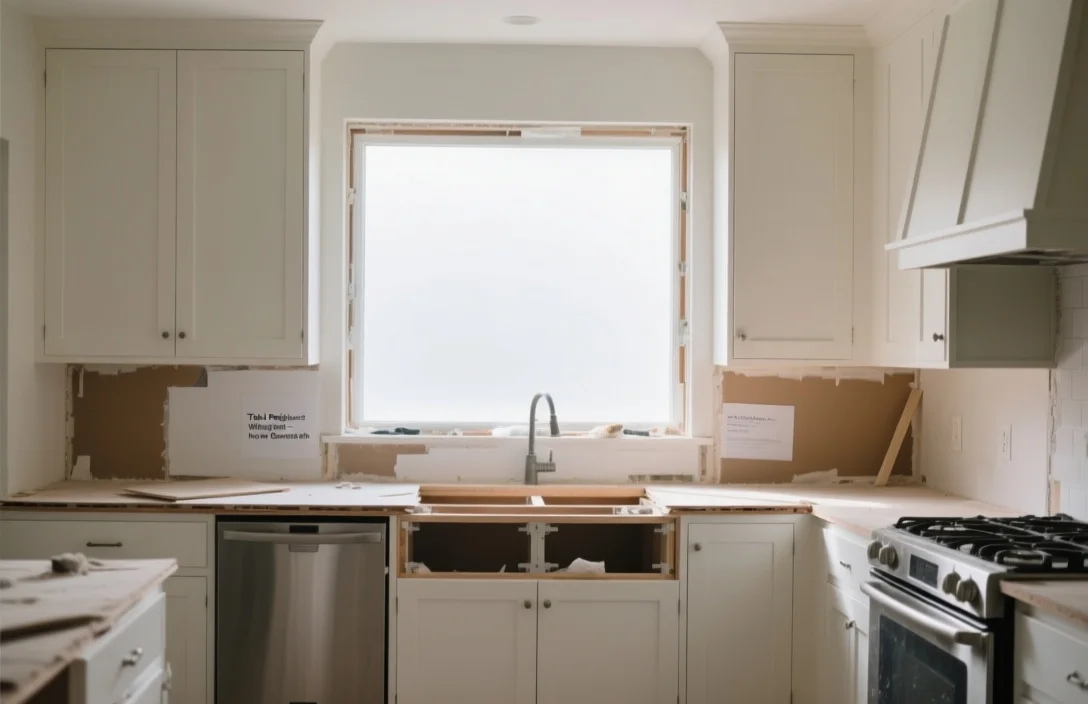
Most professional installations for a mid-sized kitchen take approximately three to five days once the materials are on-site. This covers mounting upper and lower cabinets, leveling, and securing them to the wall studs. However, the installation window is only one part of the process; the total project length depends heavily on the lead time for your order.
Stock cabinets bought off the shelf at a local hardware store can be installed immediately. In contrast, semi-custom or custom designs require significant manufacturing time. If you ignore the lead time for shipping, you will find yourself with a demolished kitchen and no cabinets to install for several weeks.
How Layout and Size Affect Labor Hours
Kitchen size dictates the number of units to be installed, which scales the labor hours required. A small galley kitchen with ten linear feet of cabinets might be completed in two days, whereas a large kitchen with an island, pantry, and corner units can stretch to five or six days of intense labor.
Complexity creates the most significant time variances. Corner cabinets, lazy Susans, and integrated appliance panels require much more precise cutting and fitting than standard rectangular boxes. Expect a 20 percent increase in installation time for every additional complex corner or custom-fit appliance integration.
Cabinet Types and Assembly Requirements
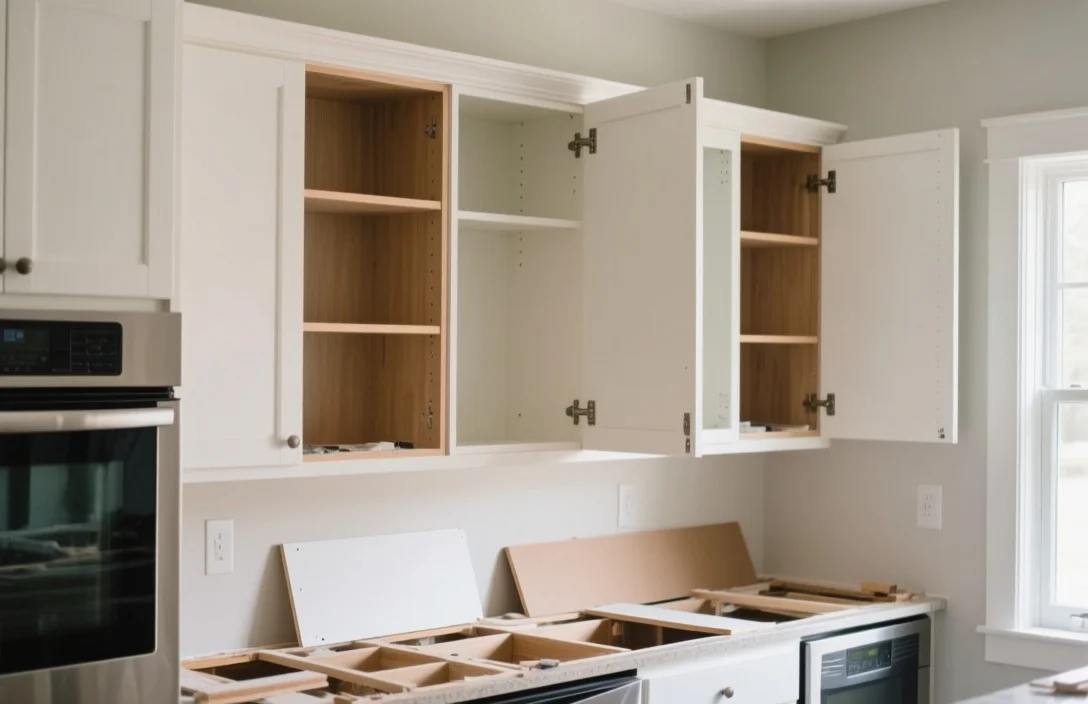
Stock cabinets are the fastest to install because they arrive fully assembled. Ready-to-Assemble (RTA) units, however, require significant time for construction before they can be mounted. While an installer can hang a pre-assembled cabinet in minutes, an RTA unit requires time to assemble drawer glides, hinges, and the box frame. If you choose RTA, add at least two full days to your project timeline just for assembly.
Semi-custom cabinets offer a middle ground, often arriving assembled but requiring more detailed trim work to bridge gaps between the unit and the wall. Custom cabinets require the most time because they are often built to fit specific, non-standard wall dimensions. This bespoke nature means the installer spends more time scribing the wood to fit the exact contours of your home.
| Cabinet Type | Assembly Time | Installation Complexity | Typical Project Impact |
|---|---|---|---|
| Stock | None | Low | Fastest implementation |
| RTA | 1-2 Days | Moderate | High labor requirement |
| Semi-Custom | Minimal | Moderate | Standard lead time |
| Custom | None | High | Longest lead time |
The Step-by-Step Replacement Sequence
The replacement process follows a logical sequence to avoid damaging new finishes. You begin by removing existing cabinets and clearing the site, which takes about two days. Once the walls are bare, you must inspect the framing for plumbing or electrical issues, which can add a one to two-day buffer if repairs are necessary.
Installers typically start with the upper cabinets to ensure they have room to work without reaching over the lower units. The lower cabinets follow, then the leveling process, and finally the installation of doors and drawers. Each step requires precise measurement to prevent doors from rubbing or frames from sitting at an angle.
- Site Preparation (1-2 days): Disconnect utilities and remove existing cabinets.
- Wall Assessment (0.5-1 day): Check for level, plumb, and structural integrity.
- Layout Marking (0.5 day): Snap lines on the wall to mark the top and bottom heights.
- Upper Cabinet Mounting (1-2 days): Secure the top row of cabinets to wall studs.
- Lower Cabinet Mounting (1-2 days): Install base cabinets and verify they are perfectly level.
- Trim and Finish (1 day): Attach end panels, crown molding, and toe kicks.
DIY vs. Professional Installation
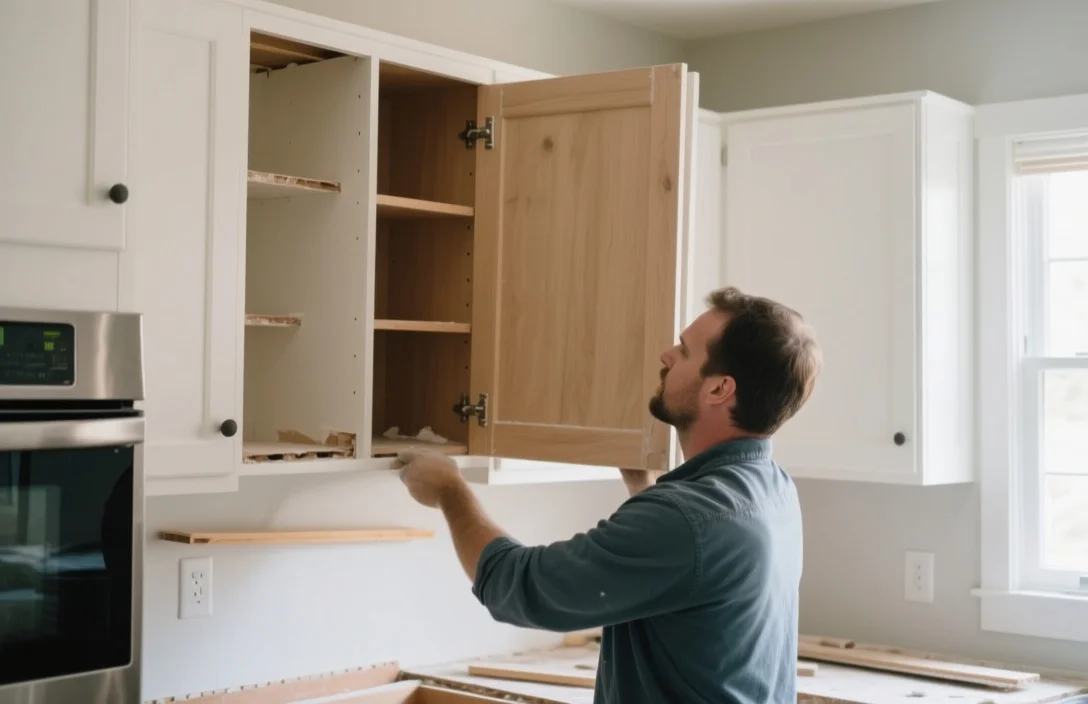
Professional crews complete installations faster because they use specialized tools to handle wall irregularities without stopping to troubleshoot. A two-person professional team can often finish a standard kitchen in three days, while a solo DIY homeowner might take seven to ten days.
DIY projects require extra time for the learning curve and correcting mistakes. Misaligning a cabinet by even a quarter-inch can cause doors to sag or drawers to stick, forcing you to remove and re-mount the unit. While DIY saves on labor costs, it inevitably extends the duration of the project, leaving your kitchen out of commission for longer.
Demolition and Pre-Installation Prep
Demolition is physically taxing and creates significant debris, though it is often faster than people expect. You can usually clear a kitchen of old cabinets in one day if you have a dumpster ready, but you must be careful not to damage underlying drywall or plumbing pipes.
Measuring for the new cabinets is the most critical step and should happen weeks before demolition begins. Inaccurate measurements lead to delays while waiting for replacement parts or return shipments. Spend at least one full day verifying your measurements, ensuring you account for plumbing vent pipes, electrical outlet locations, and the total depth of the new units.
Countertops and Final Finishing
Cabinet installation is not the end of the project; you cannot safely measure for stone or quartz countertops until the cabinets are firmly secured. Most countertop providers require a professional template appointment after the cabinets are in place, followed by a fabrication period of seven to ten days. You will be without a functional kitchen sink and workspace during this waiting period.
Final adjustments, such as installing cabinet hardware, crown molding, and touch-up painting, take another one to two days. Rushing these steps often leads to scratched wood or crooked handles, which can ruin the aesthetic of the entire investment.
FAQ
How long should I expect to be without a kitchen?
Plan for a total disruption of two to five weeks. While the actual installation takes a few days, the time between removing old countertops and installing the new ones often leaves you without a sink or workspace for at least seven to ten days.
Can I install new cabinets over old flooring?
Avoid this. Installing over old flooring risks uneven cabinet heights, and if you ever replace the flooring later, the cabinets will be trapped. Most professionals suggest removing old flooring to ensure the cabinets sit on a level subfloor.
What is the biggest cause of delays in cabinet replacement?
Inaccurate measurements or shipping damage are the primary culprits. If a single cabinet arrives damaged or the dimensions are off by even an inch, the entire installation can halt for weeks while you wait for a replacement unit.
Do I need to remove my appliances before the cabinets arrive?
Yes. Remove the stove, dishwasher, and refrigerator before installation begins. This ensures the crew has full access to the wall area and prevents accidental damage to your appliances during the heavy lifting.
Is it cheaper to reface cabinets than to replace them?
Refacing is significantly cheaper and faster, typically taking only three to five days. However, refacing only changes the aesthetic of the door fronts; it does not fix underlying structural issues, layout inefficiencies, or damaged cabinet boxes.