
How To Cut Food Waste With Kitchen Management Software In 5 Steps
Food waste remains the single largest operational leak in professional kitchens, often accounting for 4% to 10% of total food purchases. Kitchen management software addresses this by replacing manual estimation with data-driven workflows, ensuring that every ingredient purchased serves a specific purpose on a plate. By digitizing the back-of-house, managers gain visibility into hidden losses that paper logs and spreadsheets simply cannot capture.
Kitchen management software reduces food waste by automating inventory reconciliation, predicting ingredient demand through historical sales data, and enforcing portion control through standardized digital recipes. These platforms provide real-time alerts for expiring stock and track plate waste, allowing operators to adjust production levels and ordering schedules to match actual customer consumption patterns.
Key Takeaways
- Real-time inventory tracking. Automated systems update stock levels instantly as sales occur, preventing over-ordering and reducing spoilage.
- Predictive demand analytics. Software uses historical data to forecast exactly how much prep is needed for specific days or shifts.
- Standardized recipe management. Digital recipe cards ensure consistent portioning, which eliminates the variability that leads to over-preparation and plate waste.
- Expiration date monitoring. Automated alerts flag perishable items approaching their shelf life so staff can prioritize them in daily specials.
- Waste tracking integration. Logging discarded food directly into the system identifies specific items or menu categories that consistently underperform.
How to cut food waste using kitchen management software effectively

Effective waste reduction requires a shift from reactive management to proactive oversight. Most professional kitchens operate on a cycle of purchasing, storing, prepping, and serving, yet they often lack the data to see where the process breaks down. Software acts as the central nervous system for this cycle, creating a digital audit trail that links every dollar spent to a specific plate sold.
The transition to digital management involves three distinct phases: auditing current waste, standardizing inputs, and refining output based on system feedback. Without a baseline, you cannot measure improvement, so the first step is to categorize waste into distinct buckets like spoilage, prep waste, and plate waste. Once the software is in place, you gain the ability to correlate these waste buckets with specific staff shifts, menu items, or delivery days.
Automating inventory tracking for precise stock levels
Manual inventory counts are prone to human error and are often too infrequent to prevent spoilage. Automated inventory tracking connects your point-of-sale system to your inventory database, meaning every time a burger is sold, the system automatically deducts the bun, patty, cheese, and lettuce from the count. This continuous loop of data ensures that your stock levels reflect reality, not just the last time a manager walked the walk-in cooler.
When inventory stays accurate, you avoid the most common cause of waste: over-purchasing. Many kitchens keep “safety stock” of perishable items, which often expires before it reaches a plate. Automated systems allow you to set par levels that adjust dynamically based on actual usage, ensuring you only order what you realistically expect to use before the next delivery cycle.
Predicting ingredient demand with historical data analytics
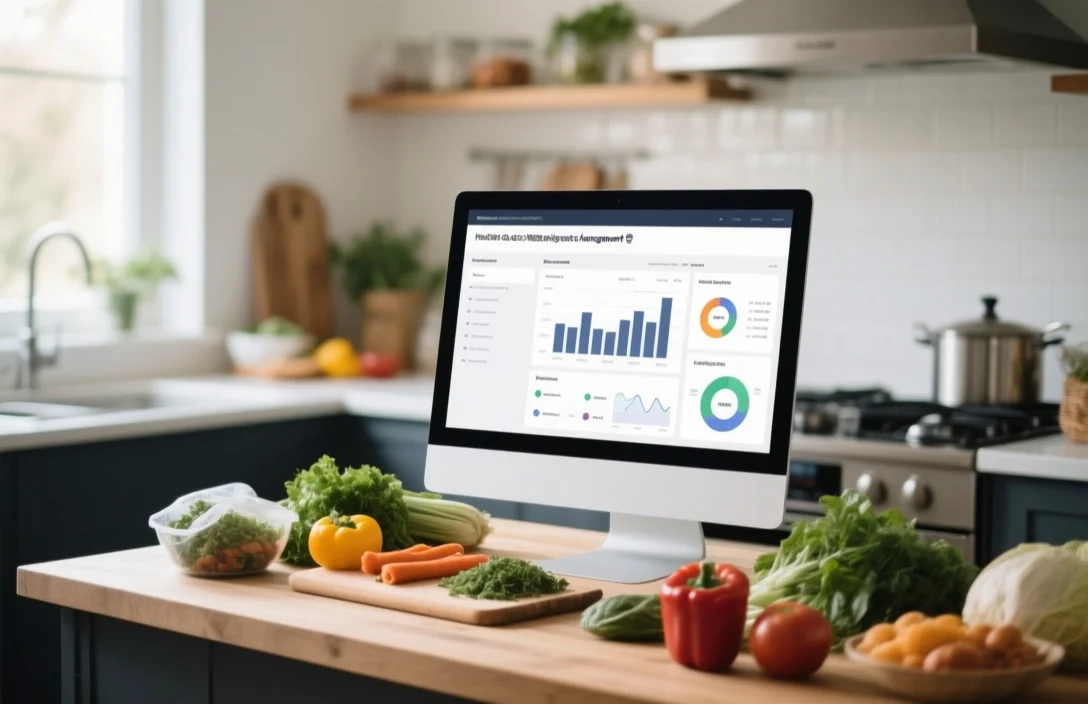
Predictive analytics transform historical sales data into a roadmap for daily preparation. Instead of relying on a chef’s intuition to decide how many gallons of soup to make, software analyzes sales trends from the same day of the week, weather patterns, and holiday calendars to generate a recommended prep list. This precision minimizes the surplus food that gets discarded at the end of a shift.
For instance, if your system identifies that you consistently sell 20% fewer salads on rainy Tuesdays, it will automatically scale down the prep volume for those specific ingredients. This reduction compounds over time, leading to significant savings in produce costs. By matching prep labor and ingredient usage to anticipated demand, you stabilize your kitchen output without sacrificing availability.
Streamlining production planning to minimize overpreparation
Production planning tools bridge the gap between inventory levels and actual service requirements by providing chefs with structured prep sheets. These digital lists tell the kitchen team exactly how much of each item to prepare, based on current stock, forecasted demand, and yield percentages. This eliminates the “just in case” cooking that leads to massive amounts of finished-dish waste.
Standardizing production also forces consistency in the kitchen. When every station follows a digital prep list derived from the same data source, you reduce the likelihood of inconsistent portioning or over-batching. This discipline ensures that your kitchen produces exactly what is needed for the expected volume, keeping the focus on freshness and quality.
Managing shelf life expiration alerts for perishable items
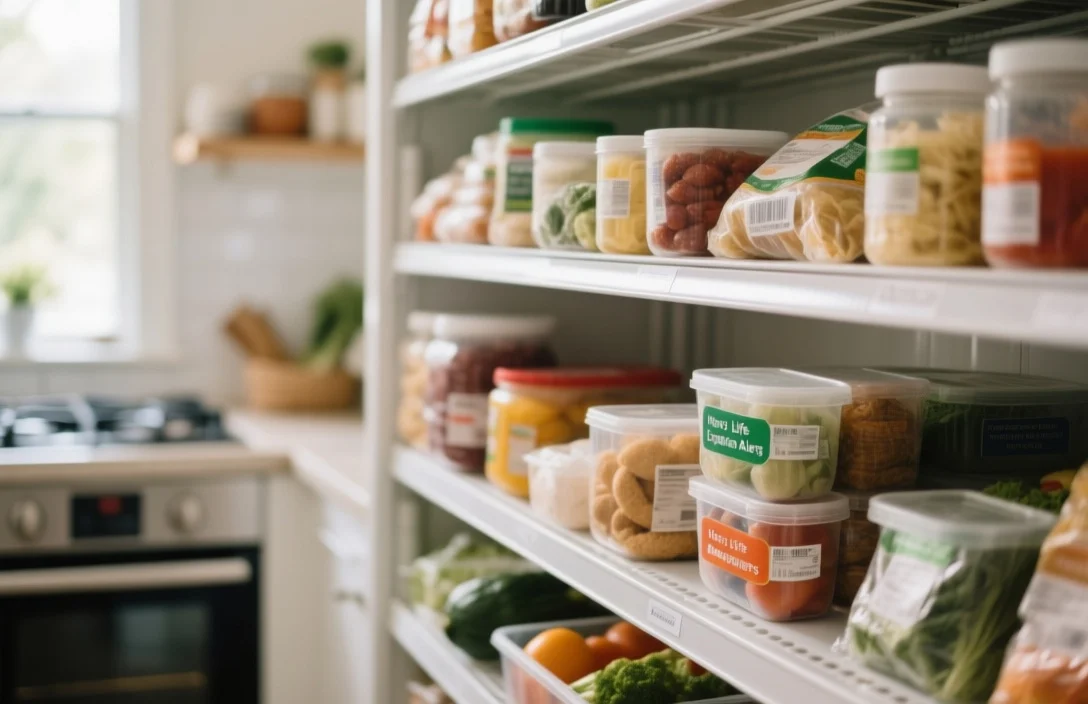
Perishable items are the most frequent source of spoilage, particularly when staff loses track of rotation in the walk-in cooler. Kitchen management software enables digital shelf-life tracking, where every delivery is logged with its arrival date and expected expiration. The system then issues notifications to the kitchen manager when items are within 48 hours of their shelf-life limit.
This functionality turns a potential loss into a menu opportunity. When a manager receives an alert that a specific crate of produce is nearing its expiration, they can immediately update the daily specials to feature that ingredient. This systematic approach to “first-in, first-out” inventory rotation prevents products from languishing in the back of a shelf until they are no longer usable.
Analyzing plate waste reports to adjust portion sizes
Plate waste reports provide the most honest feedback on menu performance by highlighting what customers consistently leave behind. If a specific side dish is regularly returned to the dish pit half-eaten, the software identifies this pattern, signaling that your portion sizes are likely too large for the price point. This data allows you to make informed decisions about downsizing portions or modifying recipes to reduce cost and waste.
| Metric | Impact on Waste | Action Required |
|---|---|---|
| High Plate Waste | Excessive portion size | Reduce portion weight |
| Frequent Spoilage | Over-purchasing | Lower par levels |
| High Prep Waste | Inefficient technique | Retrain on knife skills |
| Stock Discrepancy | Theft or inaccuracy | Tighten inventory counts |
By logging the specific items returned from tables, you can pinpoint exactly which dishes are failing to hit the mark. This feedback loop is essential for refining your menu and ensuring that your food costs align with your customer’s actual consumption habits.
Integrating supplier ordering systems to reduce overstocking
Direct integration between your inventory management software and your suppliers’ ordering portals eliminates the middleman and the margin for error. When your software detects that you are running low on a specific ingredient, it can automatically generate an order request based on your pre-set par levels. This prevents the “panic ordering” that occurs when a kitchen realizes they are out of an item mid-service.
These integrations also provide visibility into supplier lead times and delivery schedules, allowing you to synchronize your orders with your consumption cycles. By aligning your purchasing with your actual usage, you prevent the accumulation of excess inventory that frequently leads to spoilage. This level of control ensures your kitchen remains lean, efficient, and focused on using fresh ingredients.
FAQ
How much can a kitchen realistically save on food costs using software?
Most professional kitchens see a reduction in food waste costs of 2% to 5% within the first six months of implementation. By tightening inventory controls and optimizing prep levels, the software quickly pays for its own subscription costs through reduced spoilage and more efficient purchasing.
Does the software require manual data entry for every item?
Modern systems minimize manual input by using barcode scanning and POS integration. While initial setup requires cataloging your ingredients and recipes, the daily workflow involves scanning deliveries and updating counts, which is significantly faster and more accurate than tracking everything on paper logs.
Can this software help with menu pricing?
Yes, software provides real-time food cost calculations for every recipe. By understanding the exact cost of every ingredient on a plate, you can adjust menu prices to maintain your target margin even when ingredient market prices fluctuate, preventing the “hidden” waste of under-pricing.
What is the biggest mistake kitchens make when starting?
The most common error is failing to track waste consistently. If staff does not log discarded items into the system, the software cannot identify the source of the loss. You must make waste tracking a non-negotiable part of the daily kitchen closing checklist.
Is this software suitable for small, single-location cafes?
Absolutely, as smaller operations often have the thinnest margins and the most to lose from inventory mismanagement. A simple, cloud-based platform can provide the same level of oversight as enterprise systems, helping small kitchens compete by maximizing the value of every dollar spent on food.
Success in reducing food waste comes down to the visibility provided by your digital tools. Start by auditing your current waste for one week, then select a software platform that integrates directly with your point-of-sale system to ensure your inventory data stays accurate. Once you have the data, prioritize the adjustments that offer the highest return on investment, such as refining portion sizes and optimizing your ordering schedule.