How To Hide Outlets In Kitchen Backsplashes In 6 Easy Ways
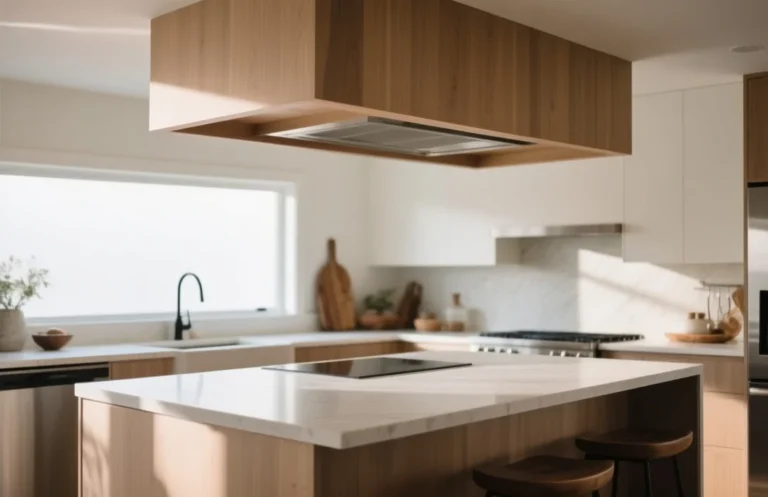
Kitchen design trends prioritize clean lines and uninterrupted tile work, making exposed electrical outlets a major eyesore. You can achieve a minimalist aesthetic by tucking power sources beneath cabinets, integrating them into countertops, or using color-matched hardware to blend them into the backsplash. These methods remove visual clutter while maintaining full access to the electricity you need for coffee makers, blenders, and other daily essentials.
Hiding kitchen outlets requires balancing aesthetics with National Electrical Code (NEC) requirements. The most effective approach involves moving receptacles to the underside of upper cabinets or using retractable power units embedded in the countertop surface. These solutions keep wall surfaces clear while ensuring that every outlet remains accessible for safe, code-compliant use.
Key Takeaways
- Prioritize safety compliance. Always consult local building codes before moving or concealing electrical receptacles to ensure they remain accessible for maintenance.
- Utilize under-cabinet space. Installing power strips under your upper cabinets removes the need for wall-mounted plugs in your backsplash area.
- Consider retractable hardware. Pop-up outlets provide power directly from your countertop and retract flush when you do not need them.
- Match your finishes. Paint your outlet covers and plates to perfectly match the color and texture of your tile or stone backsplash.
- Strategic appliance placement. Position large items like knife blocks or decorative bread boxes to physically obstruct the view of wall-mounted outlets.
- Use hidden cabinetry. Create recessed panels or drawers with internal power strips to keep cords completely out of sight during operation.
How to Hide Outlets in Kitchen Backsplashes and Walls
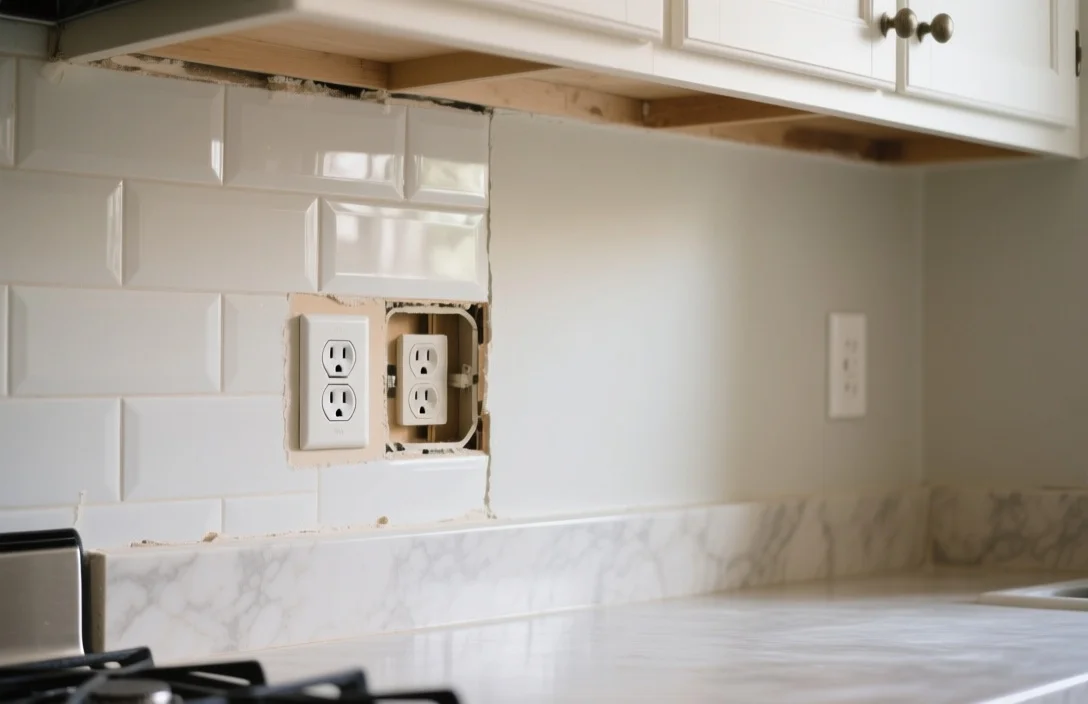
The most common way to hide outlets in kitchen backsplashes is to install them horizontally underneath the upper cabinets. By moving the receptacle from the vertical wall surface to the horizontal underside of the cabinet frame, you remove the plug from your immediate line of sight while standing at the counter. This modification requires a shallow electrical box and careful routing of wires behind the drywall or cabinet backing.
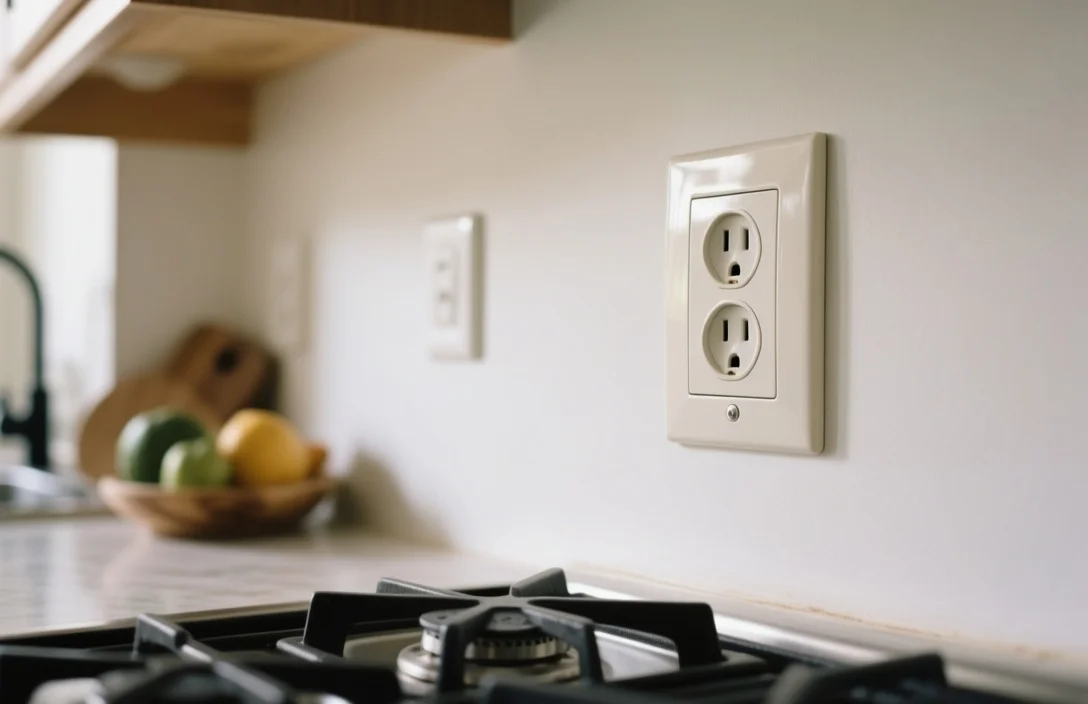
When you cannot move the outlet entirely, you can minimize its visual impact by using recessed wall boxes. These boxes allow the outlet face to sit flush with the tile rather than protruding outward. You then install a custom cover plate that matches the exact material of your backsplash, such as marble, glass, or ceramic, creating a nearly invisible transition across the wall.
Install Under Cabinet Power Strips
Under cabinet power strips offer a continuous, low-profile source of electricity that runs the entire length of your workspace. These units mount to the underside of your wall cabinets and provide multiple plug-in points, replacing the standard duplex outlets that typically break up a backsplash. Because they sit behind the cabinet face, they are invisible from a standard standing position in the kitchen.
For the best results, choose a power strip with a finish that matches your cabinetry or under-cabinet lighting system. You should install these strips toward the front edge of the cabinet underside to make plugging in appliances easy without requiring you to reach deep into the corner. Ensure the unit is rated for kitchen use, as humidity and occasional splashes are common in these environments.
Use Pop Up Countertop Outlets
Pop-up outlets mount directly into your countertop, providing a vertical power tower that rises only when you press the top. These are ideal for kitchen islands where you want to avoid placing outlets on the sides or backsplash area. When retracted, the unit sits flush with the surface, often appearing as a small, circular metal or stone disk that blends into the countertop material.
Installation of these units requires a precise hole cut into your stone or wood countertop. Because these outlets are located near sinks or prep areas, you must use a model specifically designed with a waterproof seal to prevent liquids from entering the electrical components. Always verify the depth clearance inside your cabinet base before purchasing, as the power tower requires several inches of vertical space below the counter.
Match Outlet Covers to Backsplash Colors
Matching outlet covers to your backsplash is the simplest way to hide existing outlets without performing complex electrical work. You can purchase paintable outlet covers or specialized plates that allow you to insert a thin piece of your backsplash tile into the cover itself. This creates a seamless look where the outlet becomes part of the wall pattern rather than a stark white plastic rectangle.
If your backsplash uses a specific stone like quartz or granite, look for decorative plates that mimic these natural textures. Even if you cannot get an exact material match, painting the plastic cover plate with a high-quality, heat-resistant paint in the same tone as your grout or tile reduces the contrast significantly. Clean the plate thoroughly with rubbing alcohol before painting to ensure the finish adheres properly and resists the heat of the kitchen.
Position Small Appliances to Block Wall Plugs
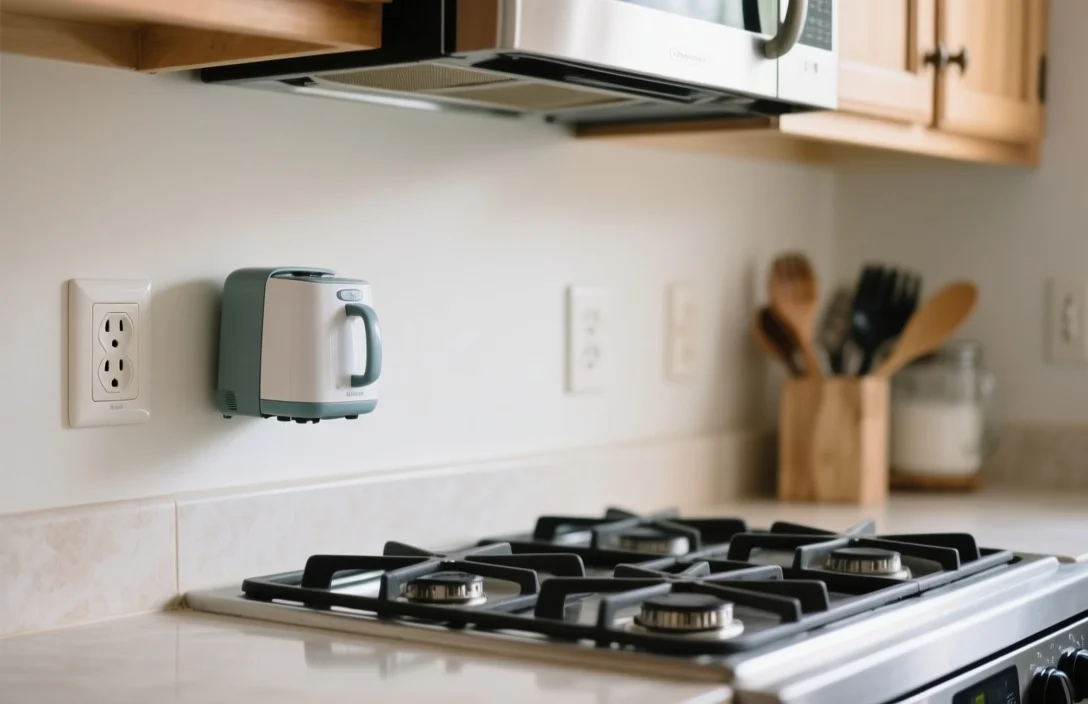
Strategic placement of kitchen items is a non-invasive way to obscure outlets that you cannot move or hide behind cabinetry. A decorative knife block, a large wooden cutting board, or a ceramic utensil crock can effectively shield a standard wall outlet from view. You should select items that you keep on the counter permanently, ensuring the outlet remains blocked regardless of your daily cooking activity.
If you have a dedicated station for a coffee maker or toaster, keep these appliances close to the outlet they use. The appliance body itself often hides the plug and the cord, especially if you use short, coiled, or custom-length power cables. This approach requires no electrical work and allows you to change your kitchen layout whenever you decide to rearrange your counter space.
Create Hidden Access Panels in Cabinetry
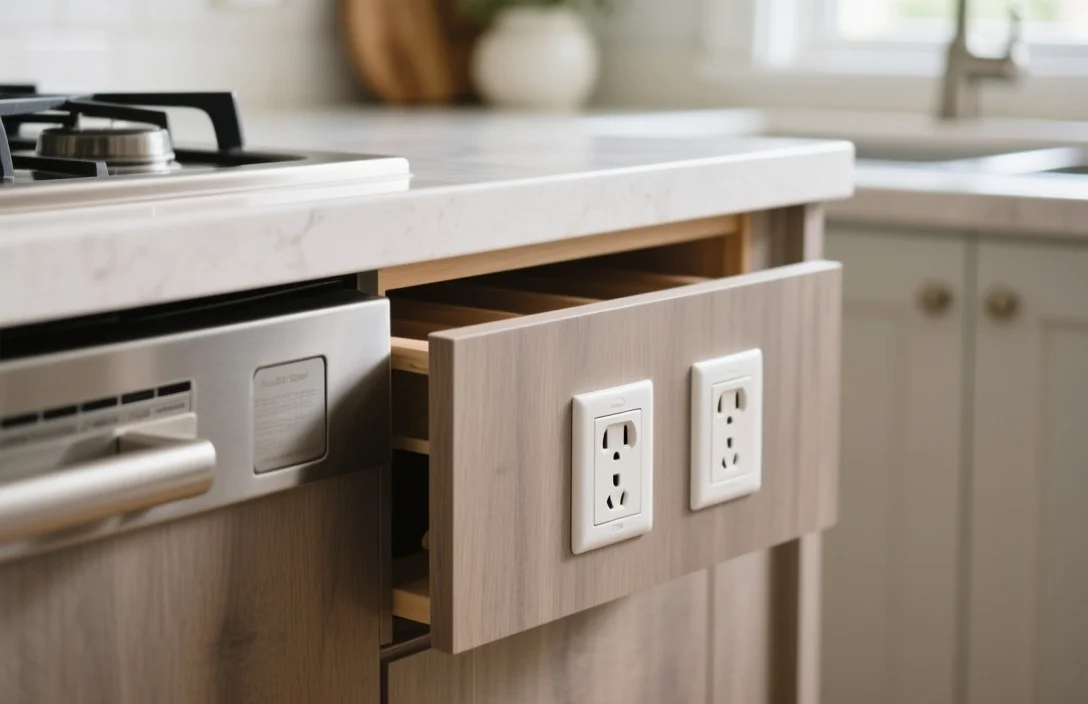
Hidden access panels allow you to keep appliances plugged in inside a cabinet or drawer, removing the need for counter-top clutter entirely. You can install an internal power strip inside a deep kitchen drawer, creating a dedicated “charging station” or “appliance garage” for items like mixers or food processors. This keeps the cord connected to the power source at all times, so you only need to pull the appliance out to use it.
When designing these panels, ensure you include proper ventilation if you plan to keep appliances plugged in while the drawer is closed. You should also use a retractable cord mechanism or a specialized cable management system to prevent the cord from getting caught or pinched when you open and close the drawer. This method is highly effective for maintaining a completely clear countertop surface in a modern, minimalist kitchen.
Follow Electrical Safety Codes for Hidden Outlets
Electrical safety codes in the United States require that all outlets remain accessible for inspection and service. You cannot permanently bury a junction box behind tile or wood paneling where it cannot be reached without destroying the wall. If you choose to hide an outlet, you must ensure the cover remains removable and that the wiring is contained within an approved, accessible electrical box.
Ground Fault Circuit Interrupter (GFCI) protection is mandatory for all kitchen countertop receptacles. If you move an outlet to a new location, ensure the circuit is protected by a GFCI breaker or a local GFCI receptacle. If you are unsure about the specific distance requirements for your area, consult a licensed electrician or your local building department, as codes vary by municipality regarding the required number of outlets per linear foot of counter.
FAQ
Can I paint my existing outlet covers to match my kitchen walls?
Yes, you can paint outlet covers, but use a high-quality, durable paint and avoid getting paint inside the electrical socket. Remove the covers from the wall before painting to ensure a clean finish, and consider using a primer first to help the paint bond to the plastic surface.
Are pop-up outlets safe for use near a kitchen sink?
Yes, but you must select a model that is specifically rated for wet or damp locations. These units usually feature a gasket seal that prevents water from entering the housing when the outlet is in the retracted or closed position.
Do I need an electrician to move my kitchen outlets?
While you can install some surface-mounted power strips yourself, moving existing wall outlets requires opening the wall and potentially altering the electrical wiring. It is safer and more reliable to hire a licensed electrician to perform any work that involves modifying permanent building wiring to ensure it meets code.
What should I do if my hidden outlet stops working?
Check your home’s circuit breaker panel first to see if a breaker has tripped. If the breaker is fine, the issue might be with the outlet itself or the connection to the power strip. Because hidden outlets are often tucked away, you should ensure you have easy access to the faceplate or the reset button on any GFCI-protected units.
Is it legal to hide outlets inside a cabinet?
It is legal to place outlets inside cabinets as long as they are installed in a proper, grounded electrical box and remain accessible for maintenance. You must avoid creating a situation where the wiring is inaccessible or poses a fire hazard, so ensure the installation follows local electrical codes regarding heat and cable routing.
Achieving a clean, outlet-free kitchen aesthetic is entirely possible with the right planning. Start by identifying which outlets you use daily and which are for occasional appliances, then select the method that best fits your storage and layout needs. Always prioritize safety by verifying your plans against local building codes before you begin any construction or electrical modifications.