How To Get Rid Of Kitchen Moths: A Step-by-step Removal Plan
Finding a moth fluttering around your kitchen can feel unsettling, but you can eliminate them quickly by removing infested food, deep cleaning every shelf, and sealing dry goods in airtight containers. You must act fast because pantry moth larvae can eat through plastic packaging and contaminate a wide variety of staples like rice, flour, and cereal. This guide walks you through the exact steps to identify the pest, clean your pantry, and prevent future outbreaks.
You can eliminate kitchen moths by throwing out infested food, deep cleaning your pantry, and sealing dry goods in airtight containers.
Identify the pest – Indian meal moths are the most common kitchen intruder.
Inspect every package – Check for webbing, holes, or larvae before buying or storing food.
Discard contaminated items – Seal infested goods in double bags before throwing them away.
Clean thoroughly – Vacuum shelves and scrub corners to remove hidden eggs and silk.
Seal dry goods – Store grains and cereals in glass or hard plastic airtight containers.
Use pheromone traps – Place traps high on the walls to catch male moths and stop reproduction.
How to get rid of kitchen moths using natural repellents
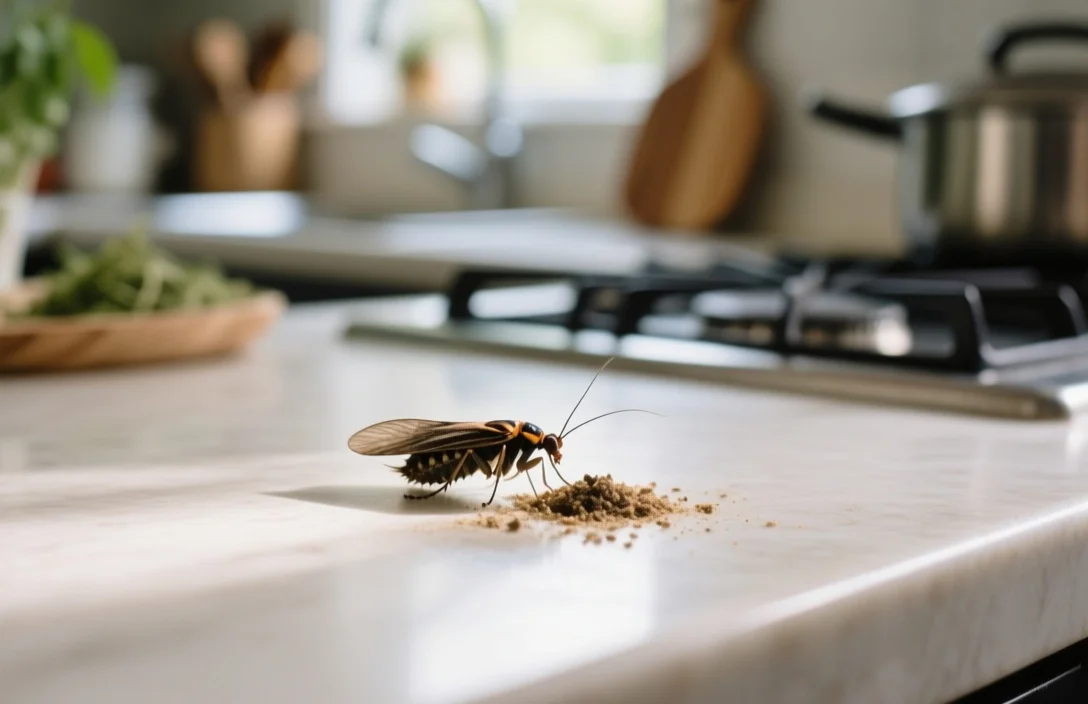
You can drive away adult pantry moths with essential oils like peppermint, lavender, and eucalyptus because these scents mask the pheromones that attract mates. A simple spray of water mixed with a few drops of peppermint oil works well on shelves, but you must reapply it every few days to maintain the scent barrier. Cedar blocks or chips also provide a natural deterrent by releasing oils that moths find unpleasant, though they lose effectiveness once the wood dries out.
You should wash all kitchen linens, including dish towels and oven mitts, in hot water with vinegar to strip away any lingering moth pheromones that might be clinging to the fabric. If you have wooden kitchen items like cutting boards or bowls, wiping them down with a mixture of water and lemon juice can help repel pests. Natural repellents are effective at keeping moths away from surfaces, but they cannot kill larvae hiding inside sealed packages of dry food.
Identifying Indian meal moth infestations in your pantry
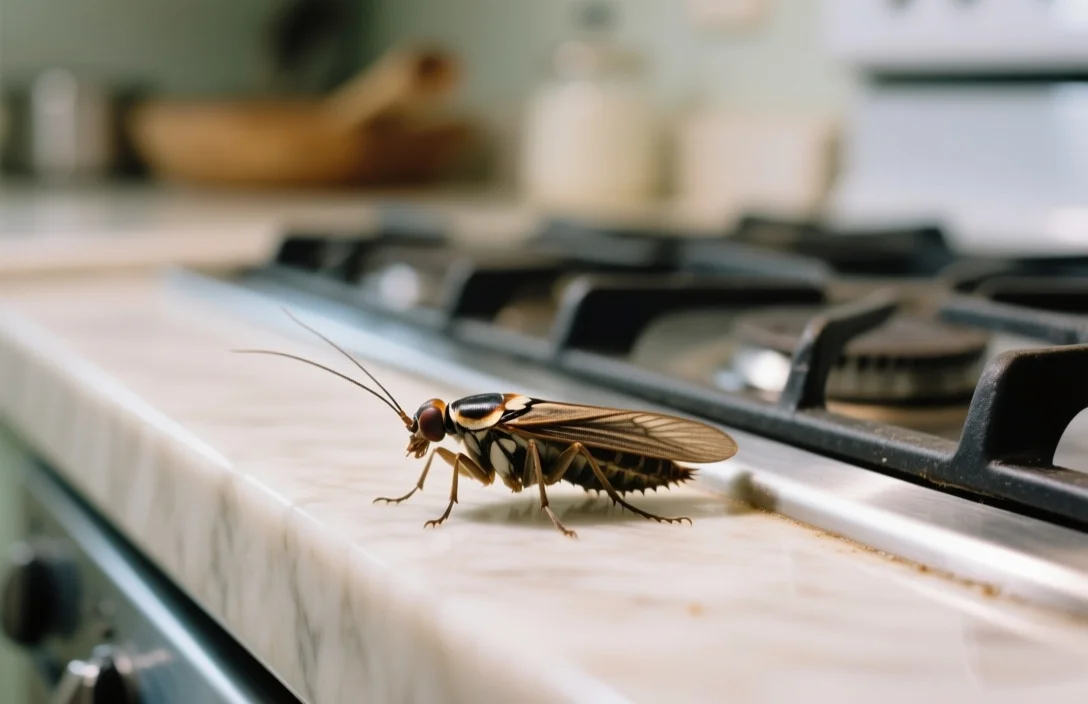
Indian meal moths are the most common pantry pest in the United States and are easily identified by their reddish-brown wings with a gray band across the middle. These moths are small, usually measuring about half an inch long, and you will often see them flying erratically near the ceiling or in corners of your kitchen. If you notice small worms crawling through your rice or flour, or find silken threads webbing around cereal boxes, you likely have an infestation.
Larvae are the most destructive stage of the moth life cycle and are typically white or pinkish with a brown head. You will usually find them inside packages of dry goods, particularly grains, nuts, seeds, dried fruit, and chocolate. Adult moths tend to hide in dark corners when not flying, so spotting one does not always mean you have a large infestation. Checking the back of your pantry shelves for webbing or small holes in food packaging is the best way to catch the problem early.
Deep cleaning steps for removing moth larvae and eggs
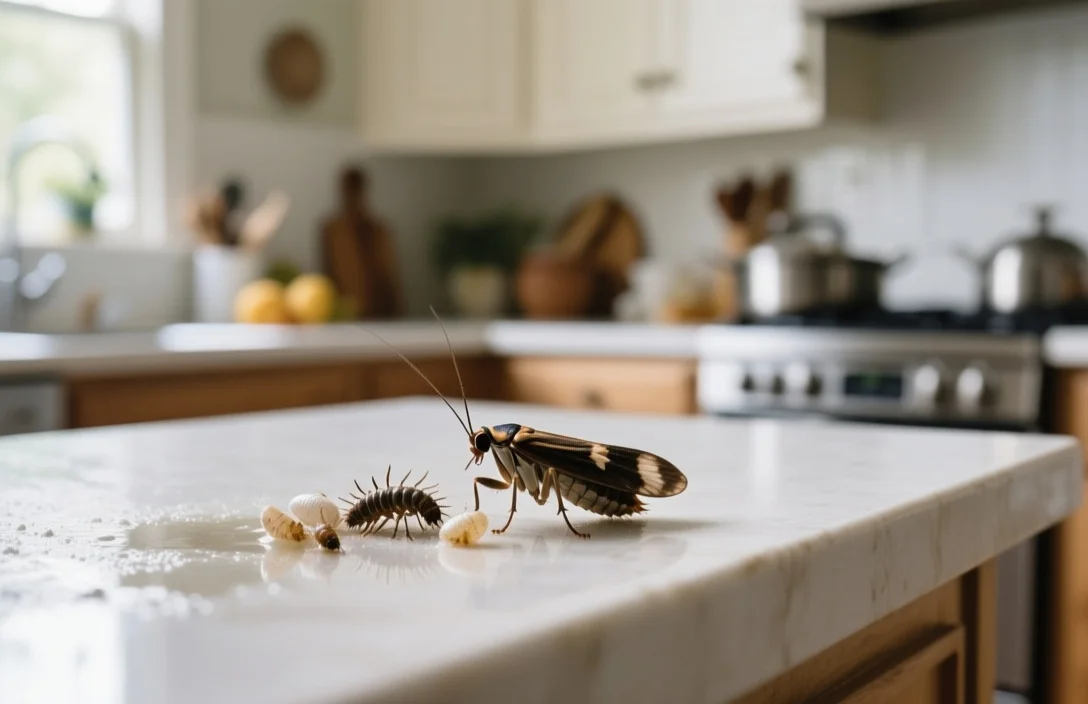
Removing every speck of silk and webbing from your shelves is critical for killing hidden larvae. You must start by emptying your entire pantry and placing all non-infested items in a clean, temporary location. Use a vacuum with a hose attachment to suck up any visible larvae, eggs, or webbing from the corners of the shelves, cracks, and crevices. Once you have vacuumed, wipe down every surface with hot, soapy water or a solution of water and vinegar to dissolve any remaining eggs.
You should discard any expired food or items that show even slight signs of damage, such as torn bags or sticky residue. Scrubbing the shelves with a stiff brush can help dislodge stubborn webbing that a cloth might miss. Pay special attention to areas behind the refrigerator, toaster, and cabinets, as moths often lay eggs in these hard-to-reach spots. A thorough cleaning removes the current population and prevents new moths from settling in the cleaned area.
Storing dry goods in airtight containers to prevent reinfestation
You must store all grains, flour, and cereals in glass or hard plastic airtight containers immediately after cleaning your pantry. Glass jars are the best choice because pantry moths cannot chew through the material, whereas soft plastic bags can be easily pierced by larvae. If you buy bulk items, transferring them to airtight containers right away stops moths from accessing the food supply. You should also label the containers with the purchase date to help you track how long the food has been stored.
Freezing bulk grains and nuts for at least 48 hours before storing them in the pantry kills any moth eggs or larvae that might be hiding inside the package. This step is essential when buying items in bulk or receiving food as a gift, as it ensures the product is pest-free before it enters your kitchen. Keeping your pantry organized and removing clutter also makes it harder for moths to find places to lay eggs. Airtight storage is your primary defense against future infestations.
Deploying pheromone traps to monitor adult moth activity
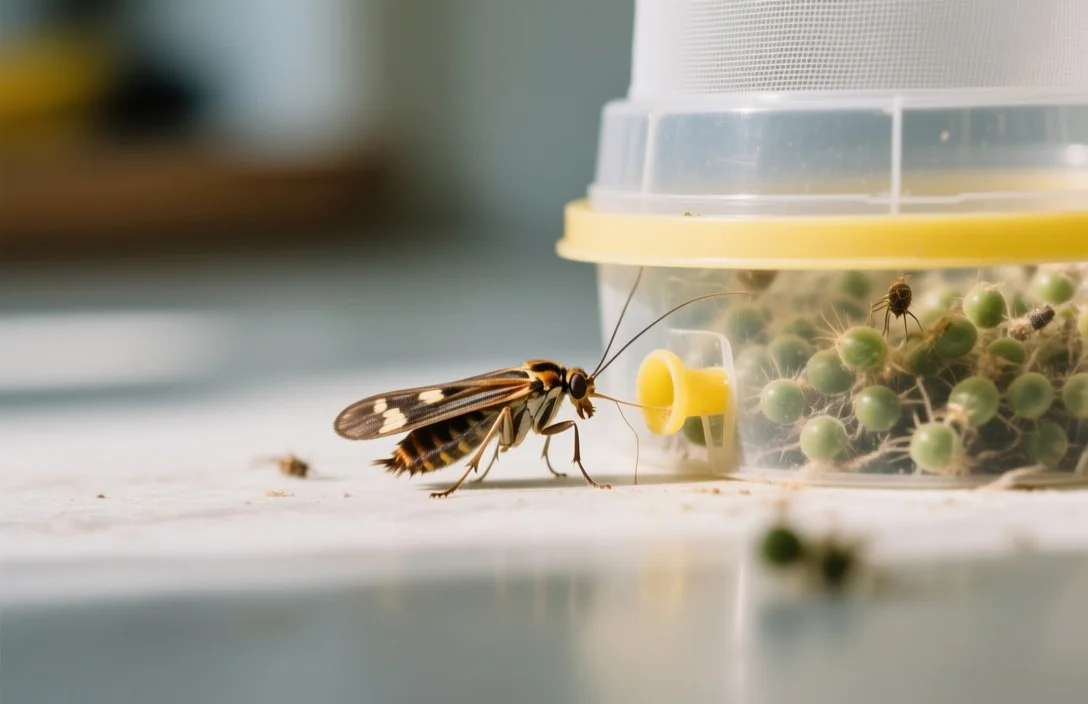
Pheromone traps use sex scents to lure male moths and stop them from reproducing, though they do not kill the larvae already present in your food. You should place one trap on each shelf of your pantry, positioning them high up on the walls away from direct sunlight. These traps are highly effective at monitoring the severity of an infestation and can help you determine if your cleaning efforts are working over time. Replace the traps every few months or when they become full of caught moths.
You should avoid relying solely on traps, as they only catch the flying adults and cannot penetrate sealed containers to reach larvae. Traps are most useful when used in conjunction with deep cleaning and airtight storage to provide a comprehensive pest control strategy. If you stop seeing moths in the traps after several weeks, your infestation is likely under control. Monitoring with traps gives you peace of mind that no new moths are hatching.
Safe disposal methods for contaminated food supplies
You should seal infested food in double plastic bags before throwing it away to prevent adult moths from escaping into your kitchen. If you leave contaminated food loose in a trash can or even a bag without a seal, the adult moths will emerge and continue to lay eggs in your pantry. Place the sealed bags in an outdoor trash bin rather than an indoor one to ensure they do not attract pests near your living space. Trash should be taken out frequently, especially during an active infestation.
If you suspect that an entire box of dry goods is contaminated, it is safer to dispose of the entire package rather than trying to salvage individual items. Moth larvae can easily chew through cardboard and thin plastic, so even if you can see the food, the interior might be full of webbing and eggs. You should also sanitize the trash can where you threw the infested food to remove any pheromones or moth residue that might attract other pests. Proper disposal stops the breeding cycle before it starts.
Kitchen moth prevention strategies for long term protection
Keeping your pantry organized and dry is the best way to stop another infestation from taking hold. You should practice the “first in, first out” rule by using older packages of food before opening new ones. Inspect every new package of dry goods, especially rice, pasta, and spices, before putting it on your shelf. Moths often hitchhike into homes on infested products bought at the store, so a quick visual inspection can save you hours of cleanup later.
Reducing clutter in your kitchen makes it harder for moths to find dark, undisturbed places to lay their eggs. You should also consider freezing bulk items for a few days when you first bring them home to kill any potential pests. Regularly checking the back of your pantry and behind appliances ensures that you catch a problem early before it becomes a full-blown infestation. Prevention requires vigilance, but a few simple habits will keep your kitchen moth-free.
FAQ
Can I just use vinegar to kill moth eggs?
Vinegar is not strong enough to kill moth eggs on its own, but it helps dissolve sticky residue and remove pheromones from surfaces. You should use hot, soapy water for deep cleaning to ensure you eliminate any eggs or larvae hiding in cracks. Vinegar is a great cleaning agent, but it cannot replace the need for thorough scrubbing and vacuuming.
How long does it take to get rid of a moth infestation?
You can expect to see a significant reduction in moth activity within two to four weeks of deep cleaning, sealing food, and setting traps. The process takes time because you must wait for the existing larvae to finish their life cycle and die off. Continued monitoring with pheromone traps helps confirm that the infestation is truly gone.
Do I need to hire a professional exterminator?
You rarely need to hire a professional for a standard pantry moth infestation, as these pests are easily managed with cleaning and proper food storage. A professional might be necessary if you find moths in your walls or flooring, which suggests the infestation has moved beyond the pantry. For most cases, a DIY approach is effective and saves money.
Are moth traps toxic to pets and children?
Pheromone traps are generally safe for pets and children because they use natural scents to attract insects rather than toxic chemicals. You should still place the traps in areas that are out of reach to prevent curious hands from touching them. The glue on the traps can be messy if touched, so keep an eye on where you place them.
Why do I keep finding moths even after I cleaned?
You keep finding moths because there are likely still larvae or eggs hiding in food packages you missed during cleaning. Moths can lay eggs in the tiny cracks of packaging that you cannot see without opening the bag. You must continue checking your dry goods and replacing the traps until you see no new moths for several weeks.