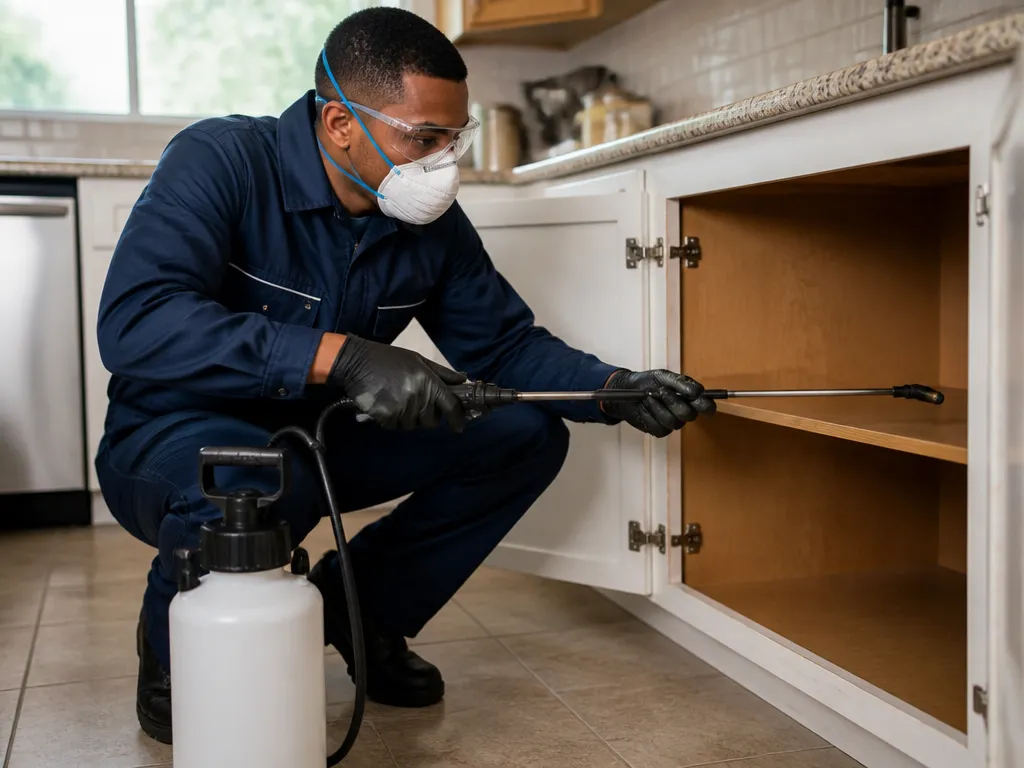
How To Get Rid Of Roaches In Kitchen Cabinets: 3 Tips
Roaches in kitchen cabinets usually disappear within 1 to 2 weeks when you remove food and water, place gel bait along their travel routes, and seal the gaps they use to get inside. Spraying every roach you see may provide a short-term reduction, but targeted bait works better because roaches eat it and carry it back along their routes.
Empty and clean the affected cabinets, discard contaminated food, place gel bait in small dots near corners and plumbing, and add glue traps to monitor activity. After treatment begins, seal gaps around pipes, cabinet bottoms, and wall penetrations so new roaches cannot keep entering.
Key Takeaways
- Start with safety. Keep children and pets away from bait, and never place bait in open food storage.
- Clean thoroughly. Vacuum cabinet seams, then wipe them with degreaser to remove grease and sticky residue.
- Use bait instead of relying on sprays. Gel bait targets roaches where they travel and hide.
- Monitor activity. Glue traps under sinks and behind cabinet items show whether treatment is working.
- Seal entry points. Close gaps around plumbing, cabinet bottoms, and wall penetrations with silicone caulk.
- Continue for 2 weeks. Replace bait and traps as directed until activity drops to near zero.
How to Get Rid of Roaches in Kitchen Cabinets
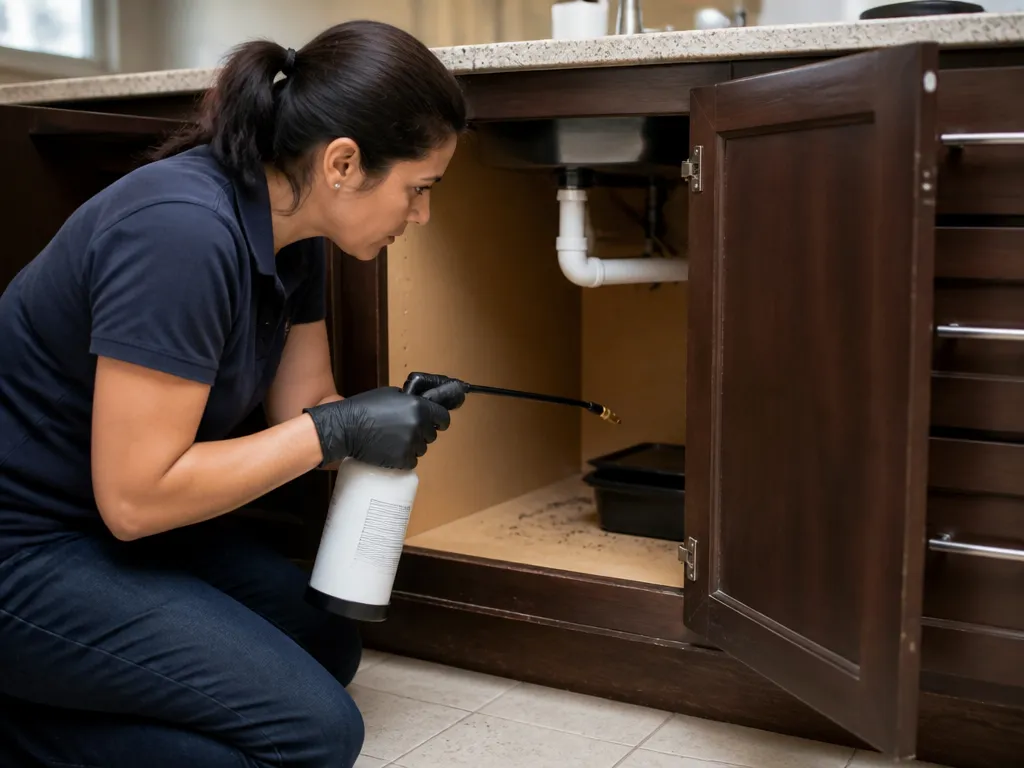
Clear the affected cabinets, discard infested food, vacuum the seams and corners, and wipe every surface with a degreasing cleaner. Once the cabinets dry, place gel roach bait and glue traps in targeted locations.
What You Need
- Vacuum with a crevice tool
- Degreasing cleaner and paper towels
- Trash bags and sealed containers for food
- Gel roach bait labeled for indoor cockroach control
- Glue traps for monitoring
- Silicone or acrylic caulk for sealing gaps
Treat the kitchen as one connected system rather than focusing on a single cabinet. Hidden roaches can return once visible activity drops, so inspect connected areas and continue monitoring.
The Best Order of Operations
- Remove everything from cabinets that show activity, and bag it.
- Vacuum corners, cabinet bottoms, seams, and the floor area under the cabinet.
- Wipe the surfaces with degreaser, then let them dry fully.
- Place gel bait in small dots inside cabinets and along edges.
- Add glue traps under sinks and behind cabinet items.
- Seal obvious gaps around plumbing and other access points.
- Replace bait on schedule – usually every 2 to 4 weeks, depending on the product label.
If you find small roaches near a spice cabinet and under-sink plumbing, treat both areas. Roaches may travel between them, and bait in only one cabinet can appear effective for a few days before activity returns.
Avoid Spraying Over Bait Areas
Wet surfaces can also make bait less attractive or smear it across the cabinet. If you already sprayed, let the surfaces dry completely, then focus on bait placement, monitoring, and sealing.
What Attracts Roaches to Kitchen Cabinets
Roaches need food, water, and shelter. In a kitchen, those resources often come from grease film, crumbs in cabinet seams, leaks under sinks, damp sponges, cardboard, and clutter that creates dark hiding places.
Food attraction is rarely limited to visible crumbs. Cooking oils and sticky spills leave residues that may look minor during the day but can feed roaches over time. A thin grease film in a cabinet corner can keep them returning.
Moisture often drives cabinet infestations even more strongly. A dripping faucet, slow drain, condensation, damp sponge, or leak around plumbing gives roaches a dependable water source. Fixing the leak can reduce activity, but cleaning and baiting are usually still necessary.
Check These Attractants First
- Grease and sticky residue on cabinet shelves
- Crumbs in drawer slides and cabinet edges
- Open bags of flour, cereal, pet food, or snacks
- Cardboard and clutter that provide hiding places
- Moisture under sinks, including damp sponges and spilled liquids
Check cabinet bottoms, the gap behind shelf liners, and the area around plumbing before spending time on less likely spots. These areas are easy to overlook and give roaches shelter close to food and water.
Where Roaches Hide Inside Cabinets and Under Sinks
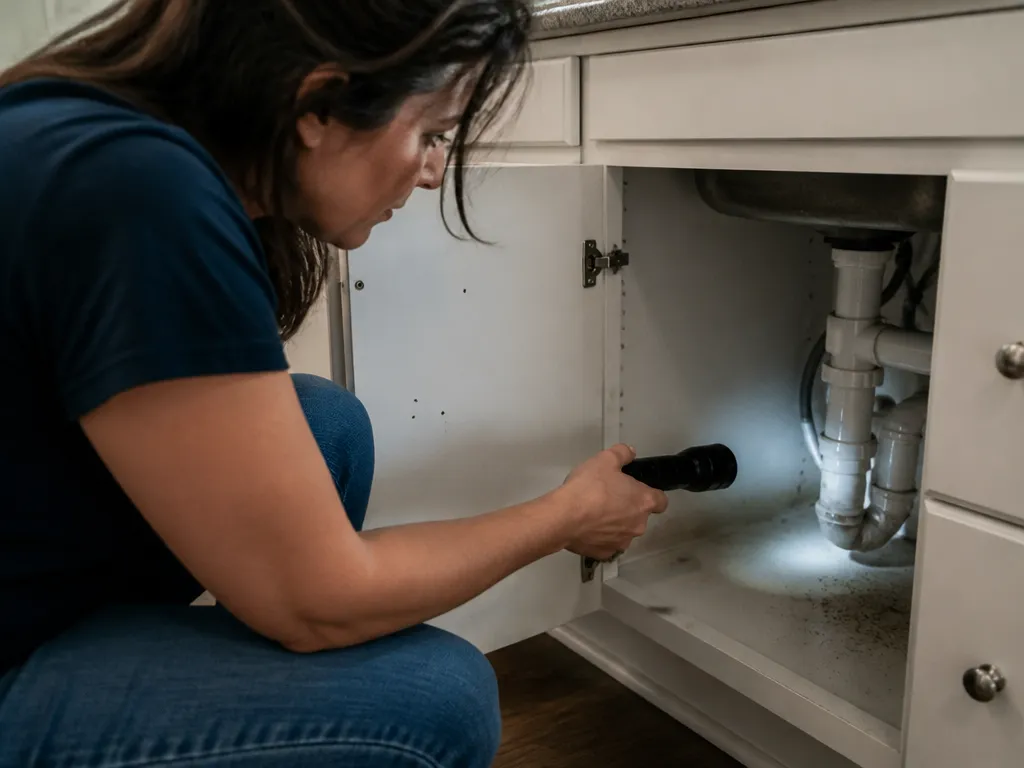
Roaches hide in dark, undisturbed spaces close to food and water. Inside cabinets, inspect shelf brackets, back-panel seams, corners, shelf undersides, and gaps behind stored items. Appliance cords, organizer rails, and wrinkled shelf liners can create additional hiding places.
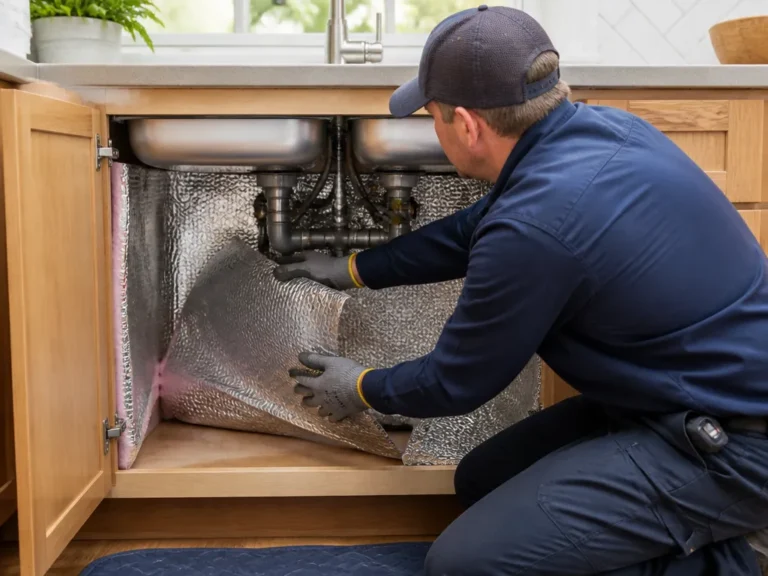
Under sinks is a high-priority inspection area. Check the underside of the sink, cabinet side panels, plumbing entry points, and any spot where moisture collects. Small droppings that look like dark specks or shed skins indicate regular activity rather than a single stray roach.
Fast Cabinet Inspection
- Use a flashlight and inspect corners at night if possible.
- Pull out shelf liners and check underneath for residue.
- Look behind and under storage organizers.
- Check under the sink for drips, dampness, staining, and gaps.
If roaches appear near the baseboard but not inside the cabinet during the day, the cabinet may still be part of their nighttime route. Place bait along cabinet edges and near the plumbing wall rather than treating only the spot where you saw them.
How to Remove Roach Food Sources and Clutter
Roach treatment often fails when accessible crumbs, grease film, and damp hiding places remain in place.
Empty the cabinets and discard anything contaminated or stored near an active infestation. Cardboard food boxes are especially vulnerable because roaches can hide in them and odors pass through easily. Move dry goods into airtight plastic or glass containers.
Vacuum before wiping so you pull crumbs and debris from seams instead of spreading them. Follow with a degreaser to remove oil film, then dry the cabinets completely. Bait works best on clean, dry surfaces.
De-Cluttering Rules
- Toss cardboard boxes stored in cabinets.
- Remove shelf liners if they are dirty or wrinkled with residue.
- Keep sponges out of cabinet storage when possible.
- Store trash in a lidded bin and wipe around it.
A simple test is how the shelf feels. If it still feels tacky after cleaning, grease remains for roaches to find. Degreaser and thorough wiping make the cabinet less attractive and keep bait from being smeared across a dirty surface.
Check Pet Food and Trash
Pet food and trash can sustain an infestation even after cabinets are cleaned. Move pet food into a sealed container and wipe the storage area. If trash bags or compost sit near the cabinets, clean around them daily while treatment is underway.
Which Roach Baits Work Best in Cabinets
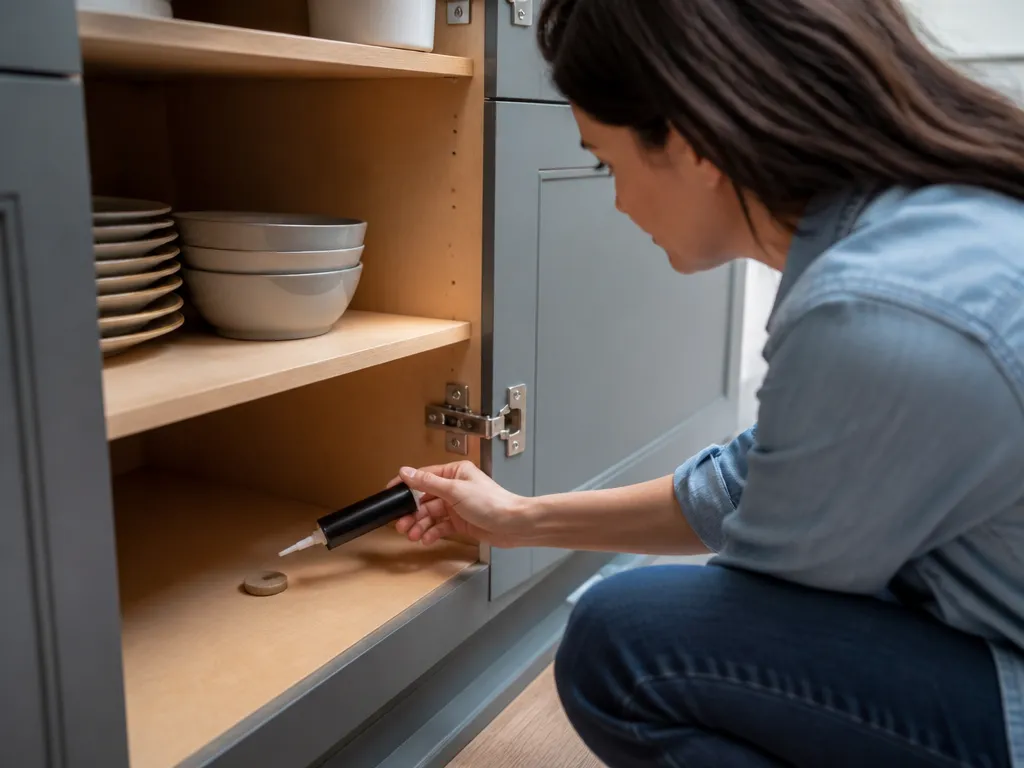
Choose a product labeled for cockroaches and approved for indoor use. Follow the label for placement, quantity, replacement, and safety. Avoid products that require complicated mixing or are intended for broad spraying when you need precise cabinet treatment.
Adding glue traps gives you useful feedback. The traps show whether roaches are still moving through a cabinet, under the sink, or near an entry point after treatment begins.
Choose Products by Placement
- Use gel bait for cabinet edges, corners, cracks, and hiding zones.
- Use glue traps under sinks and behind stored items to confirm traffic.
- Avoid foggers and surface sprays as your primary strategy.
How to Use Gel Bait and Glue Traps
Apply gel bait in small dots rather than smearing it across a large surface. Multiple small placements give roaches more chances to encounter bait along their routes and create less mess inside the cabinet.
Place dots in cabinet corners, along the back seam, beside stored items, and near plumbing entry points. If you see a consistent trail, place bait at route intersections – such as the side wall connecting the cabinet interior to under-sink plumbing.
Glue traps measure activity and help you adjust placement. Put them under sinks, behind cabinet items, and near entry points. Keep them away from food-preparation areas and locations where children or pets can reach them.
Gel Bait Placement Rules
- Use small dots, following the product label. A product may give pea-sized guidance, but place less if the label instructs you to do so.
- Keep bait away from open food and food-contact surfaces.
- Place bait behind and beside items, not only on open shelves.
- Replace bait according to the product label.
Glue Trap Placement Rules
- Position traps along walls and known travel routes.
- Check them every few days at first.
- Check them less often once activity drops.
- Replace them when they fill or when the product’s effective period ends.
If traps under the sink catch roaches but cabinet traps do not, place more bait inside cabinet corners near the plumbing wall. The roaches may be using one main corridor rather than moving across every shelf.
How to Seal Cabinet Entry Points
Sealing reduces the chance that new roaches will replace the ones you eliminate. Pay attention to plumbing holes, gaps around cabinet bottoms, wall penetrations, spaces behind appliances, and openings around pipes or cords.
Use silicone or acrylic caulk, depending on the surface, to close gaps you can safely reach. In kitchens, prioritize the openings where sink pipes enter the cabinet and the gaps around cabinet base panels. Daylight or noticeable airflow indicates an opening worth sealing.
Do not try to seal inaccessible wall cavities or take on major drywall repairs without the right skills. Closing the obvious, reachable routes is enough to improve the results of bait and traps.
High-Priority Sealing Targets
- Gaps around sink plumbing and drain lines
- Spaces around cabinet floor edges and side panels
- Cracks near electrical outlets in adjacent areas
- Widened gaps where pipes or cords run
Begin cleaning and bait placement before sealing every gap. If you seal too early, you may force roaches into less accessible areas where they avoid the bait. Once bait is working, sealing the main routes helps prevent new arrivals and reduces the need for constant replacement.
FAQ
How long does it take to get rid of roaches in kitchen cabinets?
Most people see a noticeable reduction in 1 to 2 weeks when they use gel bait correctly and remove food access. If activity does not decrease after that, check the glue traps to confirm where roaches are still traveling. Add bait dots to those edges and inspect under-sink plumbing for moisture and entry gaps.
What is the cheapest way to fix a roach problem in cabinets?
A thorough cleaning followed by gel bait and glue traps is usually the lowest-cost approach. Start with 2 to 4 bait placements per cabinet area and add traps under sinks.
Are roach baits safe around kids and pets?
Roach bait can be used safely when you follow the label directions and keep it out of reach. Place it in cracks and along cabinet edges that children and pets cannot access. Keep it away from open food containers, and store food in sealed containers during treatment.
Can I use spray pesticides on kitchen cabinets instead of bait?
You can, but follow the product label and keep treated surfaces away from food-preparation areas. If you already sprayed, let the surfaces dry fully before placing bait and monitoring activity with glue traps.
What is the most common mistake when treating roaches in cabinets?
The most common mistake is cleaning once, placing bait in one spot, and stopping too soon. Roaches move between cabinets and under-sink plumbing, so treatment requires multiple bait locations, continued monitoring, and replacement according to the product schedule. If glue traps still catch roaches, adjust bait placement before assuming the treatment failed.