Why Do Plastic Food Storage Containers Warp
Plastic food storage containers warp when the plastic gets unevenly heated, then cools down in a slightly different shape than it started. That happens more often with thinner containers, older plastics, and any container that sees repeated cycles of heat and cold. The practical answer is simple: most warping is shrink-and-stress, driven by temperature swings and weak structural design. In this guide, you’ll learn what causes the warping, what to check next, and how to slow it down.
Plastic warps mainly because uneven heating creates internal stress, and cooling “locks in” the new shape. Expect warping to show up after microwaving, hot-water rinsing, dishwasher heat cycles, or leaving containers in a hot car. A quick check is whether the base lifts, the lid no longer fits, or the container feels thicker at ribs – those are stress patterns you can prevent.
Key Takeaways
- Heat creates uneven stress. Hot spots expand the plastic, and uneven cooling leaves it permanently deformed.
- Dishwashers accelerate warping. High heat and long cycles are a common trigger, especially on thin lids and bases.
- Microwaves are risky. Heating food unevenly can overheat one side of the container.
- Plastic blend matters. Some plastics tolerate temperature cycling better than others, even if they look identical.
- Cold shocks make it worse. Moving from hot to very cold can amplify the twist and bow.
- You can reduce it fast. Use lower heat, avoid direct boiling liquids, and let containers cool gradually.
What to Know About why do plastic food storage co
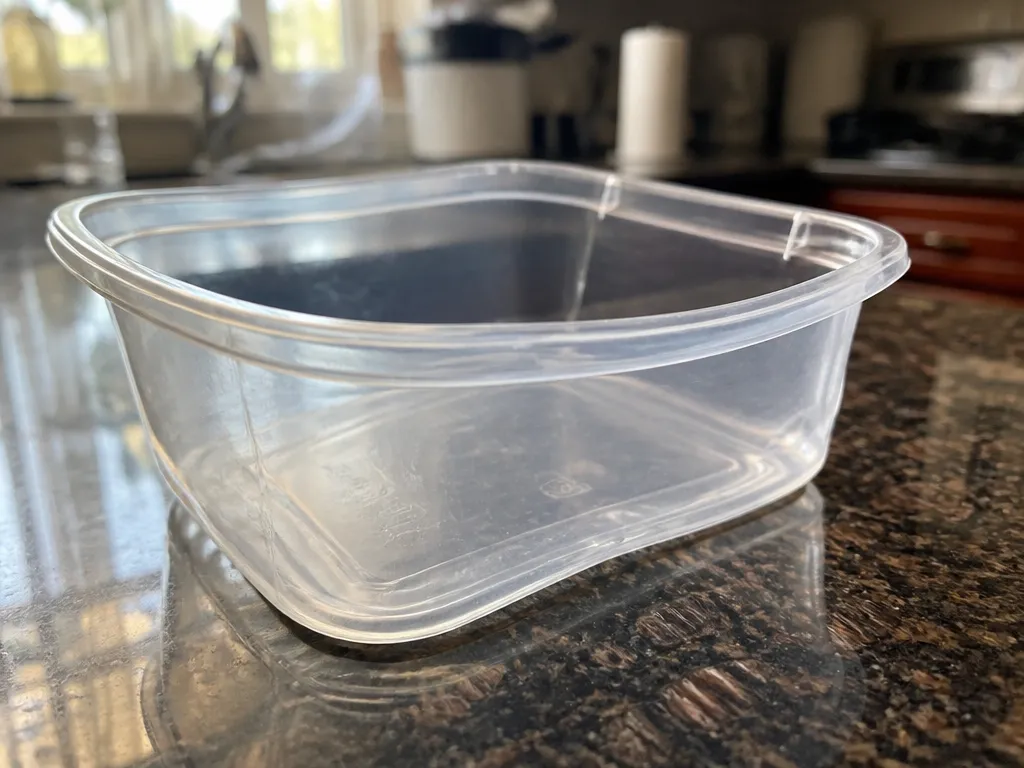
Plastic warping is usually permanent shape change caused by thermal stress, not “melting” in the dramatic sense. Most storage containers are made from polymers that soften when hot, then reshape as temperatures even out. If one side warms more than the other, that side expands first, then the container cools with leftover stress.
Temperature cycling is the main culprit: warm food, hot rinsing, dishwasher heat, microwave reheating, then cooling on a counter or in the fridge. Repeated cycles make the container gradually less able to “snap back,” especially if the plastic is thin or has molded features like lids, corners, and ribbing. Warping often shows up as a bowed base, a lid that won’t seat, or a container that rocks on a flat surface.
Things that matter most
Warpage is a predictably mechanical outcome of expansion, constraint, and cooling. When the plastic expands, it has to “go somewhere,” but the container has thickness changes, ribs, and corners that constrain movement. Uneven heating (one region getting hotter) creates uneven expansion, and cooling locks the mismatch into place.
Three practical drivers come up again and again in real kitchens. First is direct heat (microwave hot spots, stovetop proximity, boiling-water rinsing). Second is high-heat washing (dishwashers can expose plastic to hotter water and longer drying heat than people expect). Third is rapid thermal change (hot container straight into a cold fridge or freezer, or onto a cold countertop).
Here’s a simple way to think about risk without needing lab equipment:
| Scenario | Typical warping risk |
|---|---|
| Warm food storage at room temp, brief | Lower |
| Hot food poured into container immediately | Medium |
| Hot-water rinse, especially very hot | Medium to high |
| Dishwasher, heat-dry | High |
| Microwave with uneven heating | High |
| Hot container to freezer | Very high |
This isn’t a guarantee, but it matches how most people observe damage: warping tends to correlate with maximum temperature exposure and the number of temperature cycles.
Tips for why do plastic food storage co
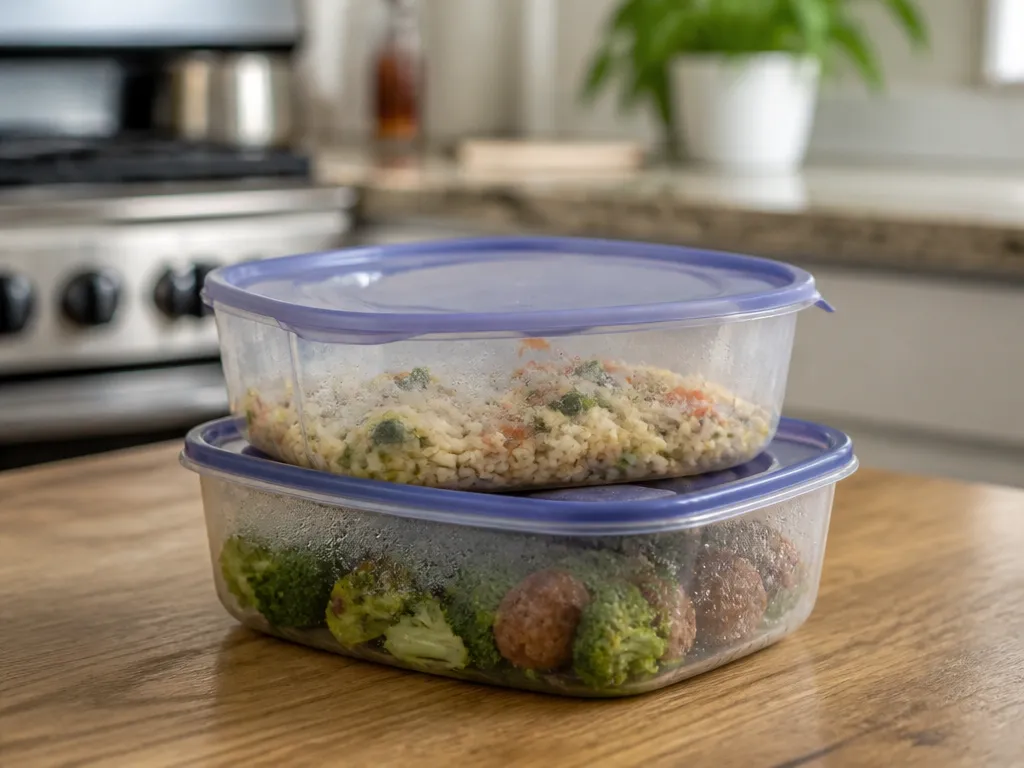
Start with the container’s thermal limits, because every “safe” routine depends on the plastic and the manufacturer’s guidance. If you see a temperature rating on the bottom or side, follow it exactly. If you cannot find a rating, be conservative: treat the container as not microwave-safe unless it is specifically labeled for microwave use.
When reheating, avoid heating the container itself as a hot object. A safer pattern is microwaving food in a microwave-safe dish, then transferring into the storage container after it cools slightly. If you do microwave in the container, stir halfway and keep heat time short, because microwaves heat unevenly and create one-side hot spots.
For cold storage, let the container cool gradually before the fridge or freezer. For hot storage, avoid pouring boiling or near-boiling liquids into the container. Even if the plastic doesn’t visibly soften, internal stress can still form as it cools. Also, check the lid: lids warp fast because they are often thinner, have more molded interfaces, and are more sensitive to heat and steam cycles.
Benefits of why do plastic food storage co
Knowing the real cause helps you stop wasting time trying random fixes. Warping is not a “cleaning problem,” so scrubbing, degreasing, or replacing odor control won’t reverse the deformation. The benefit of this understanding is that you can target prevention: reduce temperature peaks, reduce uneven heating, and avoid rapid heat-to-cold jumps.
Another benefit is safer handling and better food storage performance. A warped base can create gaps in how lids seat, which increases the chance of air exchange and quicker drying of food. Even mild warping can mess with stacking, spill resistance, and the fit of gaskets (if your lids have them). Preventing warping keeps your container doing what it was designed to do.
Finally, you save money by choosing the right container for the job. If something is frequently used for reheating or dishwasher cycles, it’s often better to use a container rated for that use. If it is mostly for fridge storage, you can accept lower heat tolerance and focus on cooling and fit.
Options for why do plastic food storage co
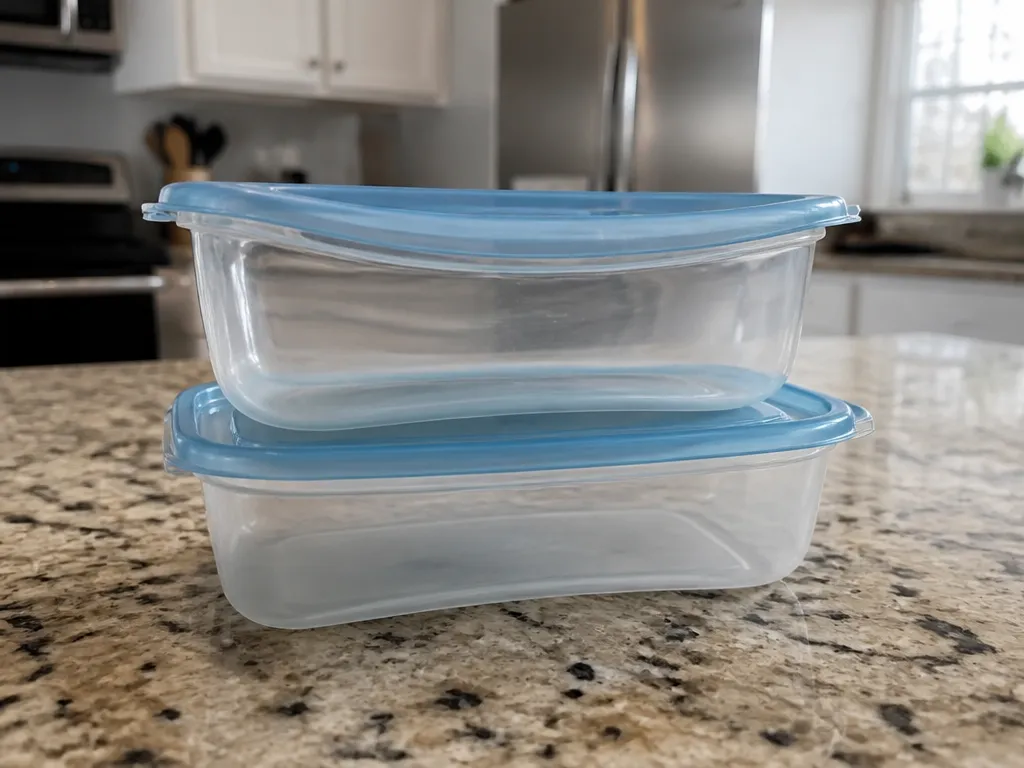
You have several practical options, and the “best” one depends on how you use containers. If your main use is fridge-only storage, you can keep plastics but change habits: avoid dishwasher heat-dry, avoid microwaving directly, and let contents cool before sealing. If your household regularly reheats leftovers in containers, you’ll get fewer warping problems with containers specifically rated for microwave or high-heat use.
Material choice also matters. Glass containers are generally more heat-tolerant and resist warping from temperature cycling, but they can be heavy and break if you drop them. Stainless steel resists heat well but can be less convenient for everyday storage if you want to freeze everything. High-quality plastics designed for thermal cycling can work well, but “plastic” is a broad category, so labels matter.
If you’re shopping, prioritize these selection points:
- Look for microwave- and dishwasher-safe labeling that matches your exact use.
- Choose thicker walls and reinforced bases if you microwave or wash hot.
- Match lid type to heat exposure; lids often fail before containers.
- Replace containers showing base bowing since lids may no longer seal.
If you want a quick “buy decision rule,” use this: if a container warps even once during your normal routine, treat it as too heat-sensitive for that routine and replace or change how you heat and cool.
Expert Advice on why do plastic food storage co
Don’t chase a “universal warping temperature.” The exact threshold varies by polymer type, additives, and thickness, and the container’s molded shape plays a huge role. The best expert move is to follow labeling and control the heat pattern, because uneven heating is usually what creates lasting stress.
Here are the habits that consistently reduce warping in normal U.S. use:
- Lower the heat exposure. Avoid heat-dry settings for dishwasher cycles when possible.
- Avoid microwaving with maximum steam and uneven power. Use stirring and shorter bursts.
- Cool before sealing. Let hot food sit briefly uncovered until it is no longer “scalding hot.”
- Prevent hot-to-cold shocks. Don’t move from hot countertop conditions straight into a freezer.
- Inspect base flatness. If it rocks on a flat surface, the container has already started failing.
If you’re trying to salvage a warped container, there’s a limit. Warped plastic is still often usable for dry fridge storage, but if it no longer seals, use it sooner rather than assuming it will behave like an airtight container. If the plastic looks cloudy, has cracks, or feels brittle, replace it. Even without “melting,” polymer aging can reduce toughness.
why do plastic food storage co?
For instance, consider a leftover container that gets rinsed with very hot water after cooking. The water may not be enough to melt the plastic, but it can heat one side of the container faster than the other, especially if the stream hits directly or the container is partially submerged. As it cools on the counter, it can develop a slight twist that grows with the next dishwasher or microwave cycle.
For example, a container used for microwaving might warp on one side first. Microwaves heat unevenly, so the side closest to the hot spot warms more. Even a few degrees of differential, repeated across several meals, can be enough for the plastic to take a permanent set, especially for lids and corners.
In practice, the easiest “diagnosis” is to compare your warping pattern to your heat pattern. If the base bows upward in the center, think high heat from bottom heating (dishwasher racks, heat-dry, hot countertop surfaces). If the lid doesn’t fit anymore, think lid-specific heat exposure and the container-lid interface. If only certain containers in your collection warp, the odds are that those plastics are more sensitive or thinner, not that your kitchen has some abnormal temperature.
FAQ
What to Know About why do plastic food storage co
Thin lids often warp faster than bases because they heat and cool more quickly. Check the label and inspect whether the base still sits flat and the lid still seals before continuing to use a warped container.
Things that matter most
A practical inspection should focus on the lid seal and the container’s stability on a flat surface. These checks show whether warping has begun to affect storage performance.
Tips for why do plastic food storage co
Shorter heating periods, gradual cooling, and avoiding heat-dry settings can extend the useful life of containers. Follow the specific temperature guidance printed on each container.
Benefits of why do plastic food storage co
Preventing deformation helps preserve stacking, spill resistance, and gasket fit. Replacing one container that no longer performs well can be more practical than continuing to use it for sealed storage.
Options for why do plastic food storage co
Glass and stainless steel are alternatives for frequent reheating. For plastic, choose thicker reinforced designs with labels that match the intended use.
Expert Advice on why do plastic food storage co
Different plastics respond differently to heat, so the container’s labeling is more useful than a universal temperature estimate. Replace any container that rocks or no longer seals.
why do plastic food storage co?
Tracking whether warping follows microwave, dishwasher, or hot-water exposure identifies the routine that needs to change.
FAQ
Why do plastic food storage containers warp even if I’m not microwaving?
Dishwashers are the most common reason, especially heat-dry cycles and long hot-water phases. Hot-water rinsing soon after cooking can also create uneven heating. If you store containers in a hot car or near a heat source, temperature cycling still pushes the plastic toward a new shape. Even without microwaving, repeated heat and cooling can warp thinner lids first.
Is warping dangerous for food?
Warping itself doesn’t automatically mean the container is unsafe, but it is a warning sign that the plastic has been stressed and aged. If the container cracks, becomes cloudy in a sudden new way, develops roughness, or the lid no longer seals, replace it. For normal fridge use, many people keep using mildly warped containers, but if you cannot maintain a seal, food quality drops faster and you should replace sooner.
Can warped plastic containers be fixed or unwarped?
You usually cannot reliably unwarp molded plastic once it has taken a permanent set. Attempts to heat and reshape can create more stress and lead to further distortion. The practical approach is prevention going forward, then retirement for containers that no longer sit flat or seal. If you want a second chance, test only with non-food liquids and inspect closely, but replacement is typically the real solution.
What’s the most common mistake that causes warping?
Microwaving directly in the plastic container, then leaving it hot for a long time, is a frequent cause because microwaves create hot spots. Another common mistake is pouring very hot or boiling liquid directly into the container and sealing immediately. Hot-to-cold shocks, like moving from warm to freezer conditions, also accelerate deformation. If you want fewer warps, cool briefly before sealing and keep dishwasher settings lower.
What’s a good alternative if my containers keep warping?
Use glass containers for reheating and dishwasher use, and keep plastic for room-temperature or fridge-only storage. If you prefer plastic, buy containers explicitly labeled for both microwave and dishwasher use, and choose thicker reinforced designs. Stainless steel lunch containers can work well for heat retention and freezing, depending on your lid type. The key is matching the material and label to your actual heat routine.
Warping usually comes down to one thing: uneven heating plus repeated temperature cycles. Your next step is to check the label for microwave and dishwasher instructions, then stop microwaving or heat-drying the containers you notice warping. If your lids no longer seal or the base rocks on a flat surface, replace those containers for better storage performance.