
How To Keep Kitchen Smelling Fresh: 6 Effective Tips
A kitchen that smells clean makes your entire home feel more inviting, but persistent odors from cooking, trash, and drains can quickly ruin the atmosphere. You can maintain a neutral, pleasant environment by addressing the sources of these smells rather than simply masking them with artificial fragrances. This guide provides actionable steps to eliminate unwanted scents and keep your culinary space smelling crisp every day.
Maintaining a fresh-smelling kitchen requires a combination of consistent cleaning habits, proper food storage, and active ventilation strategies. By targeting the bacteria and organic matter that cause odors, you can keep your kitchen smelling clean without relying on synthetic sprays. A well-managed kitchen typically remains odor-free when you prioritize moisture control and regular waste disposal.
Key Takeaways
- Neutralize odors naturally. Use baking soda or white vinegar to absorb and break down smells instead of masking them with chemical perfumes.
- Store food properly. Keep perishable items in airtight glass or plastic containers to prevent odors from leaching into your refrigerator and pantry.
- Clean surfaces daily. Wipe down countertops and stovetops immediately after cooking to stop grease and food particles from hardening and collecting dust.
- Manage trash bins. Line your garbage cans with sturdy bags and sprinkle baking soda at the bottom to neutralize smells before they escape.
- Improve air circulation. Open windows or run your range hood fan during and after cooking to vent moisture and airborne grease particles outside.
- Maintain your drains. Flush your kitchen sink drain weekly with a mixture of hot water, vinegar, and baking soda to clear hidden debris.
How to Keep Kitchen Smelling Fresh with Natural Deodorizers
Natural deodorizers work by neutralizing odor molecules at the source rather than layering scents on top of them. Baking soda remains the gold standard for this task because its alkaline nature reacts with acidic odor compounds, effectively canceling them out. You can keep an open box of baking soda in the back of your refrigerator or under the sink to act as a passive air filter that lasts for up to three months.
White vinegar serves as a potent, non-toxic alternative for surface cleaning and air purification. When you need to remove a lingering smell from the air, boil a small pot of water with a half-cup of vinegar for ten minutes. This process releases steam that binds to airborne grease and food particles, dragging them down to surfaces where they can be wiped away.
For a more pleasant scent profile, consider these natural additions:
- Lemon peels. Simmer leftover lemon or orange rinds in water to release natural citrus oils.
- Coffee grounds. Place dried, used coffee grounds in a small bowl to absorb heavy odors.
- Essential oils. Add a few drops of eucalyptus or tea tree oil to a spray bottle of water for a quick antimicrobial mist.
- Activated charcoal. Use charcoal bags in pantry corners to trap moisture and musty smells.
How to Keep Kitchen Smelling Fresh Through Proper Food Storage
Food odors originate from trapped gases released during the natural decomposition of organic matter. Airtight containers are your best defense against these smells because they prevent volatile organic compounds from circulating in your kitchen. Glass containers with silicone seals are particularly effective because they do not absorb odors like some porous plastic containers do over time.
You should also audit your pantry and refrigerator contents at least once a week to identify items approaching their expiration date. Produce like onions, potatoes, and garlic can release strong odors even when they appear healthy. Store these items in well-ventilated baskets away from direct sunlight to slow their decay and keep your storage area smelling neutral.
| Storage Item | Best Practice | Odor Prevention Benefit |
|---|---|---|
| Raw Meat | Airtight glass | Prevents juices from leaking and causing bacteria buildup. |
| Cut Onions | Sealed container | Stops sulfur compounds from permeating the fridge. |
| Bulk Grains | Hard plastic bins | Keeps moisture out and prevents musty, stale smells. |
| Leftovers | Shallow containers | Cools faster and reduces the time food sits in the danger zone. |
How to Keep Kitchen Smelling Fresh with Effective Cleaning Methods

Consistent cleaning prevents the accumulation of grease, which is the primary culprit behind long-term kitchen odors. Grease acts as a magnet for dust and bacteria, creating a sticky film on cabinets and walls that slowly off-gases unpleasant scents. Wipe your stovetop and the wall directly behind it with a degreasing agent after every meal to keep this film from forming.
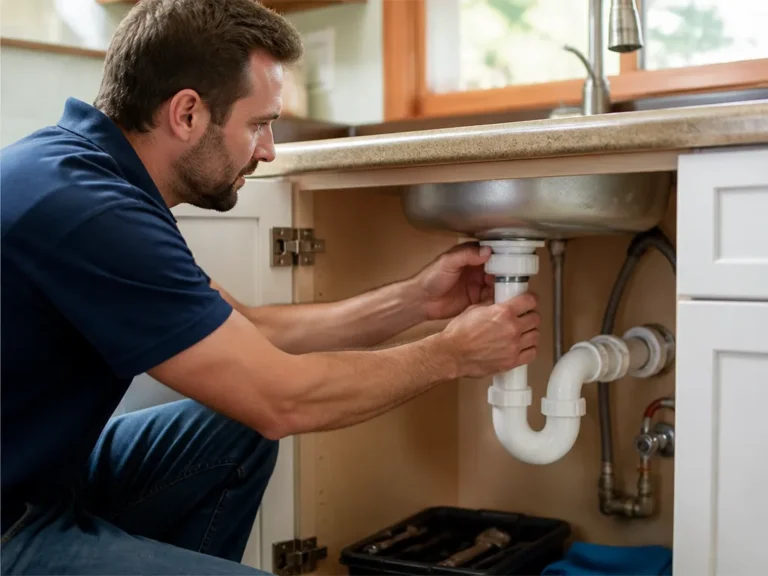
Your kitchen sink drain often hides decomposing food particles that go unnoticed until they start to smell. Perform a weekly deep clean by pouring a half-cup of baking soda followed by a half-cup of white vinegar down the drain. Let the mixture fizz for five minutes, then flush it with a kettle of boiling water to push the debris through the pipes.
How to Keep Kitchen Smelling Fresh by Eliminating Garbage Odors
Garbage odors are almost always the result of trapped moisture and bacteria inside your bin. You can mitigate this by ensuring your trash can has a tight-fitting lid and using a liner that is thick enough to prevent punctures. If you notice a persistent smell, scrub the interior of the bin with a mixture of dish soap and hot water, then allow it to dry completely in the sun before adding a new bag.
Sprinkling a thin layer of baking soda or cat litter at the bottom of your trash can provides an extra layer of protection. These materials absorb any liquids that accidentally leak from the bag, preventing them from pooling at the base of the bin. If your kitchen generates a lot of food waste, consider keeping a separate, smaller compost bin that you empty daily to prevent the main trash from becoming a source of rot.
How to Keep Kitchen Smelling Fresh with Proper Ventilation

Ventilation is the most effective way to remove airborne grease and moisture that cling to your kitchen surfaces. Always switch on your range hood fan before you start cooking and leave it running for at least ten minutes after you finish. This ensures that the fan captures the smoke and steam before it has a chance to settle on your walls, ceiling, or curtains.
If your kitchen lacks a powerful exhaust system, create a cross-breeze by opening windows on opposite sides of the room. A small box fan placed in a window facing outward can effectively pull stale air out of the kitchen, preventing odors from drifting into the rest of the house. During humid months, consider using a dehumidifier to keep moisture levels low, as high humidity makes odors feel heavier and more difficult to remove.
How to Keep Kitchen Smelling Fresh When Cooking Strong-Smelling Foods
Certain ingredients like fish, broccoli, and curry contain sulfur compounds that linger in the air long after the meal is served. You can neutralize these scents by keeping a bowl of white vinegar on the counter while you cook to attract and absorb the odor molecules. Alternatively, simmer a pot of water with cinnamon sticks, cloves, or fresh rosemary to provide a clean, aromatic override to the cooking smells.
If you are frying food, try to keep the kitchen door closed to prevent the smell from traveling to other rooms. Use a splatter screen on your pans to minimize the amount of oil that escapes into the air, as airborne grease is the most difficult scent to remove from upholstery and curtains. Once cooking is finished, wash your cutting boards and utensils immediately in hot, soapy water to remove the pungent oils left behind.
FAQ: Kitchen Smell Prevention and Removal
Why does my kitchen smell even after cleaning?
The smell is likely trapped in porous materials like wooden cutting boards, grout lines, or the underside of cabinets. Check your kitchen sponge, which often harbors bacteria and odors, and replace it weekly. Also, inspect the seal around your refrigerator door for mold growth, as this is a frequent, hidden source of kitchen smells.
Can I use essential oils to cover up bad kitchen smells?
Essential oils are better used as an addition to a clean space rather than a replacement for cleaning. If you use them, choose crisp scents like lemon, peppermint, or lavender to complement the environment. Be aware that masking a bad odor with a strong perfume often results in an unpleasant mixture of the two, so always address the root cause first.
How often should I clean my kitchen trash can?
You should perform a deep cleaning of the trash can at least once a month or whenever a leak occurs. Use a disinfectant spray or a vinegar-based solution to wipe down the inside and outside, including the lid and the rim. Drying the bin thoroughly is essential, as any remaining moisture will encourage the growth of odor-causing mold and bacteria.
What is the fastest way to get rid of burnt food smells?
Boil a pot of water with a tablespoon of vanilla extract or a few slices of lemon for 15 minutes. The steam will permeate the air and help neutralize the burnt scent. Simultaneously, open all windows and run a fan to physically push the smoke and odor particles out of the kitchen as quickly as possible.
Does a garbage disposal need special maintenance to stay fresh?
Yes, garbage disposals accumulate food scraps that can rot if not cleared away. Grind up a handful of ice cubes along with a few lemon peels to scrub the disposal blades and freshen the drain. Avoid putting grease, coffee grounds, or fibrous vegetables down the disposal, as these items can create blockages that lead to persistent, foul odors.
Frequently Asked Questions
How often should I replace the baking soda in my refrigerator to keep it smelling fresh?
Replace the baking soda in your refrigerator every 3 months for optimal odor absorption. If you notice persistent smells before then, swap it out sooner. Keep the box open and place it near the back where air circulates most.
Can I use apple cider vinegar instead of white vinegar to clean my kitchen and remove odors?
Yes, apple cider vinegar works similarly to white vinegar for cleaning and deodorizing. However, it may leave a mild scent behind, which some people find more pleasant. For odor removal, white vinegar is typically preferred because it’s scent-neutral once dry.
What’s the best way to clean a garbage disposal that smells bad?
Pour a half-cup of baking soda into the disposal, followed by a half-cup of white vinegar. Let it fizz for 5-10 minutes, then flush with boiling water. For stubborn odors, grind ice cubes and lemon peels to clean the blades and freshen the drain.
How do I prevent my wooden cutting boards from absorbing cooking odors?
Scrub wooden cutting boards with coarse salt and lemon juice after each use to neutralize odors. Let them dry completely in an upright position to prevent moisture buildup. Occasionally, rub them with food-grade mineral oil to maintain their natural barrier against smells.
Is it safe to use essential oils in my kitchen for freshening the air?
Yes, essential oils like eucalyptus, tea tree, or citrus are safe for air freshening when used properly. Dilute a few drops in water and mist lightly, or add them to a simmering pot of water. Avoid direct contact with food surfaces and never ingest them.