How To Use A Rice Cooker For More Than Rice
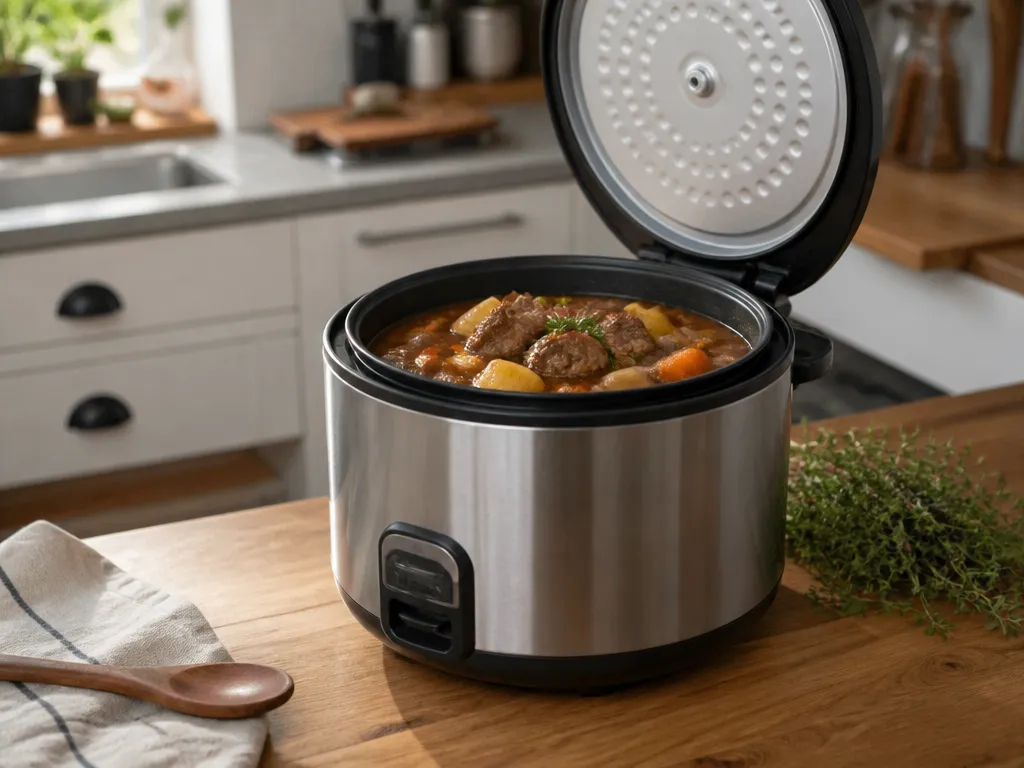
Rice cookers are basically programmable steam and heat machines. With the right timing and a few simple prep rules, you can cook oatmeal, congee, beans, dumplings, and steamed vegetables in the same pot. This guide shows how to use a rice cooker for more than rice, including settings, water ratios, and what to do when things overflow or dry out.
Rice cooker meals beyond rice work because most models heat by temperature and then switch to warm, which is useful for simmering and gentle steaming. Use the “Cook” mode until the food reaches doneness, then switch to “Keep Warm” for a short hold. For most non-rice foods, plan on using less liquid than you think and check early at the 10-20 minute mark.
Key Takeaways
- Use quick checks. Start checking at 10 minutes, because non-rice foods cook at different rates than white rice.
- Use the right water. Thicker foods (congee, oatmeal) need more water than beans, but still less than “cookbook soup.”
- Steam with a basket. Dumplings and vegetables need steam, not full submersion, to avoid sticking and mush.
- Rinse starchy grains. Rinsing oats and rice reduces foaming and helps you get a smoother congee.
- Hold food briefly. “Keep Warm” is for holding, not finishing, so keep times short to prevent drying.
- Prevent overflow. Use a pot insert with headspace and cap foaming foods by using slightly lower heat or less liquid.
How To Use a Rice Cooker for More Than Rice
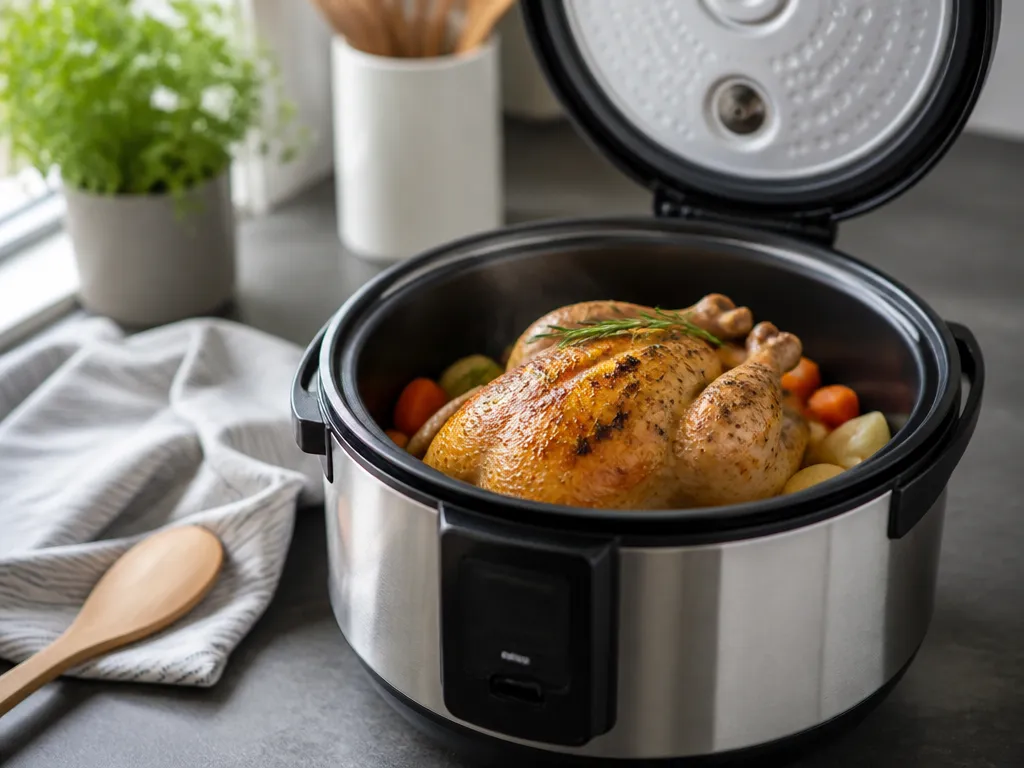
A rice cooker is great for more than rice because it can run at a controlled simmer, then drop into “Keep Warm” once the cycle ends. That combination is ideal for foods that need gentle heat, including oatmeal, congee, and even beans that tolerate longer cooking. It also works for steaming when you add a steaming tray or a heat-safe bowl inside the pot.
Before you start, match the food to the method: liquid-heavy meals go directly in the inner pot, while delicate items go into a steamer basket or on a tray. Make sure your cooker has an inner pot that sits flat, a removable lid you can monitor, and either “Cook” plus “Keep Warm,” or a basic timer/different heat modes. If your model has a “Quick Cook” or “Steam” function, use those to avoid overcooking.
What you need (practical prerequisites)
- Inner pot + lid that seals reasonably well (most settings assume heat retention).
- Steamer basket or tray (even a metal rack that sits above the water line can work).
- Heat-safe bowl for steaming soups, if needed (prevents drips and messy cleanup).
- Measuring cups, because water ratios are the whole game.
A simple “first-week” practice plan
Start with one easy win so you learn your cooker’s pace.
- Cook a single batch of oatmeal with a shorter time and check texture at 10 minutes.
- Steam vegetables (broccoli, carrots, green beans) using a basket and check at 8-12 minutes.
- Make congee or porridge (start checking at 20 minutes).
Once you see how your specific cooker behaves, the rest becomes repeatable.
In practice, the first adjustment is usually liquid amount. Many people pour too much water for non-rice foods and then wonder why it overflows, turns watery, or never thickens. The second adjustment is check timing, because foamy and starchy foods often peak and settle faster than you expect.
Which Rice Cooker Settings Matter for Non-Rice Foods
Most rice cookers treat “Cook” as “heat until sensors detect doneness,” then switch to “Keep Warm.” For non-rice meals, that means you should use the cooker cycle for what it does well, and avoid leaving it to run endlessly for “just one more thing.”
The biggest setting differences that matter are these:
- Keep Warm is for holding, not thickening. If your porridge looks thin at the end of Cook, you will usually need to reheat or do a short additional cook.
- Quick/Regular/Cook modes change how hard the unit heats early on. For beans and dense grains, “regular” is usually safer than “quick,” which can undercook the center.
- Steam mode (if your model has it) is usually more consistent for dumplings and vegetables because it runs steam generation directly.
How to pick the right mode (quick rules)
- Use Cook for oatmeal, congee, and beans.
- Use Steam or Cook + steaming basket for dumplings and vegetables.
- Use Keep Warm only after the food is close to done, and plan to hold less than you think.
Here’s a good baseline you can adapt:
- Starchy stovetop-style simmer (congee/porridge): start on Cook, check early, then use a short additional Cook cycle if needed before holding.
- Dense legumes (beans/lentils): Cook, stir if needed, then continue cooking in short additional cycles.
One more practical tip: many rice cookers are designed to trap condensation under the lid. Foods like oatmeal and congee foam, so if your lid is very tight, stir once mid-cycle (or at least once after the initial boil) to keep foam from climbing.
How to Steam Vegetables and Dumplings in a Rice Cooker
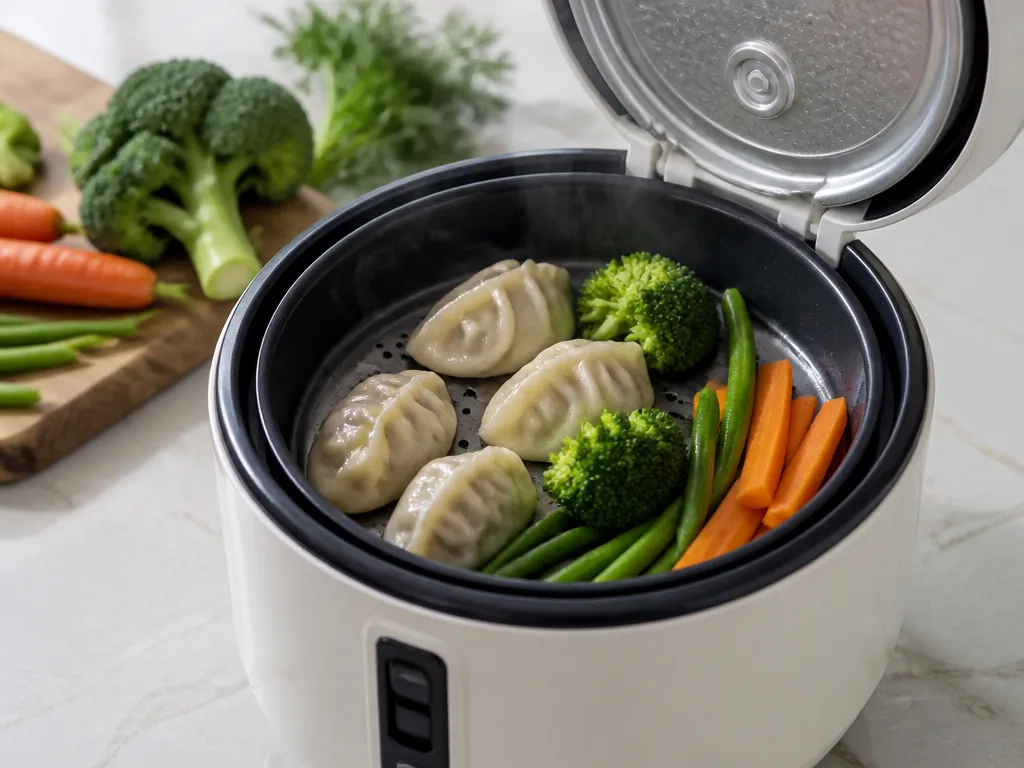
Steaming in a rice cooker is simple, and it’s also the most “forgiving” non-rice use because you can keep the food out of direct water. Your goal is steady steam, not boiling.
For vegetables, you need a consistent water level, usually enough to create steam for your time window. For dumplings, you need even heat so the filling cooks through without the wrappers getting soggy. Both work best when you don’t overload the basket, because crowding traps moisture and slows cooking.
Vegetables: the reliable method
For a typical rice cooker pot, add water to the inner pot so it touches the bottom of the steamer insert line, not the food. Arrange vegetables in a single layer if possible.
Use this timing approach:
- Soft quick-cooks (green beans, thin asparagus, zucchini): check at 8-12 minutes
- Medium (broccoli florets, cauliflower florets, sliced carrots): check at 12-18 minutes
- Dense (thick carrots, large whole potatoes): check at 20-30 minutes (you may need to slice smaller next time)
In practice, I treat the first batch as calibration. If your broccoli is still crisp, next time either add a few minutes or cut florets smaller. If everything turns mushy, reduce time or reduce steam intensity if your model lets you.
Dumplings: keep them from sticking
Dumplings stick when the tray is dry or when they drip and reheat. Lightly grease the steaming surface, or add a perforated parchment liner designed for steaming (if you have one). Don’t let dumplings touch each other in a crowded pile.
Steam timing depends on size:
- Small potstickers or gyoza (if fully cooked already): 8-12 minutes
- Raw dumplings: 12-20 minutes
Check one dumpling for doneness by cutting it open. If the filling is cold or watery inside, they need more time.
For example, if you’re steaming frozen potstickers, give them a few extra minutes compared to fresh, and don’t assume they cook evenly through the middle. If the wrapper looks done but the filling isn’t, the steam is probably too brief rather than too hot.
How to Make Oatmeal, Congee, and Porridge Safely
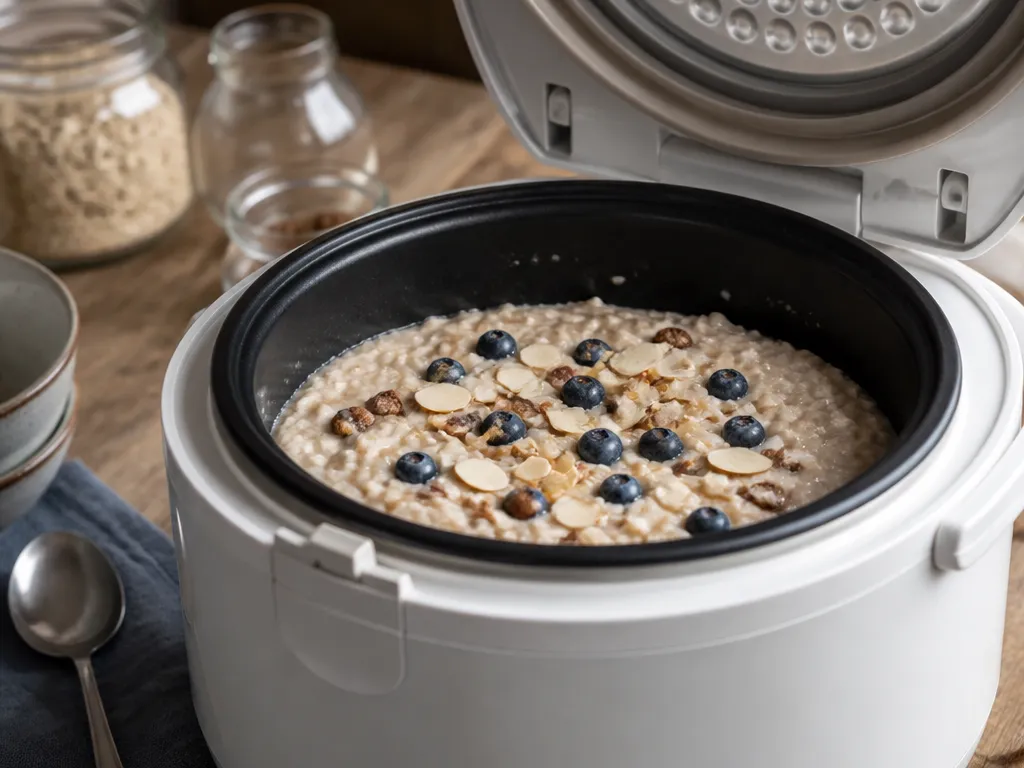
Oatmeal and congee are the best “first non-rice” rice cooker meals, but they also have the highest overflow risk because starch can foam up fast. The safest approach is to start with slightly less liquid than you think you need, keep an eye on the first boil, and stir once.
Rice cookers can handle these foods because they heat gently and then hold at a stable warm temperature. The risk is timing. If you leave oatmeal to sit too long on Keep Warm, it can thicken into a paste and develop a dry skin.
Oatmeal: start thinner, then thicken on warm
Rinse or choose less processed oats if you want a smoother texture, but rinsing isn’t required for safety. Use enough water for the texture you want, then stir once during the early phase.
A practical baseline:
- Use a smaller liquid amount than stovetop recipes suggest.
- Check at 10 minutes.
- If it looks too thick, add a splash of hot water, stir, and cook again briefly.
In practice, old-fashioned oats do better with longer gentle heat. Quick oats can over-thicken fast, so you should check sooner.
Congee: aim for creamy, not gluey
Congee is basically rice porridge. For the smoothest results, rinse the rice first to reduce excess starch. Add broth or water, and don’t treat it like regular rice cooking where you set it and ignore it.
Check at:
- 20 minutes for initial texture
- then every 10 minutes until it’s creamy enough for you
If your congee is too thick before it’s fully soft, add hot liquid (broth or water). Don’t add cold water, it can slow the cooking and create uneven texture.
Porridge: match the grain
Porridge works for grains like oats, barley, and other options that hydrate well. The safer move is to follow the grain’s water needs from a trusted cooking guideline, then apply a rice-cooker technique: start with slightly less liquid, stir once, and finish with small adjustments.
For instance, barley can take longer to soften, so it might stay chewy at the end of a normal cycle. If it does, start again for a short additional cook rather than relying on Keep Warm to “magically” soften it overnight.
How to Cook Beans, Lentils, and Chickpeas
Beans and lentils are the most common rice cooker “challenge” because they require more time and more consistent hydration. The upside is you can do it with minimal attention once you dial in your liquid level and doneness checks.
Your main safety concern isn’t the cooker type, it’s ensuring the legumes are fully cooked through. Undercooked chickpeas and certain beans can taste bad and may be tough in the center, so you need a real check.
Start with soaking when you can
Soaking reduces cook time and improves texture. If you have time:
- Soak overnight for chickpeas and many dried beans.
- Drain and rinse before cooking.
If you cannot soak, it’s still doable in many rice cookers, but you should plan for longer cook times and more frequent texture checks.
Use enough water to prevent scorching
Beans and lentils thicken as they hydrate. That means if you start with too little water, they can scorch at the bottom. A good rule is to keep the liquid level high enough that you can stir and still see active simmering.
In practice, add salt and acidic ingredients at the end when possible. Some legumes stay firmer longer if salt or acid is added early. If you want a flavorful dish, do the basic cooking first, then season and finish.
A simple schedule that works
- Put soaked legumes in the pot with water (and aromatics if you want).
- Cook, then stir once mid-cycle.
- Check doneness early, then add time in short increments.
Here’s a quick reference table you can use as a starting point and then adjust to your cooker:
| Legume | Soak? | Liquid to Start (rule of thumb) | Best Check Point |
|---|---|---|---|
| Lentils (red/green) | Optional | Enough to cover by about 1 inch | 20-25 minutes |
| Chickpeas | Recommended | Enough to cover by about 1-2 inches | 45-60 minutes |
| Black beans / pinto | Recommended | Enough to cover by about 1-2 inches | 60-90 minutes |
If your beans are still firm at the check point, add more water if needed, then cook again for 10-20 minutes. Don’t let the pot dry out.
How to Warm, Reheat, and Hold Meals Without Drying
Rice cookers are built to keep rice warm, but that same warm mode can dry out other foods fast. The fix is controlling time and keeping moisture in contact with the food.
Use Keep Warm for a short hold, not for long “set it and forget it” storage. Moisture management matters: if the lid seals tightly and the food is wet or saucy, it stays better. If it’s dry (like plain beans without liquid, or steamed vegetables), it loses moisture quickly.
The best reheat move
Reheat with a bit of added moisture. Stir food and add a splash of water or broth if it’s thick, then rewarm. For sauces and soups, the rice cooker is already a good reheater if you keep an eye on thickening.
For vegetables, I usually add a tablespoon or two of water to the container before reheating. That helps rebuild steam and prevents crisp edges from turning leathery.
How to hold without turning everything into mush
- Store food in shallow containers so it heats evenly.
- Stir once after 10-15 minutes if your cooker holds for longer.
- Avoid holding for hours on Keep Warm if texture matters.
For example, if you cooked dumplings, reheating them in steam mode is better than microwaving dry. You can also steam them briefly again so the wrapper rehydrates.
How to Avoid Overflows and Burnt Food in the Pot
Overflows usually happen with foamy, starchy foods like oatmeal and congee. Burnt food usually happens with dense legumes and grains when the liquid drops too low or thickens before fully cooking.
The most effective prevention is simple: don’t fill the pot to the brim, and don’t assume non-rice foods behave like rice.
Overflow prevention
- Use less liquid than you think for the first attempt.
- Stir once during the early phase for oatmeal/congee.
- Leave headspace, especially for thick porridges.
- Avoid rapid additions of powders (like instant oats) without stirring.
Burn prevention
- Keep enough water in the pot to avoid drying at the bottom.
- Stir once mid-cycle, especially for beans and thicker grains.
- If it’s thickening too fast, add hot water rather than turning it up.
- Don’t rely on Keep Warm to “finish” a dry pot. That often creates scorching.
For instance, if your congee is thickening early but the rice isn’t fully soft, you should add hot liquid right away. Waiting until it’s too thick turns the bottom into a stuck layer that’s hard to recover.
FAQ
Can I cook pasta in a rice cooker without it turning mushy?
Yes, but you need a different approach than oatmeal. Cook pasta briefly, then stop early, drain if needed, and keep it warm briefly. Use plenty of water if your cooker can boil gently, and check for al dente at least 2-4 minutes before the package time. Sauces can finish it after reheating.
How long does it take to cook oatmeal or congee in a rice cooker?
Oatmeal typically needs about 10-20 minutes depending on thickness and oat type. Congee usually takes longer, and the right texture often shows up after about 20-40 minutes with checks. Start checking earlier than you would for rice, because foaming and thickening happen faster with starches.
Is it safe to hold food on Keep Warm for hours?
Keep Warm is meant for short holds, not long storage. Food quality and texture drop as time goes on, and some dishes dry out or thicken into an unappetizing layer. Plan on transferring food to containers for longer storage, and keep Keep Warm holds brief, especially for oatmeal, congee, and vegetables.
What’s the easiest rice cooker setting for steaming dumplings?
Use a steamer basket and run the cooker on its Steam mode if it has one, or use Cook with enough water to generate steady steam. Don’t overload the basket, and grease the steaming surface lightly to prevent sticking. Check one dumpling for doneness by cutting it open if you’re unsure.
What’s the most common mistake when cooking non-rice foods in a rice cooker?
People overfill the pot and skip early checks, which leads to overflow with oatmeal or undercooking with beans and congee. Another common mistake is adding salt and acids too early for legumes, which can keep them firmer longer. If you only change one thing next time, stir and check at the first 10-20 minutes.