How to Organize Deep Kitchen Drawers: 6 Game-Changing Ideas
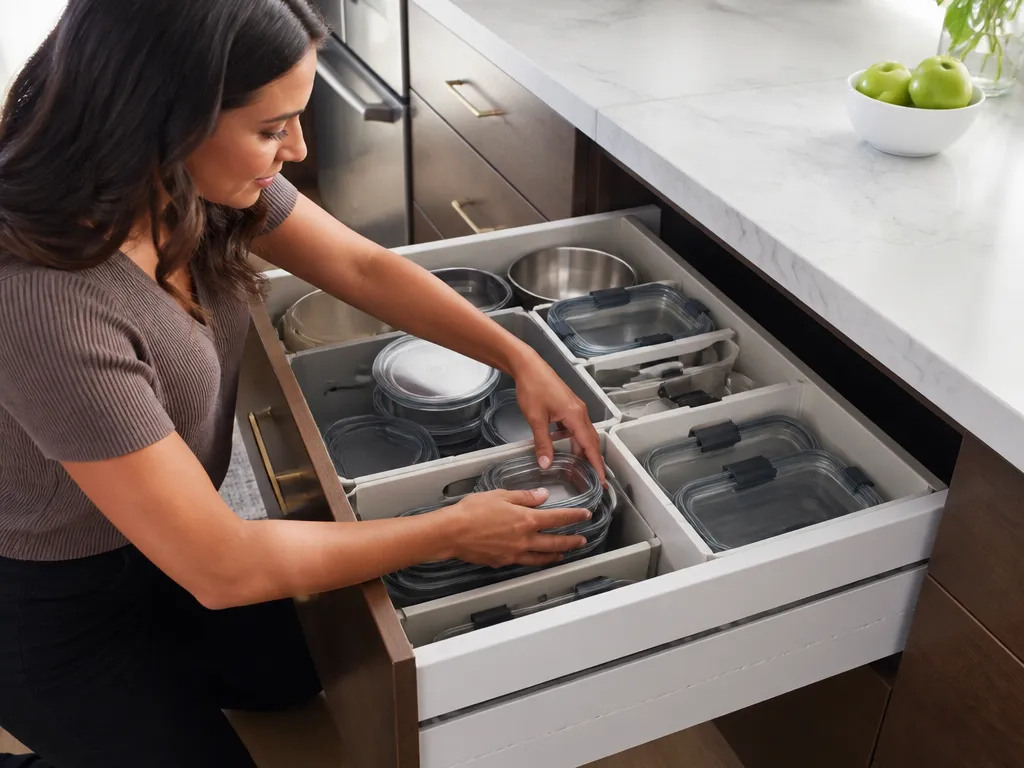
Deep kitchen drawers offer a modern solution to cramped cabinets, but they can quickly become dumping grounds if you do not plan the layout. These spaces are best used for heavy items like pots and pans, bulky appliances, or large sets of mixing bowls. You can transform a chaotic drawer into a functional workspace by using zones, tiers, dividers, and trays to sort items by use, size, and frequency.
- Measure twice to ensure organizers fit without overhanging the sides.
- Declutter first to prevent the drawer from filling up again quickly.
- Categorize by use to place daily items at the front and seasonal items in the back.
- Use dividers and trays to create a custom fit for your specific drawer dimensions.
- Check weekly for 2-3 minutes to return stray items to their designated zones.
How to Organize Deep Kitchen Drawers for Maximum Storage
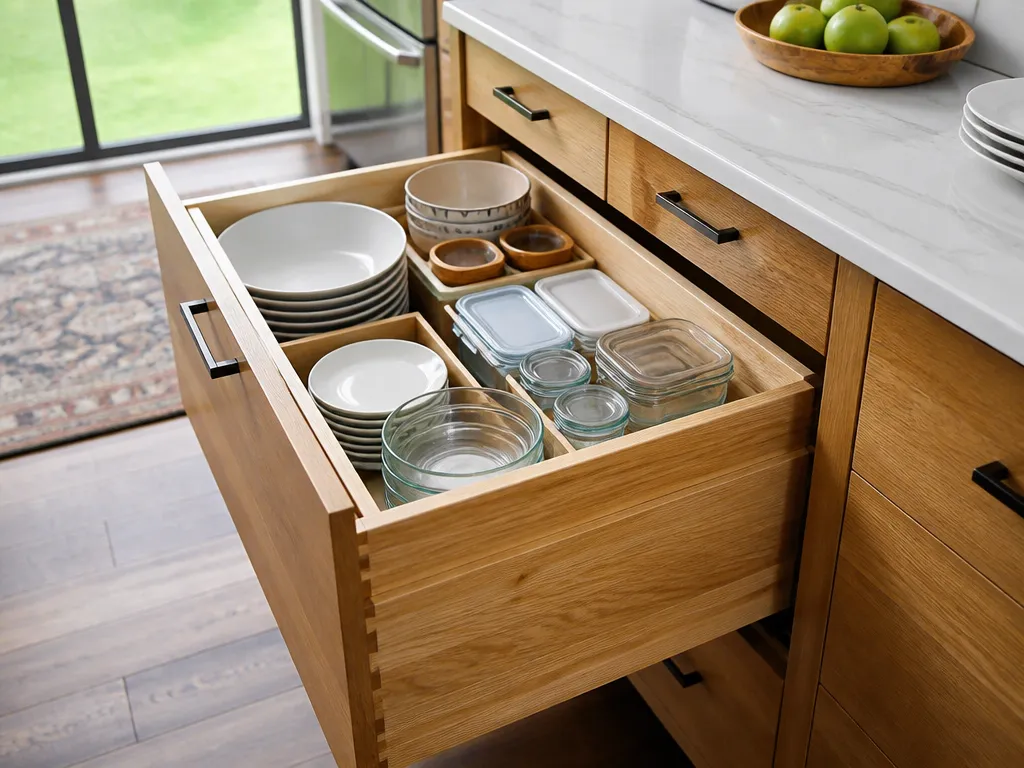
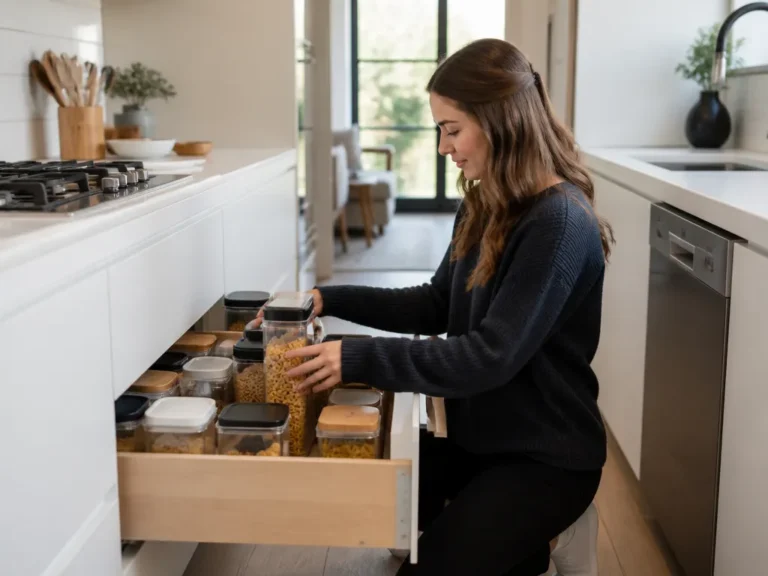
A deep drawer becomes a storage nightmare when items are thrown in without a plan. The key to maximizing this space is planning before you unpack anything. You need to decide what goes in the drawer and how you will arrange it so that you can reach the back without pulling everything forward. Pull-out drawers bring the contents to you, unlike fixed shelves, which force you to rummage through dark spaces to find a single lid.
Vertical or stacked storage works best in deep drawers if the space permits. You can stack similar-sized items like mixing bowls or cutting boards to free up horizontal surface area for other tools. This approach lets you fit more into the same footprint while keeping everything visible. A deep drawer should not just be a repository for junk; it should be a curated collection of tools you actually use.
Decluttering Items from Deep Kitchen Drawers
You cannot organize a drawer that is full of things you do not need. The first step is to remove every single item from the drawer and place it on a countertop or table outside the kitchen. This clears the path for you to clean the inside of the drawer and assess the space. Once the drawer is empty, you can sort the items into three distinct piles: keep, discard, and relocate.
Discard any packaging materials, such as takeout containers or plastic bags, as these are the most common sources of clutter in kitchen drawers. Random items that do not belong in the kitchen, like spare change or old batteries, should be removed and put in their proper homes. Relocate items that belong in other drawers, cabinets, or pantries. By removing these items before you start organizing, you ensure that the drawer only contains what is essential for that specific storage zone.
Measuring Deep Kitchen Drawers for Custom Organizers
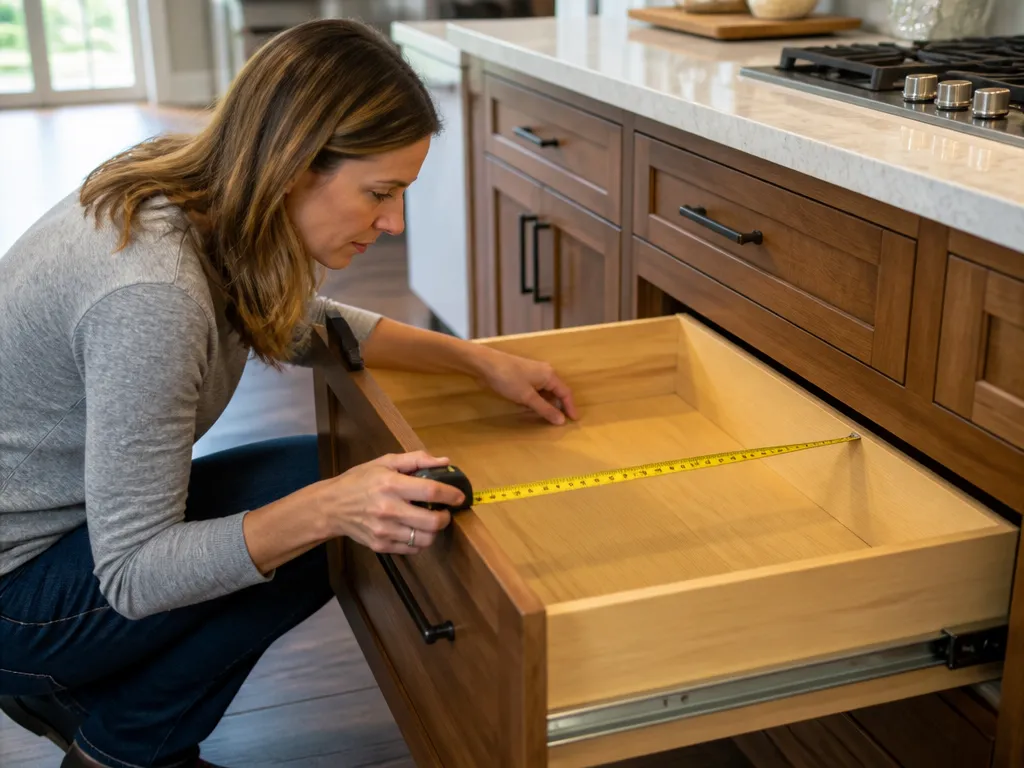
You cannot buy or build organizers that fit if you do not know the exact dimensions of your drawer. Measure the interior width from side to side and the depth from the back of the drawer to the drawer front. You also need to measure the height of the drawer to ensure you have enough clearance for taller items. Write these measurements down so you can compare them to the specs of potential organizers.
If you plan to use custom organizers or build your own dividers, you must account for the thickness of the organizer material itself. For example, a wood divider that is one inch thick will take up more space than a plastic insert of the same size. Measure the space where the organizer will sit, subtract the thickness of the material, and record the internal dimensions that remain. This ensures that your organizers fit snugly without bumping into the drawer sides or interfering with the drawer glides.
Categorizing Items for Deep Drawer Storage
Sorting items into categories is the foundation of a functional deep drawer. You should group items based on their function and how often you use them. Common categories for deep drawers include baking tools, cooking utensils, small appliances, and cookware. Baking tools might include measuring cups and rolling pins, while cooking utensils includes whisks, spoons, and tongs. Small appliances like blenders or coffee makers also fit well in deep drawers.
You should further refine these categories by frequency of use. Place the items you use every day, such as your favorite spatula or daily cookware, in the front of the drawer. Items you use only once or twice a month, such as seasonal baking pans or special occasion serving ware, belong toward the back. This arrangement saves you time and effort by keeping the most accessible items at the front and reducing the number of times you have to dig through the drawer to find what you need.
Using Drawer Organizers for Deep Storage
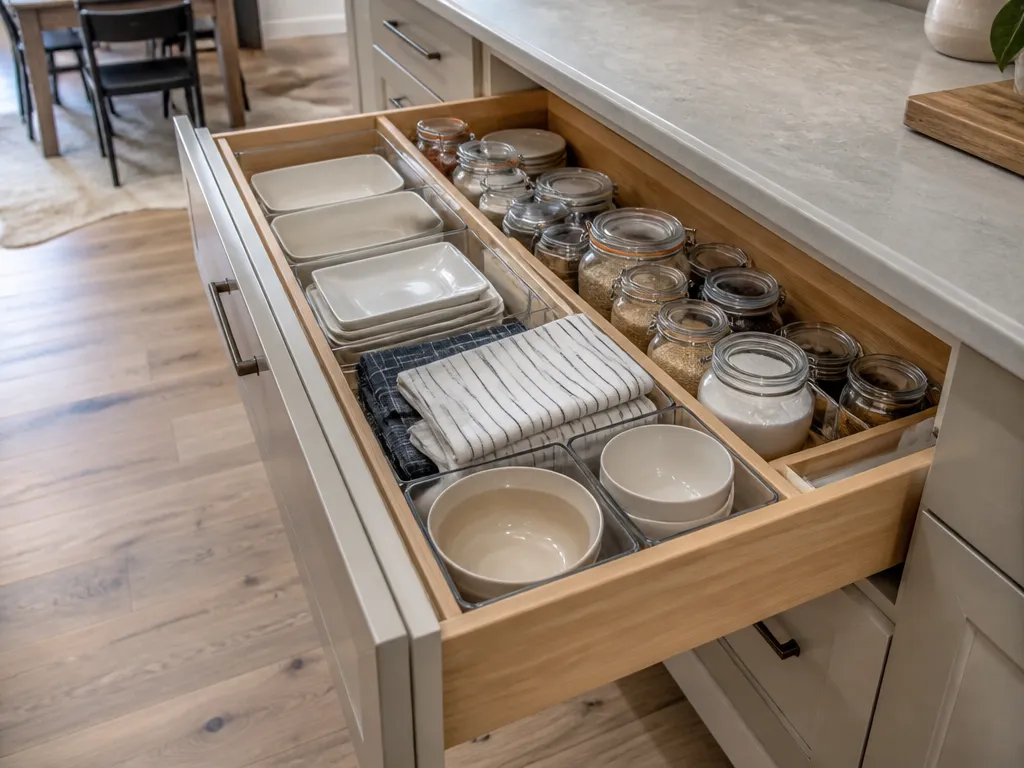
Once you have categorized your items, you need the right tools to keep them separated. Drawer organizers come in various forms, including stackable bins, dividers, and trays. Stackable bins or baskets are excellent for holding loose items like cutlery, snacks, or small gadgets. They allow you to see the contents easily and can be rearranged if your storage needs change. Dividers are ideal for separating larger items like pots, pans, or baking sheets.
Trays can help create a flat surface within the deep drawer, which is useful for holding lids or small appliances. For example, a tray at the bottom of the drawer can hold coffee mugs or a toaster oven, while dividers above can separate cooking utensils. VARIERA Drawer Inserts and RATIONELL Drawer Dividers are examples of organizers that can be customized to fit specific drawer sizes. Using these tools prevents items from sliding around and creates a neat, uniform appearance.
Storing Pots Pans and Bakeware
Pots, pans, and bakeware are heavy items that can be difficult to store in standard cabinets. A deep drawer is actually the perfect place for them, provided you use the right organization method. You should stack similar-sized cookware together to save space and use pan dividers to keep the pots upright and separated. This prevents the pots from banging into each other and scratching the surfaces.
Lids are often the most frustrating part of organizing cookware because they do not fit neatly on the pans. You should keep lids in a separate compartment or tray within the drawer. A dedicated lid organizer or a shallow tray at the top of the drawer works well for this purpose. This keeps the lids accessible and prevents you from having to lift the entire stack of pots just to find a matching lid.
Keeping Deep Kitchen Drawers Tidy Over Time
Even the best organization system will fail if you do not maintain it. The most effective way to keep a deep drawer tidy is to spend two to three minutes each week returning items to their designated zones. When you finish cooking, take a moment to put the tools you used back in their specific spots. This prevents small messes from accumulating into a cluttered disaster.
You should also perform a seasonal deep clean every three to six months. Empty the drawer completely, clean the inside with a damp cloth, and reassess the contents. Look for items you have not used in that time and consider donating or discarding them. Adopting these small habits ensures that your deep kitchen drawer remains organized and functional for years to come.
FAQ
What is the best way to organize a deep drawer?
The best way to organize a deep drawer is to use zones, tiers, dividers, and trays to sort items by use, size, and frequency. You should place frequently used items at the front for easy access and store bulkier or seasonal items toward the back.
Can I use IKEA organizers for deep kitchen drawers?
Yes, IKEA offers a variety of drawer organizers like VARIERA and RATIONELL dividers that can be customized to fit deep drawers. You can measure your drawer and select inserts that fit the width and depth to create a custom storage solution.
How do you keep lids organized in a drawer?
You should keep lids organized in a separate compartment or a shallow tray within the drawer. Using a dedicated lid organizer or a tray at the top of the drawer prevents them from becoming a jumbled mess.
What items should not go in a deep kitchen drawer?
You should avoid storing items that exceed the weight capacity of the drawer glides. Ensure the drawer glides can support the weight of the load. Items that are difficult to stack neatly, like loose cutlery without dividers, can also become a clutter trap.
How often should I clean out my kitchen drawers?
You should clean out your kitchen drawers at least every three to six months. Empty the drawer, discard packaging and unused items, clean the interior, and reassess the organization system to ensure it still meets your needs.